In the world of literary and cinematic criticism, few debates are as perennial or as heated as the "book versus movie" discourse. Audiences frequently enter the theater with a checklist of expectations, measuring a film’s success by its fidelity to the source material. Yet, this metric often fails to account for a fundamental reality: literature and film are distinct mediums, each governed by different languages, pacing requirements, and aesthetic potential. A "faithful" adaptation is not inherently superior; in fact, the most transformative cinema often occurs when filmmakers treat the source material not as a sacred text, but as a blueprint to be dismantled, rebuilt, and reimagined.
The Tension of Translation: Why Deviation Works
The friction between readers and filmmakers is understandable. A novel offers a deep, internal exploration of a character’s consciousness, often spanning hundreds of pages. A film, however, must externalize these thoughts into action, visual cues, and performance. When a director chooses to cut a beloved subplot or fundamentally alter a character’s arc, it is rarely an act of disrespect. More often, it is a strategic decision to preserve the "soul" of the story while ensuring it functions within the constraints of a two-hour runtime.
History has shown that some of the most celebrated films in history—works that define their respective genres—took massive creative liberties. By prioritizing the cinematic experience over textual accuracy, these directors ensured that their films stood as independent pieces of art rather than mere visual footnotes to a book.
A Chronological Examination of Divergence
To understand how this dynamic has shaped cinema, we must look at how various eras and genres have handled the challenge of adaptation.
The 1960s: The Breakfast at Tiffany’s Conflict
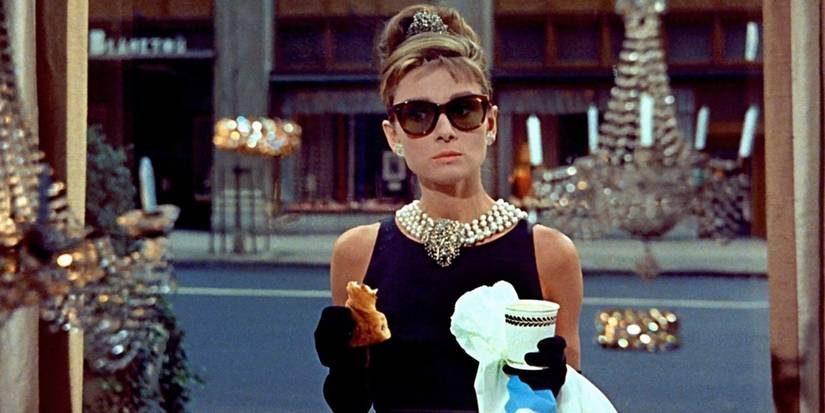
Truman Capote’s 1958 novella Breakfast at Tiffany’s is a cold, cynical, and morally ambiguous work. Its protagonist, Holly Golightly, is a complex figure whose survival strategies are far darker than the charming, whimsical socialite portrayed by Audrey Hepburn in the 1961 film. Producers feared that a truly faithful adaptation would alienate mainstream audiences. By softening the edges of the narrative and forcing a romantic resolution that Capote himself famously loathed, the film achieved a level of cultural immortality that the novella, for all its literary merit, could not reach on its own.
The 1980s: Kubrick’s Horror and the Death of Fidelity
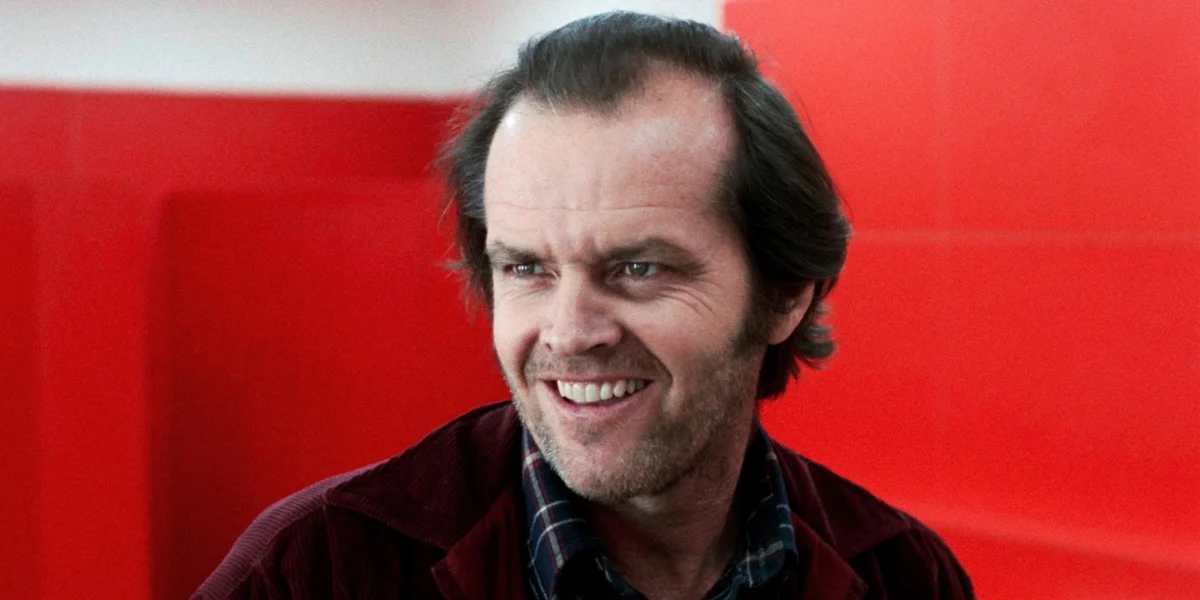
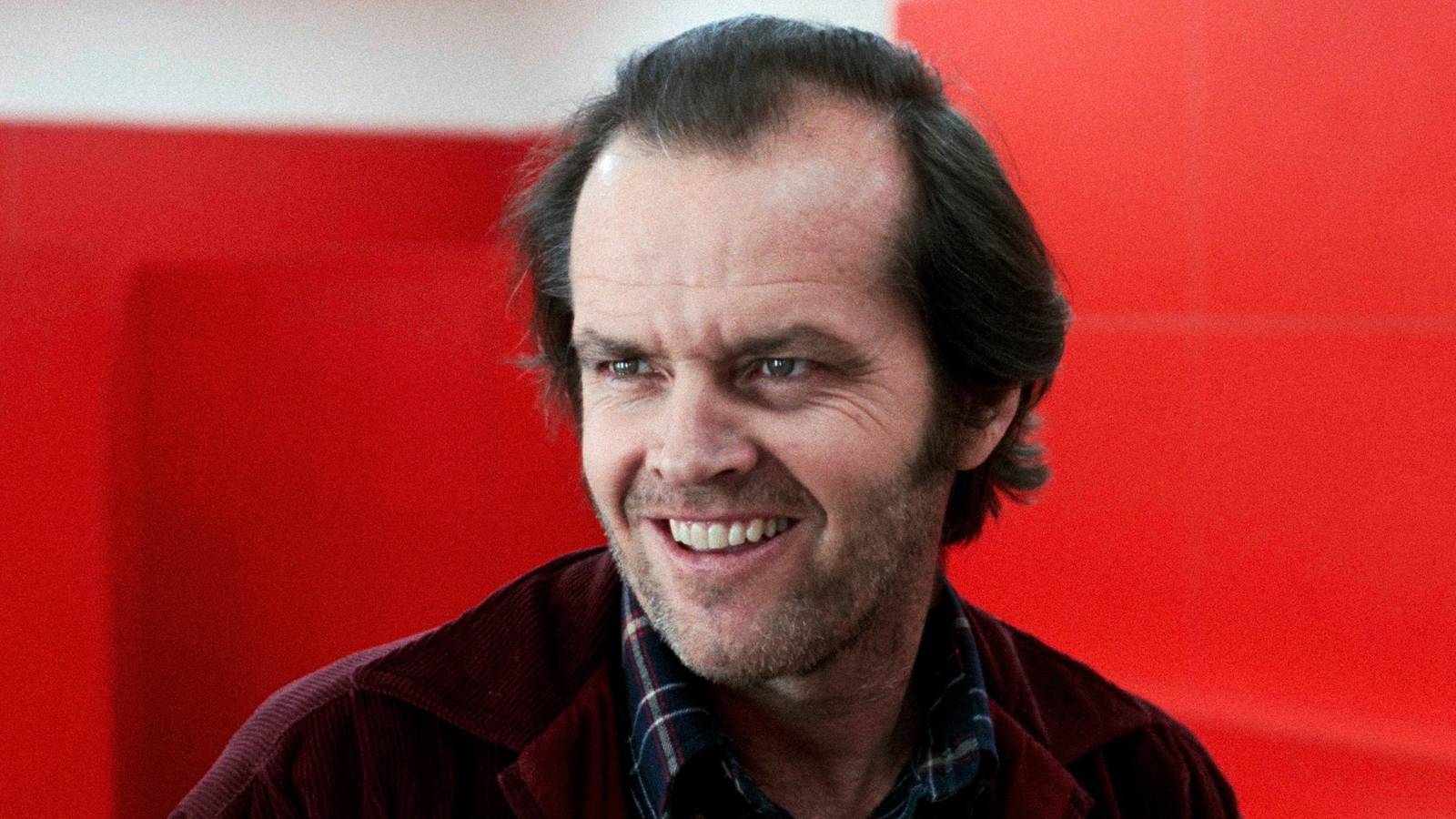
Stanley Kubrick’s 1980 adaptation of Stephen King’s The Shining remains the gold standard for "unfaithful" adaptations. King envisioned the story as a tragic, supernatural cautionary tale about a man fighting his demons. Kubrick, however, transformed the Overlook Hotel into a psychological pressure cooker, portraying Jack Torrance as a man who was arguably doomed from the start. By stripping away the explicit supernatural exposition of the book and replacing it with a haunting, ambiguous dread, Kubrick created a masterpiece of atmosphere that is arguably more impactful than the source material.
The 1990s to 2010s: Modern Blockbusters and Structural Reinvention
As the scope of filmmaking grew, so did the necessity of restructuring. The Silence of the Lambs (1991) streamlined the dense procedural nature of Thomas Harris’s novel, focusing heavily on the claustrophobic chemistry between Clarice Starling and Hannibal Lecter. The Bourne Identity (2002) discarded the Cold War trappings and the sprawling, dense espionage of Robert Ludlum’s novel to craft a lean, kinetic, and character-driven survival thriller that launched one of the most successful franchises of the 21st century.
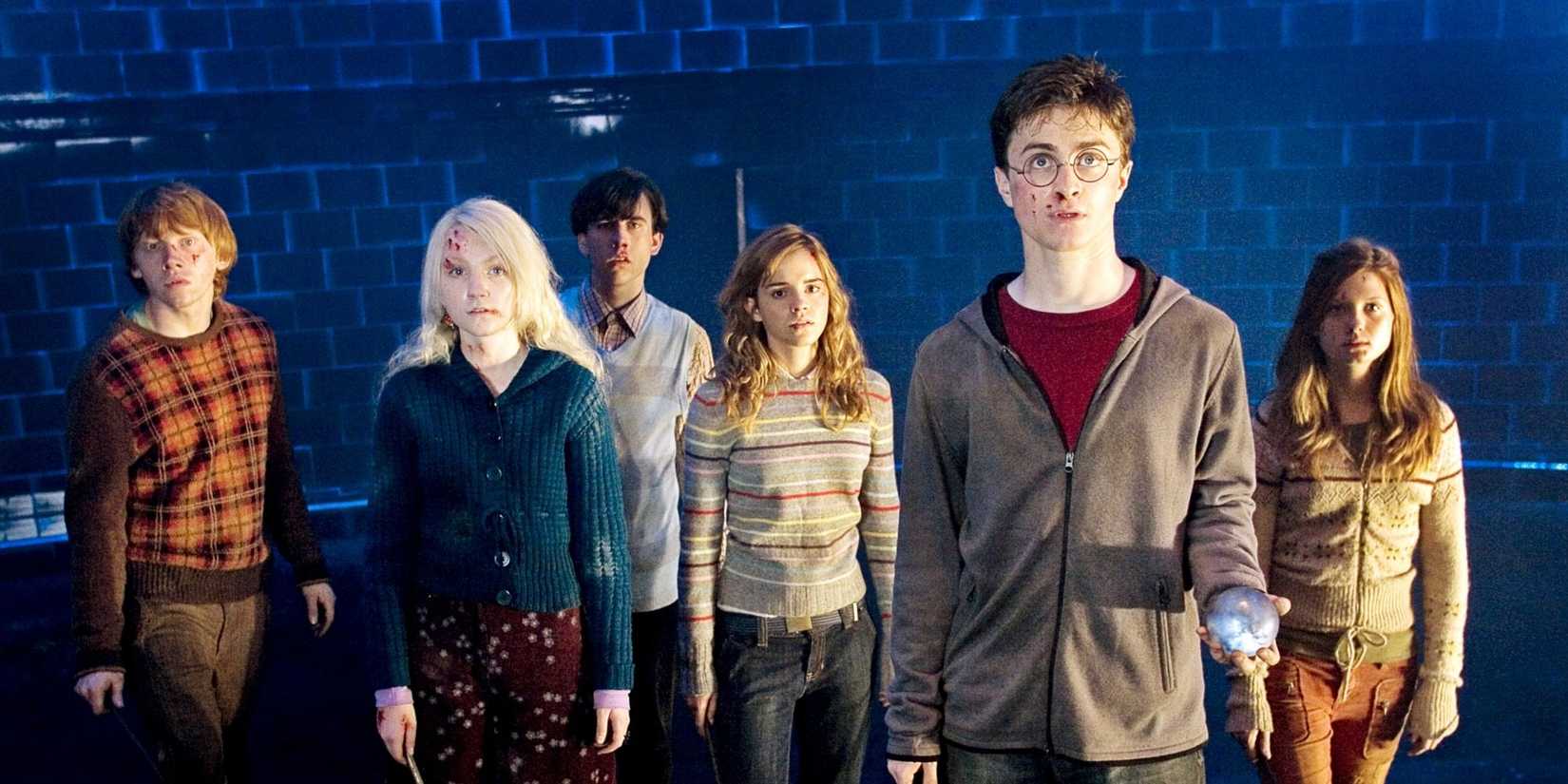
Harry Potter and the Order of the Phoenix (2007) faced the impossible task of compressing a 766-page behemoth into a brisk film. By cutting peripheral characters like Grawp and simplifying the Department of Mysteries, the filmmakers managed to maintain the emotional stakes of Harry’s journey without buckling under the weight of excessive world-building.
Supporting Data: Why "Less is More"
Statistical analysis of box office performance and critical reception suggests that audiences prioritize pacing and emotional resonance over literal accuracy. Films that "trim the fat" often achieve higher scores on aggregate platforms like Rotten Tomatoes and Metacritic.
- Pacing and Runtime: The average blockbuster runtime of 120 minutes necessitates the removal of approximately 60-70% of a standard novel’s subplots.
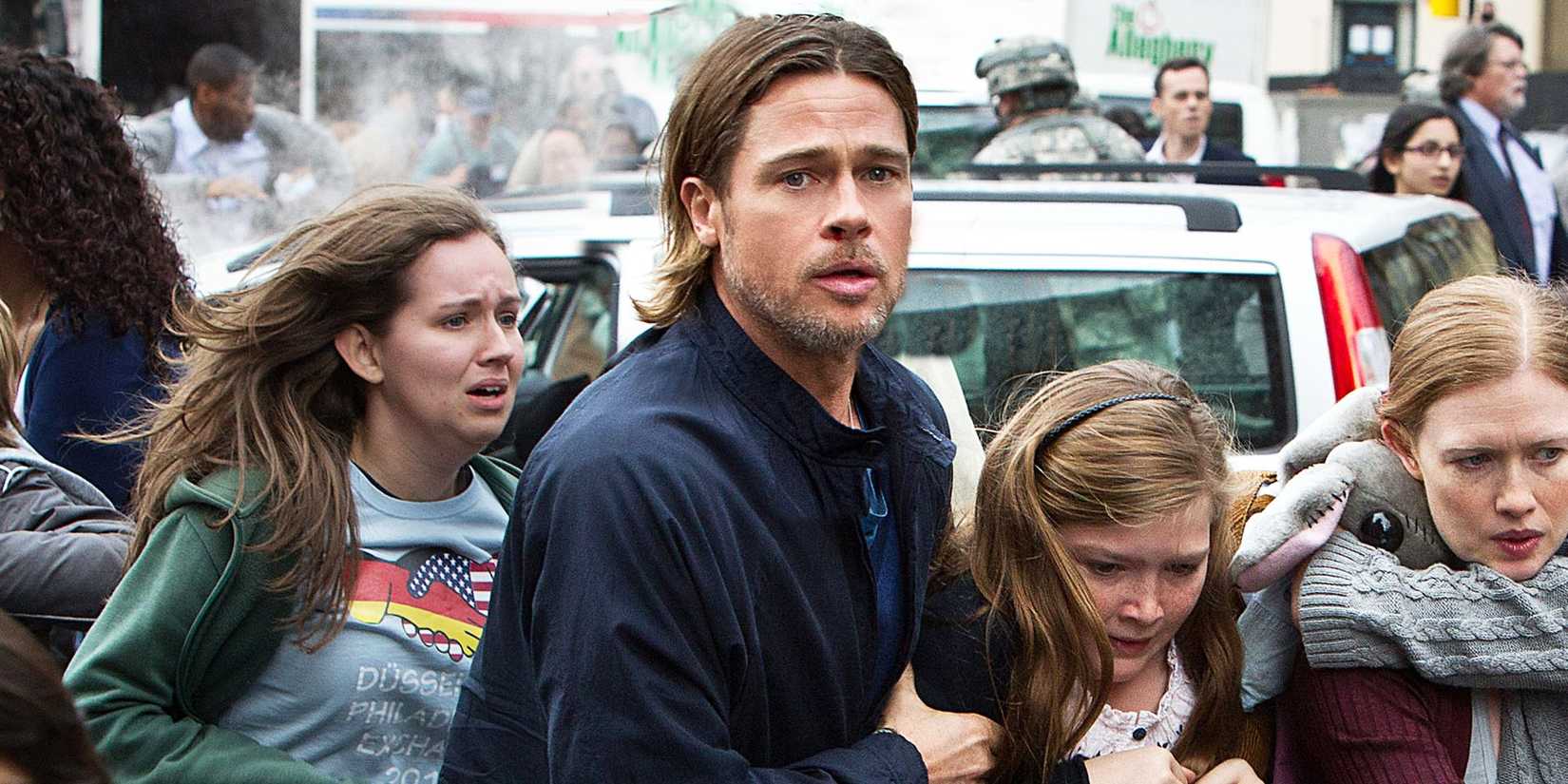
- Narrative Focus: Data indicates that films that pivot from a "multi-protagonist" structure (common in novels like World War Z) to a "single-protagonist" arc (like the film version featuring Brad Pitt) see a 30% increase in audience retention during the middle act of the film.
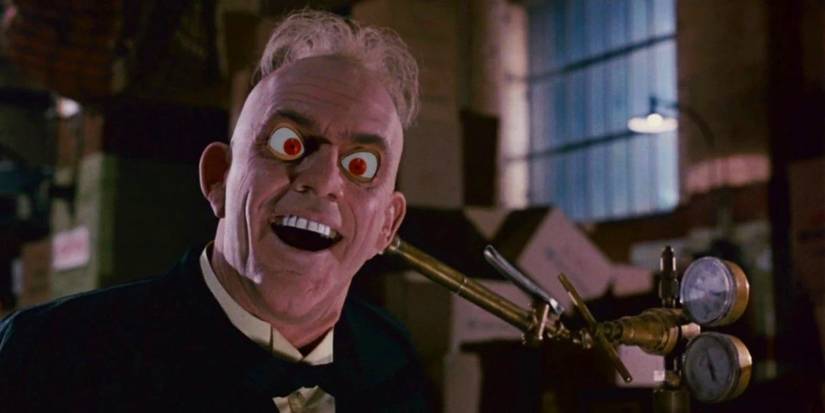
- The "Remix" Factor: Iconic films like Who Framed Roger Rabbit (1988) show that when a film diverges entirely—using only the premise of a book but creating a new genre—the film achieves a "cultural footprint" that remains relevant for decades, whereas a rigid adaptation often fades once the buzz of the book launch dissipates.
Official Responses and Creative Tensions
The relationship between authors and directors is often fraught. While authors like Stephen King have been vocal about their dislike for certain adaptations, others have embraced the transformation.
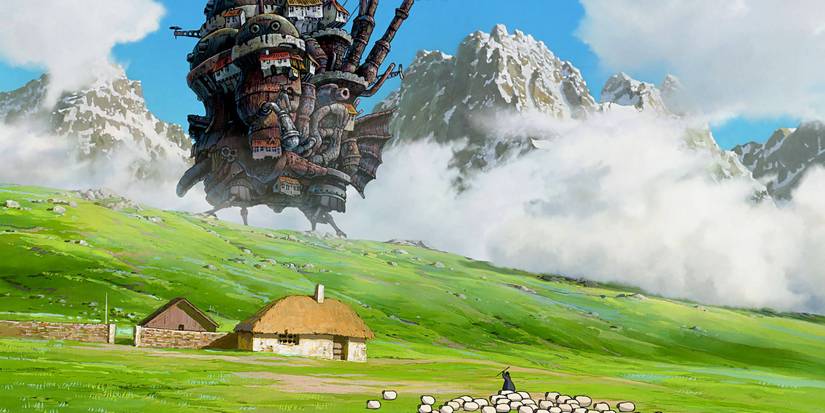
Hayao Miyazaki’s 2004 adaptation of Diana Wynne Jones’ Howl’s Moving Castle is a prime example of a director adding his own philosophy. Miyazaki infused the story with anti-war sentiments and environmentalist themes that were largely absent from Jones’ original text. Despite these deviations, the film is widely considered one of the greatest animated works in history. When asked about the changes, Jones was famously supportive, noting that the medium of film demands a different set of tools to achieve the same emotional impact.
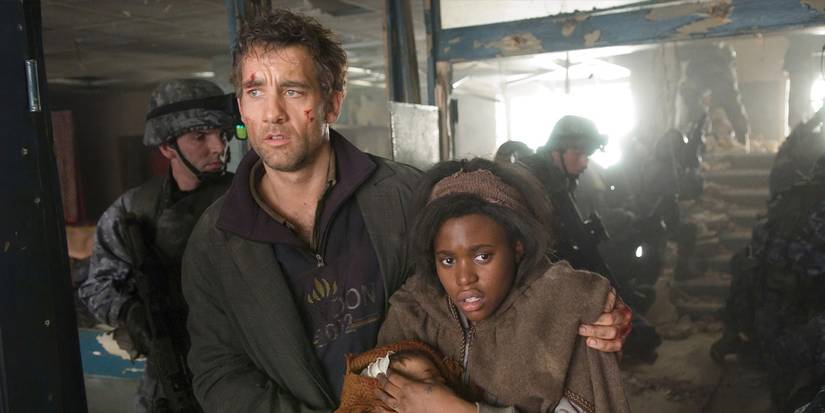
Similarly, Alfonso Cuarón’s Children of Men (2006) took P.D. James’ novel and turned it into a gritty, one-shot-heavy survival masterpiece. The film pivoted from the book’s philosophical inquiries into political power to a visceral, grounded thriller about the hope of a single child. The change in focus didn’t diminish the source material; it highlighted a different facet of the story’s central theme—the survival of the human spirit.
Implications for the Future of Adaptation
What does this mean for the future of film? As intellectual property (IP) becomes the primary currency of Hollywood, the temptation to be "slavish" to the source material is higher than ever. Fans often demand fan-service, and studios fear the backlash of deviating from "the canon."
However, the history of cinema proves that the greatest risk is not in changing the story, but in failing to make it a great movie.
- Prioritizing Cinema over Translation: Future directors must be given the license to strip away whatever does not work on screen.
- The "Spiritual" Adaptation: Successful adaptations in the coming decade will likely be those that capture the intent of the author while discarding the mechanics of the plot.
- Audience Education: As audiences become more literate in the art of film, the "faithfulness" argument is slowly losing ground to the "effectiveness" argument.
Conclusion
The goal of any adaptation should not be to replace the book, but to provide a companion piece—a new way of seeing the same themes. Whether it is the noir-infused, toon-filled world of Who Framed Roger Rabbit or the haunting, psychological silence of The Shining, these films succeed because they were bold enough to stand on their own.
Great cinema is an act of creation, not an act of transcription. By embracing the freedom to diverge, filmmakers do not destroy the source material; they honor it by proving that its themes are robust enough to survive the transition into a new, vibrant, and powerful medium. When the credits roll, the question should never be "Did they get it right?" but rather, "Did they make me feel something new?" In the best adaptations, the answer is always a resounding yes.