

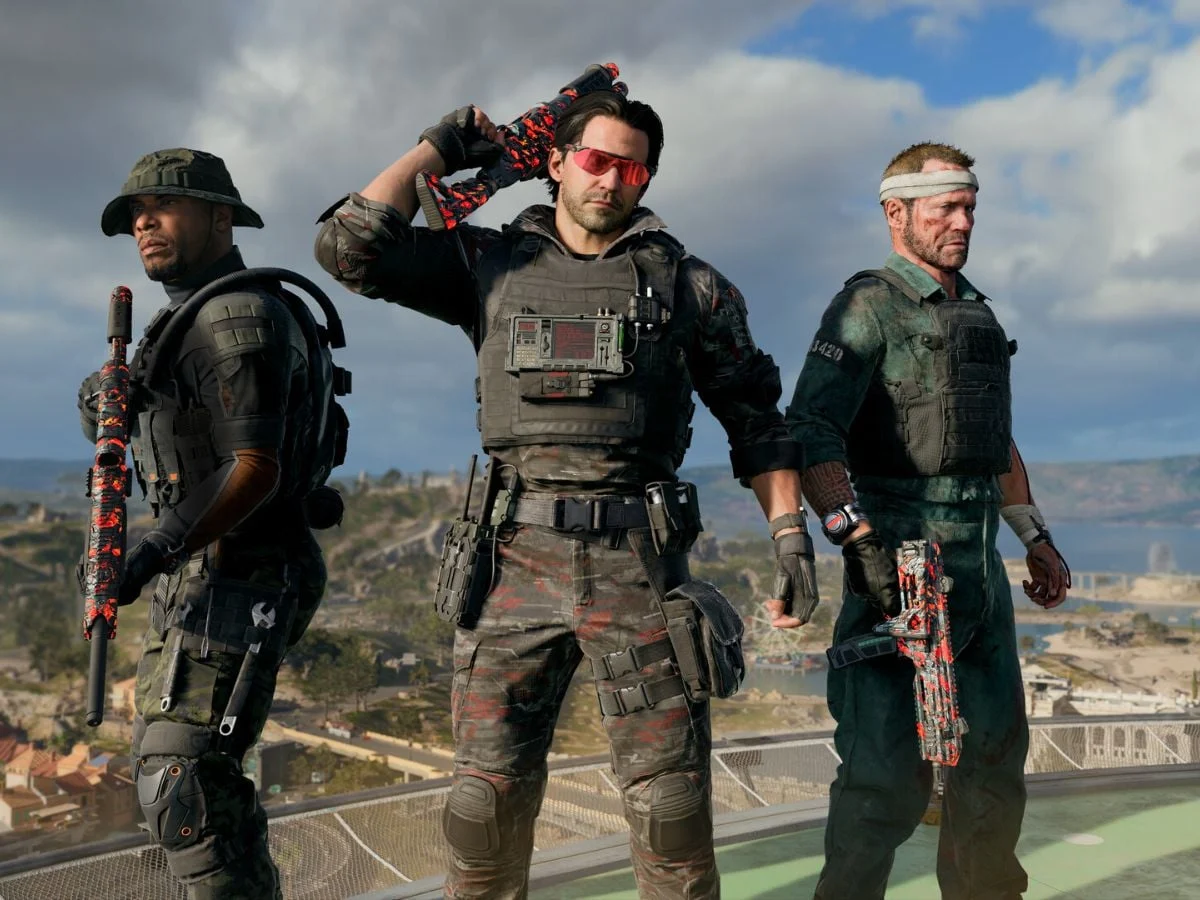
In a move that signals a definitive shift in the gaming industry, Activision has officially confirmed that the era of cross-generational support for its flagship Call of Duty franchise is coming to a close. As of Thursday, May 28, the publisher announced that Call of Duty: Warzone will be sunsetted on PlayStation 4 and Xbox One platforms, marking a pivotal transition toward a current-gen-only development strategy.
This decision, while anticipated by industry analysts tracking the hardware cycle, serves as a stark reminder that the 13-year-old hardware of the eighth console generation is finally being pushed out of the ecosystem. With the upcoming release of Modern Warfare 4, scheduled for October 23, Activision is pulling the plug on support for legacy hardware, leaving behind millions of players who have yet to migrate to the PlayStation 5, Xbox Series X|S, or the upcoming Nintendo Switch 2.
The Chronology of the Sunset
The transition process is not immediate but follows a strictly defined schedule that will effectively dismantle the Warzone experience on legacy hardware over the coming months.
- June 4: This date marks the beginning of the removal process. Call of Duty: Warzone will be scrubbed from digital storefronts on both the PlayStation 4 and Xbox One. New players will no longer be able to download the client.
- Ongoing (Pre-Season 1): In-game storefront functionality will be severely restricted. Specifically, the purchase of Call of Duty Points bundles will be disabled on these platforms, preventing further microtransactions on aging hardware.
- The Final Threshold: The game will remain technically functional for existing users until the launch of Modern Warfare 4’s first seasonal update. Once the inaugural season of the new title begins, servers for Warzone on PS4 and Xbox One will be permanently deactivated.
Strategic Implications: Focusing on Modern Hardware
The primary driver behind this decision is the necessity for technological advancement. For years, developers have been constrained by the limitations of the Jaguar CPU architecture found in the PS4 and Xbox One. By abandoning these platforms, Activision developers are now free to leverage the superior solid-state drive (SSD) speeds, increased RAM, and advanced ray-tracing capabilities of current-gen hardware.
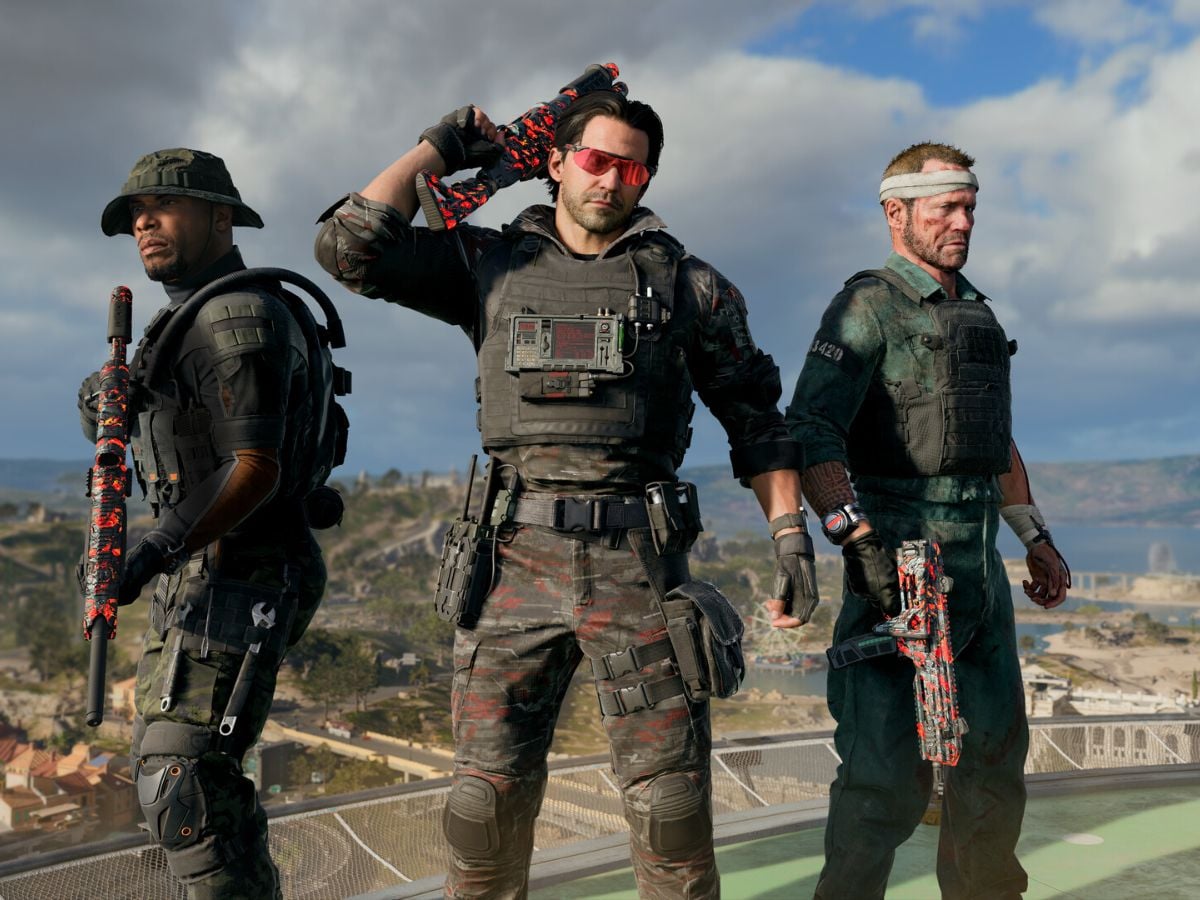
The upcoming Modern Warfare 4 is designed from the ground up to take advantage of these technological leaps. By targeting only the PS5, Xbox Series X|S, PC, and the anticipated Nintendo Switch 2, the development team can implement more complex map geometry, faster load times, and more sophisticated AI without the "bottlenecking" effect that comes from trying to scale modern titles down to older hardware.
Industry experts have long argued that the extended lifespan of the PS4 and Xbox One—due in part to global chip shortages that made current-gen consoles difficult to acquire for years—has held back the graphical and mechanical fidelity of "AAA" titles. This move by Activision is seen as the final "band-aid" removal, signaling that the industry is finally ready to move forward in earnest.
Official Response: Bridging the Gap
In a detailed post on the official Activision blog, the company explained the reasoning behind the transition. "As part of this transition, Call of Duty: Warzone on PlayStation 4 and Xbox One will no longer be playable starting with Season 1," the statement reads. "Beginning June 4, the game will no longer be available for new downloads on those platforms… Certain items, such as Call of Duty Points bundle purchases, will no longer be available on those platforms."
Activision has not explicitly detailed a migration path for items, but the phrasing suggests a clean break. For the millions of players who invested time and money into the ecosystem, this announcement poses a significant logistical challenge. The company’s focus remains on the "future-proofing" of the franchise, ensuring that Modern Warfare 4 serves as a fresh start for the series’ competitive and battle royale components.

Market Analysis and Industry Context
The Call of Duty franchise remains one of the most successful commercial properties in history. Since the launch of Warzone in 2020, the game has been a cultural juggernaut, bringing in a massive player base during a period when the world was confined to their homes.
However, the sheer size of the game has become a liability. The "install footprint"—the amount of storage space the game occupies on a console’s hard drive—has become a notorious point of contention for players on base PS4 and Xbox One models, which often feature limited storage and slow mechanical hard drives. By removing these versions, Activision can optimize the engine’s performance, reducing file sizes and improving the consistency of the frame rate, which is critical for competitive shooters.
The decision to include the Nintendo Switch 2 in the release lineup for Modern Warfare 4 is equally telling. It suggests that Nintendo’s upcoming hardware is capable enough to handle the engine’s requirements, further emphasizing that the cutoff isn’t just about "new" hardware, but about "capable" hardware.
The Human Impact: What This Means for the Player
For the dedicated user base that has stuck with their PS4 or Xbox One, this news is undoubtedly difficult. There is an emotional attachment to the titles that defined the 2020s, and for many, the cost of upgrading to a current-gen console remains a barrier to entry.

- Economic Barriers: Despite the consoles being on the market for several years, the cost of entry remains high for families and casual gamers.
- Asset Loss: Players who have spent significant currency on weapon skins, operator bundles, and battle passes are now facing the reality that their assets are tied to hardware that is being retired. While some cross-progression features may carry over if the player eventually upgrades, the inability to access those assets on the original hardware is a major point of friction.
- Community Fragmentation: This move will effectively split the Call of Duty community. While the core "hardcore" audience has largely migrated, a significant portion of the casual user base will simply drop out of the ecosystem rather than upgrade, potentially impacting the game’s overall daily active user (DAU) count in the short term.
Looking Toward the Future
The decision to sunset Warzone on last-gen consoles is a bold, albeit necessary, step for the evolution of the Call of Duty brand. As we look toward the release of Modern Warfare 4 this October, the focus is clearly on setting a new standard for the franchise.
Critics of the decision point to the loss of accessibility, but proponents argue that the game had become bloated and constrained by the technical debt of older architecture. By cutting the cord, Activision is signaling that the era of compromise is over. The hardware of 2013 simply cannot keep pace with the ambitions of 2024 and beyond.
Ultimately, this transition represents the end of a unique chapter in gaming history. The 2020s were defined by the resilience of the PS4 and Xbox One, but as the industry marches toward a future of higher fidelity and more expansive, seamless online worlds, the limitations of the past must be left behind. For Activision, the goal is clear: to ensure that the next phase of the Call of Duty experience is not held back by the ghosts of its previous generation.
As June 4 approaches, players still utilizing legacy hardware are encouraged to prepare for the transition, whether by upgrading their hardware or preparing for the inevitable sunset of their service. The landscape of competitive gaming is changing, and Call of Duty is, for better or worse, leading the charge into a new, strictly current-gen era.











No comments yet. Be the first to join the conversation!