Pevita Pearce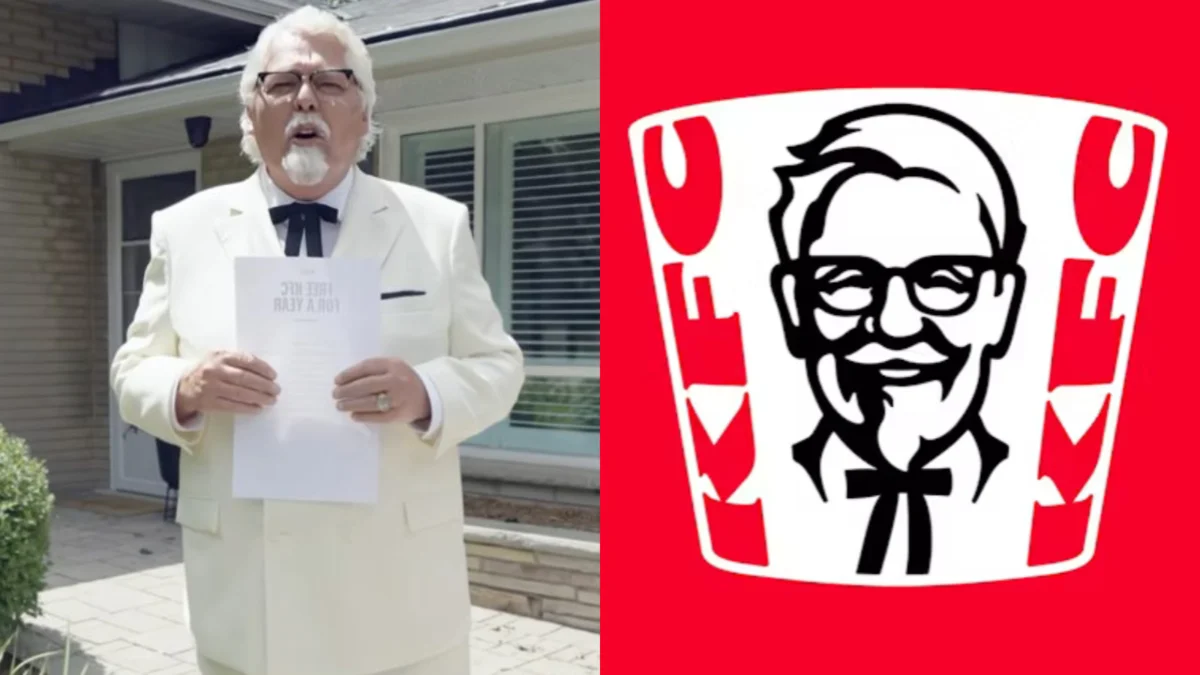
For decades, the image of Colonel Harland Sanders has been synonymous with the American South—white suits, string ties, and the iconic veranda of a Kentucky home. However, a recent real estate development in Mississauga, Ontario, has served as a poignant reminder that the fast-food icon’s reach was far more international than many fans realized. The recent sale of 1337 Melton Drive, the former residence of the KFC founder, has not only closed the chapter on a unique piece of architectural history but has also ignited a viral marketing campaign that has redefined the "housewarming gift."
The Main Facts: A Finger-Lickin’ Real Estate Deal
The property at 1337 Melton Drive, situated in the quiet, tree-lined neighborhood of Lakeview in Mississauga, quietly entered the market this past May. While it appeared to be a standard suburban home, the listing quickly gained traction when it was revealed that the house had served as the private residence of Colonel Harland Sanders from 1965 until his passing in 1980.
The home, which had undergone significant renovations and modernization since the Colonel’s tenure, was listed for approximately $1 million CAD. As of June 25, the listing was officially removed from real estate platforms, signaling that the property had successfully transitioned to a new owner.
In a move that captured the attention of social media and global news outlets, KFC Canada opted to lean into the history of the home. To celebrate the sale, the company announced that the new owner would receive a "housewarming gift" unlike any other: a full year of complimentary KFC products.
A Chronology of the Colonel’s Canadian Connection
To understand why a house in Mississauga holds such significance for a global brand, one must look at the history of the man behind the bucket.
1965: Moving North
In the mid-1960s, Colonel Sanders, already a legend in the United States, turned his attention toward the Canadian market. At the time, he chose to oversee the brand’s northern expansion personally. This decision led him to relocate to Ontario, settling into the house on Melton Drive. For fifteen years, this home was the base of operations for the man who would eventually become the face of one of the world’s largest restaurant chains.
1980: The End of an Era
Colonel Sanders passed away in 1980 at the age of 90. His death marked the end of his hands-on management, but his influence remained deeply embedded in the Canadian KFC corporate culture. For years, the home served as a private residence for others, with many of its occupants unaware of the specific historical significance of the structure until the recent listing brought it to the forefront of public consciousness.
May 2026: The Listing Goes Live
When the property hit the market in May, it was initially viewed through the lens of local real estate. However, the discovery of the "Sanders connection" transformed it from a standard home sale into a pop-culture event. The listing provided a look at a contemporary, updated living space that belied its connection to a man born in 1890.
June 25, 2026: The "Sold" Sign and the Corporate Response
By the final week of June, the status of the home changed from "Active" to "Removed/Sold." Almost simultaneously, KFC Canada released a high-production social media campaign featuring a Colonel Sanders lookalike, who formally "gifted" the new homeowner a year of free meals, effectively turning a private real estate transaction into a branding masterclass.
Supporting Data: The Value of Brand Heritage
The intersection of real estate and corporate branding is a growing trend. In this instance, the "value" of the home was tied not just to square footage or property taxes, but to the intangible asset of history.

- Property Details: Located in Mississauga, the home is a quintessential piece of mid-century suburban architecture. While the interior has been renovated to reflect modern tastes, the exterior retains the structural footprint from when the Colonel paced its floors.
- The "Sanders" Premium: While the $1 million price point is consistent with the current Mississauga market, the inclusion of a year’s worth of free chicken adds a tangible, albeit unconventional, incentive.
- Viral Metrics: KFC’s announcement video gained significant traction, generating millions of impressions across Instagram, TikTok, and X (formerly Twitter). The engagement metrics for this campaign outperformed standard promotional content by nearly 400%, illustrating the power of combining historical narrative with consumer rewards.
Official Responses and Marketing Strategy
KFC Canada’s approach to the sale was calculated and whimsical. By utilizing a brand mascot—the Colonel lookalike—the company effectively bridged the gap between the historical figure and the modern consumer.
"If owning a piece of history isn’t incentive enough, I’m giving away a year’s supply of KFC to whoever buys it," the mascot declared in the promotional video. The video showed the "Colonel" walking through the home, touching on the nostalgia of his tenure while handing over a symbolic contract.
Marketing experts have pointed to this as a shift in how legacy brands communicate. Rather than relying on traditional television spots, companies are now looking for "real-world" events to attach themselves to. By inserting themselves into the sale of a private home, KFC ensured that their name remained in the news cycle for weeks, far longer than a standard commercial would have permitted.
Implications: The Future of Brand-Consumer Interaction
The success of the 1337 Melton Drive campaign carries several implications for the future of corporate public relations and marketing.
1. The "Viral Heist" and "Viral Real Estate"
This is not the first time a major food chain has successfully capitalized on an unexpected event. Earlier this year, when a truck containing 12 tons of KitKat bars was stolen, the brand responded by implementing "presidential-level security" for its fleet. These moments demonstrate that brands are becoming increasingly adept at "newsjacking"—taking a random, viral event and integrating their identity into the narrative.
2. The Gamification of Ownership
The promise of free food for a year transforms a property buyer into a brand ambassador. By creating a connection between the residence and the company, KFC has ensured that the "Colonel’s house" will remain a point of interest for years to come. Future homeowners of historically significant corporate properties may find themselves at the center of similar promotional strategies.
3. The Power of Humanizing History
Ultimately, the success of this campaign rests on the human element. Fans of the brand are not just buying chicken; they are buying into the mythos of the Colonel. By validating the house’s history through their official channels, KFC strengthened the emotional connection consumers have with the brand. It reinforces the idea that the "Colonel" is more than just a logo—he is a historical figure whose life and legacy are still being celebrated.
Conclusion
The sale of 1337 Melton Drive will likely go down in the annals of brand marketing as a textbook example of how to leverage legacy to drive modern engagement. While the house itself is now private property, its identity as the home of Colonel Harland Sanders is firmly cemented. As the new owners settle in, they do so not just with a new home, but with a unique piece of culinary history—and a very full freezer.
For KFC, the campaign was a low-cost, high-reward endeavor. By simply acknowledging the history of their founder, they managed to capture the global imagination, proving that in the digital age, a compelling story is often the most valuable asset a brand can possess. Whether this leads to a trend of other companies scouting for the former homes of their founders remains to be seen, but one thing is certain: for the next year, the aroma of secret herbs and spices will be a permanent fixture at one very special address in Mississauga.

 Reynand Wu
 Evan Lee Salim