Laily UPN
Main Facts: The Culmination of the Diablo Saga
Diablo 4: Lord of Hatred has arrived, serving as the grand, high-stakes conclusion to the narrative arc that began with the base game’s launch. While Blizzard Entertainment has weathered a turbulent journey through its live-service seasons—marked by both critical acclaim and community-driven backlash—Lord of Hatred stands as an undeniable triumph. It is not merely an expansion; it is a fundamental recalibration of the Diablo 4 experience, proving that the franchise remains the gold standard for ARPG production values and tactile combat.
The expansion introduces the legendary Skovos Isles, a region steeped in lore as the birthplace of humanity’s progenitors. Alongside this new locale, the game introduces the highly complex Warlock class and integrates the previously released Paladin, rounding out a roster that finally offers the depth and variety veteran players have demanded since 2023.
Chronology: From Vessel to Hatred
The narrative trajectory of Diablo 4 has been a winding road. Following the base game’s gripping confrontation with Lilith, players were introduced to Vessel of Hatred. While that expansion succeeded in introducing the innovative Spiritborn class, it was widely criticized for a lackluster, inconsequential narrative that felt more akin to a side quest than a major expansion.
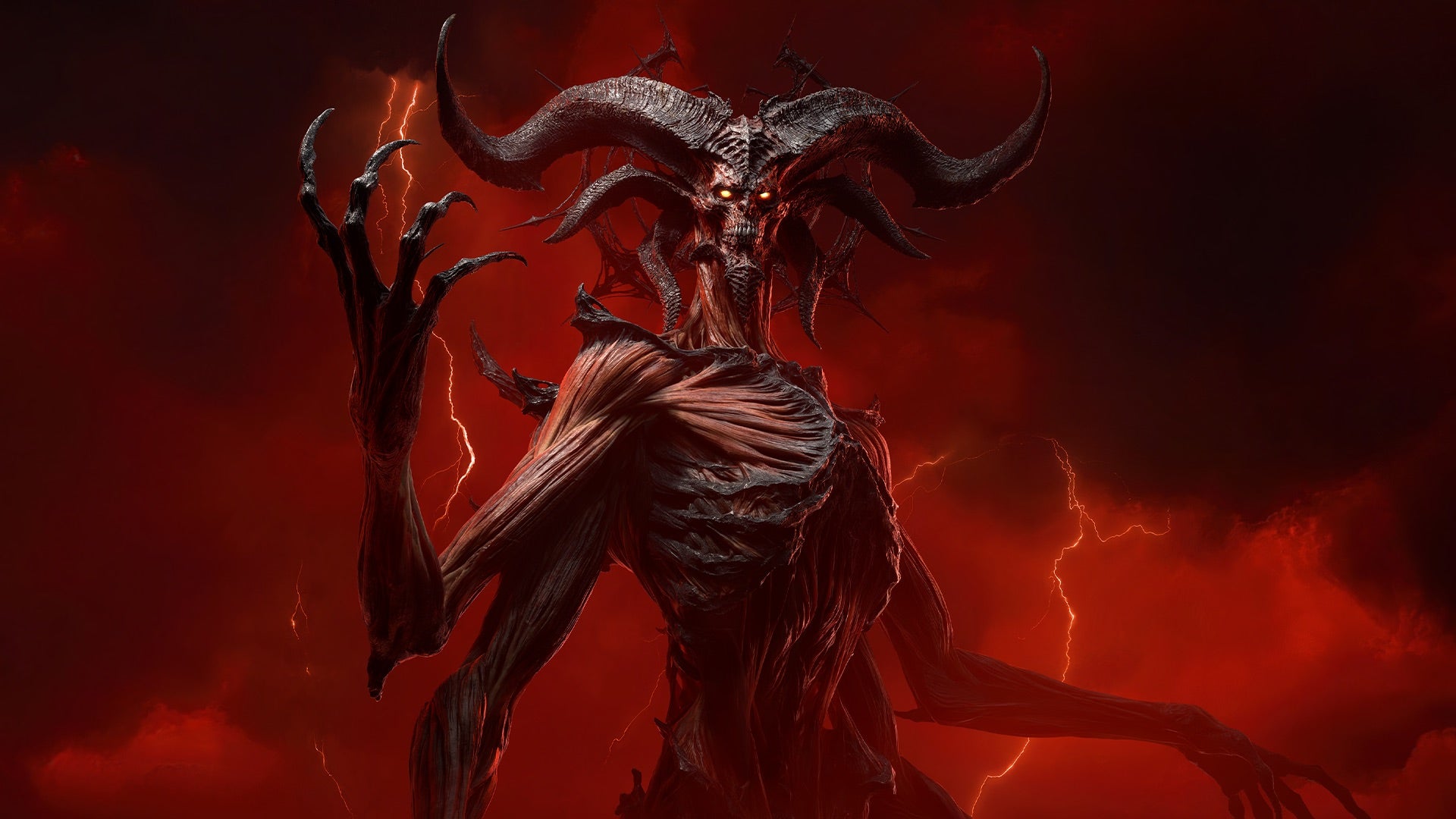
Lord of Hatred picks up immediately following the events of Vessel of Hatred. Neyrelle, still haunted by the burden of containing Mephisto, the Lord of Hatred, within the Soulstone, finds herself isolated in the Skovos Isles. This setting, heavily inspired by Mediterranean aesthetics and the mythological roots of Amazonian culture, provides the perfect backdrop for the expansion’s darker, more personal stakes. By shifting the focus from grand demonic warfare to the intimate, internal struggles of its characters—most notably a de-powered, vulnerable Lilith—Blizzard has crafted a story that feels both expansive and deeply human.
Supporting Data: World-Building and Mechanical Depth
The Skovos Isles are not just a fresh coat of paint; they represent a significant leap in environmental storytelling. Drawing inspiration from Greek architecture and the legendary island of Themyscira, Skovos offers a blend of red-tiled roofs, crumbling stucco, and ancient stone ruins that feel distinct from the grit of Kehjistan or the swampy mires of Hawezar.
The New Frontier: Classes and Customization
The introduction of the Warlock class is a bold move. Occupying a niche as a hybrid summoner-caster, the Warlock is a "wretched spawn" of the Necromancer and Sorcerer archetypes. It demands a high skill ceiling, forcing players to manage complex rotations and sacrifice minions for tactical advantage.

Meanwhile, the inclusion of the Paladin—which saw a surprise shadow-drop in December—finally bridges the gap for players who felt the absence of a traditional sword-and-board archetype. With the addition of the Talisman system and the return of the fan-favorite Horadric Cube, players now have more agency than ever to tweak affixes, upgrade rarity, and customize their builds beyond the traditional reliance on "lucky drops."
Endgame Evolution: War Plans
Perhaps the most significant mechanical shift is the "War Plans" system. Addressing the repetitive nature of the endgame, War Plans allow players to curate playlists of endgame activities. This system gamifies the grind, rewarding players for completing structured, user-defined content cycles. This creates a satisfying feedback loop that encourages players to engage with diverse dungeons and activities, providing a clear path to progression that feels rewarding rather than punitive.
Official Responses and Developer Intent
Blizzard has remained largely quiet regarding the specific criticisms of the previous expansion, Vessel of Hatred, but the structural choices in Lord of Hatred read like a systematic apology. By streamlining the narrative, focusing on character arcs, and introducing complex endgame mechanics, the developers have clearly listened to the feedback regarding "fluff" and lack of progression depth.

In internal discussions, designers have emphasized that the level cap increase to 70 and the overhaul of the talent trees were designed to "democratize" power. By moving legendary-locked abilities into the core skill tree, Blizzard is ensuring that all players, regardless of their luck with randomized loot, have access to the build-defining powers that make the Diablo experience so addictive.
Implications: The Future of the Sanctuary
The conclusion of Lord of Hatred carries profound implications for the future of the franchise. It is a definitive, no-punches-pulled finale that effectively closes the book on the current cycle of the Diablo conflict. By being willing to "kill its darlings" and bring closure to long-standing character arcs, Blizzard has cleared the slate for whatever comes next.
Aesthetic and Narrative Impact
The cinematics within Lord of Hatred represent a new high-water mark for the studio. The direction and shot composition elevate the story beyond typical video game fare, turning the final boss encounter into a masterclass in mechanical and thematic integration. This expansion proves that when Blizzard leans into its strengths—dark fantasy, visceral combat, and high-stakes drama—there is no other ARPG that can compete.

The "Apology" Expansion
For the player who felt alienated by the live-service stumbles of Seasons 4 through 8, Lord of Hatred is a return to form. It manages to feel like a "love letter" to the series’ roots while simultaneously pushing the genre forward with its new endgame systems. The shift from the "forgettable" nature of the previous expansion to the "eventful" intensity of Lord of Hatred highlights a studio that is finally finding its rhythm in a post-launch environment.
Final Assessment: Is It Essential?
The final verdict for Diablo 4: Lord of Hatred is simple: it is an essential purchase for any fan of the genre. Whether you are in it for the 30+ hours of narrative content, the thrill of mastering the high-maintenance Warlock, or the satisfaction of finally optimizing your gear through the Horadric Cube and War Plans, the expansion delivers on every front.
It is a rare example of a live-service product that uses an expansion not just to add content, but to fundamentally fix and improve the base game. By balancing spectacular, heartbreaking cinematics with a tighter, more rewarding progression loop, Blizzard has created an experience that will likely be remembered as the definitive version of Diablo 4. As the credits roll, it becomes clear: the Lord of Hatred has left a mark on the series that will not soon be forgotten.

The game is no longer just a service; it is a cohesive, evolving world that finally feels complete. For those who stayed through the rocky seasons, this is the payoff. For those who stepped away, this is the reason to return.


 Asro
Asro
 Muslim