

For the average motorist, the intricate mechanical systems of a vehicle often remain a mystery until something goes wrong. Among the most critical, yet frequently overlooked, aspects of vehicle maintenance is wheel alignment. While it may not carry the same immediate urgency as a smoking engine or a dead battery, proper wheel alignment is the cornerstone of vehicle safety, tire longevity, and fuel efficiency.
Understanding the costs associated with this service and recognizing the symptoms of misalignment can save drivers thousands of dollars in premature tire replacements and suspension repairs. This guide explores the financial landscape of wheel alignment, the factors that drive pricing, and the essential diagnostic signs every driver should know.
Main Facts: The Basics of Wheel Alignment
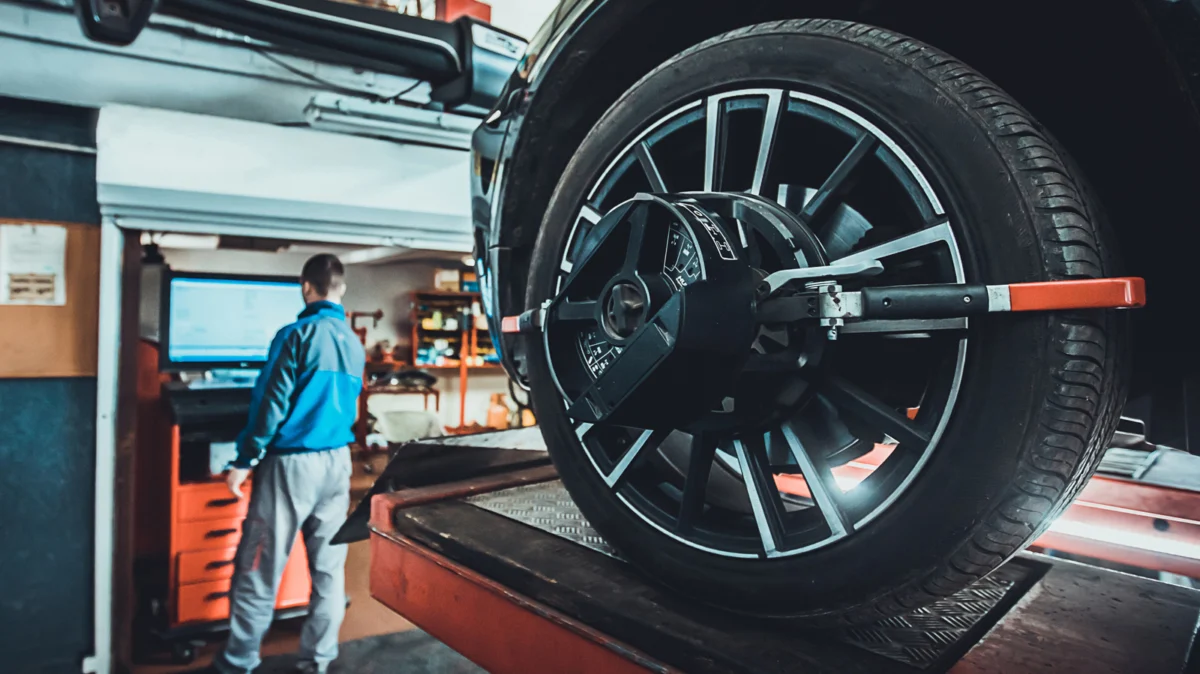
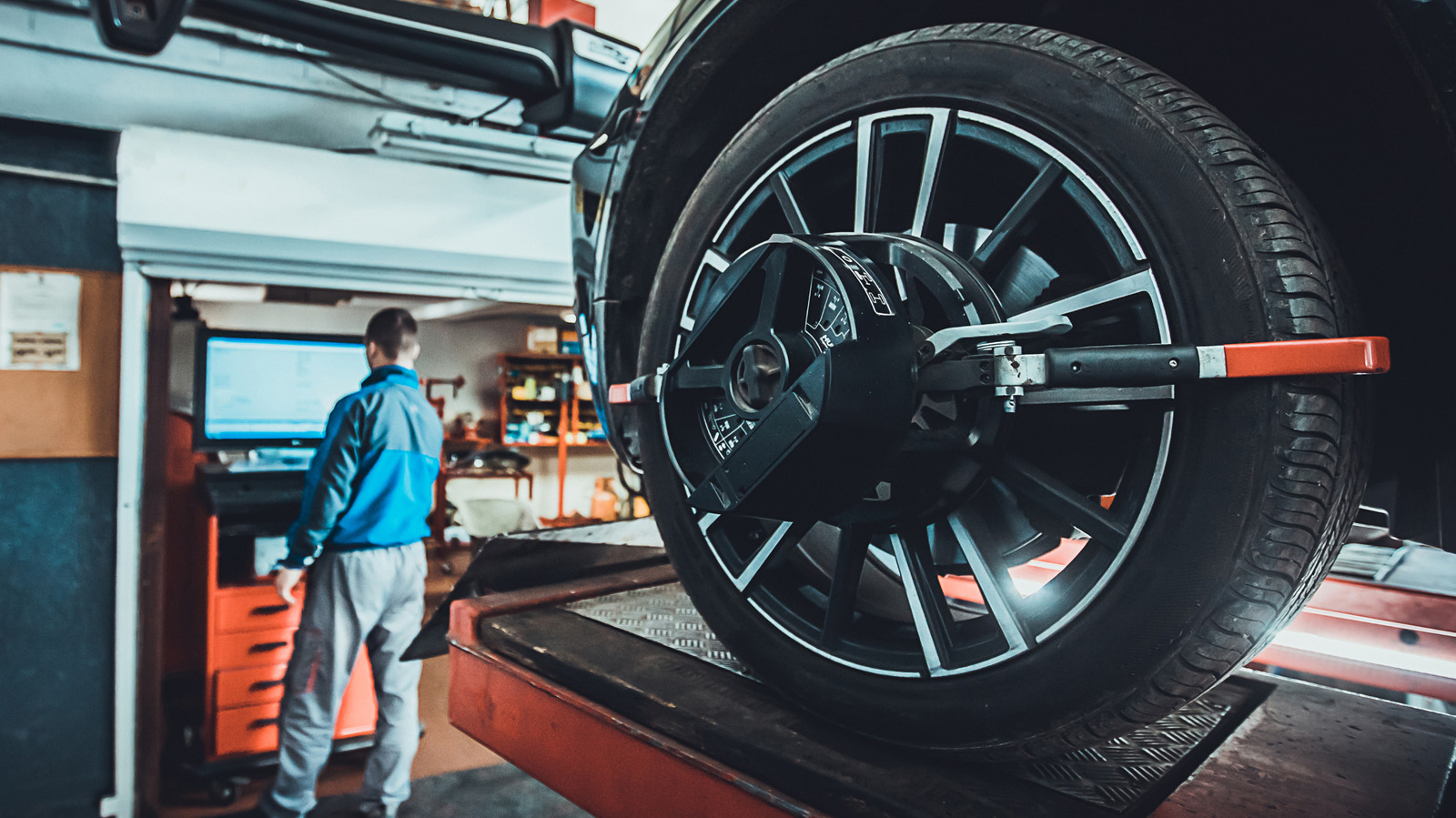
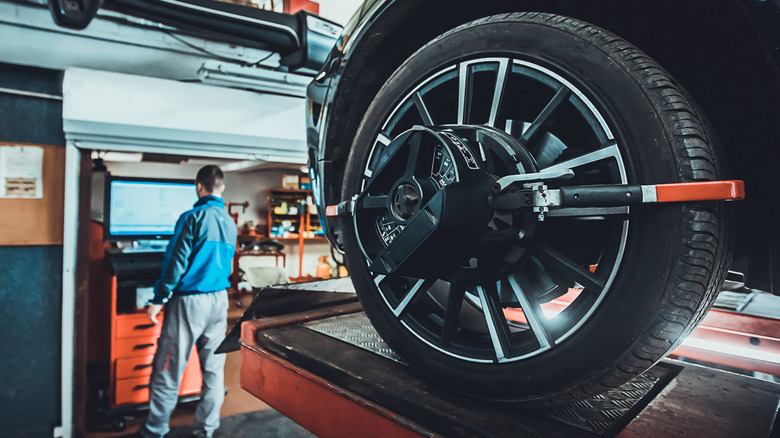
At its core, wheel alignment—often referred to as "tracking"—is a precise technical process that adjusts the angles of your vehicle’s wheels so that they are set to the manufacturer’s specifications. Contrary to popular belief, it is not the wheels themselves that are adjusted, but rather the suspension components that connect the wheels to the vehicle.
The primary goal of this service is to ensure that the tires make contact with the road at the optimal angle, reducing friction and ensuring that the vehicle tracks straight without pulling to the left or right. Standard practice dictates that a vehicle should undergo an alignment check at least once every 12,000 to 15,000 miles, or approximately once a year. However, if you frequently traverse rough terrain, encounter significant potholes, or are involved in minor collisions, your vehicle may require attention much sooner.
The Financial Breakdown
For most standard daily drivers, such as sedans, crossovers, and SUVs, wheel alignment is relatively affordable.
- Front-End (Two-Wheel) Alignment: Typically priced between $50 and $100. This service is generally reserved for older vehicles or trucks with solid rear axles that do not require rear adjustment.
- Four-Wheel Alignment: Standard for most modern vehicles with independent suspension systems. Prices usually range from $100 to $175.
While these figures serve as a baseline, the automotive industry is not immune to price fluctuations based on geography, labor rates, and the complexity of the specific vehicle model.
Chronology: When and Why You Need Service
The need for an alignment is rarely sudden; it is a cumulative issue that progresses over time. By tracking the timeline of your vehicle’s health, you can proactively manage your maintenance budget.
Phase 1: The Initial Deviation (0–6 Months Post-Alignment)
Immediately following a professional alignment, your vehicle should exhibit precise steering and even tire wear. If you notice a "pull" within weeks of a service, it is often a sign of an improper initial adjustment or a hidden suspension issue that was overlooked.
Phase 2: The "Silent" Wear (6–12 Months)
During this period, if your alignment is slightly off, you may not feel a significant change in driving dynamics. However, the tires are likely scrubbing against the pavement at an improper angle. This is the stage where "feathering" of the tire tread begins—a condition that can only be identified by running your hand across the tread blocks to feel for uneven, jagged edges.
Phase 3: Manifestation of Symptoms (12+ Months)
Once the alignment has drifted significantly, the symptoms become impossible to ignore. The steering wheel may be off-center while driving straight, the vehicle may veer sharply, or you may experience audible squealing from the tires during low-speed turns. At this point, the financial cost has moved beyond a simple alignment fee to potentially include the cost of replacing a set of prematurely ruined tires.
Supporting Data: Factors Influencing Service Costs
While the price ranges provided earlier cover the majority of vehicles, several variables can shift the final invoice significantly.
1. Vehicle Complexity and Exotic Suspensions
Luxury, sports, and performance vehicles often feature highly specialized suspension geometries. These vehicles may require proprietary diagnostic equipment or additional labor time to reach the adjustment points. In some cases, adjusting the rear suspension on a high-end vehicle requires the removal of interior trim or underbody shielding, which naturally increases labor costs.
2. The "Hidden" Repair: Suspension Integrity
A mechanic cannot properly align a vehicle if the suspension components are compromised. If you have worn-out ball joints, loose tie-rod ends, or sagging bushings, an alignment will be ineffective. In these instances, the shop will identify these mechanical failures before proceeding. Replacing these parts is an additional expense, but it is a necessary one; attempting to align a vehicle with broken suspension is akin to building a house on a sinking foundation.
3. Service Provider Tiers
- Independent Mechanics: Often the most cost-effective option, offering personalized service and competitive rates.
- Dealerships: While typically the most expensive, they offer the assurance of manufacturer-trained technicians and specialized tools designed specifically for your vehicle’s make and model.
- National Tire Chains: These outlets often offer "Lifetime Alignment" packages. While the upfront cost is higher (sometimes $200–$300), the value is realized if you plan to keep the vehicle for several years and require frequent adjustments due to local road conditions.
Official Industry Perspectives: The Importance of Maintenance
According to automotive service associations and tire manufacturers, the "alignment-tire wear" correlation is one of the most critical safety metrics in the industry.
"A wheel alignment is not merely a comfort adjustment," says one lead service technician at a major regional repair network. "It is a safety feature. When your tires are not contacting the road as designed, your vehicle’s braking distance is compromised, and its handling during emergency maneuvers—such as swerving to avoid an obstacle—becomes unpredictable. The cost of an alignment is pennies on the dollar compared to the cost of a collision or the replacement of a $1,000 set of performance tires."
Official service manuals emphasize that alignment specs are not suggestions; they are engineering requirements. Deviating from these settings by even a fraction of a degree can lead to "doglegging," where the rear wheels do not follow the path of the front wheels, creating an unstable driving platform.
Implications: The Long-Term Impact on Vehicle Health
Ignoring the need for a wheel alignment has a ripple effect that extends throughout the vehicle’s ecosystem.
Fuel Efficiency
When wheels are misaligned, they create increased rolling resistance. Your engine must work harder to push the vehicle forward, which directly correlates to a decrease in fuel economy. While the impact per mile may seem negligible, over the course of 15,000 miles, the added fuel consumption can easily outweigh the cost of the alignment itself.

Steering and Suspension Strain
Misalignment places undue stress on the steering rack, power steering pump, and wheel bearings. By forcing the vehicle to travel in a straight line against the geometry of the wheels, you are essentially "fighting" the car every mile you drive. Over time, this accelerates the wear and tear on these expensive components, leading to a much higher cost of ownership.
Resale Value
A well-maintained vehicle is a valuable asset. During a pre-purchase inspection, a potential buyer will look at the tires. If the tires show uneven "cupping" or "camber wear," it serves as a red flag that the vehicle has been poorly maintained. A simple alignment record can act as proof of responsible ownership, helping to maintain the vehicle’s market value.
Conclusion: A Proactive Approach
Wheel alignment is an essential, cost-effective maintenance task that serves as a hedge against more significant automotive problems. By understanding the average price points, recognizing the early symptoms of misalignment, and choosing a reputable service provider, drivers can ensure their vehicles remain safe, efficient, and reliable.
If you find yourself experiencing a wandering steering wheel, an off-center steering column, or visible, uneven tread wear, do not wait for the situation to escalate. Schedule an alignment check. It is one of the few services in the automotive world that pays for itself through increased fuel savings and extended tire life. Stay vigilant, listen to what your car is telling you, and prioritize the precision that keeps you safely on the road.











