For the modern Apple user, the "digital footprint" is no longer just a metaphor—it is a tangible weight. As iPhone camera sensors push for higher resolution, 4K and 8K video recording become standard, and Mac projects balloon in size, the internal storage of our devices is perpetually pushed to its limit. For years, the industry standard has been the monthly subscription model, a convenient but relentless "renting" of digital space that can, over time, cost thousands of dollars.
As of late June 2026, a shift is occurring in how power users manage their data. With the launch of its 4th of July promotion, Swiss-based cloud service pCloud is aggressively marketing an alternative to the recurring billing cycle: the Lifetime storage model. By paying once, users secure a permanent home for their data, a move that is gaining traction among those looking to simplify their finances and reclaim control over their digital archives.

Main Facts: The End of Monthly Storage Fees
The core value proposition of the current pCloud promotion is simple but disruptive: pay a one-time fee for a lifetime of cloud storage. Unlike traditional providers that lock users into perpetual monthly or annual contracts, this model treats cloud storage as a capital investment rather than a recurring utility bill.
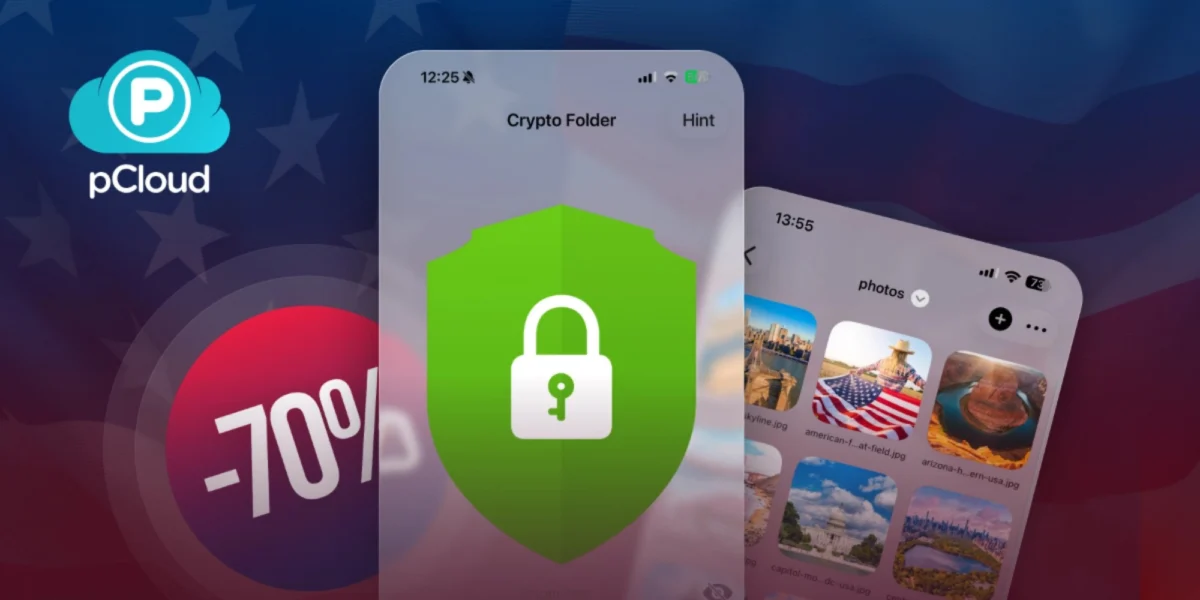
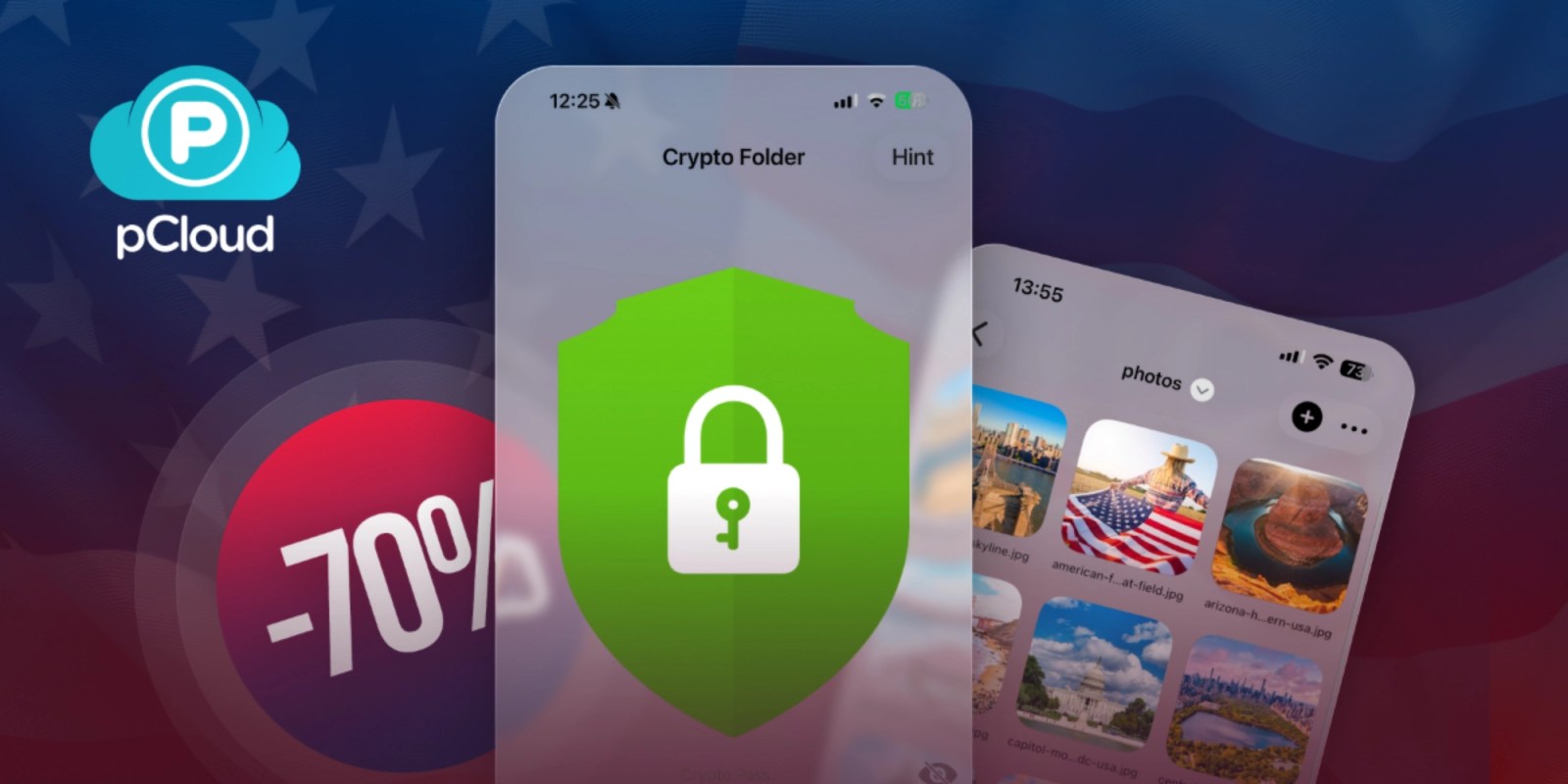
For a limited window—running from June 29 through July 8, 2026—pCloud is offering up to 70% off its Individual Lifetime plans. This encompasses storage tiers ranging from 1 TB to a massive 10 TB, catering to everything from casual smartphone backups to professional-grade creative archives. Perhaps most importantly, the company has bundled its "pCloud Encryption" service into these lifetime packages at no additional cost. This ensures that users are not just buying space, but also a zero-knowledge security environment that remains active for as long as the account exists.
Chronology of the Shift Toward "Owned" Data
The rise of the "Subscription Economy" has seen consumers paying for everything from software suites to entertainment libraries. However, 2025 and 2026 have marked a point of "subscription fatigue."
- Mid-2024: Cloud storage providers began raising prices across the board, citing increased data center maintenance costs and the rising demand for AI-driven indexing, which consumes significant server resources.
- Early 2025: A notable segment of the Apple ecosystem—specifically professional photographers and video editors—began voicing concerns over the "dead-end" nature of cloud subscriptions. If a payment lapses, data access is immediately throttled or cut off, leading to risks of data loss.
- Late 2025: Market data indicated a 15% increase in interest for non-subscription, one-time payment software and storage solutions, signaling a consumer desire to return to an "ownership" model.
- June 29, 2026: pCloud officially launched its 4th of July promotion, marking one of the most aggressive efforts to date to convert long-term subscribers of other platforms into lifetime users.
- July 8, 2026: The scheduled conclusion of the promotion, after which the current discounted lifetime pricing is expected to return to standard rates.
Supporting Data: Why Apple Users Are Moving to pCloud
The integration of cloud services into the Apple workflow is often a friction-filled experience. iCloud is seamless but becomes prohibitively expensive at the 2 TB and 6 TB tiers. Furthermore, for users who work across platforms—such as a Mac at the office and a Windows machine or Linux server at home—the walled garden of Apple’s ecosystem can sometimes feel restrictive.

The Technical Edge
pCloud distinguishes itself through its "pCloud Drive" implementation on macOS. Unlike browser-based storage, pCloud Drive mounts as a virtual local drive. For a MacBook user with a 512 GB SSD, this is a game-changer. It allows the user to access files, edit them, and manage complex project folders without them occupying the precious physical space on the internal drive.
Media Management
One of the most critical aspects of the service is the "pCloud Photos" engine. It addresses the common pain point of fragmented photo libraries. By automatically syncing the Camera Roll from an iPhone, the service creates a timeline-based, searchable gallery that functions as an independent, secondary "Photos" app. With built-in tools to edit, crop, and filter photos, as well as an integrated media player for audio and video streaming, it functions more like a personal media server than a simple file cabinet.

Official Stance: Privacy and Security as a Pillar
The "zero-knowledge" encryption offered by pCloud is not just a marketing buzzword; it is a fundamental architectural choice. In the context of the 2026 digital landscape, where data privacy is under constant scrutiny, the "zero-knowledge" promise means that pCloud staff cannot access, view, or decrypt user files.
The encryption happens on the client side—the user’s device—before the file even touches the server. Even if a government entity or a malicious actor were to gain access to the raw data on the server, the files would remain encrypted, indecipherable, and useless without the user’s master key. By including this as a free, lifetime feature, pCloud is positioning itself as a "privacy-first" alternative for users who hold sensitive financial records, legal documents, or proprietary creative work.

Implications: The Long-Term Financial Impact
When analyzing the cost-benefit ratio of the lifetime model, the numbers are compelling.
- The "Break-Even" Point: A standard mid-tier cloud storage subscription typically costs between $10 and $20 per month. Over the course of five years, a user might spend between $600 and $1,200. By paying for a lifetime license at a discounted rate, many users find that the service pays for itself within 18 to 24 months.
- Asset Ownership: In an era where digital content is becoming more valuable, the ability to store terabytes of data for a one-time fee provides a hedge against inflation. Even if storage costs rise in the broader market, the lifetime user is shielded from these increases.
- Workflow Continuity: The most significant implication is the removal of the "subscription loop." By eliminating the threat of losing access to data due to a missed credit card payment, users can maintain a more stable, long-term digital architecture for their family photos, student projects, or freelance businesses.
Strategic Integration for the Apple User
For those entrenched in the Apple ecosystem, adopting pCloud does not require abandoning iCloud. Many power users utilize a hybrid approach: keeping iCloud for device backups and "system-level" settings (like Keychain and Messages), while offloading their massive, heavy-duty file storage—raw video footage, RAW photo files, and expansive document archives—to the pCloud lifetime drive.

This separation of concerns ensures that the primary Apple devices remain fast and responsive, while the "heavy lifting" of massive storage is handled by a dedicated, permanent, and secure cloud repository.
Conclusion: A Limited Opportunity
As the June 29 to July 8, 2026, promotion window draws to a close, the focus for many remains on whether the lifetime model will continue to be a sustainable business practice for the industry. For now, it remains one of the few ways to effectively "buy" one’s way out of the monthly subscription cycle.

For the Apple user who is tired of the notification that their "iCloud Storage is Full," the pCloud lifetime offer represents more than just extra gigabytes; it represents a return to the idea of digital autonomy. By consolidating files into a secure, encrypted, and permanent home, users can finally stop worrying about the meter running and start focusing on what they are actually creating, storing, and sharing.
Disclaimer: This article contains affiliate links. As part of our commitment to transparency, we note that 9to5Mac may earn a commission on purchases made through these links. We encourage readers to review the full terms and conditions of the pCloud service before making a purchase.