

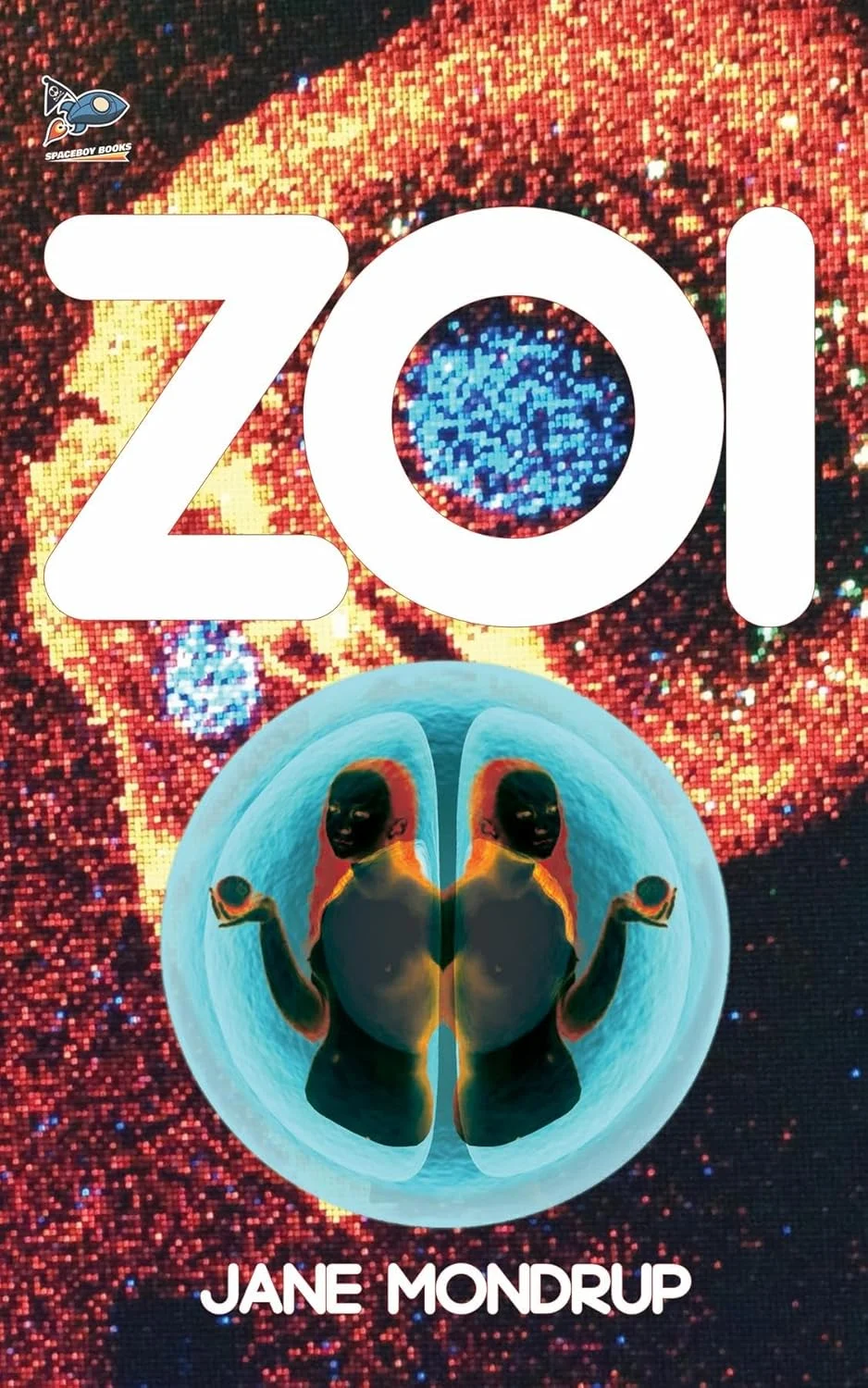
In the long, storied history of science fiction, few tropes are as enduring or as fraught with preconceptions as the arrival of the mysterious extraterrestrial vessel. From the dawn of the genre, the "Big Dumb Object" has served as a canvas for human ambition, fear, and curiosity. However, in Jane Mondrup’s new novel, Zoi, this trope is not merely subverted—it is biologicalized, internalized, and profoundly unsettled.
Zoi follows the arrival of a series of enigmatic, space-faring entities that enter our solar system, linger, and eventually depart, leaving humanity in a state of desperate, hungry wonder. These entities, the titular "zoi," are not the cold, metallic artifacts of Arthur C. Clarke’s Rendezvous with Rama; they are living, breathing, and alarmingly responsive biological organisms. As the novel hits shelves, it invites readers to reconsider the boundary between explorer and environment, and the terrifying, intimate costs of humanity’s reach for the stars.
The Anatomy of the Unknown: Main Facts
At the heart of the narrative is the protagonist, Amira, a researcher who has spent her entire life obsessed with the zoi. The novel’s premise rests on a tantalizing scientific possibility: the zoi are the key to unlocking interstellar travel. Unlike the dead structures of traditional space opera, the zoi are giant, space-borne entities that bear a closer resemblance to amoebae than to spacecraft.
Key attributes of the zoi include:
- Biological Structure: They are composed of cytosol-like fluids, organelles, and semi-permeable membranes.
- Responsive Hospitality: While they remain indifferent to standard robotic probes, they show an immediate, physical reaction to human contact. Upon touch, they form cavities; when humans enter their interior, they synthesize breathable atmospheres by creating air pockets within their fluid.
- The One-Way Mission: The central conflict follows Amira and her three crewmates—Kiah, Evardo, and Linn—as they embark on a permanent, voluntary voyage inside a departing zoi, fully aware that they have zero control over their destination or their return.
A Life-Long Obsession: The Chronology of Discovery
The narrative structure of Zoi is bifurcated, moving between the claustrophobic, immediate present of the voyage and the decades of longing that defined Amira’s past.
The Early Years:
The reader is introduced to a five-year-old Amira, witnessing the arrival of the first zoi. Her childhood fascination serves as the catalyst for her entire life’s trajectory. This obsession eventually requires the shedding of her past life, including a deep, loving relationship with her partner, Natan. The novel posits that the "dream of humanity" comes with a personal price tag, forcing Amira to abandon familial and romantic ties to pursue the ultimate scientific objective.
The Present Departure:
In the "now" of the story, the stakes are elevated. The crew is drifting further from Earth, severed from real-time communication. They have become the first human subjects to live inside a living, alien entity. The chronological contrast highlights a harrowing truth: Amira’s childhood dream was based on an idealized, anthropomorphized view of the zoi, a perspective that crumbles as the biological reality of the creature begins to exert influence over her own physiology.
The Biological Imperative: Supporting Data and Themes
While the novel features the trappings of space exploration, its core is a study of biological entanglement. Mondrup moves away from "hard" SF technical jargon, focusing instead on the physiological and psychological toll of living within a non-human, alien environment.
The Erosion of Self
As the crew spends more time within the zoi, they realize that the relationship is reciprocal. The zoi adapts to them, but they, in turn, are being rewritten by the zoi. This is characterized by:
- Hormonal and Cellular Shifts: Crew members experience unexplained mood swings, bouts of sickness, and powerful, alien impulses.
- Psychological Dissonance: Amira’s struggle is one of extreme self-alienation. She is forced to confront the reality that her "autonomy" is an illusion when her very biology is responding to the stimuli of the zoi.
- The Conflict of Perspectives: The crew is divided by their reactions. Kiah, the psychologist, accepts the adaptation with efficiency. Linn, the biotech expert, struggles as her body mounts an immune response against the alien influence. Amira’s oscillation between these two poles reflects the human struggle to accept that we are not the masters of our environment, but rather subjects within a larger, incomprehensible system.
The Scientific and Philosophical Implications
Mondrup uses the setting of Zoi to critique the "mid-century explorer" mindset—the idea that humans can encounter a vast, alien intelligence and treat it as a resource to be categorized, utilized, and conquered.
The Failure of Anthropocentrism
Amira begins her journey with a mission to synthesize human-model technology from the zoi’s biological material. She views the creature as an object—a means to an end. This echoes the colonialist scientific paradigms found in classics like Rendezvous with Rama, where the alien structure is an empty, passive theater for human discovery.
However, Zoi forces a shift in this perspective. When Kiah suggests that the air-filled rooms the zoi has created for them might be "harmful" to the creature, Amira experiences a deep, visceral discomfort. The realization that they are an invasive species—a pathogen of sorts—within the zoi’s biology shatters the narrative of the noble explorer.
Interdependence and Ethics
The novel asks: Why should communication be limited to speech? By focusing on hormonal, cellular, and environmental interactions, Mondrup suggests that human-centric definitions of "intelligence" and "sentience" are fundamentally flawed. The zoi is not "evil" or "sinister"; it is simply, profoundly, and non-humanly other. The ethical dilemma presented is whether we have the right to alter the environments we inhabit, even if those environments are extraterrestrial.
Critical Reception and Artistic Style
Zoi has been noted for its "stage-play" intimacy. By constraining the cast to four people and keeping the setting limited to the interior of a singular organism, Mondrup maintains a tension that is both psychological and existential.
The prose style is intentionally sparse. There is little time spent on hyper-technical "technobabble," which allows the reader to focus on the emotional reality of the characters. As the mystery of the zoi deepens, the narrative pace accelerates, mirroring the mounting dread and awe of the crew.
Why It Matters
For readers weary of the standard "alien invasion" or "first contact" tropes, Zoi offers a refreshing, albeit unsettling, alternative. It rejects the idea that we can maintain our identity when confronted with the truly alien. It suggests that if we ever do reach the stars, we will not do so as the victors of a scientific conquest, but as biological entities subject to the same processes of change and adaptation as every other living thing in the cosmos.
Ultimately, Zoi is a meditation on the cost of our curiosity. It asks if the "fulfillment of a dream for all of humanity" is worth the loss of the self, and if we are truly prepared for a future where we are no longer the ones defining the terms of engagement. Jane Mondrup has not just written a story about space travel; she has written a story about the fragility of human perspective in an uncaring, infinite universe. It is a must-read for anyone who has ever looked up at the stars and wondered, not just what is out there, but what we would become if we actually dared to join them.










No comments yet. Be the first to join the conversation!