Lina Hope
The Great Superhero Fatigue: A Genre at a Crossroads
For over a decade, the cinematic landscape has been dominated by the sprawling, interconnected tapestry of the superhero genre. However, the current climate suggests that the honeymoon phase has officially ended. Recent commercial underperformers—such as Eternals, The Marvels, and *Thunderbolts*—have signaled a tectonic shift in audience appetite. This disillusionment reached a fever pitch with the catastrophic box office performance of Supergirl, which debuted to numbers reminiscent of the widely panned Joker: Folie à Deux*.
While industry analysts once viewed major franchise installments like the upcoming Avengers: Doomsday as guaranteed billion-dollar windfalls, that assumption is now being met with significant skepticism. The primary culprits behind this decline are clear: oversaturation, a reliance on repetitive "samey" formulas, and a sense of creative stagnation. Even the Disney+ series, which were initially pitched as expansive opportunities for storytelling, have largely functioned as "homework" for the feature films rather than distinct creative ventures. In this landscape of homogeneity, only a rare few, such as the surrealist-leaning Wonder Man, have dared to break the mold. Yet, looking back, there was one show that stood apart long before the current fatigue set in: Noah Hawley’s Legion.
A Chronology of a Cult Classic
Legion premiered on FX on February 8, 2017, at a moment when the Marvel Cinematic Universe was at the peak of its powers, hurtling toward the monumental conclusion of the Infinity Saga. While audiences were captivated by the formulaic precision of the MCU, Legion arrived with a jarring, idiosyncratic aesthetic that defied standard superhero expectations.
Produced by the 20th Century Fox team—including Simon Kinberg, Lauren Shuler-Donner, and Bryan Singer—the series focused on David Haller, the psychically powerful mutant son of Professor Charles Xavier. Unlike the straightforward hero narratives of its time, Legion chose to frame its entire story through the lens of Haller’s schizophrenia.
The Three-Season Arc
- Season 1 (2017): The debut season focused on establishing the unreliable nature of David’s reality. Viewers were forced to discern what was genuine and what was a manifestation of David’s deteriorating mental health.
- Season 2 (2018): Building on the cult success of the first outing, the show leaned further into its psychedelic imagery, exploring the parasitic relationship between David and the Shadow King (Amahi Farouk).
- Season 3 (2019): The final chapter concluded the narrative arc, allowing Hawley to stick the landing on a story that, by all accounts, should have been too bizarre for television.
Despite a decline in traditional broadcast ratings after the premiere, FX’s commitment to Hawley—who had already proven his prestige television credentials with the network’s Fargo—allowed the series to complete its three-season trajectory. This stability gave the creative team the "house money" needed to pursue artistic risks that would never have been approved in a more traditional studio environment.
Anatomy of the Surreal: Why ‘Legion’ Defied Convention
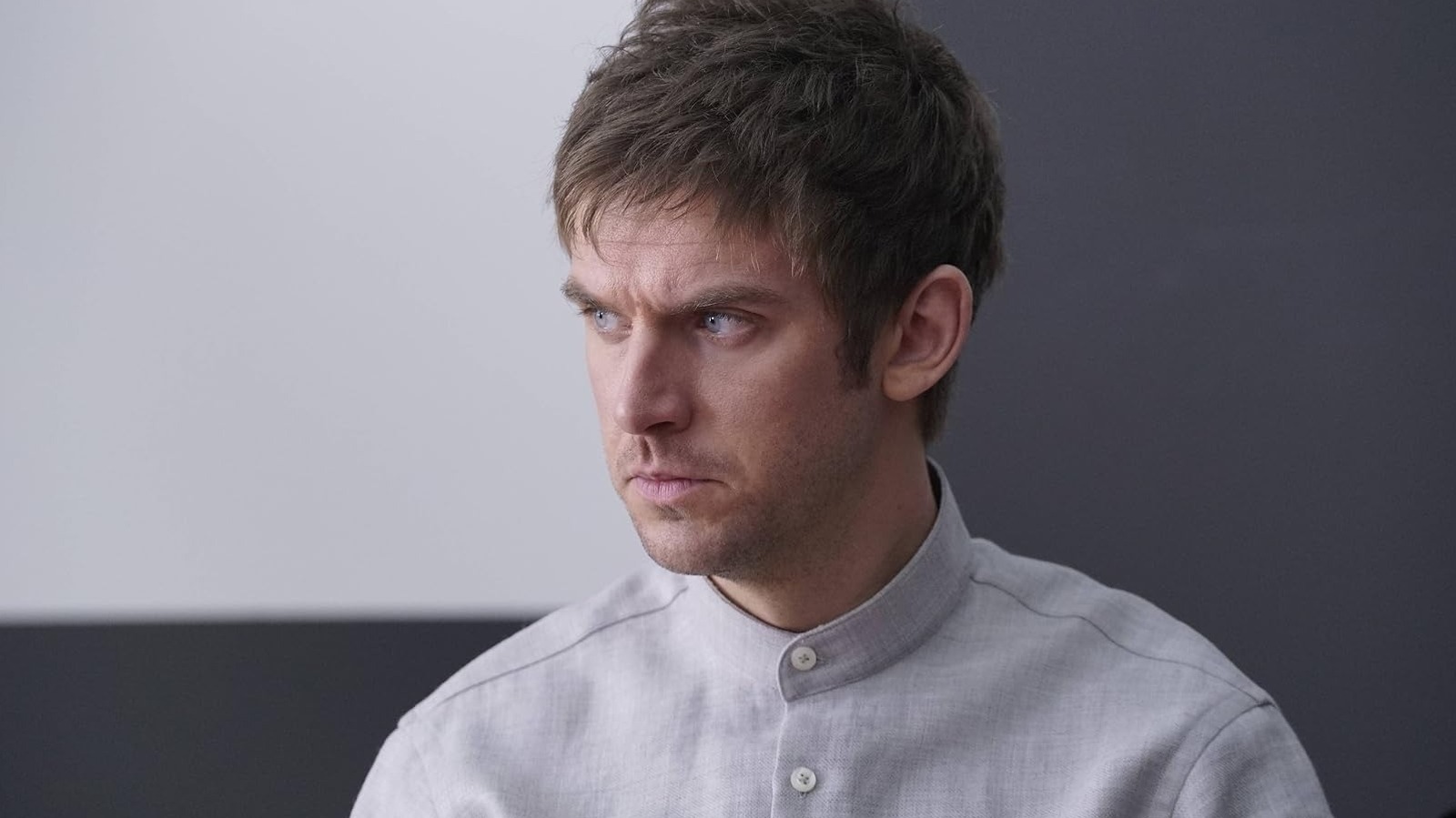
At the heart of Legion lies a masterful performance by Dan Stevens, who portrays David Haller with a volatility and vulnerability that anchors the show’s more abstract concepts. Stevens is joined by Aubrey Plaza, whose turn as Lenny Busker—an identity co-opted by the malevolent Shadow King—is nothing short of transformative.
David Lynchian Influences and Cinematic Technique
The show is frequently compared to the work of David Lynch, and for good reason. The production design, sound editing, and cinematography are not merely background elements; they are active characters. Hawley managed to assemble a dream team of directors, including Hiro Murai, Ana Lily Amirpour, and Andrew Stanton, each of whom utilized the medium of television to push the boundaries of what a comic book adaptation could look like.
The series prioritizes atmosphere over exposition. Scenes are often punctuated by musical numbers, interpretive dance, and non-linear editing that mirrors the fracturing of David’s mind. By refusing to hold the viewer’s hand, Legion demands active participation, turning the act of watching into a psychological experience rather than a passive consumption of plot.
Supporting Data: The Disconnect Between Ratings and Critical Acclaim
While the raw viewership numbers for Legion never reached the heights of a traditional network procedural, its critical reception remains among the highest in the history of the superhero genre.
- Critical Aggregators: The series consistently holds a high critical rating on platforms like Rotten Tomatoes, with critics praising its visual ambition and narrative bravery.
- Prestige Accolades: Beyond the metrics, the show’s success is measured by its influence on visual storytelling. It proved that a property rooted in the X-Men mythos could function as high-art horror or psychological drama, distancing itself from the "capes and lasers" fatigue that now haunts the industry.
Official Perspectives and Creative Freedom
Noah Hawley’s approach to Legion was predicated on the idea that the source material—the Marvel character Legion—was a vehicle for exploring mental health rather than a standard "save the world" hero narrative. In various interviews, Hawley has noted that the creative freedom afforded to him by FX was the only reason the show survived.
"We weren’t making a show for the masses," a sentiment often echoed in retrospective analyses of the production. "We were making a show for the character." This focus on the internal stakes—the struggle for control of one’s own mind—meant that even when the narrative escalated to global proportions, it never lost its intimate, unsettling core. This is a stark contrast to modern superhero entries that often feel like they are being written by committee to ensure broad marketability.
The Implications for Future Superhero Media
The success and legacy of Legion offer a roadmap for the current crisis in the superhero genre. As studios grapple with the "sameiness" that has alienated viewers, Legion stands as a testament to the power of artistic risk.
1. The Death of the "Homework" Model
The audience’s rejection of the Disney+ model suggests that viewers are tired of being treated like students in a franchise. Legion succeeded because it was a contained story. It did not require prior knowledge of a dozen other films to understand the motivations of its protagonist.
2. Stylistic Diversity as a Survival Strategy
The industry is currently witnessing a "copy-paste" aesthetic that has rendered the genre visually monotonous. Legion proved that audiences are, in fact, hungry for something "weird." By embracing surrealism and psychological depth, the show managed to maintain a loyal, dedicated following that persists years after the finale.
3. The Shift to Prestige Television
Moving forward, the future of the superhero genre may not lie in $200 million feature films, but in limited, high-concept television series that prioritize vision over brand-synergy. If the goal of the genre is to survive, it must learn to lean into the off-kilter sensibilities that Legion championed.
Conclusion: A Legacy Re-evaluated
Seven years after its conclusion, Legion is being re-evaluated not as a forgotten relic of the X-Men brand, but as a pioneering work that showed exactly how flexible the genre could be. In a time when the superhero bubble appears to be bursting, the show serves as a reminder that the genre is not inherently flawed—only the rigid structures built around it are.
For those looking to understand how comic book characters can be translated into genuine, high-concept art, Legion remains the gold standard. It is a show that invites, and rewards, the viewer’s attention, proving that even in a sea of CGI-laden blockbusters, there is still room for a story that is truly, wonderfully, and terrifyingly original. Whether you are a fan of David Lynch, a devotee of the X-Men, or simply a viewer exhausted by the formulaic, the three seasons of Legion—available now on streaming platforms—are essential viewing for the modern age.


 Siti Muinah
 Nana Wu