


As Subnautica 2 continues to redefine the survival-exploration genre, players are finding themselves pushed to the absolute limits of the game’s underwater frontier. Among the myriad of resources required to conquer the treacherous, alien ecosystems of the sequel, one material stands out as the pinnacle of endgame crafting: Axum Bacterial Culture.
For survivors navigating the current Early Access build, securing this elusive substance is not merely a task—it is a rite of passage. This guide provides a deep dive into the logistics of locating, extracting, and utilizing Axum Bacterial Culture, ensuring you are prepared for the hazards of the deep.
The Significance of Axum Bacteria in the Endgame
In the hierarchy of Subnautica 2 materials, Axum Bacteria occupies the highest tier. Unlike basic minerals like gold, sulfur, or the mid-game essential troilite, Axum Bacteria is strictly an endgame resource. It is designed to be the final piece of the puzzle for players who have already mastered the mechanics of base building, vehicle management, and oxygen conservation.
Its primary utility lies in the construction of the Metal Farm, a revolutionary structure enabled by the Habitat Builder tool. By combining a single unit of Axum Bacteria with a complex Mangalloy Ingot—which itself requires a refined cocktail of Titanium Ingots, Atacamite, and rare Troilite—players can manifest a permanent, self-sustaining mineral production facility.
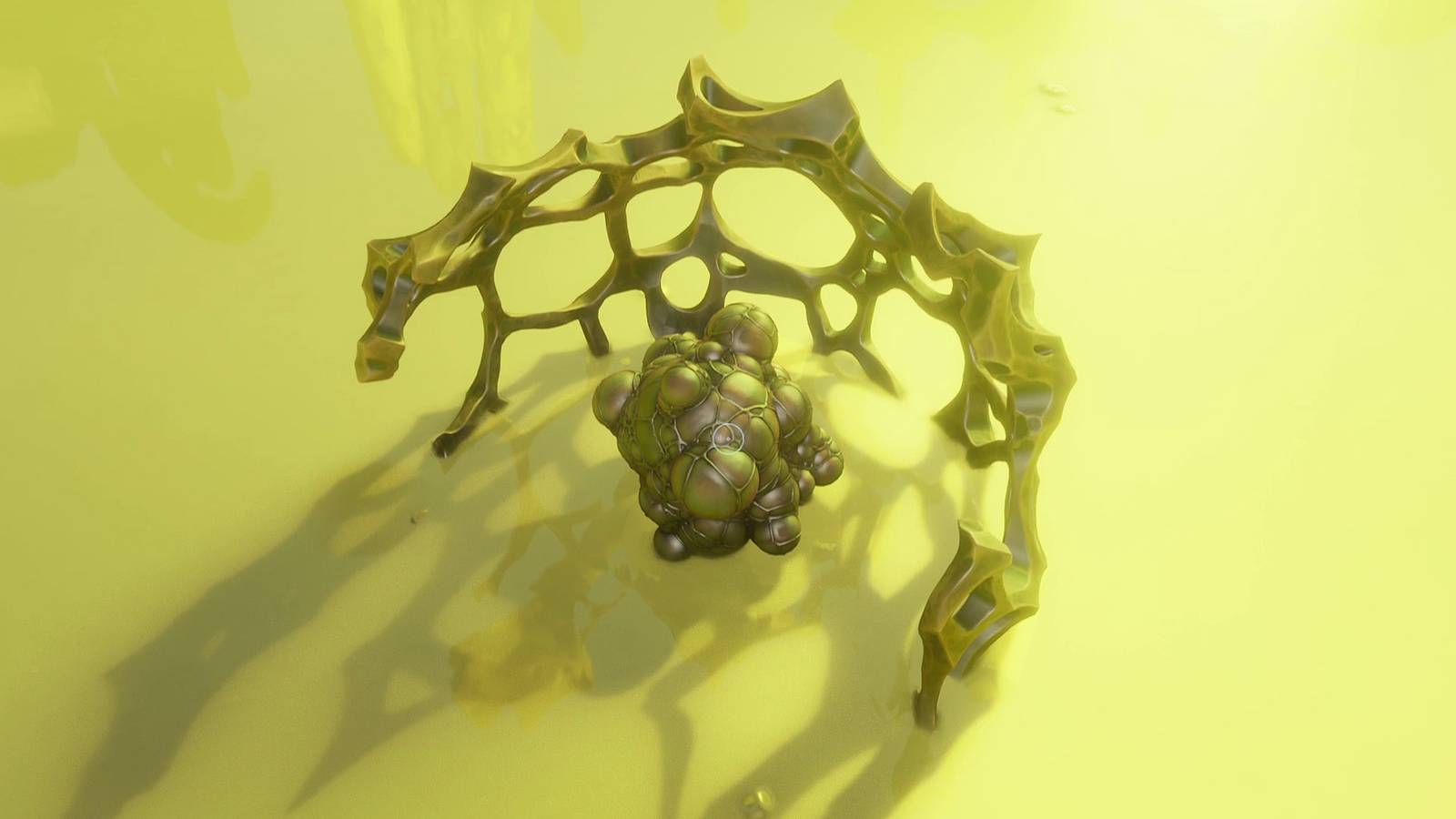
The Metal Farm effectively solves the scarcity issue that plagues the early-to-mid game. Once established, it allows for the passive acquisition of nearly every mineral found throughout the planet. While it is more a matter of late-game convenience than a strict survival necessity, it represents the ultimate mastery over the alien environment, transforming the player from a scavenger into an industrial architect.
Chronology of the Hunt: Reaching the Final Frontier
The journey to find Axum Bacteria is inherently tied to the narrative progression of the current Early Access version of Subnautica 2. Players should not expect to encounter this material during the initial phases of the game.
Phase 1: Preparation and Gear
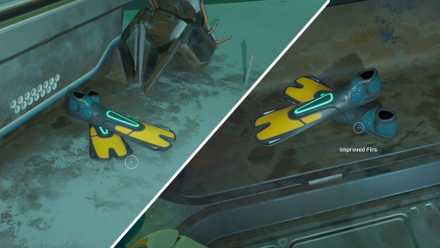
Before attempting to retrieve the culture, players must ensure their equipment is top-tier. Because the bacteria is located at extreme depths, specifically below the 450-meter threshold, standard vehicles like the Tadpole will suffer significant hull integrity damage if taken to the bottom. Upgrades for depth modules are mandatory.
Phase 2: The Descent into Root Canyon
The search area is concentrated in the vicinity of the Power Plant, specifically within the treacherous depths of the Root Canyon. This region is distinct, characterized by its eerie, glowing green bioluminescence and the presence of massive, industrial-looking metal rods that jut out from the seabed. These rods are the remains of the very technology you are attempting to replicate.

Phase 3: Extraction
Unlike common ore deposits, you cannot simply mine the Axum Bacteria with a tool. The material is contained within fragile, pressurized pods. You must carefully break these containment units to harvest the culture inside. Once exposed, the bacteria must be collected immediately.
Technical Specifications and Environmental Hazards
The environment where the Axum Bacteria thrives is arguably the most hostile in the game. It is not just the depth that presents a challenge; it is the fauna and the volatile geography of the seabed.
The Collector Leviathan Threat
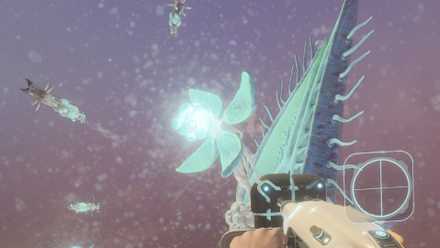
The area is patrolled by the Collector Leviathan, a predator that makes previous encounters in the series seem like child’s play. This creature is specifically adapted to the deep-sea pressure and is highly territorial. Stealth is your best defense. Utilize your Sonic Resonator—a vital tool for pushing back predators—to create windows of opportunity for collection.
Dealing with Epicureans
Beyond the Leviathan, players must contend with the Epicurean species. These aggressive organisms swarm the lower floors of the Root Canyon. Because you are required to exit your vehicle to collect the bacteria—due to the depth constraints of the Tadpole—you will be at your most vulnerable. It is highly recommended to bring high-capacity air tanks and, if possible, a Seaglide with an upgraded propulsion system to dodge these predators while harvesting.
Inventory Constraints
There are only five units of Axum Bacteria available in the current game world. Three are located within the central cluster of ponds, while the remaining two are situated to the west. Because the material is not currently respawnable, players must be methodical. Do not leave the area until you have secured all five; losing one due to inventory management errors or a premature death could set your progress back significantly.
Official Developer Stance and Early Access Evolution
Developer Unknown Worlds Entertainment has been transparent about the "placeholder" nature of certain mechanics in the current Subnautica 2 build. The introduction of Axum Bacteria is part of a broader, iterative design philosophy.
In official statements, the development team has noted that the current scarcity of Axum Bacteria—and the fact that it does not respawn—is intentional to test player behavior regarding high-value, non-renewable resources. They have hinted that future updates may introduce renewable methods of cultivation, perhaps linked to the Metal Farm itself, but for now, the scarcity remains a core gameplay mechanic.
Furthermore, the integration of Unreal Engine 5 has allowed the developers to create more complex, physics-based interactions with the environment. The "breaking" of the pods to release the bacteria is a showcase of this engine’s capabilities, intended to provide a more tactile, rewarding experience compared to the simple "click-to-mine" mechanics of the original title.
Implications for Future Gameplay
The existence of the Metal Farm, powered by Axum Bacteria, signals a paradigm shift for the Subnautica franchise. If previous games were about the struggle to survive, Subnautica 2 is increasingly about the thriving within the alien world.
By removing the need for constant, manual resource gathering, the Metal Farm allows players to focus on:
- Large-Scale Base Construction: Without the constant worry of running out of titanium or copper, players can build massive, sprawling bases that push the limits of the game’s engine.
- Exploration and Lore: With the pressure of resource management alleviated, players can spend more time uncovering the mystery of the planet and the history of the Precursors.
- Co-op Dynamics: In the newly introduced Online Co-op mode, the Metal Farm serves as a communal hub. Players can designate one member to handle the high-stakes retrieval of Axum Bacteria while others manage the security of the perimeter.
A Warning to Prospective Architects
As the game is still in Early Access, the current meta surrounding Axum Bacteria may shift. Players are encouraged to monitor the official Subnautica 2 patch notes. If the developers decide to implement a "decay" mechanic for the Metal Farm or introduce more aggressive threats in the Root Canyon, the current strategies for extraction may need to be adjusted.
Final Thoughts for the Dedicated Survivor
Locating the Axum Bacterial Culture is the ultimate test of your skills as an explorer. It requires the perfect balance of technical preparation, tactical combat, and nerves of steel. As you swim through the glowing green depths of the Root Canyon, remember that you are not just gathering a material—you are claiming the future of your survival on this planet.
Keep your Sonic Resonator charged, watch your oxygen levels, and, above all, keep your eyes on the shadows. The Collector Leviathan is always watching, but with the right preparation, the spoils of the deep will be yours to command. Whether you are a veteran of the first Subnautica or a newcomer to the series, securing your first Metal Farm is a milestone that truly defines your journey in Subnautica 2.
As the game continues to grow, ensure your base is secure, your upgrades are current, and your path back to the surface is clear. The ocean is vast, and there is still much to discover. Happy diving.












No comments yet. Be the first to join the conversation!