Neng Nana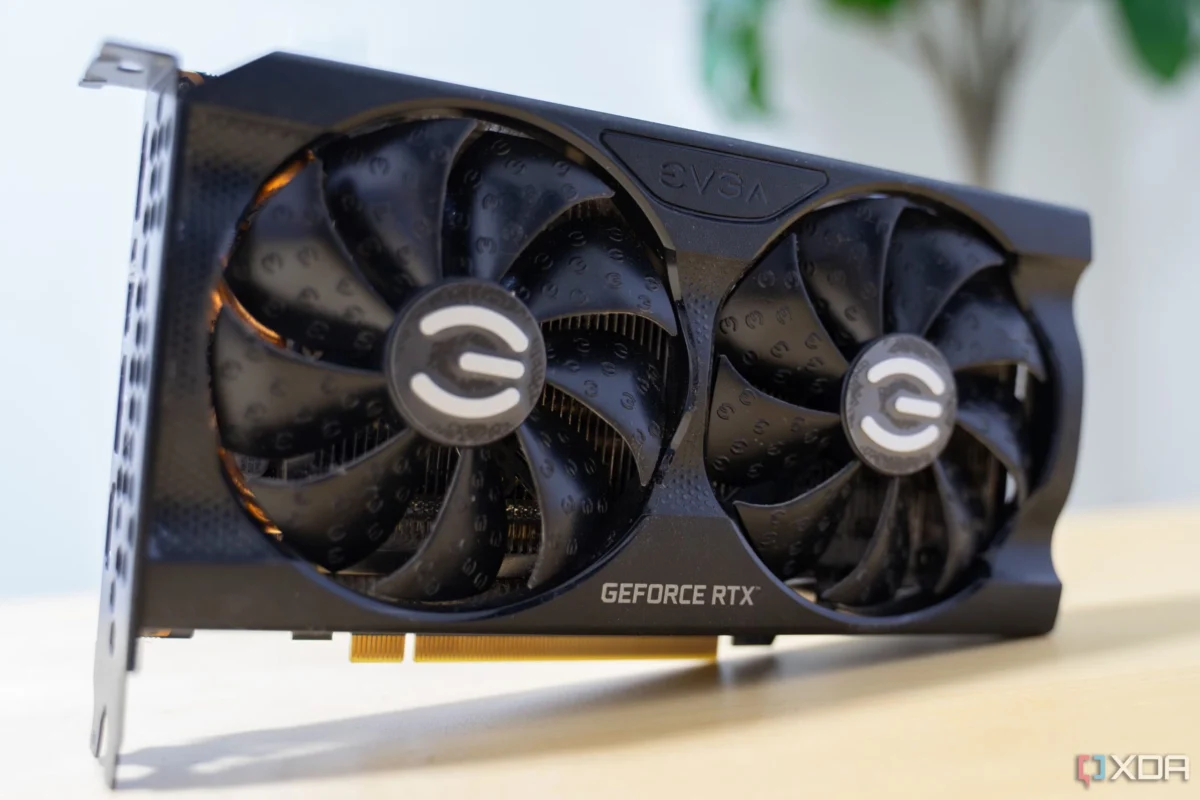
The landscape of consumer computing has undergone a seismic shift over the past twenty-four months. Driven by the explosive, insatiable demand for AI-centric hardware, the GPU market has become a high-stakes arena where enterprise-grade chips take priority, often leaving the average gamer in the cold. With the latest RTX 50-series cards remaining elusive due to supply chain constraints and heavy resource allocation toward data center workloads, many enthusiasts have found themselves priced out of the current generation.
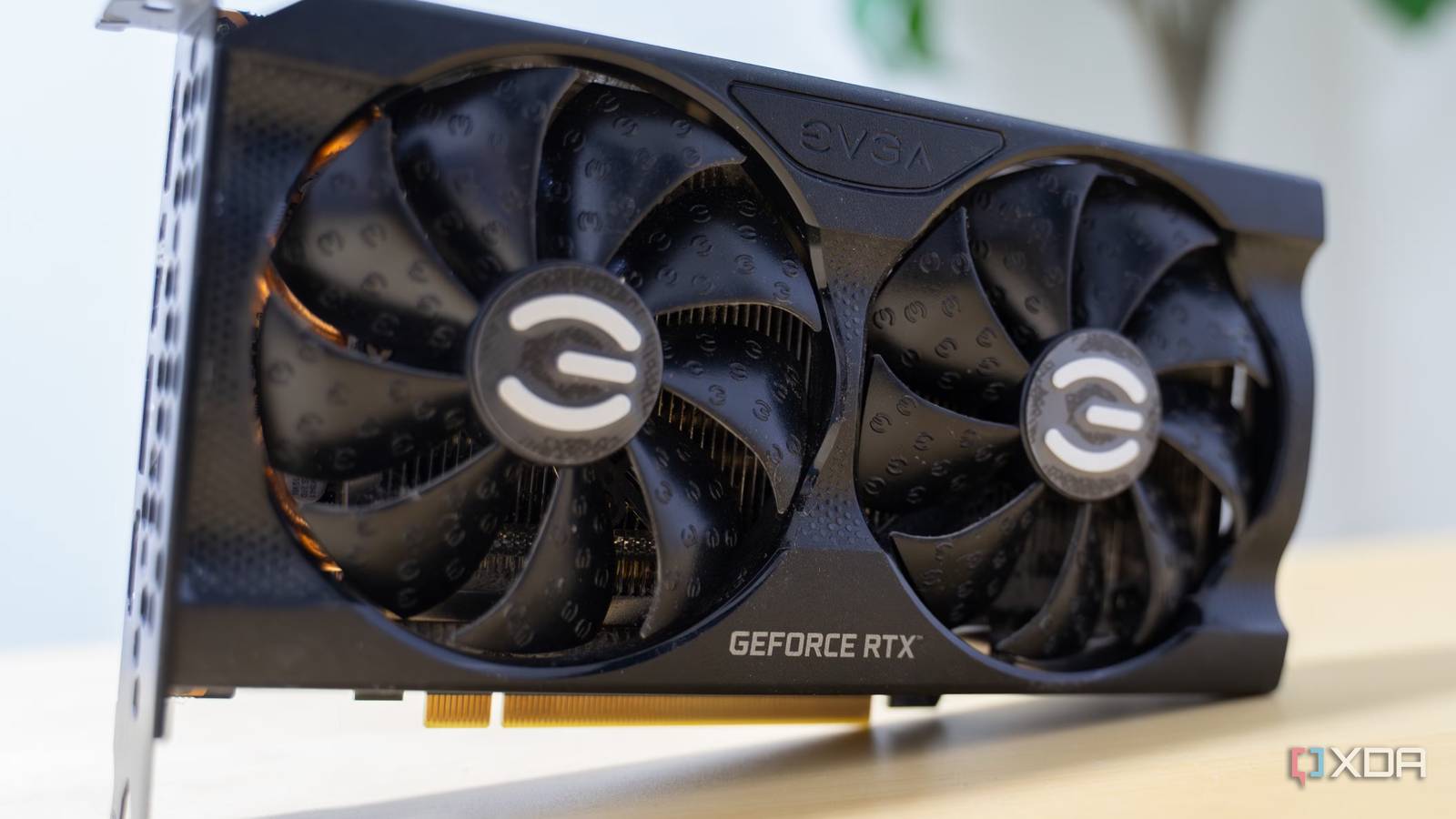
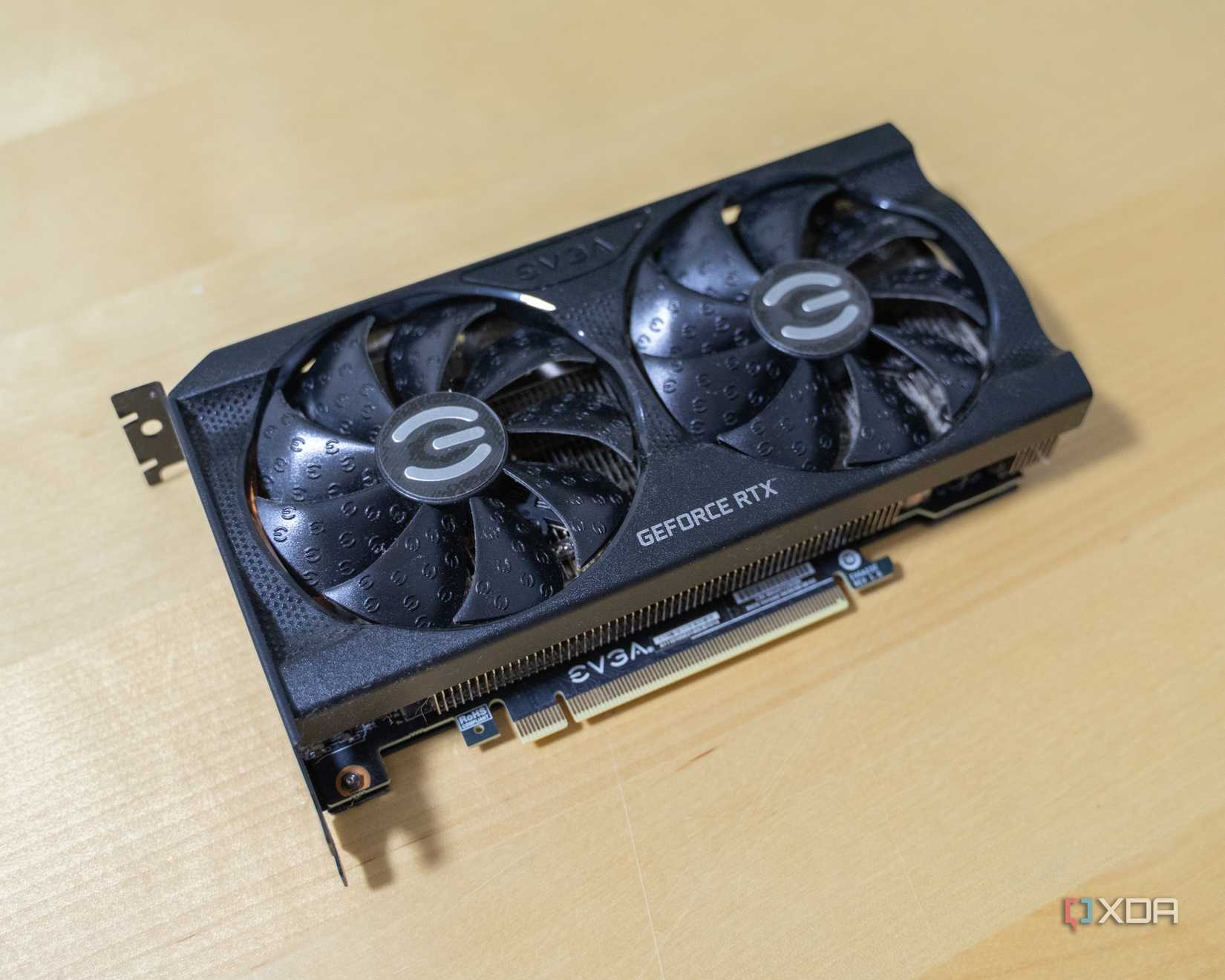
In a move that feels like a trip back to the volatile market of 2021, Nvidia appears to have quietly authorized a new production run of the legendary GeForce RTX 3060 12GB. While the tech industry is accustomed to rapid turnover, the re-emergence of this "legacy" card at a price point nearly identical to its original MSRP signals a significant strategic pivot for the GPU giant—and a potential lifeline for budget-conscious gamers.
The Context: Why Old Hardware is Finding New Life
To understand why a five-year-old architecture is back on retail shelves, one must look at the broader macroeconomic pressures facing PC hardware. The "AI Gold Rush" has fundamentally altered the semiconductor supply chain. TSMC, the world’s primary foundry, has been operating at near-total capacity, prioritizing high-margin H100 and Blackwell-series chips for AI giants like OpenAI and Microsoft.
Consequently, consumer-grade silicon—specifically the advanced nodes required for the latest RTX 50-series—has faced significant allocation challenges. As manufacturing costs climb and availability dips, the cost of entry for a "modern" gaming rig has skyrocketed. The RTX 3060, a card that once defined the "sweet spot" of mid-range gaming, has become the unexpected hero in a market starved for accessible performance.
A Chronology of the RTX 3060’s Lifecycle
The trajectory of the RTX 3060 is perhaps one of the most storied in modern tech history.
- February 2021: The RTX 3060 makes its debut, promising 1080p dominance at a $329 MSRP. It is met with immediate, overwhelming demand, coinciding with the peak of the cryptocurrency mining craze and the global semiconductor shortage.
- 2021–2022: Street prices for the card fluctuate wildly, often reaching double or triple the MSRP, cementing the 3060 as a symbol of the "GPU famine."
- 2023–2024: As the 40-series and subsequently the 50-series hit the market, the 3060 remains a staple in budget builds due to its generous 12GB VRAM buffer—a feature that arguably gave it better longevity than its successors.
- June 2026: Retailers, notably Newegg, begin listing brand-new "Rev 2.0" RTX 3060 12GB units. These cards appear not as refurbished stock, but as freshly manufactured hardware, re-entering the channel at a retail price of $339.99.
The "Rev 2.0" Strategy: What’s Under the Hood?
The emergence of the "Rev 2.0" model is not merely a restock of old inventory; it is a calculated engineering choice. By utilizing older, more mature manufacturing nodes—nodes that are no longer in contention for the high-demand AI chips—Nvidia can manufacture these cards at a lower cost and with higher yield rates.
While the core architecture remains largely faithful to the Ampere design, the "Rev 2.0" designation implies minor board-level optimizations. These likely include updated power delivery components and refreshed thermal solutions to improve longevity. However, it is vital to note that this card remains an Ampere-based product. Users opting for this "new" hardware will lack access to the latest software-defined features, such as the advanced DLSS 4.5 upscaling, improved Frame Generation, and the lower power-to-performance ratio found in the Blackwell-based 50-series.
Market Implications: The Battle for the Entry-Level
The decision to reintroduce the 3060 creates a fascinating dynamic in the retail market. At $339.99, it sits in a precarious position.

The Argument for Value
For the user who simply needs a functional, reliable GPU for 1080p gaming or creative workflows, the 3060 is a known quantity. The 12GB of VRAM is arguably its greatest asset; in an era where modern games and AI-assisted creative software are memory-hungry, having that buffer is often more valuable than raw compute speed.
The Argument Against
Conversely, the "legacy" nature of the card is a hard pill to swallow in mid-2026. By choosing a 3060, the consumer opts out of the latest AI-driven performance gains and superior energy efficiency. Furthermore, with the used market saturated with older hardware, the price point of $339.99 is steep. Many market analysts argue that this pricing reflects the "scarcity tax" currently imposed by the AI boom, suggesting that consumers are essentially paying for the privilege of buying a new card when nothing else is available.
Official Responses and Industry Sentiment
While Nvidia has not issued a formal press release declaring a "resurrection" of the 3060, the shift in supply chain logistics speaks volumes. Jensen Huang, Nvidia’s CEO, has previously alluded to the company’s flexible manufacturing strategy. In past earnings calls, the company emphasized its ability to shift production to meet shifting market demands.
Independent retailers have been more vocal. A representative from a major component distributor noted that the re-release is a response to the "hollowed-out middle class" of the PC gaming market. "We have high-end enthusiasts buying the 5090s and budget users scouring the used market," the source noted. "There was a void for someone who wants a warrantied, new-in-box card that doesn’t cost a mortgage payment. The 3060 fills that void perfectly."
The Future: Is This a Trend?
Could we see other legacy cards return? If the AI market continues to monopolize advanced silicon nodes, the re-introduction of older, stable architectures could become the new norm. It is a pragmatic, if slightly disappointing, reality for gamers.
As we look toward the second half of 2026, the success of the "Rev 2.0" 3060 will likely determine how Nvidia approaches its entry-level tier for the next year. If these cards sell through, it signals that consumers are willing to trade bleeding-edge performance for availability and reliability.
Final Analysis: Should You Buy It?
The return of the RTX 3060 is a bittersweet reminder of the current state of technology. It is a fantastic GPU that was, and remains, a workhorse. However, buying one in 2026 requires a specific set of needs.
- You should consider it if: You are building a stable 1080p/1440p rig, you need 12GB of VRAM for rendering or local LLM tasks on a budget, and you prioritize a factory warranty over the latest software features.
- You should avoid it if: You are looking for future-proofing, energy efficiency, or the absolute best performance-per-dollar ratio in modern ray-tracing titles.
Ultimately, the RTX 3060’s return is a sign that the industry is still finding its footing. While we wait for the supply of next-generation silicon to stabilize, the 3060 stands ready to serve, proving that in the world of computing, sometimes the best innovation is simply having enough stock to keep the lights on.


 Siti Muinah
 Ammar Sabilarrohman