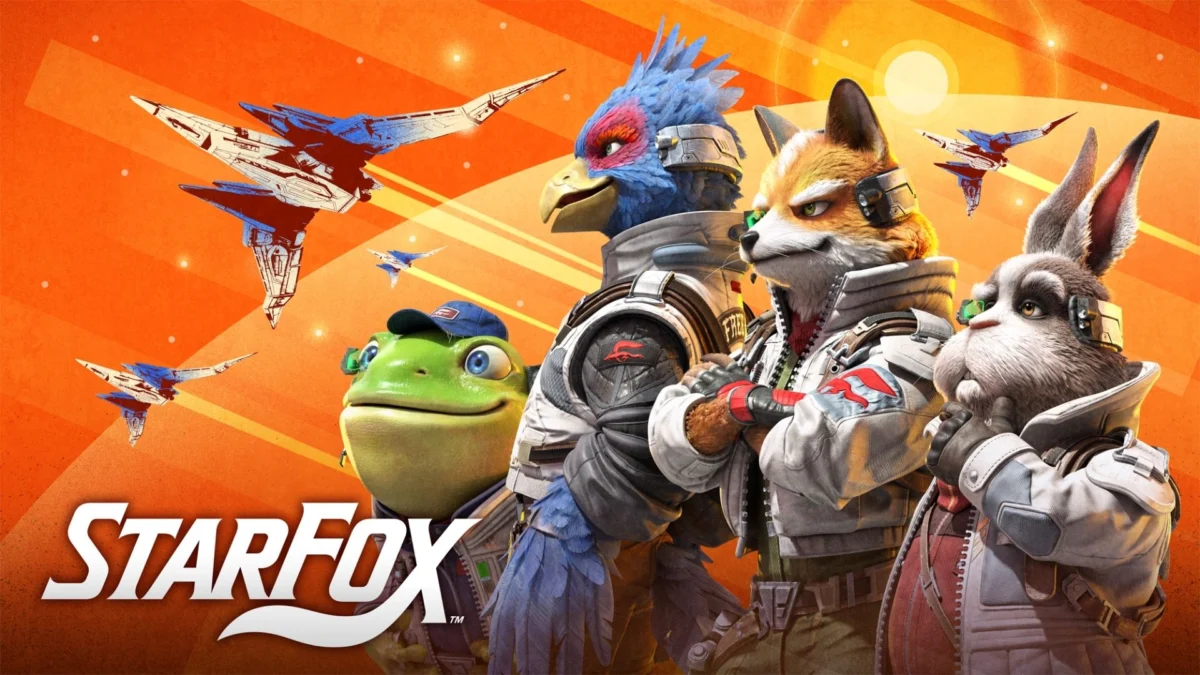
For over three decades, the Star Fox franchise has existed in a strange, recursive loop. Since its inception on the Super Nintendo in 1993, the series—specifically the seminal Star Fox 64—has been reimagined, remastered, and ported with such frequency that it has become a running joke among Nintendo enthusiasts. Yet, there is a reason for this persistent cycle: at its core, Star Fox 64 remains a masterclass in the "rail shooter" genre.
With the recent release of Star Fox for the Nintendo Switch 2, the franchise finds itself at a crossroads. It is a title that simultaneously celebrates the legacy of the past while highlighting the desperate need for a forward-thinking evolution. As the industry welcomes Fox McCloud back into the fold, the question remains: is a polished trip down memory lane enough, or has the series finally hit a structural ceiling?
The Chronology of a Classic: Why We Keep Coming Back
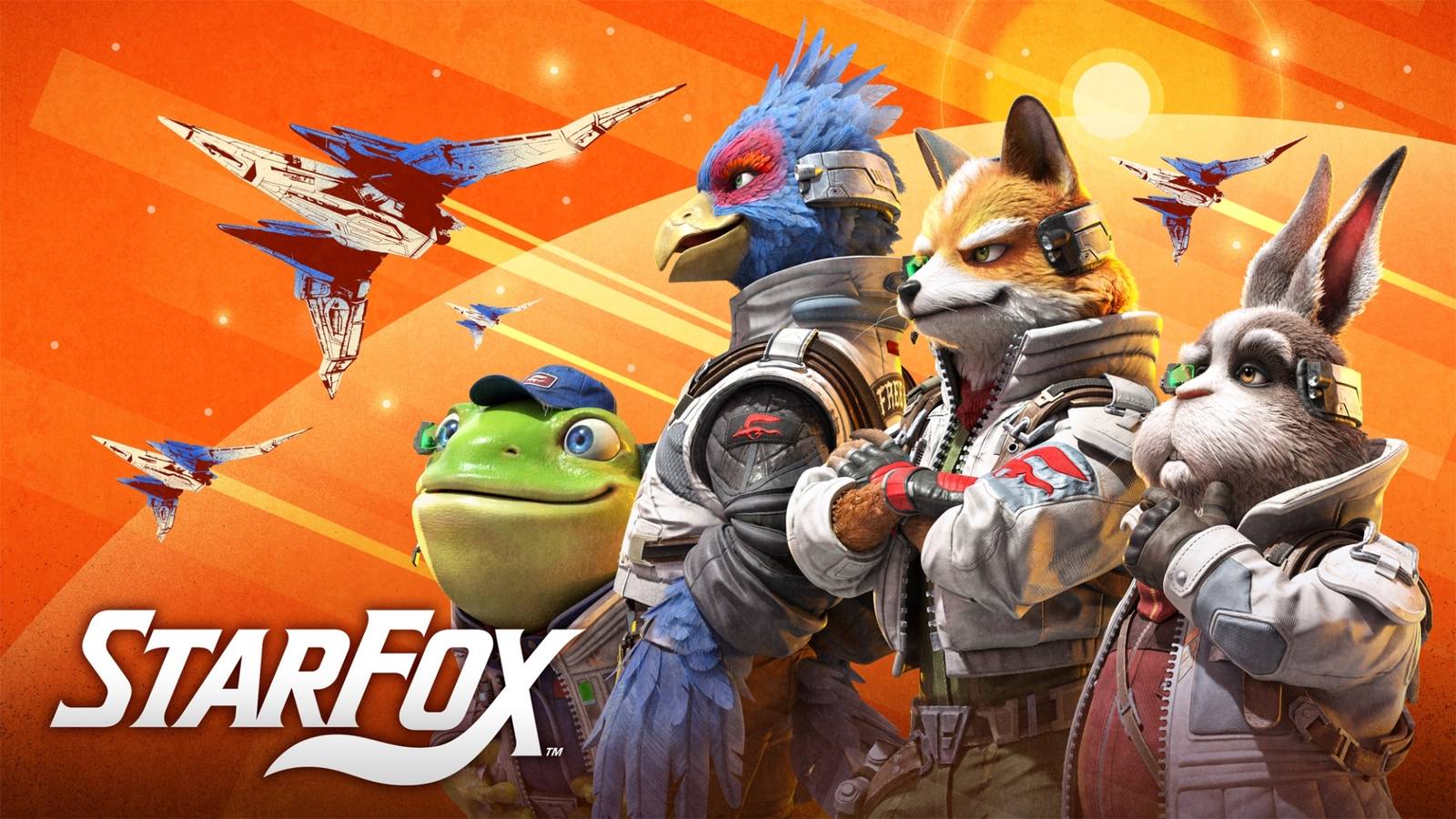
To understand the significance of this latest release, one must look at the series’ uneven trajectory. Star Fox 64 (known as Lylat Wars in Europe) set a high bar for cinematic intensity and arcade-style gameplay. However, the subsequent years saw the series struggle to find its identity. From the experimental third-person action of Star Fox Adventures to the divisive motion-control mandates of Star Fox Zero on the Wii U, Nintendo has arguably spent more time trying to "fix" the series than expanding it.
This latest entry, arriving alongside the buzz of the Super Mario Galaxy movie (which notably features a prominent role for Fox McCloud), feels less like a new chapter and more like a high-fidelity "greatest hits" collection. It is the fourth time the Star Fox 64 foundation has been utilized as a primary release. For longtime fans, the comfort is undeniable; playing the game feels like "riding a bike." But for a franchise that has been dormant for a decade, the lack of narrative or mechanical innovation is a stark reminder of Nintendo’s risk-averse approach to this specific intellectual property.

Technical Prowess and Aesthetic Overhaul
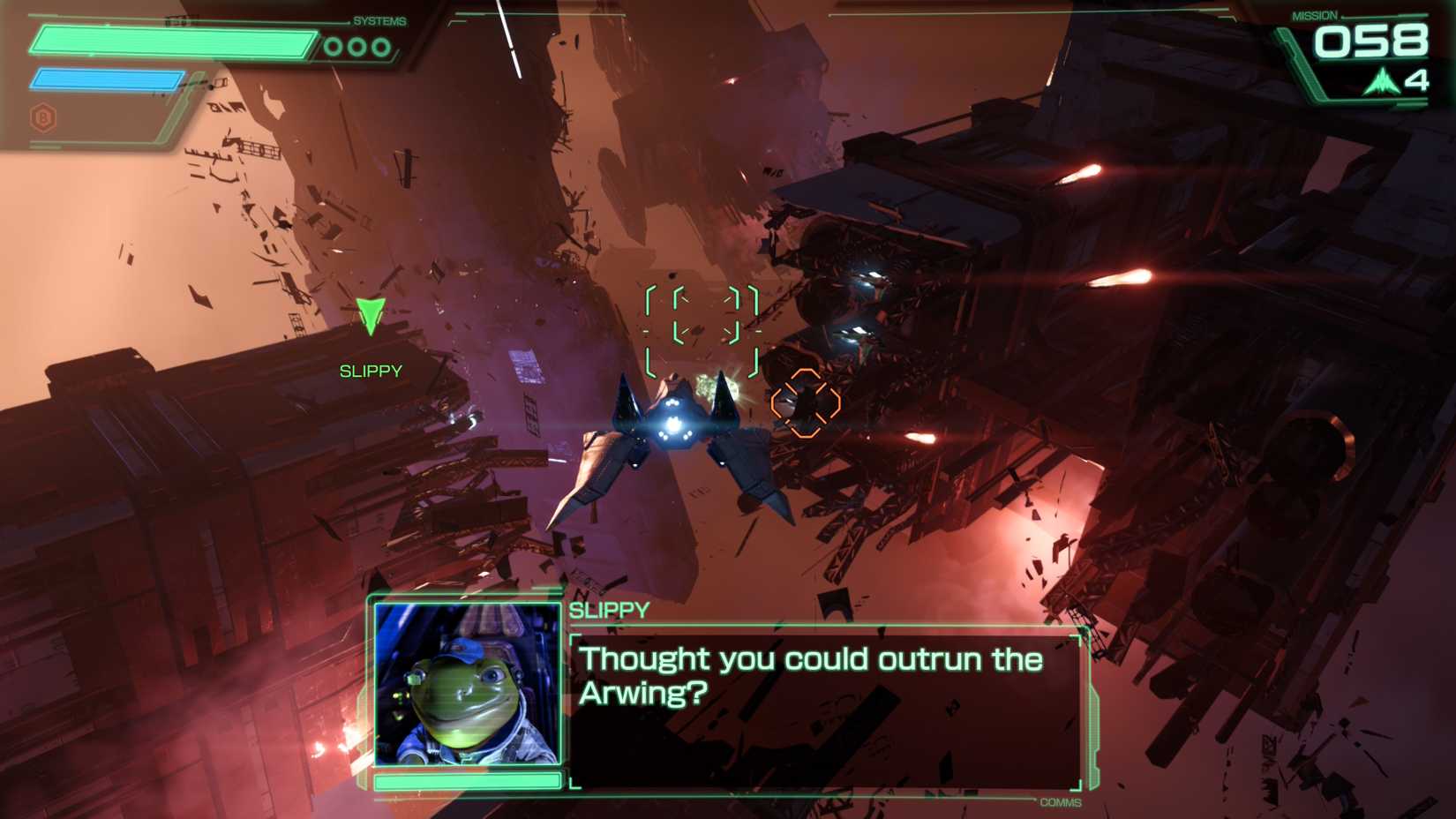
The most immediate takeaway from the Switch 2 iteration is the presentation. For the first time, the Lylat System feels truly alive. The visual fidelity pushes the new hardware, offering a cinematic experience that occasionally mirrors the grandeur of a modern Star Wars production. During the campaign’s climactic final sequences, the sheer scale of the space battles—previously constrained by the technical limitations of the N64—is now fully realized.
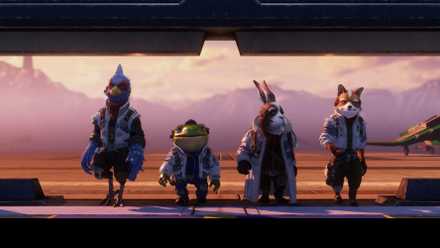
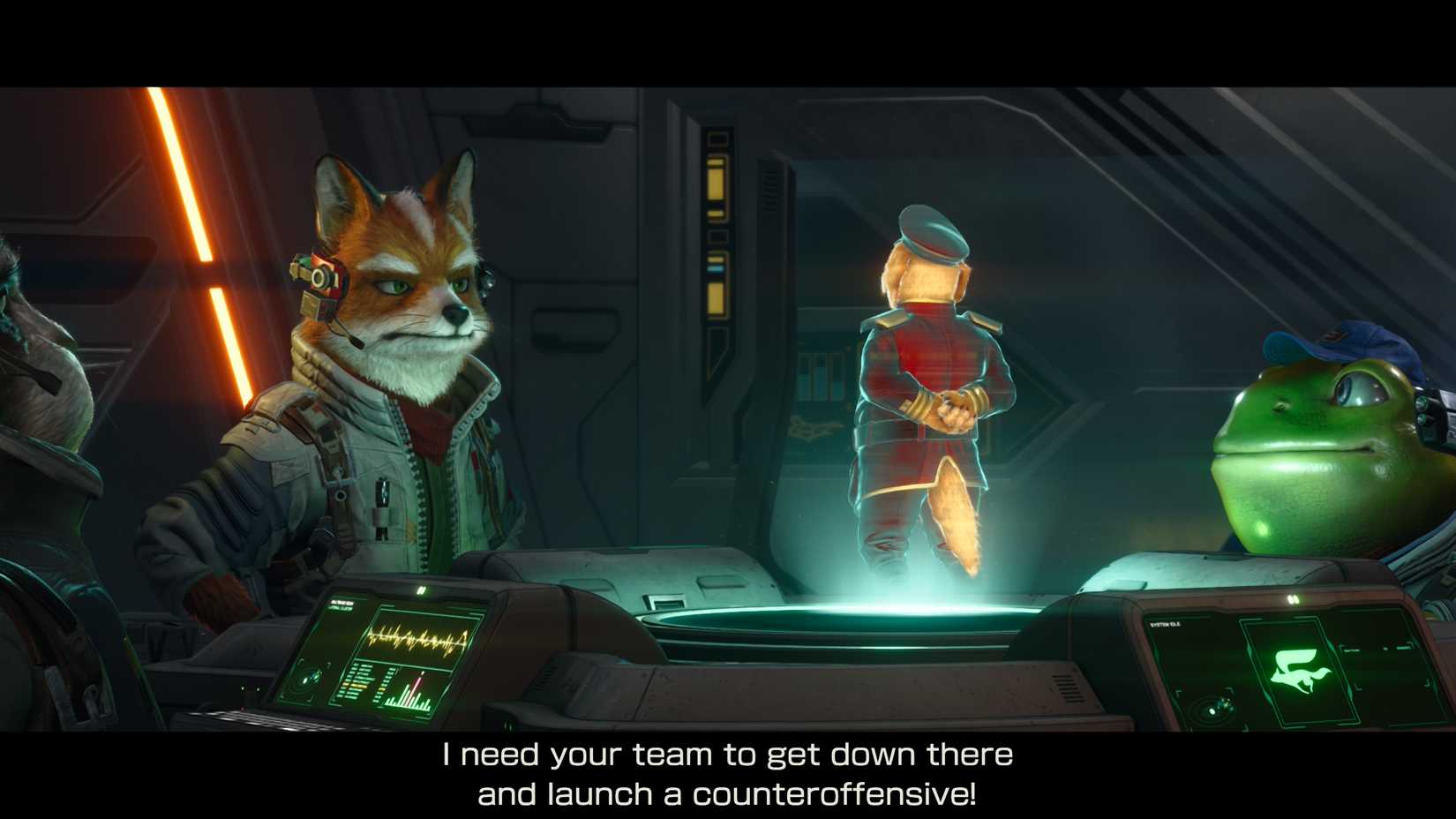
The cutscenes, in particular, serve as a bridge between the arcade simplicity of the 90s and modern storytelling. They provide necessary context for the Star Fox crew’s dynamic, lending a sense of weight to the political tensions of the Lylat System. While some purists argued against adding a "cinematic" layer to a game built on pure twitch reflexes, the effort is largely successful. It grounds the game in a cohesive world, even if the underlying loop of the gameplay remains fundamentally identical to its 1997 predecessor.
The Gameplay Conundrum: Familiarity vs. Innovation
The controls on the Switch 2 Pro Controller are arguably the tightest the franchise has ever seen. The Arwing handles with a precision that makes the frustration of Star Fox Zero’s control scheme feel like a distant, unpleasant memory. There is a "pick-up-and-play" quality here that defines Nintendo’s best work.
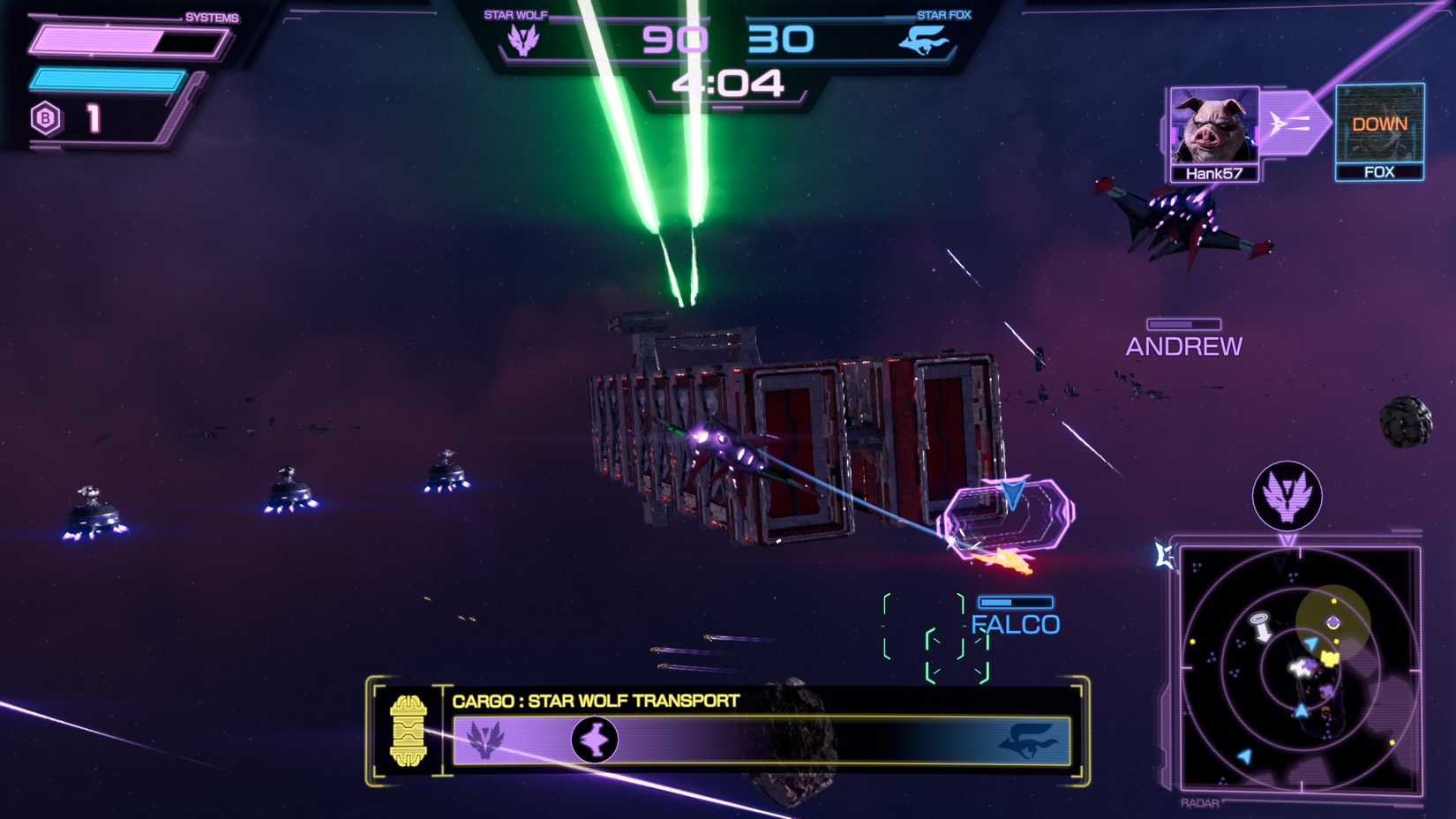
However, the game’s content structure presents a mixed bag. Beyond the standard campaign, the developers have introduced:
- Bonus Objective System: Players can now revisit missions to complete specific tactical goals, significantly increasing replayability.
- Difficulty Scaling: New modes allow for a more granular challenge, catering to both newcomers and veterans of the original N64 classic.
- Multiplayer Integration: While the multiplayer is surprisingly robust for an online-first iteration, it remains a "side dish" rather than a pillar of the experience.
The inclusion of these elements is a welcome nod to modern design philosophies, yet they don’t quite mask the fact that the core "rail shooter" mechanics haven’t evolved significantly. We are playing a game that is essentially perfect at what it does, but we are also playing a game that refuses to attempt anything else.
The Voice Acting Controversy: A Step Backward
Perhaps the most jarring element of this release is the change in vocal performances. Replacing a cast that defined the characterizations of Fox, Falco, Peppy, and Slippy for nearly 30 years was always going to be a tall order. While the new voice actors handle the dramatic beats with competence, they lack the "90s flair" that gave the original its unique, campy charm.

The bosses, in particular, suffer from this transition. In the original, the villains were over-the-top, taunting, and dripping with personality. In this version, the delivery is noticeably flatter. The absence of the distinct southern drawl for bosses like Macbeth is not just a minor detail; it is a loss of flavor that the game’s polished, modern aesthetic cannot fully replace. It highlights a common trap in remakes: by aiming for a more "serious" or "cinematic" tone, developers risk stripping away the character-driven quirks that made the original a cult classic.
Implications for the Future of Star Fox
The successful launch of this title on the Switch 2 acts as a litmus test. On one hand, it proves that there is still a massive audience hungry for the return of the Star Fox brand. The sales figures and the engagement with the new multiplayer modes suggest that the franchise is still a viable commercial asset for Nintendo.
However, the "implication" for the future is twofold. If Nintendo views this as a successful "soft reboot," we may see more of the same—iterative updates that prioritize visual fidelity over mechanical evolution. Conversely, if the feedback loop highlights the desire for something truly fresh, we may finally see the "next step" that Shigeru Miyamoto has alluded to for years.
There is a growing sentiment in the community that the franchise is in a "conundrum." The fans want innovation, but they also want the comfort of the classic formula. By providing a perfect version of the past, Nintendo has effectively closed the door on the Star Fox 64 debate. Now, the developers have no excuses left. With the technical ceiling cleared and the franchise back in the spotlight, the next move must be a bold, original entry that takes Fox McCloud into uncharted territory.
Conclusion: A Necessary Bridge
Is Star Fox for the Nintendo Switch 2 a good game? Absolutely. It is a polished, highly playable, and nostalgic trip that serves as an excellent introduction for a new generation of players. It is the best way to play the classic formula, bar none.
But it also serves as a final bow for the Star Fox 64 era. The franchise has been "remade" enough. We have seen the Lylat System saved from Andross through four different generations of hardware. While this latest release is a triumph of presentation, it is also a reminder that nostalgia can only carry a franchise so far. For the sake of the series, let us hope that this is the final time we visit these specific stars, and that the next mission for the Star Fox team is one that actually breaks new ground.