Jia Lissa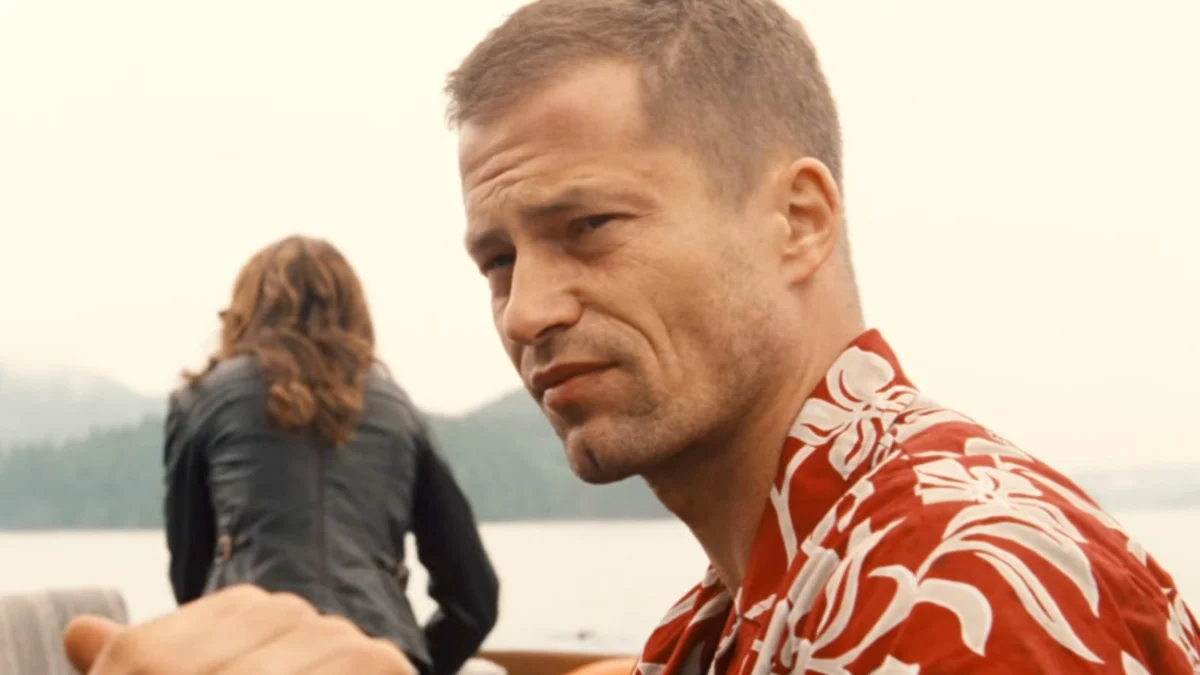
In the pantheon of cinematic history, few names elicit as much debate among gamers and film buffs as Uwe Boll. Known for his aggressive, low-budget adaptations of popular intellectual properties, Boll’s filmography is a tapestry of critical drubbings and cult-like infamy. Among these, the 2008 adaptation of the hit video game Far Cry stands as a particularly stark example of the gulf between source material and execution. Yet, buried within this cinematic misfire lies a bizarre historical footnote: a fleeting, unassuming performance by the late, great culinary icon and travel documentarian, Anthony Bourdain.
To understand why a man of Bourdain’s intellect and cultural sensitivity would find himself in a production widely considered one of the worst video game adaptations ever made, we must look at the intersection of industry opportunism, the mid-2000s gold rush for game rights, and the curious, often accidental, nature of casting.
The Evolution of a Gaming Titan
To contextualize the film, one must first appreciate the weight of the Far Cry franchise. When the first game arrived in 2004, it was a technical marvel. Developed by Crytek, it pushed the boundaries of PC hardware, introducing players to vast, lush, tactical open spaces that redefined the first-person shooter genre. While the save system was notoriously punishing and the AI could be frustratingly omniscient, it laid the essential groundwork for the immersive, sandbox-style combat that defines the series today.
Over the last two decades, the franchise has undergone a profound metamorphosis. While early iterations focused on technical prowess and B-movie tropes, later entries—most notably Far Cry 6—have pivoted toward complex political narratives, exploring the visceral horrors of imperialism and the cyclical nature of authoritarianism. The announcement in November 2025 that a television series is in development, helmed by the visionary Noah Hawley (Legion, Fargo) and Rob Mac (It’s Always Sunny in Philadelphia), signals a shift toward prestige storytelling. Hawley’s track record with atmospheric, thematic depth—as seen in his work on Alien: Earth—suggests that the franchise is finally moving toward a medium where its complex political themes can breathe.
A Chronology of Cinematic Failure
The 2008 Far Cry film, however, represents a relic of a darker era for video game adaptations. Directed by Uwe Boll, the film was part of a relentless wave of projects the director churned out, including BloodRayne and Postal.
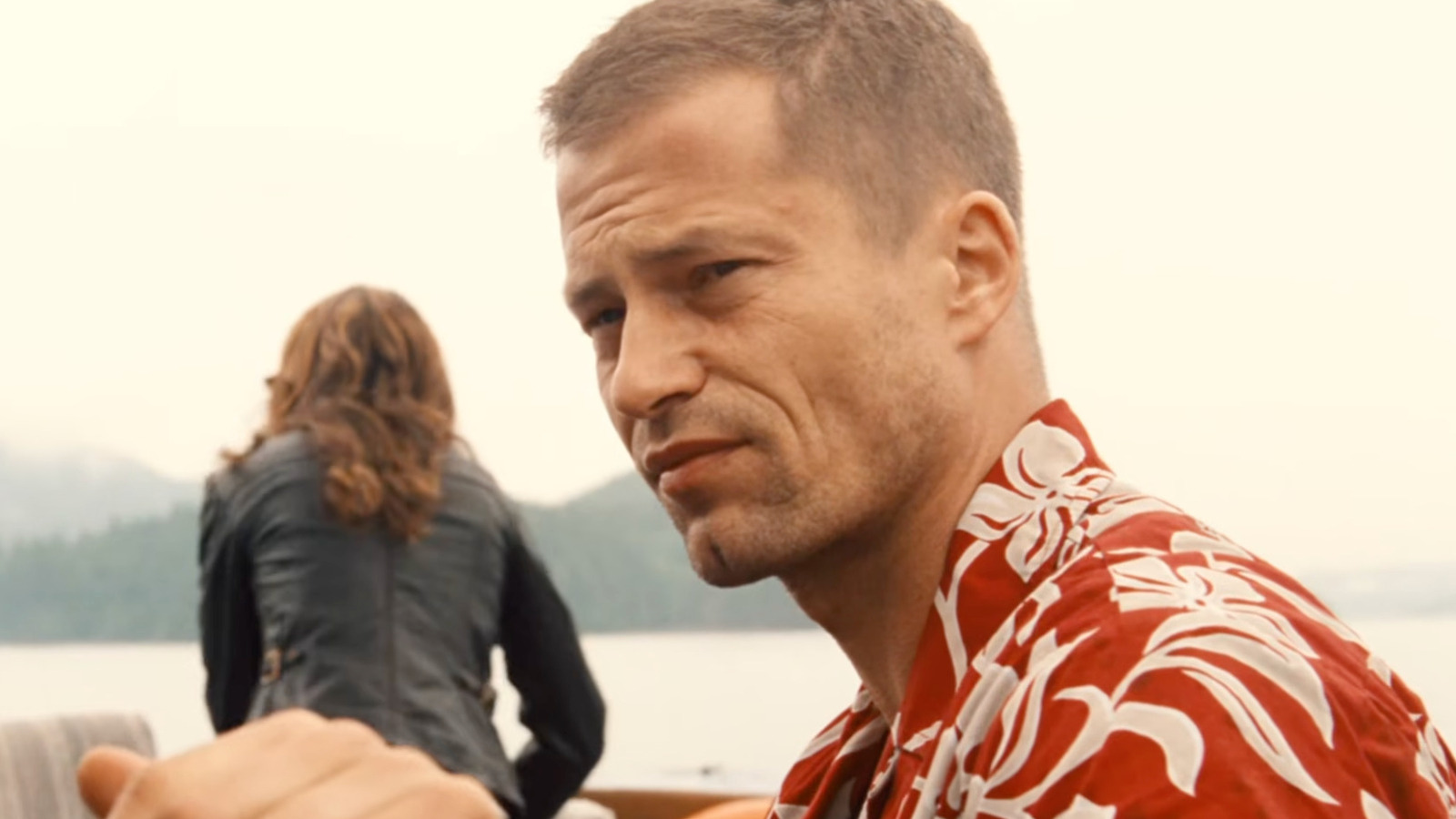
The production history of the film was characterized by a lack of fidelity to the source material’s atmosphere. Where the games offered a sense of isolation and high-stakes survival, the 2008 film delivered a generic action romp that felt disconnected from the DNA of the franchise.
- 2004: The original Far Cry game is released to critical acclaim for its technical achievements.
- 2006-2007: Rights are acquired by Boll KG. The project moves quickly into production, prioritizing a rapid turnaround over narrative cohesion.
- 2008: Far Cry is released in limited markets and on home media. It is met with immediate, overwhelming hostility from critics and fans alike, who cite its stiff acting, lackluster script, and total abandonment of the game’s island-survival tension.
- 2025: The announcement of the Noah Hawley series marks a symbolic "passing of the torch," aiming to rehabilitate the reputation of the Far Cry brand in live-action.
The Bourdain Anomaly: A Chef in the Crosshairs
Perhaps the most jarring element of the 2008 film is the inclusion of Anthony Bourdain. By 2008, Bourdain was already a global cultural phenomenon. His seminal memoir, Kitchen Confidential, had already cemented his status as the voice of the culinary underground, and his television work, eventually culminating in the masterpiece Anthony Bourdain: Parts Unknown, was beginning to influence the way the world viewed travel, empathy, and food.
In Far Cry, Bourdain is cast as an unnamed scientist—a cog in the machine of the villainous Dr. Krieger. His performance is brief, functional, and entirely devoid of the charisma that would define his later career. For fans of Bourdain, the clip is a "blink-and-you’ll-miss-it" moment of surrealism. Why was he there? In the mid-2000s, it was common for indie productions to cast eclectic personalities to generate "curiosity buzz." Bourdain’s presence in a B-movie, while likely a simple acting gig at the time, stands as a stark reminder of the long, winding road artists often take before finding their true calling.
Anatomy of a Misfire: Plot and Execution
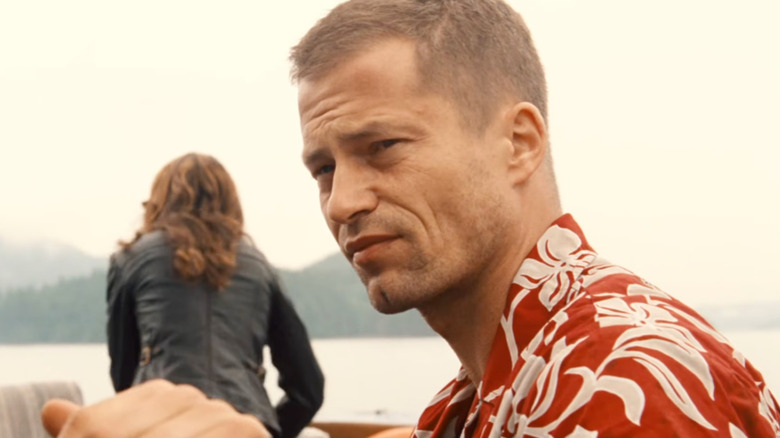
The plot of the 2008 film follows a familiar, if uninspired, trajectory. A mercenary squad is wiped out on a remote island by an unseen force. We learn of Dr. Krieger (played by the legendary Udo Kier, who often lent his gravitas to Boll’s films), a man intent on creating "super soldiers." Journalist Valerie Cardinal (Emmanuelle Vaugier) arrives to investigate, accompanied by the cynical ex-special forces operative Jack Carver (Til Schweiger).
The failure of the film lies not in its premise—the "island scientist" trope is a staple of action cinema—but in its execution. The film suffers from a profound lack of stakes. While the game forced players to scavenge and adapt to survive, the movie presents these elements as check-boxes on a script. The dialogue is particularly egregious. When Krieger mocks Jack as a "simple boat man," and Jack responds with a bored, robotic retort, the film loses any remaining tension. It is a 95-minute experience that feels hollow, failing to capture even the B-movie charm that sometimes makes "so bad it’s good" cinema watchable.
Official Responses and Industry Implications
Uwe Boll has historically been combative regarding the criticism of his work. He has famously challenged his critics to boxing matches and defended his films as superior to mainstream, "corporate" adaptations. However, history has rendered its own verdict. The consensus among critics is that Far Cry was a symptom of a systemic issue in Hollywood: the belief that a recognizable brand name was a substitute for a strong screenplay.
The industry has learned much since 2008. Recent successes, such as HBO’s The Last of Us and Amazon’s Fallout, demonstrate that the modern strategy for video game adaptations involves deep collaboration with game creators and a focus on character-driven narratives rather than just action sequences. The transition from the era of Uwe Boll to the era of Noah Hawley represents a paradigm shift. We have moved from a time where games were treated as "content to be exploited" to a time where they are recognized as "stories to be adapted with care."
Reflections on a Lost Role
The legacy of the 2008 Far Cry film is almost entirely negative, save for its unintentional value as a cautionary tale. For Anthony Bourdain, the role was a minor footnote in an extraordinary life. It serves as a reminder that even the most brilliant, culturally influential figures have early, experimental chapters that seem absurd in hindsight.
Bourdain once famously noted that "travel changes you," and perhaps the same can be said for the trajectory of our favorite stories. From the clunky, AI-aggressive corridors of the 2004 Far Cry game to the potential of a high-end television adaptation, the franchise has matured. We look back at the 2008 disaster not to mock it, but to measure how far we have come. The film is a void, a piece of cinematic wreckage that serves only to highlight the brilliance of the games that spawned it and the incredible, multifaceted legacy of the people, like Bourdain, who crossed its path on their way to greatness. As we look toward the future of Far Cry on screen, we can only hope that the new guard captures the humanity, the stakes, and the complexity that the 2008 iteration so thoroughly missed.


 Layla Zulfa