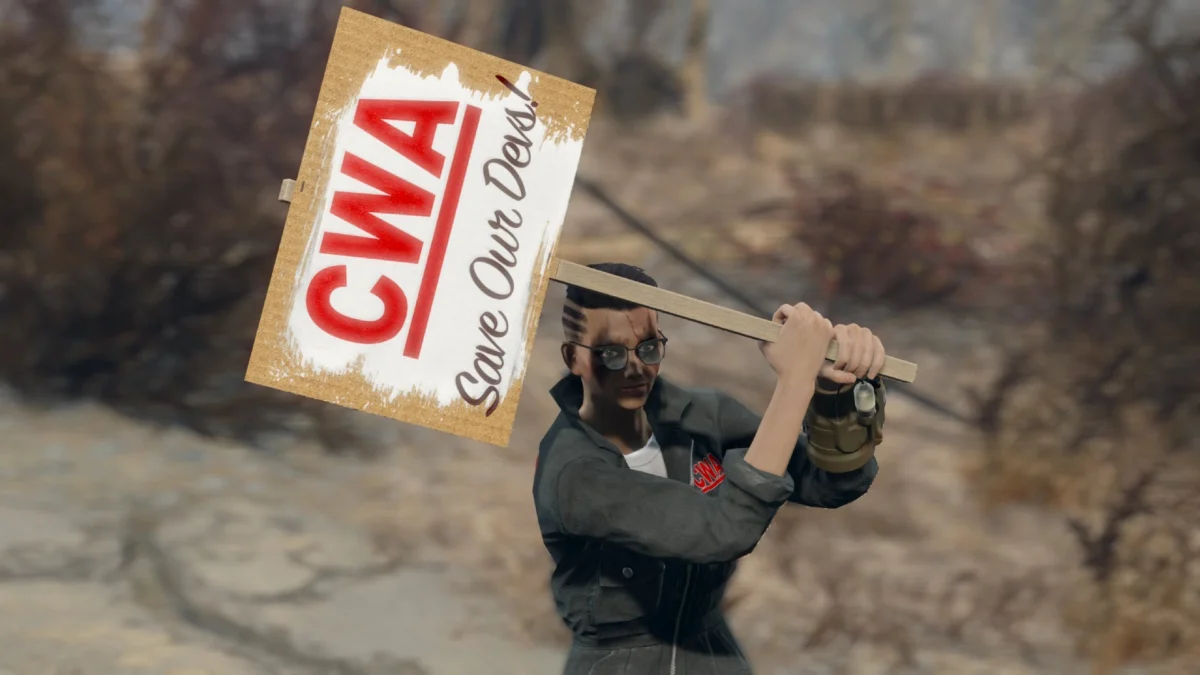
In a significant escalation of labor relations within the gaming industry, employees at Ubisoft Barcelona—a key support studio for the global Assassin’s Creed and Rainbow Six franchises—have initiated a series of strikes throughout July. This industrial action marks a critical juncture in the ongoing friction between the French publishing giant and its workforce, as staff protest mass layoffs and shifting corporate policies.
As the industry grapples with a wave of "restructuring" that has claimed thousands of jobs globally, the situation in Spain offers a stark look at the human cost of these financial decisions. With the backing of the General Confederation of Labor (CGT), workers are demanding more than just job security; they are calling for a fundamental reassessment of how their workplace is governed.
The Core Conflict: Why Ubisoft Barcelona is Striking
The current industrial action is not a spontaneous event but the result of months of mounting frustration. According to reports, staff at the Barcelona studio will be downing tools every Tuesday and Thursday afternoon between June 30th and July 17th.
The Primary Demands
The union has outlined a clear set of objectives that go beyond the immediate reaction to layoffs:
- Protection Against Collective Dismissals: The union is demanding a five-year guarantee of job security to protect employees from future waves of restructuring.
- Reinstatement of Promotion Packages: Staff are calling for the restoration of previously negotiated career progression and promotion plans that were shelved during recent cost-cutting measures.
- Hybrid Work Restoration: The union is fighting for a return to a 60/40 hybrid working model, arguing that the shift to full-time office mandates negatively impacts work-life balance.
- Compensation and Benefits Review: A comprehensive review of salary growth and workplace benefits, which employees argue have failed to keep pace with inflation and the company’s revenue targets.
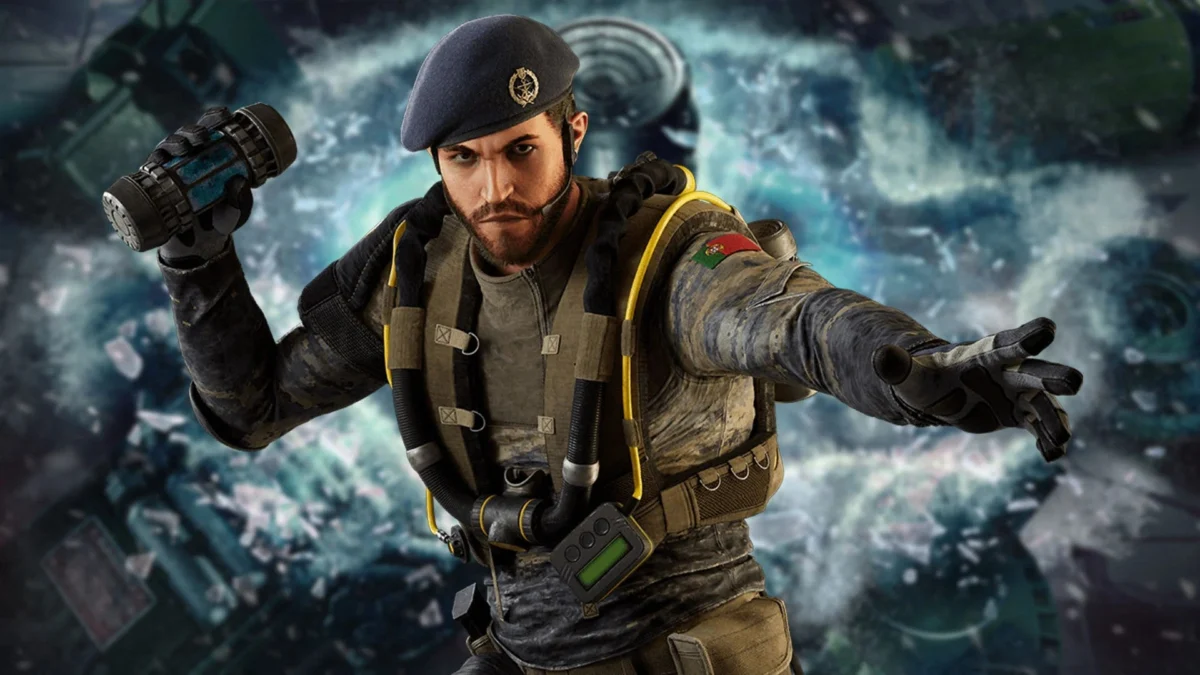
The impetus for this action follows Ubisoft’s announcement that they intend to eliminate up to 380 roles globally. The Barcelona studio, in particular, is being narrowed in focus to prioritize Rainbow Six, a decision that comes in the wake of a €1.16 billion funding injection from Tencent—a capital influx intended to bolster the publisher’s three core pillars: Assassin’s Creed, Far Cry, and Rainbow Six.
A Chronology of Unrest: From Return-to-Office to Mass Layoffs
The strikes at Ubisoft Barcelona are the latest in a long history of labor friction within the company. To understand why this action is happening now, one must look at the timeline of events that have defined the studio’s internal culture over the past 18 months.
2023: The Seeds of Discontent
Throughout 2023, Ubisoft implemented a series of "cost-optimization" strategies. While these were presented to investors as necessary measures to streamline operations, employees at the grassroots level felt the brunt of these decisions. Internal morale suffered as the company moved to consolidate its creative output.
2024: The Legal Battle
The tension reached a boiling point earlier in 2024 when Ubisoft management issued a mandatory return-to-office (RTO) order. The directive was met with widespread resistance, leading to a landmark lawsuit filed by union representatives in Barcelona. The lawsuit argued that the mandate was implemented without proper consultation or regard for existing agreements regarding remote work. This legal challenge set a precedent for the militancy seen in the current strikes.
Summer 2024: The Layoff Crisis
The most recent catalyst occurred in June, when Ubisoft announced a broader restructuring plan. As the company looked to trim costs, the announcement that 380 jobs would be cut sent shockwaves through the studio network. The specific decision to pivot the Barcelona studio’s focus away from its diverse history—which includes contributions to Rayman Raving Rabbits, Star Trek: Bridge Crew, and the Assassin’s Creed series—to a singular focus on Rainbow Six was viewed by many as a narrowing of creative autonomy and an erosion of job security.
Industry Context: The Global Landscape of Gaming Layoffs
The situation at Ubisoft is reflective of a larger, systemic issue currently plaguing the interactive entertainment industry. In 2023 and 2024, the gaming sector saw an unprecedented number of layoffs, with over 20,000 workers losing their jobs across various companies.
The "Correction" Narrative
Publishers have largely framed these layoffs as a "market correction" following the post-pandemic slump. After the explosive growth in gaming consumption during 2020 and 2021, many companies over-expanded. Now, in an effort to satisfy shareholders and navigate higher interest rates, they are slashing budgets to ensure profitability.
The Role of Investment and Consolidation
The involvement of Tencent in Ubisoft’s restructuring highlights a modern trend in the industry: the reliance on massive external investment to sustain flagship franchises. When these investments are tied to specific performance metrics, the pressure to "lean out" support studios becomes an administrative imperative. For developers, this often means that studios with a long history of versatility—like Ubisoft Barcelona—are forced to become "specialized" units, making them more vulnerable to shifts in market interest regarding a single franchise.
Official Responses and Corporate Strategy
As of the time of writing, Ubisoft has maintained a relatively standard corporate stance regarding the labor disputes. In previous statements concerning industrial action, the company has emphasized its commitment to "dialogue" and "employee well-being," while maintaining that the restructuring is essential to the long-term sustainability of the organization.
The Management Perspective
Management argues that by focusing resources on "flagship licenses," they are ensuring the survival of the company in an increasingly competitive market. They claim that the cuts are necessary to stay agile and that they have attempted to offer support packages to those affected. However, the union representing the workers argues that these "support packages" are insufficient and that the company has failed to engage in good-faith negotiations regarding the future of the workforce.
The Union’s Stance
The CGT, acting on behalf of the employees, has been vocal in its criticism of Ubisoft’s leadership. By engaging with Spanish-language media outlets like Hobby Consolas, the union has successfully brought international attention to the local struggle. Their messaging is clear: the company is prioritizing short-term stock value over the talent that builds its products.
Implications: What Does This Mean for the Future?
The ongoing strikes have significant implications, not just for the staff at Ubisoft Barcelona, but for the industry at large.
1. The Power of Organized Labor
This dispute signals a growing trend of unionization and collective action in game development. Historically, the gaming industry has been notoriously difficult to organize due to the passion-driven nature of the work. However, as the industry matures and the reality of corporate instability sets in, developers are increasingly turning to traditional labor tactics to protect their livelihoods.
2. Impact on Development Cycles
While the strikes are "partial" (Tuesday and Thursday afternoons), they will inevitably cause disruptions. As the studio works on upcoming projects—including the highly anticipated Assassin’s Creed Black Flag Resynced—the loss of man-hours could delay production schedules. If the strike persists, it may force Ubisoft to reconsider its hardline stance to avoid further delays in its release calendar.
3. The Future of Studio Culture
The demand for a five-year protection against collective dismissal is a bold request that challenges the very nature of modern corporate restructuring. If the employees in Barcelona succeed, it could create a blueprint for other studios worldwide to demand similar protections, fundamentally changing how large publishers manage their global footprint.
Conclusion: A Turning Point
The struggle at Ubisoft Barcelona is a microcosm of the current state of the gaming industry. It pits the cold logic of shareholder-driven restructuring against the professional demands of a skilled and dedicated workforce. As the strikes continue through mid-July, all eyes will be on both the management and the union to see if a compromise can be reached.
For the workers at Ubisoft, this is not merely about the current layoffs; it is about establishing a sustainable work environment where their contributions are valued beyond the next quarterly report. Whether this industrial action leads to a lasting policy change or a protracted stalemate, it has already succeeded in one major regard: it has put the issue of developer rights squarely at the center of the industry conversation.
The outcome of this conflict will likely be watched closely by developers across the globe, serving as a bellwether for the future of labor relations in the digital entertainment age. As the sun sets on these three weeks of strikes, the message from the floor of the Barcelona studio remains firm: the industry’s games may be about legendary assassins and tactical siege warfare, but the people who build them are finished playing the victim.