

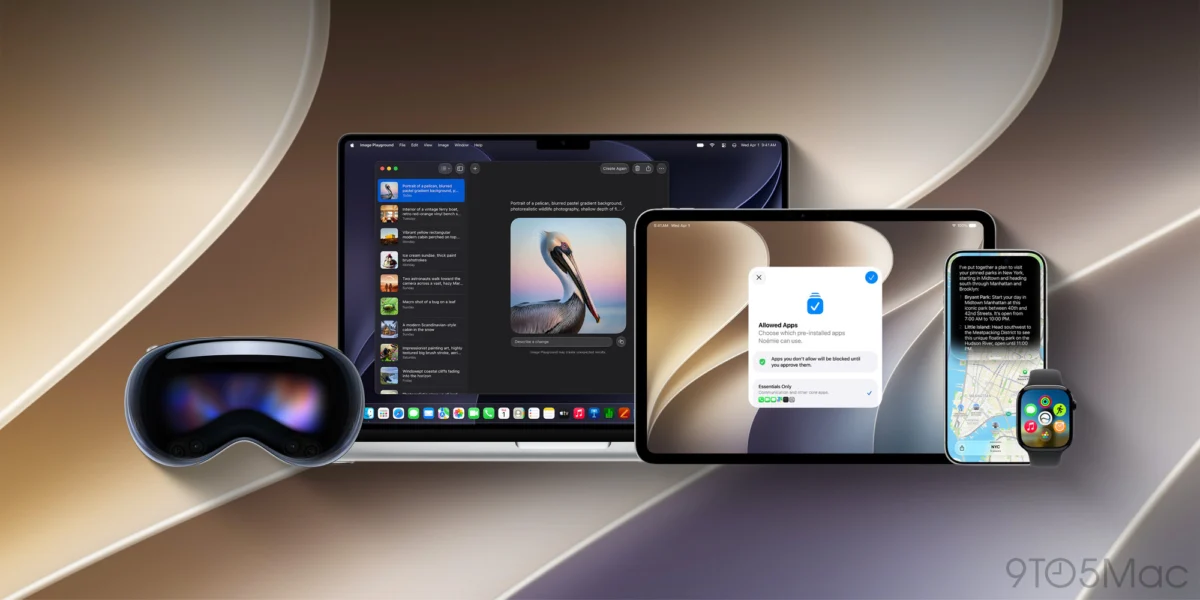
In a move that has sent shockwaves through the consumer technology landscape, Apple has officially announced significant, unprecedented price increases across the vast majority of its product ecosystem. From the versatile iPad lineup to the high-performance Mac series, the cost of entry for Apple’s premium hardware has climbed sharply. While the iPhone and Apple Watch have, for the moment, been spared, the market is bracing for what many analysts describe as the most severe memory supply crisis in a decade.
This shift is not a result of internal corporate strategy alone, but rather the manifestation of a global "AI-driven memory crisis." As hyperscale data centers race to build out the infrastructure required to power the next generation of artificial intelligence, they have effectively monopolized the global supply of high-end DRAM and flash memory. For Apple, which relies on high-speed, unified memory architectures integrated directly into its silicon, the rising cost of these components has finally reached a threshold where the company can no longer absorb the financial blow.
The Chronology of a Crisis: From Warnings to Reality
The current situation did not develop overnight. For the entirety of 2026, the technology sector has been under mounting pressure as AI demand eclipsed traditional manufacturing capacities.
- Early 2026: Market analysts began noting that memory manufacturers were shifting production capacity away from consumer-grade LPDDR5 and toward High Bandwidth Memory (HBM), which is essential for AI training clusters.
- Spring 2026: Lead times for semiconductor components began to stretch from weeks into months. Apple, known for its rigorous supply chain management, began adjusting procurement strategies to secure long-term allocations.
- June 17, 2026: Outgoing Apple CEO Tim Cook provided the first official acknowledgment of the looming instability. In an interview with The Wall Street Journal, Cook confirmed that price hikes were "unavoidable," noting that Apple had reached the limit of its ability to shield consumers from surging component costs.
- Late June 2026: Following a series of internal evaluations, Apple formally implemented new, higher pricing across its Mac and iPad product lines, confirming the fears of analysts who had monitored the memory spot market throughout the year.
Supporting Data: The Anatomy of a Price Spike
To understand the scale of this crisis, one must look at the commodity markets. The price of consumer memory has seen a meteoric rise. A standard 32GB DDR5 memory kit, which served as a reliable benchmark for enthusiast-grade hardware, saw its market price quadruple in less than twelve months. What was once an $90 component is now trading near the $400 mark.

The Apple Premium and Integrated Complexity
It is important to note that Apple’s hardware is not built with off-the-shelf consumer memory. Because Apple uses "Unified Memory Architecture," the RAM is soldered directly onto the silicon die. This design choice—while excellent for thermal management and raw speed—makes the company hyper-sensitive to the costs of high-bin memory wafers. When the price of raw silicon memory spikes, the manufacturing cost for an M-series chip increases exponentially, as there is no "cheap" alternative to swap in without sacrificing the performance standards Apple customers expect.
Furthermore, industry reports indicate that Q3 and Q4 of 2026 are expected to see an additional quarter-over-quarter increase in memory costs ranging between 30% and 50%. This suggests that the current price hike may only be the first phase of a broader realignment of hardware costs.
Official Responses and Strategic Maneuvers
Apple’s leadership has been transparent about the constraints they are facing. In his recent statements, Tim Cook emphasized the difficulty of the decision, noting, "We’re doing our best to mitigate the huge increases that are being passed to us, and we’ve been trying to shield our customers from the increases, but the situation has become unsustainable."
The Lobbying Effort
In an attempt to bypass the bottleneck, reports indicate that Apple has launched an aggressive lobbying campaign directed at the U.S. government. The goal is to obtain authorization to engage with specific, currently blacklisted Chinese memory manufacturers. While Apple is not technically prohibited from purchasing this memory, doing so would create a political and security-related firestorm, given that government officials and high-level contractors rely on Apple hardware. If successful, this move could diversify Apple’s supply chain and insulate it from the hyperscaler-driven demand, but it remains a high-stakes gamble in an era of intense geopolitical tension.

The Micron Factor
On the manufacturing front, there is a glimmer of hope. Micron Technology has begun a significant expansion of its U.S.-based memory fabrication facilities. However, the timeline for these "fabs" to come online is long. While capacity will incrementally increase over the next two years, the full benefit of this domestic production is not expected to be felt until 2030.
Implications: A New Baseline for Tech
The implications of this crisis extend far beyond Apple’s quarterly earnings report. The entire technology industry is currently re-evaluating the "AI-at-any-cost" strategy.
The Consumer Impact
For the average user, the message is clear: the era of cheap, high-performance computing may be on a multi-year hiatus. Analysts suggest that unless there is a dramatic cooling in the AI buildout—or a sudden, massive increase in global memory production—consumers should prepare for a "rough 2-4 years."
Those in the market for a new Mac or iPad are currently in a difficult position. While legacy inventory remains available at retailers like Amazon at pre-hike prices, these supplies are finite. Once the current stock is depleted, the new, higher price tags will become the universal standard.

The Industry Shift
This crisis serves as a harsh reminder of the physical limitations of the digital world. The AI boom, while transformative, is fundamentally tied to physical resources—copper, power, and, most critically, silicon. If the demand for AI compute continues to outpace the supply of memory, we may see a bifurcation in the market where only enterprise-grade hardware receives consistent supply, while consumer-grade devices are pushed into long, stagnant upgrade cycles.
Conclusion: How to Navigate the Coming Years
If you are currently relying on hardware that meets your daily needs, the best advice remains simple: do not feel pressured to upgrade. The current market is inflated, and buying during a supply-side peak rarely yields the best value for the consumer. However, for those who require new hardware for professional or educational purposes, it is likely that waiting for a price drop is a losing strategy.
The current trajectory suggests that prices will continue to rise throughout the remainder of 2026. While Apple may succeed in diversifying its supply chain through lobbying or long-term manufacturing partnerships, the structural cost of memory is unlikely to return to 2024 levels for the foreseeable future.
We are witnessing a structural change in how we value hardware. As the AI revolution consumes the global silicon supply, the "premium" label on devices is no longer just about design or ecosystem integration—it is a direct reflection of the brutal, competitive battle for the memory required to build the future. Consumers should expect to pay more, wait longer, and carefully consider the necessity of every upgrade in this new, high-cost environment.











