


Pinterest has long occupied a unique space in the digital landscape. Often dismissed in its early years as a simple digital scrapbook for wedding planning and DIY crafts, the platform has evolved into a powerhouse of high-intent consumer behavior. As we move through 2026, the numbers confirm that Pinterest is no longer just a social network; it is a sophisticated, visual-first search engine that has become indispensable for brands aiming to reach affluent, purchase-ready audiences.
With a massive user base and a culture centered on future-planning rather than past-scrolling, Pinterest represents a significant opportunity for marketers who are tired of the "noise" of traditional social feeds.

The State of the Platform: Key Statistics for 2026
The growth of Pinterest over the past several years has been marked by consistency and quiet dominance. As of Q1 2026, Pinterest reports 631 million monthly active users (MAUs). This figure is not an anomaly; it represents the tenth consecutive quarter of double-digit year-over-year growth.
This steady climb serves as a clear signal to the marketing community: Pinterest is not a passing trend. It is a maturing digital ecosystem that has successfully carved out a permanent niche in the consumer journey.

The Shift from Social to Search
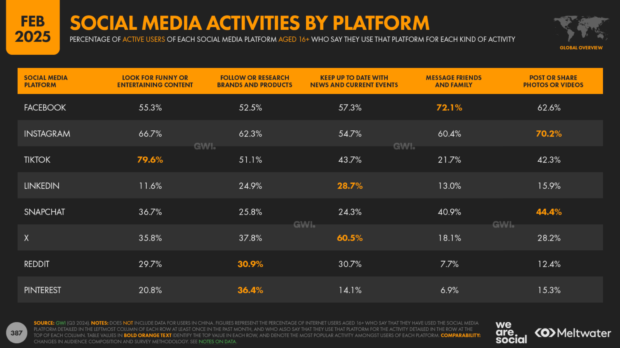
Perhaps the most critical takeaway for any digital strategist is the shift in how the platform is utilized. Pinterest is no longer used for passive consumption. Instead, brand and product research is the number one use case on the platform, outranking entertainment, news, and messaging.
This behavioral distinction is vital. When a user opens TikTok or Instagram, they are often looking to be entertained or to keep up with friends. When a user opens Pinterest, they are looking for answers, inspiration, and products to buy. This "job-to-be-done" mindset creates a unique environment where advertisements are not viewed as interruptions, but as helpful additions to the user’s search for discovery.
Chronology of Growth and Current Market Position
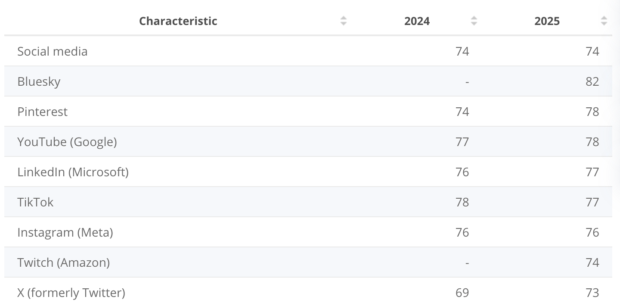
The trajectory of Pinterest’s success is built upon a foundation of user satisfaction. In 2025, the platform achieved an American Customer Satisfaction Index (ACSI) score of 78, consistently outperforming competitors like Instagram, Facebook, and TikTok.
- 2024–2025: Pinterest saw a massive surge in shoppable content, with user engagement on "buyable" pins increasing by 50%.
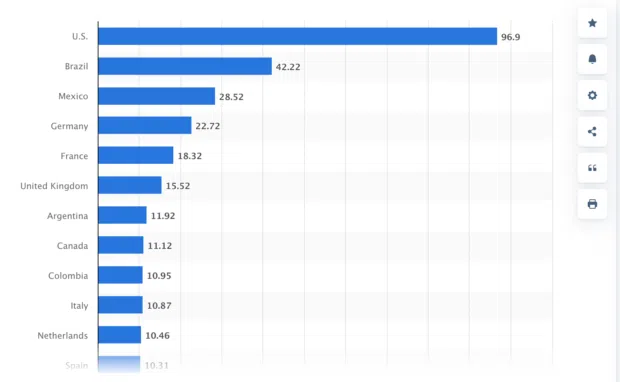
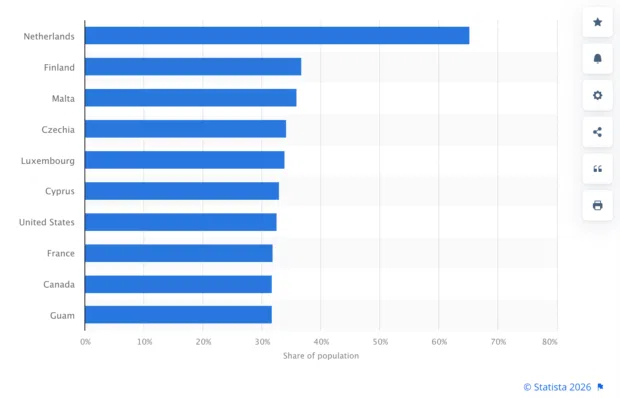
- Late 2025: The platform solidified its global reach, with the United States maintaining the largest user base at 96.9 million, while international markets—particularly the Netherlands, Finland, and Germany—showed some of the highest penetration rates in the world.
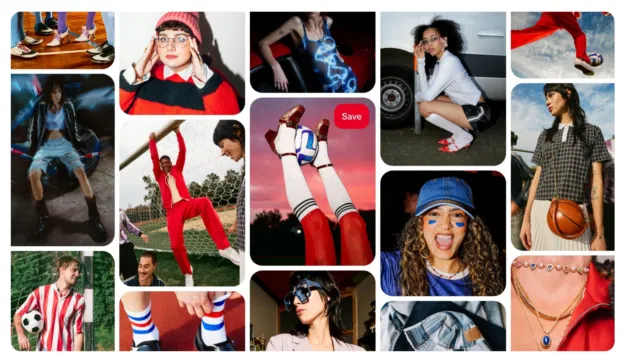
- 2026 (Year to Date): The platform is currently experiencing a "sports culture" boom, with massive interest in events like the World Cup fueling search trends for jerseys, "dad sneakers," and high-fashion sporting aesthetics.
Supporting Data: The Anatomy of a Pinner
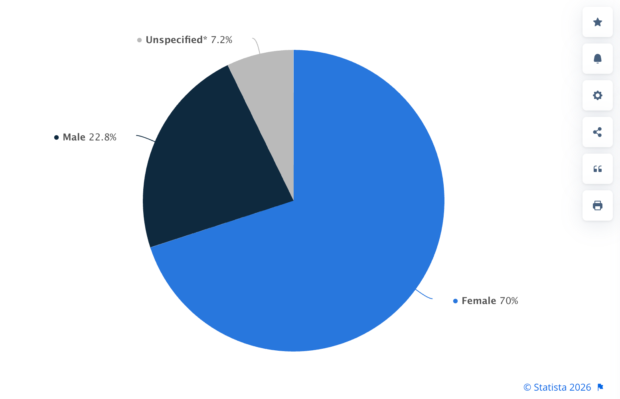
To effectively market on Pinterest, brands must understand the demographic profile of the user base. Currently, the platform is 70% female, and women lead usage across every age group. However, the most explosive growth is coming from Gen Z, which Pinterest has identified as its fastest-growing demographic.
The Affluence Factor
Pinterest is a hidden gem for brands targeting high-net-worth individuals. The platform reaches 40% of all U.S. households with an annual income exceeding $150,000. This demographic data, combined with the fact that Pinterest users spend 40% more per month than non-users, makes the platform a high-value environment for luxury, home decor, and lifestyle brands.
The "Search Engine" Reality
The volume of activity on the platform is staggering. Pinterest sees over 80 billion searches per month. Critically, 96% of these top searches are unbranded. This is a massive boon for smaller businesses. Unlike other platforms where you have to fight for space against massive corporate budgets, on Pinterest, a well-optimized, high-quality pin can surface for a generic search term, allowing a smaller brand to compete on equal footing with industry titans.
Official Stance and Platform Strategy
Pinterest’s leadership has been transparent about its vision: to move away from being a "social network" and toward becoming a "discovery engine." The company’s official messaging emphasizes that brand content should not interrupt the user experience but rather inspire it.
The platform is actively investing in tools that shorten the path to purchase. From native shopping features to advanced analytics dashboards, Pinterest is building a bridge between the initial spark of an idea and the final point of sale.
Global Expansion
While the U.S. remains the anchor of Pinterest’s revenue, the platform is seeing massive potential in international markets. In Q1 2026, revenue growth in regions outside of North America hit 59%. This indicates that as the platform scales, it is becoming a truly global marketplace, providing an entry point for brands looking to expand their footprint beyond domestic borders.
Implications for Marketers: Why You Need a Strategy
If your brand is not on Pinterest, you are likely leaving money on the table. However, the implication is not that you should simply treat Pinterest like a secondary Instagram account.
1. Optimize for Search, Not Just Visuals
Because the platform functions as a search engine, your SEO strategy is paramount. Use high-volume keywords in your Pin descriptions, board titles, and profile bio. Understand what your audience is searching for, and provide the solution through your imagery.
2. Embrace the "Slow Burn"
Pinterest content has a longer shelf life than almost any other social platform. A single Pin can continue to generate traffic and engagement months or even years after it was posted. This "evergreen" quality makes Pinterest an incredibly efficient use of a marketing team’s time.
3. Leverage the "Shopping Mood"
Users arrive on Pinterest with a "shopping mood" already activated. They are 90% more likely to be ready to purchase than users on other social media sites. Your strategy should focus on direct, clear calls to action that lead users to a seamless checkout experience.
4. Frequency Matters
With the average brand now publishing 10 posts per week, consistency is the key to triggering the algorithm. The best times to post are typically 12 PM on Tuesdays and Fridays, but testing your own specific audience data is essential.
Conclusion: The Future is Visual
As we look toward the remainder of 2026, the data is clear: Pinterest has evolved from a niche hobbyist site into a sophisticated commercial engine. It offers a rare combination of high-intent users, a search-based discovery model, and a lower barrier to entry for brands compared to the hyper-saturated environments of Meta or TikTok.
For the modern marketer, the path forward is clear. Stop thinking about "likes" and "followers." Start thinking about "searches," "saves," and "intent." By aligning your content with what users are actively looking for, you can turn Pinterest from a digital bulletin board into a consistent, high-converting revenue channel for your business.










