In a move that signals the most significant structural change to the world’s most popular messaging platform since its inception, WhatsApp has officially initiated the transition from phone-number-based identification to a username-centric system. By prompting its three billion global users to reserve their unique identifiers now, the Meta-owned platform is moving toward a future where the digits of a SIM card are no longer the gatekeeper to digital communication.
Fronted by a high-profile promotional campaign featuring heavyweight boxing champion Anthony Joshua, the initiative serves as a clear signal that WhatsApp is shedding its legacy constraints. For years, the app has been tethered to the physical phone number, a requirement that has long presented privacy hurdles and logistical friction. As the platform prepares for a broader rollout later this year, the shift promises to redefine how users connect, protect their personal data, and maintain a consistent digital identity across the Meta ecosystem.
The Core Transformation: Moving Beyond the Phone Number
Historically, WhatsApp has operated on a strict peer-to-peer verification model: to message someone, you needed their phone number. While this ensured high levels of security, it also created a privacy trade-off. Sharing a phone number with a stranger—such as a delivery driver, a marketplace buyer, or a new business acquaintance—effectively granted them access to one of the most sensitive pieces of personal data.
Under the new system, users will have the option to set a unique username that functions as their primary ID. This change fundamentally alters the "discovery" mechanic of the app. By decoupling the account from the phone number, WhatsApp is positioning itself more as an identity-based network rather than a telephony-dependent utility.
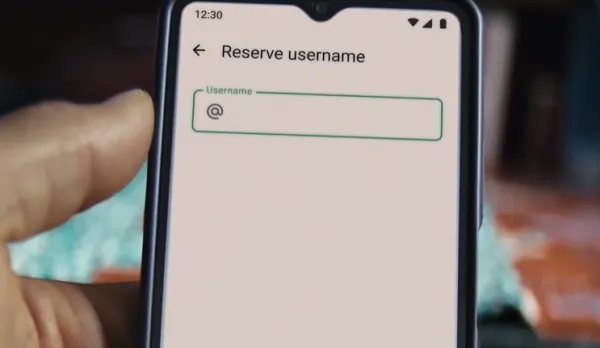
"Starting this week, you can reserve a username to use later this year when we launch this feature," the company stated in an official announcement. "With over three billion people on WhatsApp, a lot of names overlap. We are opening reservations early so everyone has the opportunity to select the username that matters to them."
A Chronology of the Transition
The road to this pivot has been paved with incremental updates, indicating that Meta has been testing the waters for this transition for the better part of a year.
- November 2023: Initial reports emerged suggesting that WhatsApp was exploring the implementation of usernames. At this stage, it was viewed as a potential solution to bridge the gap between business accounts and personal users.
- January 2024: The platform began surfacing username-related configurations within the profile settings of beta testers. This marked the first tangible evidence that the UI was being restructured to accommodate a non-numeric identifier.
- Mid-2024 (Current Phase): WhatsApp launched its global awareness campaign, featuring Anthony Joshua, to encourage mass adoption of the reservation system. The platform is now effectively "future-proofing" its database by allowing users to claim their handles before the system goes live.
This gradual approach has allowed Meta to refine the user experience, ensuring that the transition does not cause mass confusion among the platform’s diverse user base, which ranges from tech-savvy urbanites to users in developing markets for whom WhatsApp is the internet.
Protecting the Digital Footprint: Privacy and Security Implications
The shift to usernames is not merely a convenience feature; it is a calculated response to growing demands for user privacy.
No Directories, No Suggestions
WhatsApp has explicitly stated that the new system will not include a public directory or a "people you may know" suggestion engine. In a digital landscape dominated by social media algorithms that thrive on data-scraping and social graphing, WhatsApp is choosing the path of "intentional connection."
To start a conversation, a sender must know the recipient’s exact username. Furthermore, the platform has introduced an optional "username key"—an added layer of authentication that acts as a digital handshake. Without this key, even if a user knows your handle, they may be unable to initiate contact, providing a robust defense against spam and unwanted solicitation.
Data Minimization
By removing the necessity of sharing a phone number, users can interact with businesses and service providers without exposing their primary contact information. This is a massive win for privacy advocates who have long criticized the requirement of a phone number as an unnecessary exposure of sensitive identity markers.
Supporting the Ecosystem: Business and Creator Integration
Recognizing that brands, influencers, and small businesses rely on consistent branding, Meta is offering a "bridging" mechanism. Those who have already built an audience on Instagram or Facebook will be able to claim their existing handles on WhatsApp, provided they go through the verification process.
"We know that some people—like creators, small businesses, and organizations—may want to maintain a consistent presence online," the company noted. This ensures that a business known as "@CafeCentral" on Instagram can maintain that same identity on WhatsApp, creating a seamless omnichannel experience.
However, the reservation process for businesses is notably more restricted. Meta has mandated that businesses must use a mobile device to link their existing social media credentials to their WhatsApp account. This requirement serves as a secondary layer of security, ensuring that the individual claiming the handle is indeed the owner of the associated Meta assets.
Official Responses and User Action
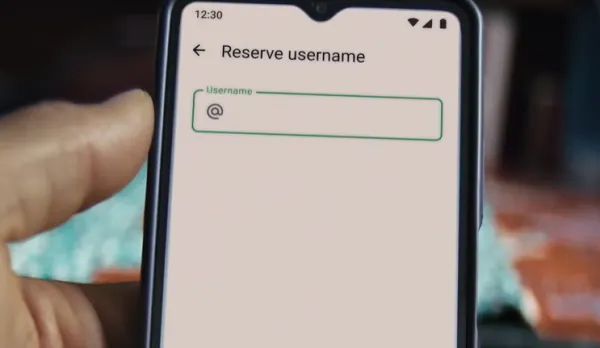
For the average user, the process of reserving a username is straightforward. By navigating to Settings > Account > Username, users can either manually input their preferred handle or utilize the platform’s built-in suggestion tool.
The urgency of this move is clear: with three billion active users, the "digital land grab" for common names is intense. Meta’s proactive strategy of letting users reserve names months before the feature is fully "live" is a defensive move designed to minimize the frustration of late-comers who find their names already taken.
The "Gradual Rollout" Strategy
WhatsApp has confirmed that the rollout will be staggered. Users will receive in-app notifications when the username functionality becomes fully active in their specific region. This approach prevents server-side strain and allows the engineering team to monitor for issues such as handle-squatting or fraudulent account activity.
The Strategic Implications for Meta
Why is WhatsApp doing this now? The implications extend far beyond simple user convenience.

1. Integration of the Meta "Super App" Vision
By aligning WhatsApp usernames with Instagram and Facebook identifiers, Meta is tightening the integration of its ecosystem. While the apps will remain distinct in their user experience, the underlying identity architecture is becoming increasingly unified. This creates a powerful cross-platform ecosystem where identity is fluid and portable.
2. Monetization and Business Messaging
WhatsApp has been aggressively pushing its "WhatsApp Business" API. By making usernames the primary point of contact, Meta is lowering the barrier for businesses to advertise their handles. Imagine a scenario where a company prints their WhatsApp username on a billboard or business card, rather than a long, cumbersome phone number. This streamlines the customer journey, making it easier for users to click-to-chat.
3. Reducing Dependence on Telcos
For years, WhatsApp has been dependent on the infrastructure of mobile telecommunications providers. By shifting to usernames, WhatsApp gains a degree of independence from the limitations of the global SIM system. This is particularly relevant in markets where users frequently switch phone numbers or use dual-SIM devices; a persistent username ensures that a user’s communication history remains intact regardless of their physical network provider.
Challenges on the Horizon
Despite the benefits, the transition is not without potential pitfalls. The most significant challenge is the potential for impersonation. Even with a verification system, bad actors may attempt to "squat" on the names of public figures or popular brands before the legitimate entities have a chance to claim them.
Furthermore, there is the risk of "identity fragmentation." If a user has a different username on Instagram, Facebook, and now WhatsApp, the goal of a unified Meta identity might be undermined by users who prefer to maintain distinct personas across different platforms.
WhatsApp’s success in this endeavor will ultimately depend on its ability to manage the transition smoothly, prevent the proliferation of spam accounts, and provide clear communication to its massive, global user base.
Conclusion: A New Era of Connectivity
The shift from digits to handles represents a maturation of the WhatsApp platform. It is a transition from a messaging app that mimics the constraints of the telephone to a modern, identity-first communications network.
For the average user, the immediate task is simple: head to the settings menu, secure your handle, and prepare for a shift that makes digital communication faster, more private, and more personal. As WhatsApp continues to roll out these updates over the coming months, the platform is not just changing how we send messages—it is changing how we define ourselves in the digital age.
Whether this move will lead to a more fragmented internet or a more unified social experience remains to be seen. But one thing is clear: the age of the phone number as the sole identifier of digital presence is rapidly coming to an end. The username era has officially arrived.