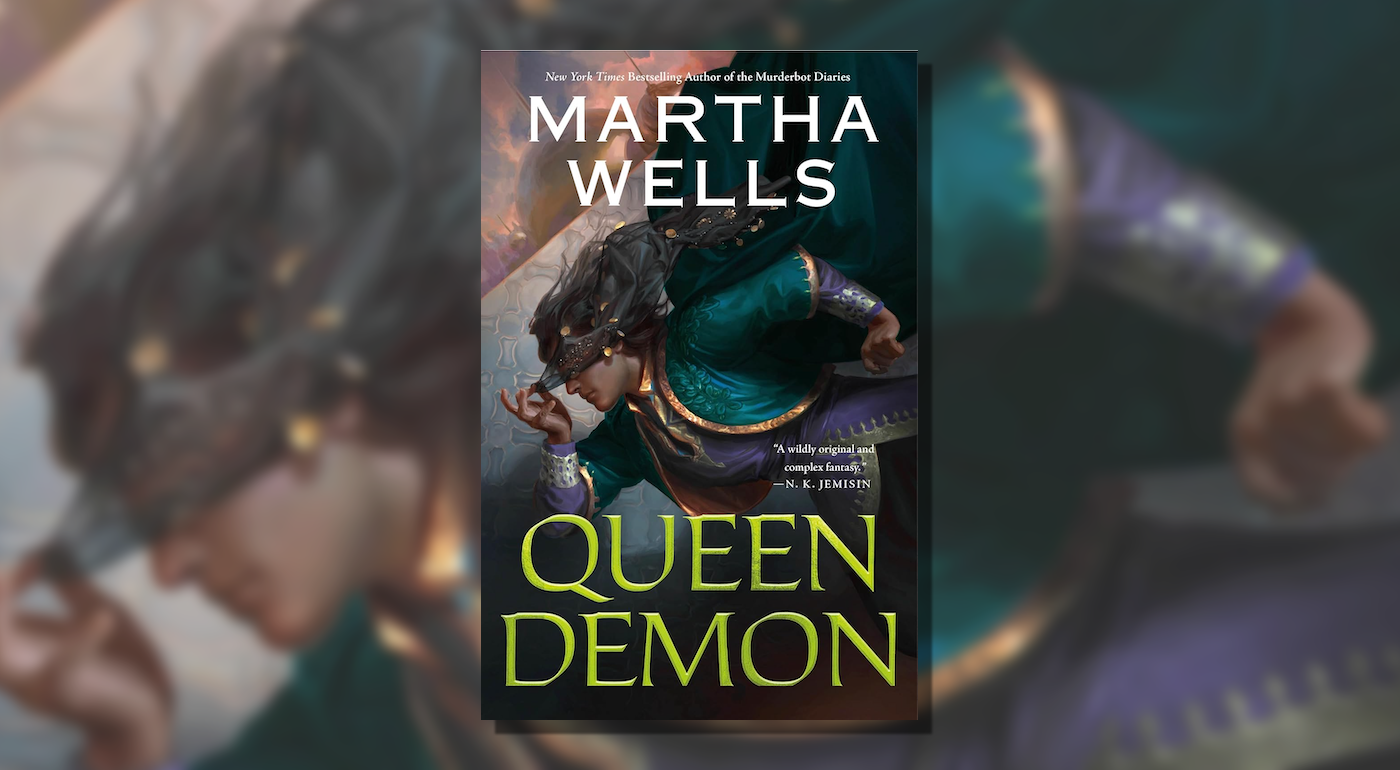
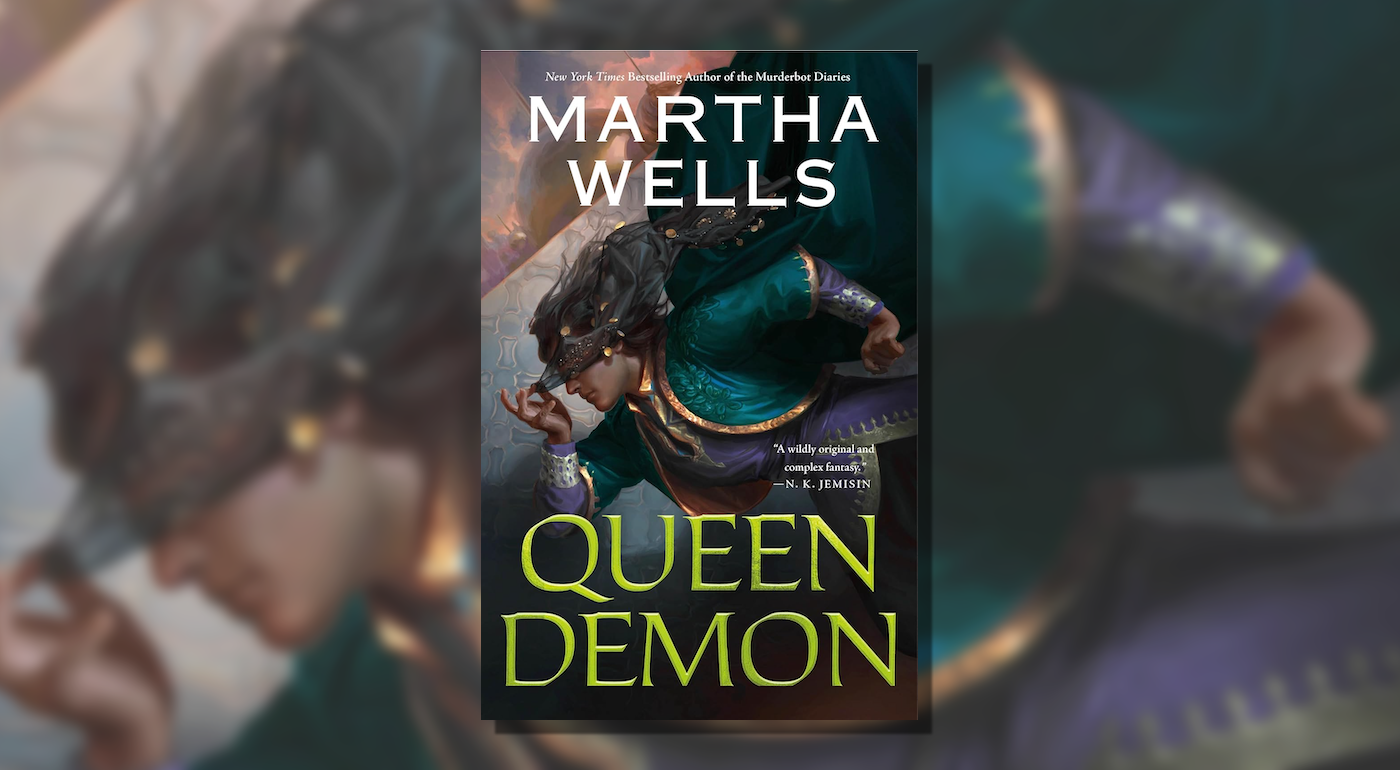
Since the release of Witch King, readers have been clamoring for the next chapter in the complex, sprawling epic of the Rising World. With the release of Queen Demon, author Martha Wells has delivered a sequel that not only expands the geopolitical stakes of her fantasy landscape but also interrogates the nature of power, sacrifice, and the messy, often contradictory choices that define the human—and demonic—experience.
For those who have been eagerly awaiting the latest installment, Queen Demon is more than just a continuation; it is a profound expansion of the series’ core themes, offering a masterclass in non-linear storytelling and character-driven stakes.
The Core Narrative: A Two-Front War
Queen Demon maintains the structural rhythm established in its predecessor, weaving together past and present timelines to provide a comprehensive look at the downfall and potential rebirth of the Hierarchs.
The Past: The Siege of Descar-arik
In the historical timeline, the narrative centers on the calculated, desperate march toward the port city of Descar-arik. Following the fallout from the previous volume, Kai, Ziede, and Tahren are engaged in a high-stakes campaign against the Hierarchs and their formidable legionaries.
The story highlights the brutal pragmatism of war. As Bashasa leads a caravan of soldiers and displaced civilians, the reader is exposed to the secondary conflicts simmering beneath the surface of the primary rebellion. Most notably, the book introduces a rogue Doyen—a powerful figure who has enslaved a faction of dustwitches through brainwashing and coercion. Her attempt to weaponize these witches against Kai serves as a dark reflection of the very systems the protagonists are fighting to dismantle. The resulting conflict forces the protagonists to confront a recurring, uncomfortable truth: in the face of absolute tyranny, even the "good" characters are occasionally forced to adopt the cruel tools of their oppressors to ensure survival.
The Present: The Shadow of the Well
The present-day timeline finds Dahin and the Immortal Blessed, Ilhanrun Highsun, embarking on a search for a "Hierarchs’ Well." Readers familiar with Witch King will recall that the Well was the primary instrument of the Saredi genocide—a source of immense power fueled by the literal deaths of thousands.
The tension in this timeline is existential. With the Hierarchs’ forces having retreated, the fear is that the remaining conquerors will harness the residual power of the Well to initiate a resurgence. The narrative follows the crew as they converge on Sun-Ar, only to find that the threat they anticipated is dwarfed by something far more complex. The book concludes with a dual emotional resonance: a quiet, fragile spark of hope in the past and a jarring, status-quo-shattering revelation in the present.
Character Dynamics: The "Emotionally Constipated" Core
At the heart of Wells’ high-fantasy world is a surprisingly grounded and deeply relatable human element. The romance between Kai and Bashasa continues to be a highlight, characterized by a slow-burn tension that has become a staple of the series.
The dynamic between the two is defined by an endearing "will-they-won’t-they" frustration. Bashasa’s transparent fluster around Kai—and Kai’s consistent, oblivious inability to interpret these cues—provides a necessary reprieve from the heavy, high-stakes political maneuvering. Similar tensions exist between Tahren and Ziede, forming a quartet of "emotionally constipated dorks" that provides the emotional tether for the reader. These interpersonal relationships serve a vital function: they ground the immense, world-spanning conflict in individual desire and intimacy, making the threat of loss feel deeply personal.
The Philosophy of Power: A Critical Analysis
One of the most compelling aspects of Queen Demon is its nuanced approach to power. Wells avoids the "evil as a cosmic force" trope, instead presenting power as a consequence of choice.
The Contrast of Intent
The book excels in its character studies, specifically the juxtaposition of Kai against figures like Arnsterath and the Blessed. While Kai occupies a body that is not his own, he does so with a heavy cost to his own physical and magical well-being, consistently opting for self-harm over the easy, corrupting power of the Well.
Conversely, characters like Arnsterath, Dahin, and Highsun represent the inherent entitlement of the Blessed class. Their belief that their plans are objectively "the best" and their willingness to treat companions as disposable pawns highlights the systemic rot of their society. As noted by critic Liz Bourke, Wells argues that evil is not a corruption separate from human choice, but rather the cumulative result of social and personal decisions regarding what we choose to build, support, or tear down.
Agency and Community
A recurring motif throughout Queen Demon is the offer of choice. Throughout the story, Kai and Bashasa repeatedly provide those around them—refugees, rebels, and allies—the opportunity to determine their own path. Whether it is the choice to remain in a camp, flee to safety, or join the front lines, the characters are defined by their autonomy. The character of Tenes serves as an exemplar of this, consistently choosing to fight for the greater good despite having every reason to prioritize her own safety.
Chronology and Narrative Structure
The decision to split the narrative into past and present segments is more than just a stylistic choice; it is an invitation for the reader to participate in the construction of the story’s history.
Many readers have expressed an interest in reading the series chronologically upon completion—tackling all the "Past" sections across the entire saga before diving into the "Present." This structural approach underscores the importance of history in the Rising World. By seeing the direct causal links between the choices made in the past and the resulting catastrophes of the present, the reader gains a profound appreciation for the cyclical nature of conflict and the weight of legacy.
Looking Ahead: The Ile-Rien Expansion
With the conclusion of the Queen Demon reading cycle, the focus shifts toward a new frontier in the Martha Wells bibliography: the five Ile-Rien books.
Starting with the 2024 revised edition of The Book of Ile-Rien, which collects The Element of Fire and The Death of the Necromancer, readers are encouraged to approach these texts with a clean slate. The upcoming discussion will follow publication chronology, serving as a deep dive for both long-time fans and newcomers looking to explore the broader scope of Wells’ literary contributions.
Final Thoughts: The Cost of Survival
Queen Demon is an exhausting, exhilarating, and deeply thoughtful addition to the fantasy genre. It forces the reader to weigh the consequences of power and to ask themselves: if you were given the keys to a kingdom, would you be able to maintain your integrity, or would you be consumed by the same machinery of control that you sought to destroy?
As the series moves toward its eventual conclusion, one thing is certain: Martha Wells has created a world where no victory is without a price, and no choice is ever truly trivial. The stress of the anticipation is gone, replaced by a lingering, desperate need for the next volume. For those currently waiting, the dustwitches’ need for dust is perhaps the only accurate metaphor for the reader’s need for the next installment of this extraordinary series.