Suro Senen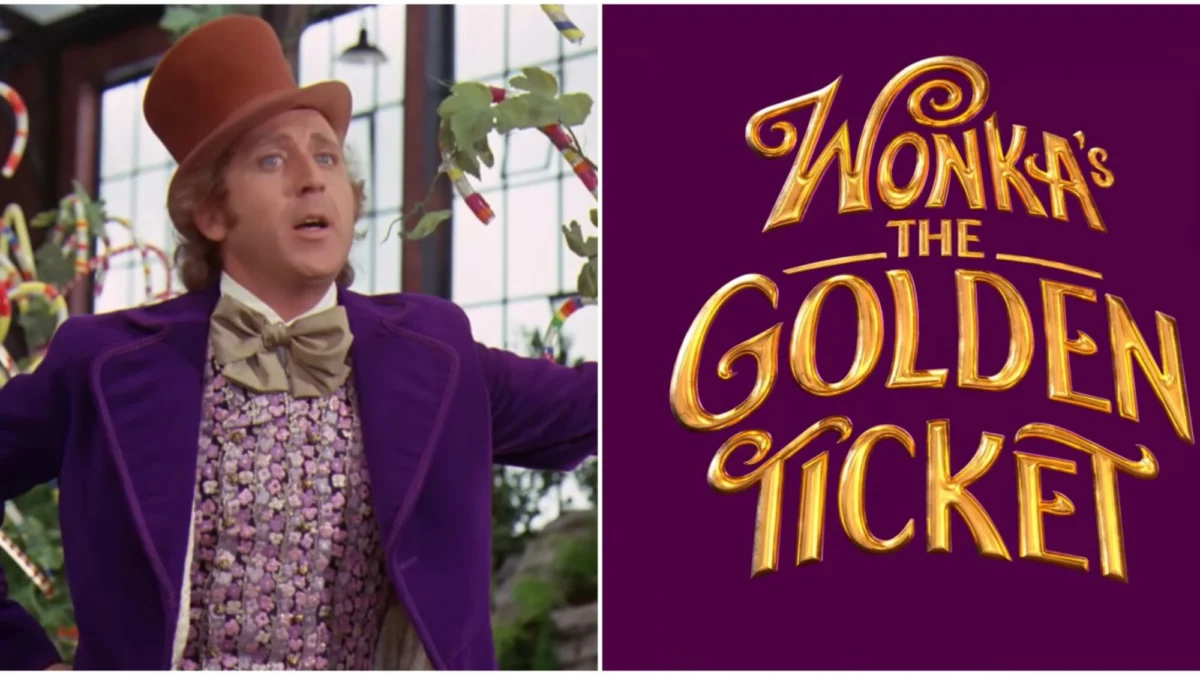
In a move that promises to reshape the landscape of nostalgic intellectual property, Netflix has unveiled an official teaser for its highly anticipated reality competition series, Wonka’s The Golden Ticket. While the premise—a high-stakes game show placing 12 contestants and their partners inside a meticulously crafted recreation of the iconic chocolate factory—is enough to pique the interest of any television enthusiast, the project has ignited a firestorm of discussion for a different reason: the resurrection of Gene Wilder’s voice through artificial intelligence.
The teaser, which hit social media platforms on June 30, 2026, features the unmistakable, whimsical, and slightly melancholic cadence of the late Gene Wilder, who portrayed Willy Wonka in the 1971 classic Willy Wonka and the Chocolate Factory. This digital recreation, developed using technology from the voice-synthesis leader ElevenLabs, marks a significant milestone in the ongoing debate regarding the use of generative AI in Hollywood.
The Mechanics of a Digital Legacy
The production of Wonka’s The Golden Ticket is a massive logistical undertaking, but the auditory component represents a technical breakthrough. According to production sources, the AI model used to synthesize Wilder’s voice was trained on extensive archival footage and audio recordings of the late actor. By isolating his unique vocal inflections, pitch, and rhythmic delivery, the production team has managed to generate new, context-specific narration that aligns with the requirements of the reality competition format.
The decision to lean into AI was not made lightly. Netflix and the Roald Dahl Story Company worked in close collaboration with the Gene Wilder Estate, ensuring that every word spoken by the digital recreation of the character adhered to the tone and spirit of the original performance. This is not merely a "deepfake" in the pejorative sense; it is a sanctioned, high-fidelity reconstruction intended to bridge the gap between the 1971 cinematic touchstone and a modern, high-octane competition series.
A Chronology of the Dahl-Netflix Universe
To understand the scope of this project, one must look at the timeline of Netflix’s aggressive expansion into the Roald Dahl library. Following the streaming giant’s acquisition of the Roald Dahl Story Company in 2021, Netflix has sought to create a cohesive, multi-platform "Wonkaverse."
- 2021: Netflix completes the acquisition of the Roald Dahl Story Company, securing the rights to a vast catalog of intellectual property.
- 2022-2023: The streamer finds early success with adaptations like Matilda the Musical and the critically acclaimed short films directed by Wes Anderson, including The Wonderful Story of Henry Sugar.
- 2024: Development begins on Wonka’s The Golden Ticket, with an emphasis on creating a "reality-meets-fantasy" experience.
- 2025: Production on the reality series accelerates. The team confirms the return of original Oompa Loompa actor Rusty Goffe, providing a physical bridge to the 1971 legacy.
- June 30, 2026: Netflix releases the official teaser featuring the AI-generated voice of Gene Wilder, sparking immediate global conversation.
- 2027 (Projected): The release of Charlie vs. the Chocolate Factory, an animated feature starring Kit Connor and Taika Waititi, is slated to further expand the franchise.
The Role of the Estate: A Blessing from Karen B. Wilder
The ethical concerns surrounding AI in entertainment are profound, yet the Gene Wilder Estate has emerged as a vocal proponent of this specific implementation. In a statement released shortly after the teaser’s debut, Karen B. Wilder addressed the fans, emphasizing the continuity of joy that her husband’s performance has provided for over half a century.

"More than five decades after Gene brought Willy Wonka to life, people of all ages and backgrounds around the world continue to find joy, laughter, and inspiration in his performance," she noted. "Gene had a remarkable ability to bring humor, wonder, and heart into people’s lives, and that connection has endured for generations. We are delighted that Wonka’s The Golden Ticket celebrates the warmth and imagination that he brought to the role, introducing that magic to a new generation while honoring the fans who have cherished it for decades."
By framing the AI as a tool for "celebrating warmth and imagination," the estate has effectively distanced the project from the more cynical criticisms of AI usage—namely, that it is being used to replace living actors or cut corners on creative production.
Supporting Data: Why Now?
The strategy behind Wonka’s The Golden Ticket is driven by a data-backed understanding of the current "nostalgia economy." Netflix’s internal metrics consistently show that legacy properties—those with established fanbases from the 1970s, 80s, and 90s—perform significantly better when they can bridge the gap to younger viewers.
By using the voice of the original Willy Wonka, Netflix is effectively anchoring the reality series in the "gold standard" of the character. The inclusion of Rusty Goffe, the original Oompa Loompa, serves a similar function: it acts as a "seal of authenticity." While the competition itself will be modern, fast-paced, and high-stakes, the auditory and visual callbacks create a sense of continuity that traditional reality television lacks.
Furthermore, the involvement of executive producers such as Chris Culvenor, Paul Franklin, and Rikkie Proost suggests a high-budget production quality that aims to elevate the "game show" genre into a premium, cinematic event.
Implications for the Future of Hollywood
The use of AI in this context signals a turning point in entertainment law and ethics. If a studio can successfully use the voice of a beloved, deceased actor with the permission of their estate, it opens the door to a new era of "synthetic performances."
The Ethical Divide
There are two schools of thought currently emerging within the industry:
- The Preservationist View: Proponents argue that if the estate provides consent and the usage is respectful, AI allows for a kind of digital immortality that can keep a beloved actor’s "spirit" alive, providing comfort and joy to millions of fans.
- The Humanist View: Critics fear that this sets a dangerous precedent. If the industry becomes comfortable with synthetic voices, where is the line drawn? Could future contracts include clauses that essentially sell an actor’s "vocal likeness" in perpetuity, effectively removing the need for new talent to interpret roles?
Netflix’s approach, which involves clear communication and estate endorsement, is likely the template for how this technology will be integrated in the near future. By being transparent about the use of ElevenLabs’ technology, Netflix is attempting to get ahead of the inevitable backlash, proving that they view the AI not as a replacement for human performance, but as a bridge to a bygone era.
The Reality Competition Experience
As for the show itself, Wonka’s The Golden Ticket promises to be a grueling but whimsical test of skill. Twelve pairs of contestants will face challenges designed to mimic the trials found within the factory. While the details of the "life-changing prize" remain under wraps, the teaser implies that the stakes are high, and the set design—reminiscent of the 1971 film’s iconic aesthetic—will be a centerpiece of the viewing experience.
The synergy between the physical set and the digital voice of Gene Wilder will likely be the primary draw for audiences. Viewers are being asked to suspend their disbelief and step into a world that is simultaneously 55 years old and brand new.
Final Reflections
As we look toward the 2027 release of the animated Charlie vs. the Chocolate Factory and the rollout of this reality series, it is clear that Netflix intends to make the Roald Dahl universe a cornerstone of its content strategy. The use of AI Gene Wilder is, at its core, a marketing masterstroke. It creates a "hook" that is impossible to ignore, while simultaneously sparking a debate that will keep the project in the headlines for months to come.
Whether or not the audience accepts the "Digital Wonka" remains to be seen. However, if the reception to the teaser is any indication, the world is still deeply, profoundly in love with the magic of the chocolate factory—and perhaps, in this new, high-tech age, they are willing to accept a digital ghost as its guide. As the series approaches its premiere, all eyes will be on how well this blend of tradition and technology holds up under the scrutiny of the fans who know the original performance by heart.

 Sagoh
Sagoh
 Ammar Sabilarrohman