Asep Darmawan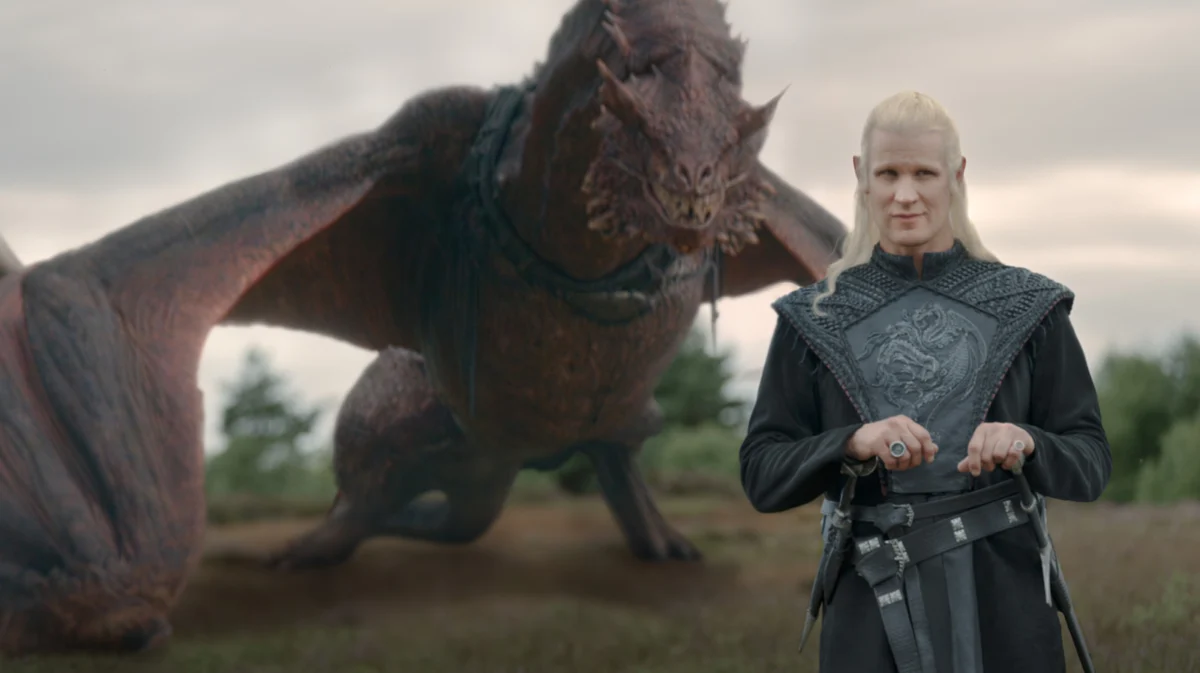
In the high-stakes arena of prestige television, the relationship between an original author and a showrunner is typically characterized by mutual respect and collaborative synergy. However, the tenure of House of the Dragon has been defined by something far more volatile: a public and increasingly bitter philosophical divide between the architect of Westeros, George R.R. Martin, and the show’s creative leadership. As the series enters its highly anticipated third season, eagle-eyed viewers believe they have spotted a "smoking gun"—a visual retort that suggests the production is no longer merely adapting Martin’s work, but actively engaging in a meta-textual battle with him.
The point of contention centers on a phrase that has become synonymous with the show’s recent creative tensions: "Beware the butterflies." What might appear to be a poetic warning in the context of a fantasy epic is, in reality, a direct callback to the public fallout between the author and the show’s creative team.
The Genesis of the Conflict: A Tale of Two Visions
To understand the current fervor, one must revisit the events of late 2024. George R.R. Martin, the progenitor of the A Song of Ice and Fire universe, took to his personal blog with a post titled "Beware the Butterflies." In a candid, albeit subsequently deleted, critique, Martin expressed profound disappointment regarding the deviations taken by showrunner Ryan Condal during the second season of House of the Dragon.
Martin’s central argument was that television adaptations often succumb to the "butterfly effect"—where minor, seemingly inconsequential changes made in early seasons snowball into massive, insurmountable narrative inconsistencies in later ones. He specifically cited concerns regarding the characterization of Prince Maelor and the potential restructuring of future seasons, warning that if these changes were to persist into Seasons 3 and 4, the narrative integrity of his source material, Fire & Blood, would be irrevocably compromised.
For a show that prides itself on internal logic and adherence to the "history" of the Targaryen dynasty, Martin’s public critique was a significant blow. It signaled to the fanbase that the "father" of the franchise was no longer in lockstep with its current screen-based direction.
The "Queen’s Landing" Smoking Gun
As the dust settled from the initial controversy, the production of Season 3 proceeded with a palpable sense of tension. In the recent episode "Queen’s Landing," a brief, calculated moment has reignited the discourse. During a scene between Alicent Hightower (played by Olivia Cooke) and her daughter, Helaena Targaryen (Phia Saban), the camera rests with deliberate focus on a book being read by Helaena.
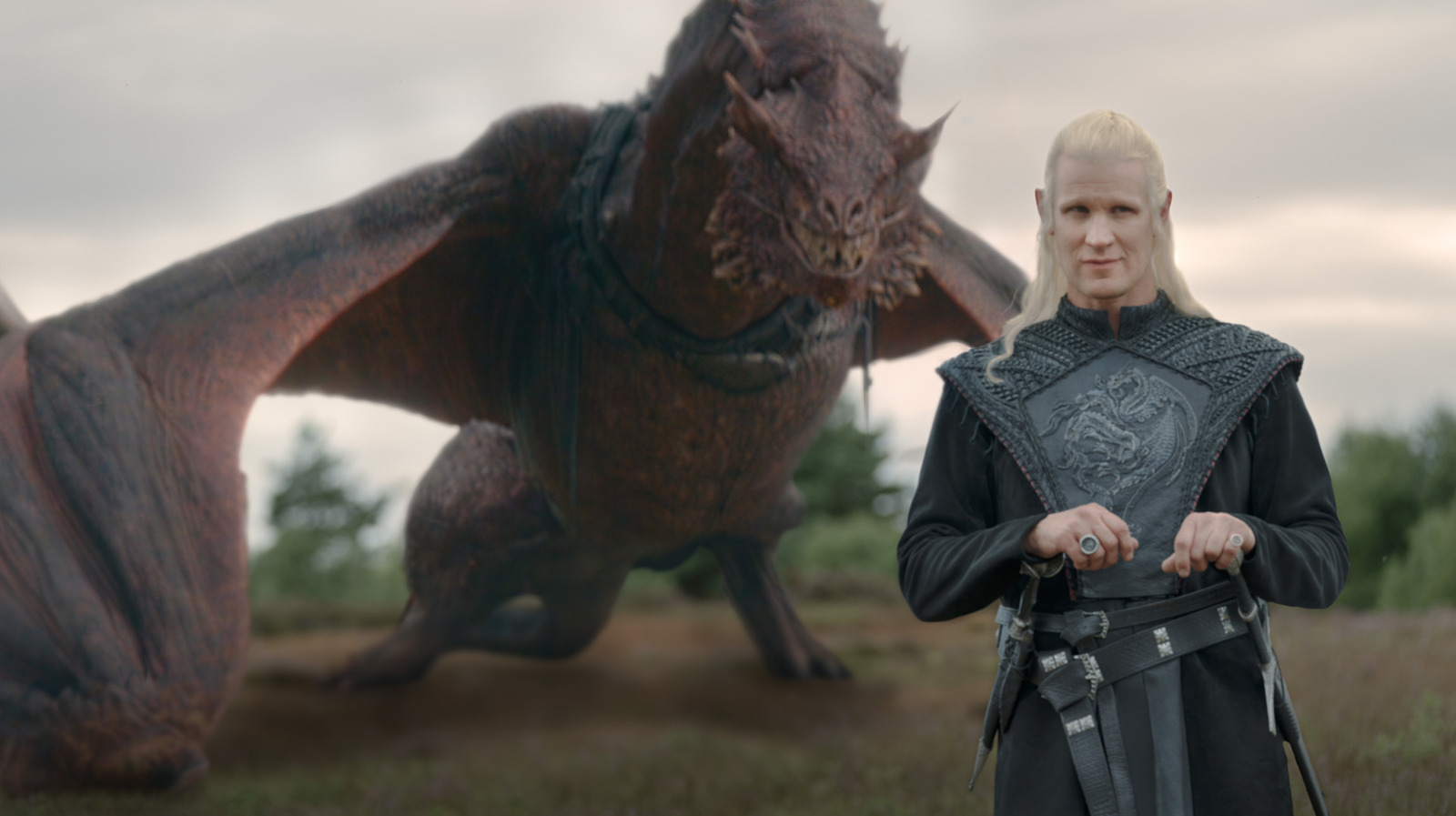
The page is open to an illustration of a butterfly. A deeper examination of the text—rendered visible through high-definition streaming—reveals that the species in question is not merely decorative; it is a poisonous variety. To those familiar with the "Beware the Butterflies" saga, the imagery is impossible to ignore. Fans have interpreted this as a direct, stinging response to Martin: a suggestion that the "toxic" changes the author fears are not errors, but intentional creative choices that the showrunners are doubling down on.
Chronology of a Fractured Partnership
The friction between the author and the showrunners did not emerge in a vacuum. It is the culmination of years of shifting creative control.
- Pre-Production Phase: Initially, the collaboration between Martin and Ryan Condal was touted as a gold standard for adaptations. Martin was heavily involved in early creative meetings, lending his blessing to the foundational elements of the series.
- Season 1 Success: The reception of the inaugural season was largely positive, with critics and audiences praising the series for its fidelity to the tone of the source material.
- The Season 2 Pivot: As the series moved away from the more historical, objective tone of Fire & Blood and toward a more traditional, dramatic character-study structure, the first cracks appeared. Changes to the "Blood and Cheese" sequence and the omission of certain character arcs created internal friction.
- The "Butterfly" Manifesto: Martin’s blog post served as the public breaking point, effectively drawing a line in the sand between his vision of Westeros and the show’s television adaptation.
- The Season 3 "Response": The current narrative arc appears to be the show’s way of reclaiming its autonomy, asserting that the television show is a separate entity that must prioritize visual storytelling and pacing over strict adherence to the prose.
Historical Precedent: Tyrion and the Beetles
This is not the first time a series in this universe has utilized a "meta" moment to address external criticism. During the fourth season of the original Game of Thrones, the show featured a scene involving Tyrion Lannister (Peter Dinklage) and a long, bizarre monologue about his cousin Orson, who spent his days crushing beetles with a rock.
At the time, the monologue left many viewers baffled. However, many critics interpreted it as a thinly veiled rebuttal to fans who criticized George R.R. Martin’s penchant for killing off characters. Tyrion’s monologue, which ended with him asking "Why?" and finding no answer, was viewed by many as the showrunners mocking the "meaningless" nature of the deaths that fans were complaining about.
If the "poisonous butterfly" in Season 3 is indeed a purposeful jab at Martin, it follows a well-established pattern of high-budget television productions using the screen as a soapbox to engage with their critics. It is a bold, risky move that risks alienating the purist wing of the fanbase, but it reinforces the idea that House of the Dragon is now a distinct creative entity from the books that spawned it.
The Implications: Adaptation vs. Authorship
The implications of this silent war are significant. If the showrunners are indeed using visual cues to signal their defiance of the author, it suggests a permanent shift in the power dynamic of the franchise. It moves the series away from the collaborative spirit of the early days and into a model where the showrunners are essentially "re-writing" the canon.
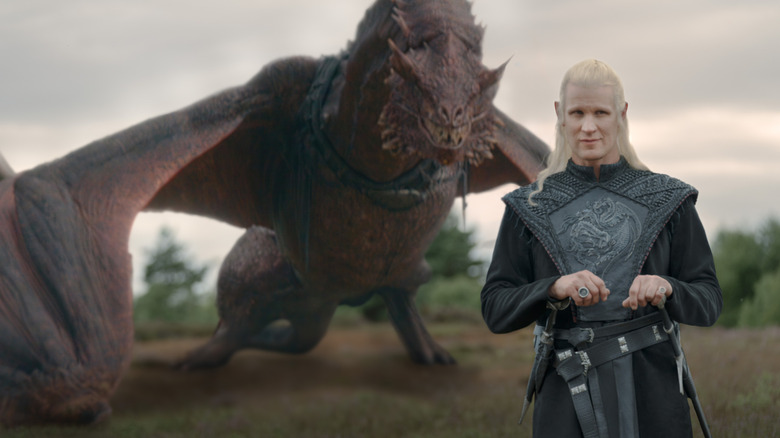
Furthermore, this internal conflict poses a risk to the long-term legacy of the franchise. A Song of Ice and Fire is a dense, interconnected mythology; when the showrunners and the author begin to diverge, the audience is left in a state of cognitive dissonance. Which version of the story is "true"? Which character motivations should be considered definitive?
Assessing the Evidence: Intentional or Coincidental?
While the theory of the "toxic butterfly" as a jab at Martin is compelling, it is important to maintain a level of objective skepticism. Helaena Targaryen has, since her introduction, been established as a character with a unique, often cryptic affinity for insects and the natural world. It is entirely plausible that the choice of book was a character-driven decision, meant to foreshadow her own tragic, "poisoned" future within the story, rather than a calculated insult toward an octogenarian author.
However, in the world of prestige drama, "nothing is accidental." Set design, prop placement, and cinematography are meticulously planned. To have a camera linger on a specific page that just happens to mirror the exact phrasing of a high-profile public controversy is, at the very least, an act of intentional irony by the production team.
Conclusion: A New Era for Westeros
Whether this is a deliberate "fire with fire" response or merely a case of fans reading too much into a background prop, the situation underscores the precarious nature of adapting living literature. As House of the Dragon continues its march toward the climactic events of the Dance of the Dragons, the tension between the page and the screen will likely only intensify.
For now, the audience remains divided. Some applaud the showrunners for asserting their creative independence, arguing that television is a visual medium that requires different narrative mechanics than literature. Others view the perceived mockery of Martin as a sign of arrogance, fearing that the show is losing the "soul" that made the original work so compelling.
One thing is certain: as the butterflies continue to flutter through the halls of the Red Keep, the eyes of the fantasy world remain fixed on the screen, waiting to see if these poisonous symbols will lead to a glorious flight or a catastrophic crash. New episodes continue to air on HBO, and with them, the battle for the legacy of Westeros rages on.

 Rifan Muazin
 Nila Kartika Wati