

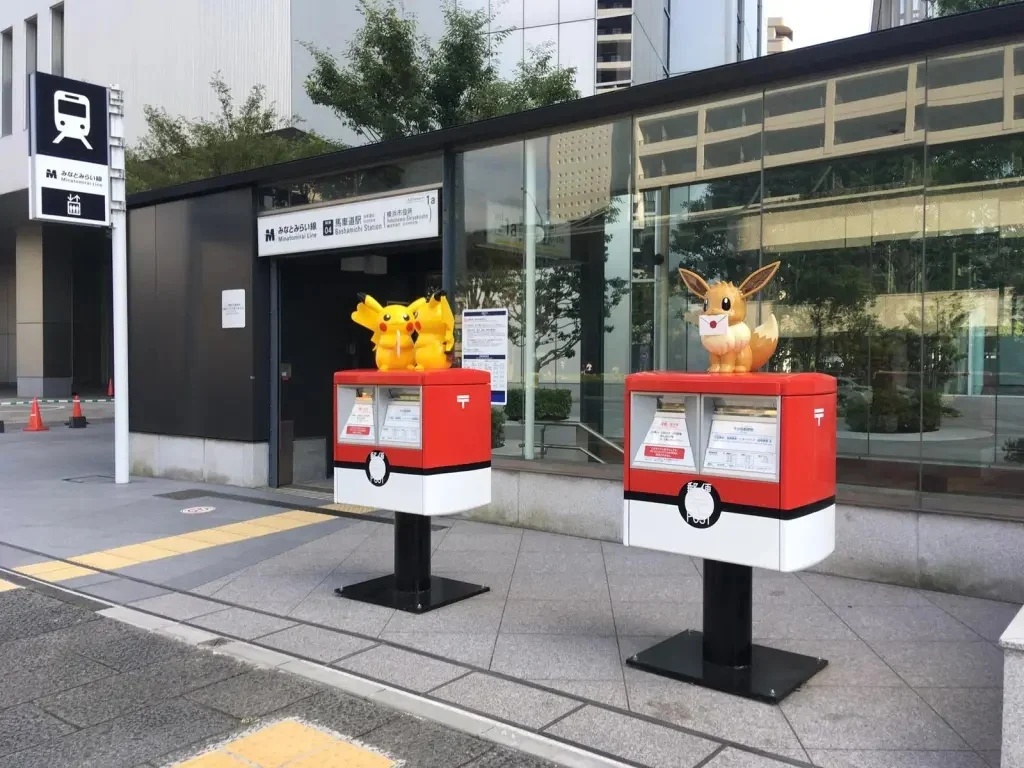
In a heartwarming turn of events for residents and tourists in Yokohama, the city’s beloved Pokémon-themed mailboxes—featuring franchise icons Pikachu, Eevee, and Piplup—have been granted a new lease on life. Originally slated for permanent removal at the close of business on June 30, 2026, the unique street furniture will now remain in operation for at least another year, following a last-minute extension agreement between Japan Post and The Pokémon Company.
The announcement, which arrived just as the rain clouds parted over the Kanagawa prefecture city, transformed what was expected to be a day of bittersweet goodbyes into a celebration of public affection and corporate cooperation.
The Main Facts: A Permanent Fixture in the Making
Yokohama, located just a thirty-minute train ride south of Tokyo, is home to three distinct Pokémon-themed mailboxes that have become unofficial landmarks of the city’s urban landscape.
The installations consist of:
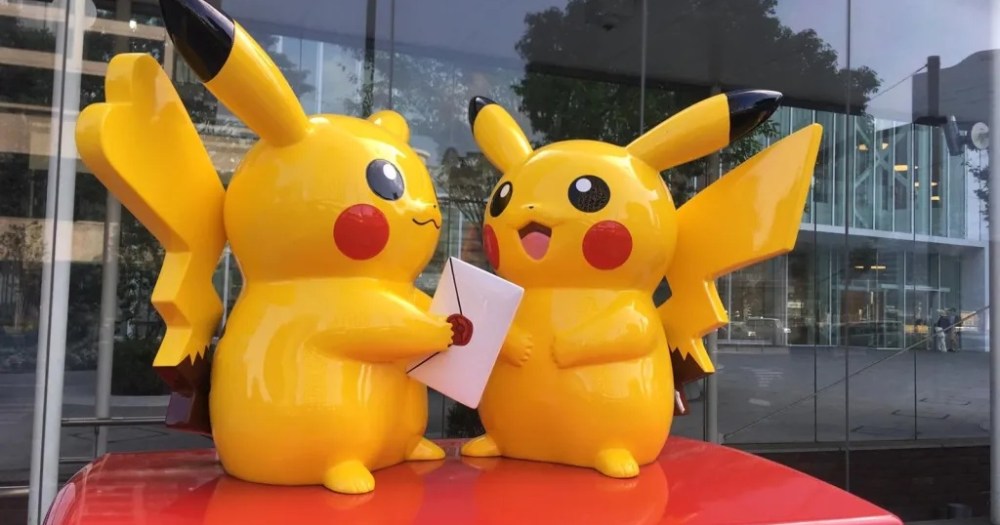
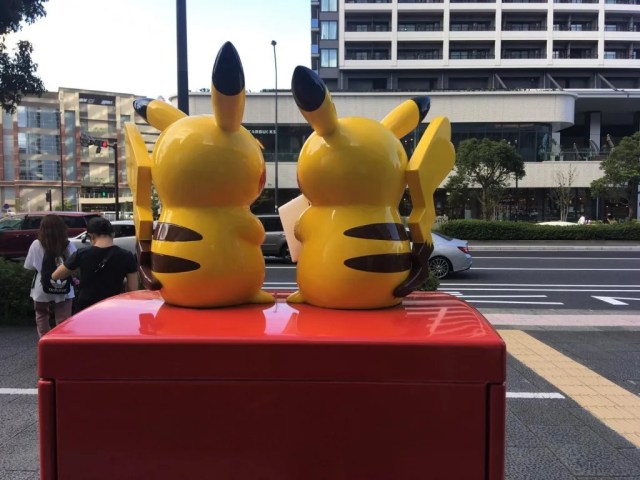
- The Pikachu Couple Mailbox: Located outside the Yokohama City Hall building, this unit features a pair of Pikachu perched atop the pillar, serving as a popular photo spot for commuters and tourists.
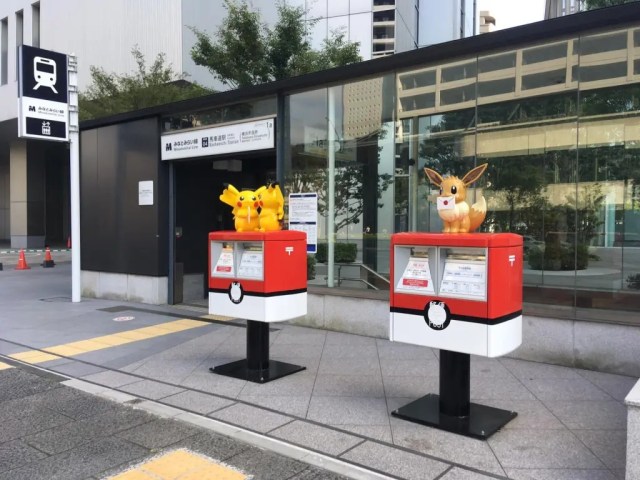
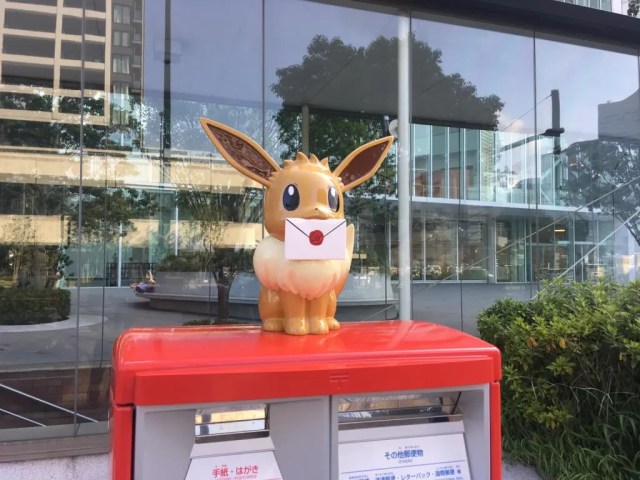
- The Eevee Mailbox: Situated at the Bashamichi Station entrance, this unit highlights the fan-favorite Eevee, blending seamlessly into the city’s modern transit aesthetic.
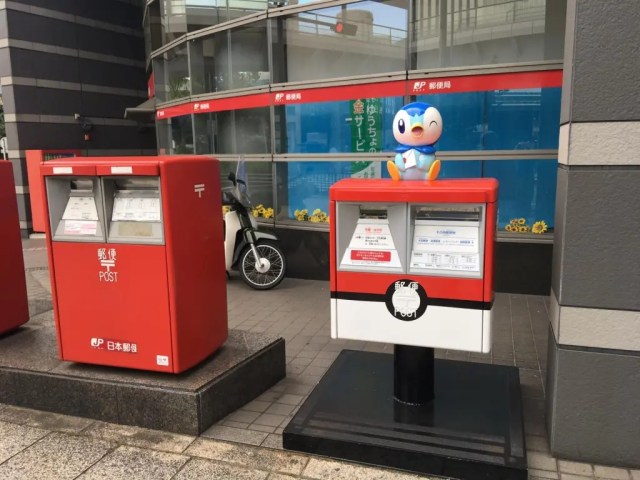
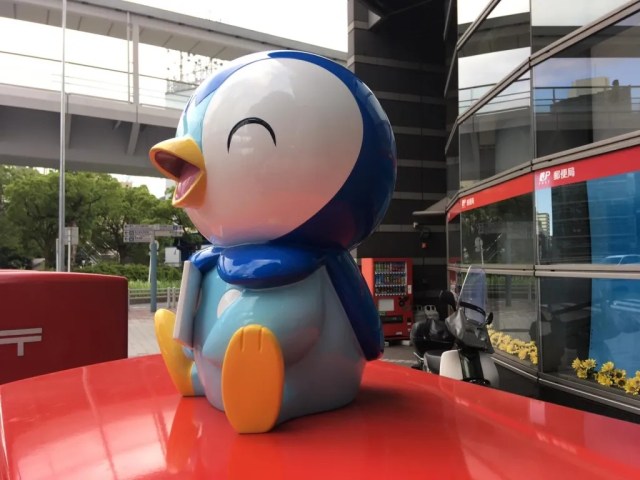
- The Piplup Mailbox: Located just a block away at the Yokohama Sakuragi Post Office, this unit features the water-type Pokémon Piplup, which has become a recognizable symbol for local postal services in the area.
These units are not merely decorative; they are fully functional postal boxes, accepting letters and postcards from citizens daily. Their survival until June 2027 ensures that the synergy between Japanese pop culture and public infrastructure will continue to flourish.
A Chronology of Collaboration
The journey of the Yokohama Pokémon mailboxes is a testament to the longevity of the Pokémon franchise and its ability to integrate into the daily fabric of Japanese society.
2021: The Launch
The project was first unveiled in July 2021 as part of a campaign to invigorate local tourism and bring a sense of whimsy to standard public utilities. At the time of their installation, both Japan Post and The Pokémon Company envisioned a one-year experimental run, with a removal date set for the end of June 2022.
2022: The First Extension
As the initial deadline approached in 2022, the overwhelming positive reception from the public—evidenced by the consistent stream of visitors and the high volume of social media engagement—prompted an immediate extension. Both parties agreed to keep the boxes in place for another four years, pushing the expiration date to June 30, 2026.
2026: The Eleventh-Hour Reprieve
As June 30, 2026, dawned, the public had braced for the removal. However, reports confirmed that throughout June, visitor numbers had surged, even in the absence of official marketing or "farewell" ceremonies. This grassroots outpouring of affection served as the catalyst for a final, frantic round of negotiations. In a move that surprised many observers, the two organizations reached a renewed agreement just hours before the scheduled decommissioning, securing the site for an additional twelve months.
Supporting Data: Why Fan Engagement Matters
The success of these mailboxes is rooted in their ability to bridge the gap between "Instagrammable" tourism and essential municipal services. According to local reports from the Yokohama Sakuragi Post Office, the volume of foot traffic near the mailboxes remains significantly higher than that of standard, non-themed units in the city.
The spokesperson for the post office noted that the lack of official "hype" or promotional events during the final month of the initial term was a deliberate choice to gauge organic interest. The results were clear: fans continued to visit in droves, rain or shine. This data proved to both Japan Post and The Pokémon Company that the mailboxes had transcended their original purpose as a temporary marketing stunt and had become genuine, cherished community fixtures.
Official Responses and Corporate Strategy
Neither Japan Post nor The Pokémon Company has disclosed the granular details of the negotiations that led to the extension. However, industry analysts suggest that the complexity of the agreement lies in the strict quality control protocols maintained by The Pokémon Company.
The Pokémon brand is notoriously protective of its image. As these mailboxes are exposed to the harsh elements—including humidity, salt air from the port, and the physical wear and tear of urban life—maintaining the structural and aesthetic integrity of the statues is paramount. A chipped or faded Pikachu is, in the eyes of the rights holders, a liability.
This caution is likely heightened by recent events in other parts of Japan. The industry is currently hyper-aware of the challenges regarding public art maintenance, as seen in the recent reports regarding damage to various Pokémon statues at a new hot spring resort in Ishikawa Prefecture. The Pokémon Company is reportedly tightening its oversight on such collaborations to ensure that public-facing assets remain in pristine condition.
By extending the lease for another year, Japan Post has essentially committed to a higher standard of maintenance, ensuring that the characters continue to look as vibrant as they did on day one.
Implications: The Future of Public-Private Pop Culture
The survival of the Yokohama mailboxes raises interesting questions about the future of public art and corporate branding in Japan.
The "Pokémon Effect"
The longevity of these mailboxes highlights a broader trend: the "Pokémon-ification" of municipal infrastructure. Across Japan, we have seen Pokémon-themed manhole covers, park benches, and even police boxes. Yokohama’s success serves as a blueprint for other cities looking to boost local engagement through recognizable intellectual property.
Sustainability Concerns
However, the extension also highlights the long-term sustainability of such projects. While fans love the installations, the costs associated with cleaning, repainting, and structural repair are not insignificant. The fact that the agreement was renewed at the eleventh hour suggests that while the partnership is successful, it is not "on autopilot." Both parties must continually re-evaluate the cost-benefit analysis of these installations.
Cultural Heritage
Ultimately, these mailboxes have become part of the local identity. They are no longer just "advertisements" for the franchise; they are landmarks where people meet, where families take photos, and where the mundane act of mailing a letter becomes an experience. By choosing to extend the agreement, Japan Post has acknowledged that these objects have value that exceeds their utility—they represent a shared cultural joy.
Conclusion
As the sun shines over Yokohama, fans can rest easy knowing that their dedication has been rewarded. The survival of the Pikachu, Eevee, and Piplup mailboxes until June 2027 is a rare victory for public sentiment in an era of rapidly changing corporate priorities.
For the visitors who flocked to the sites in late June, the result is a reminder that in a world of digital entertainment, physical, tangible connections to the brands we love still hold immense power. As for what happens in 2027? If the current trend of fan enthusiasm is any indicator, it is highly likely that these Pokémon will find yet another reason to stay, becoming a permanent, iconic part of Yokohama’s maritime skyline.











