Evan Lee Salim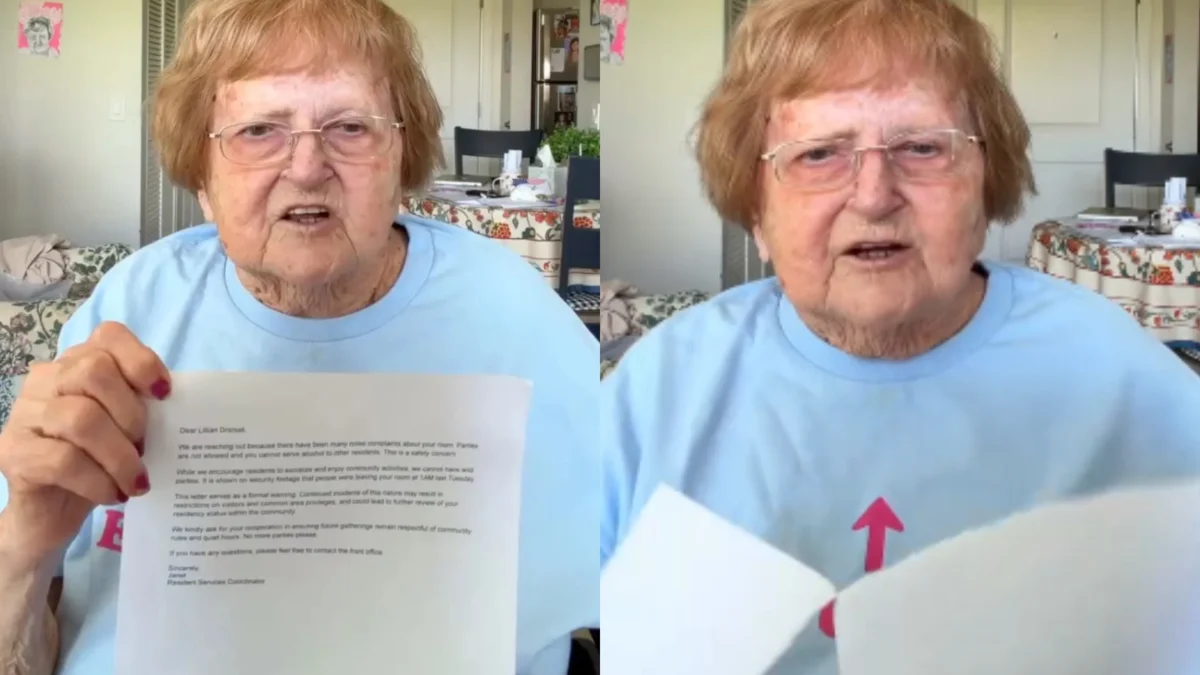
In an era where social media fame is typically the domain of Gen Z, a 96-year-old internet sensation has managed to disrupt the digital landscape by proving that the "party lifestyle" isn’t just for the young. Lillian Droniak, affectionately known to her millions of followers as "Grandma Droniak," recently found herself at the center of a viral standoff with the management of her retirement community. The conflict, which pitted institutional policy against individual autonomy, highlights the evolving expectations of senior living in the 21st century.
The Catalyst: A Notice of Eviction
The dispute began when Droniak, a vibrant personality celebrated for her blunt humor and unfiltered dating advice, posted a video to her TikTok and Instagram accounts that sent shockwaves through her fanbase. In the clip, a visibly defiant Droniak displayed a formal letter she had received from the facility’s administration. The document cited "multiple noise complaints" regarding her room and explicitly prohibited her from hosting gatherings that involved the distribution of alcohol, citing safety and liability concerns.
The administration’s letter specifically pointed to security footage showing unauthorized guests exiting Droniak’s quarters as late as 1:00 a.m. The threat was clear: cease the late-night festivities, or face a review of her residency that could lead to eviction. For many in her position, such a warning would necessitate immediate compliance. For Droniak, it served as a catalyst for a viral act of rebellion.
A Chronology of the Standoff
The escalation of the situation occurred in a series of rapid, highly public steps that captured the attention of the internet:
- The Initial Outburst: Shortly after receiving the warning, Droniak recorded a video in which she ripped the eviction notice in half. "I’m getting kicked out of the nursing home," she declared to her audience. "I just got this letter. It says you’re getting kicked out if you don’t stop the parties."
- The Financial Defense: Droniak’s retort was rooted in the realities of modern senior care. "I could do what I want," she asserted. "I pay $12,000 a month to live here. I could party if I wanna."
- The Escalation: Rather than bowing to the pressure, Droniak doubled down, announcing that her "girlfriends" were scheduled to visit that very evening for drinks and gossip, dismissing the administrative definition of a "party" as mere socialization.
- The Viral Response: The video garnered millions of views within hours, drawing support from A-list celebrities and everyday fans who rallied behind the nonagenarian’s right to age on her own terms.
- The Resolution: After several days of public scrutiny, Droniak’s representatives confirmed that a compromise had been reached with the facility’s management. The terms allowed for late-night visitors, provided that Droniak ceased the direct supply of alcohol to her guests.
Celebrity Solidarity and the Cultural Zeitgeist
The public response to Droniak’s situation was both swift and surreal. The viral nature of the dispute drew commentary from cultural icons who found themselves championing the cause of the elderly influencer. Paris Hilton, the heiress and reality television star, reached out directly via social media. "You deserve to keep Sliving," Hilton commented, referencing her signature catchphrase. "Sending you 500k Hilton Honors points so you can go party it up at a Hilton. My Hilton fam will be in touch."
Nicole "Snooki" Polizzi, known for her own legendary party lifestyle on Jersey Shore, offered legal representation, jokingly writing, "I will be your lawyer and sue." This outpouring of support underscored a shift in how society views the elderly. Rather than being seen as passive residents, influencers like Droniak are being viewed as active participants in the cultural conversation, demanding the same agency and social freedom as any other adult.
The Economics of Senior Care and Individual Rights
The core of Droniak’s argument—that her $12,000 monthly fee grants her a certain level of autonomy—raises significant questions regarding the nature of retirement communities. While these facilities provide essential medical and personal care, they often operate under strict behavioral codes.
The tension between "resident rights" and "facility liability" is a perennial issue in the senior living industry. Facilities are legally and morally obligated to ensure the safety of all residents, which often manifests in strict noise ordinances and visitor policies. However, as the "Silver Tsunami"—the aging Baby Boomer generation—enters these facilities, the demographic profile of residents is changing. This generation is characterized by a desire for independence, socialization, and a rejection of the traditional, quiet model of nursing home living.
When management attempts to enforce "institutional" behavior on "individualistic" residents, friction is inevitable. Droniak’s case serves as a microcosm for this broader generational friction, where the definition of a "safe" environment is being renegotiated by the residents themselves.
Official Responses and Administrative Compromise
The resolution of the dispute—whereby Droniak was permitted to keep her visitors but barred from serving alcohol—suggests that facilities are becoming increasingly aware of the power of social media. The negative publicity generated by the potential eviction of a beloved public figure likely served as a significant deterrent to the facility’s management.
By allowing visitors while curbing the alcohol distribution, the home was able to maintain its liability protocols while acknowledging Droniak’s right to host social gatherings. This compromise model is becoming a template for modern senior living: balancing the need for structure with the residents’ need for quality of life.
Implications: The New Face of Aging
What does the "Grandma Droniak" saga mean for the future of aging? First, it suggests that the "influencer" economy has no age limit. Droniak’s ability to mobilize millions of followers has turned her into a formidable force that even large institutions must reckon with. She has effectively weaponized her online presence to protect her lifestyle, turning her room into a space of agency rather than a space of containment.
Furthermore, the incident highlights a growing trend of "active aging." As people live longer, healthier lives, the traditional "quiet" retirement home model is increasingly viewed as obsolete. We are entering a period where residents will demand more in the way of social freedom, autonomy, and lifestyle integration.
In a follow-up video posted after the resolution, Droniak appeared noticeably hungover, boasting about the previous night’s activities. Her message was clear: she has no intention of slowing down. For the 96-year-old, the final chapter of her life is not to be spent in quiet reflection, but in continued celebration.
Conclusion
The story of Lillian Droniak is more than just a viral anecdote; it is a testament to the changing social contract within retirement communities. While nursing homes must balance safety, liability, and the needs of all residents, they must also grapple with the reality that their residents are individuals with personal histories, desires, and—in the case of Grandma Droniak—significant public platforms.
By standing her ground, Droniak has sparked a national conversation about how we treat our elderly, what we owe them in terms of autonomy, and why we should never underestimate the power of a 96-year-old with a TikTok account and a refusal to be silenced. As the dust settles on the "party controversy," one thing is certain: Grandma Droniak is not going anywhere, and the party, in one form or another, will continue.


 Siti Muinah
 Laily UPN