Pevita Pearce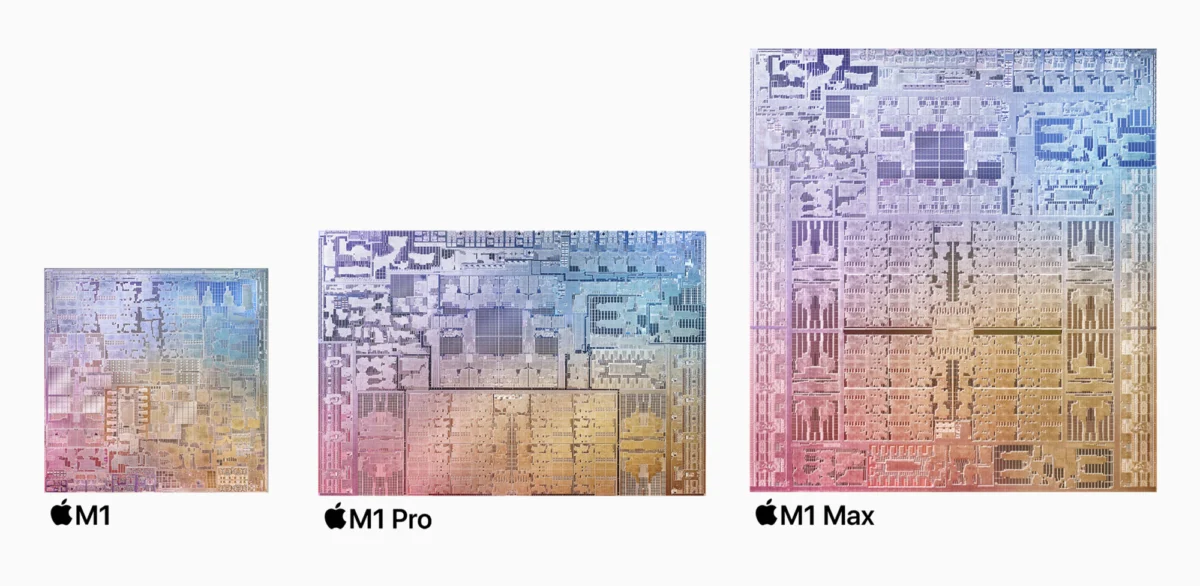
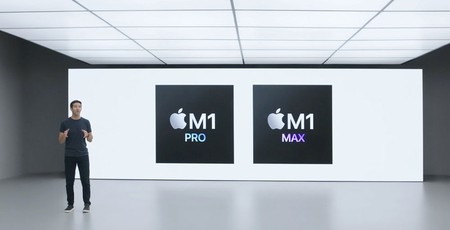
At its "Unleashed" event held in Cupertino this past Monday, Apple fundamentally altered the trajectory of the high-end computing market. By unveiling the M1 Pro and M1 Max—the next generation of its proprietary System-on-Chips (SoCs)—Apple has signaled that its transition away from Intel architecture is not merely a lateral move, but a definitive leap into a new performance paradigm. These chips, now powering the completely redesigned 14-inch and 16-inch MacBook Pro models, represent the most ambitious hardware engineering feat in the company’s recent history.
The Architectural Foundation: Powering the Future
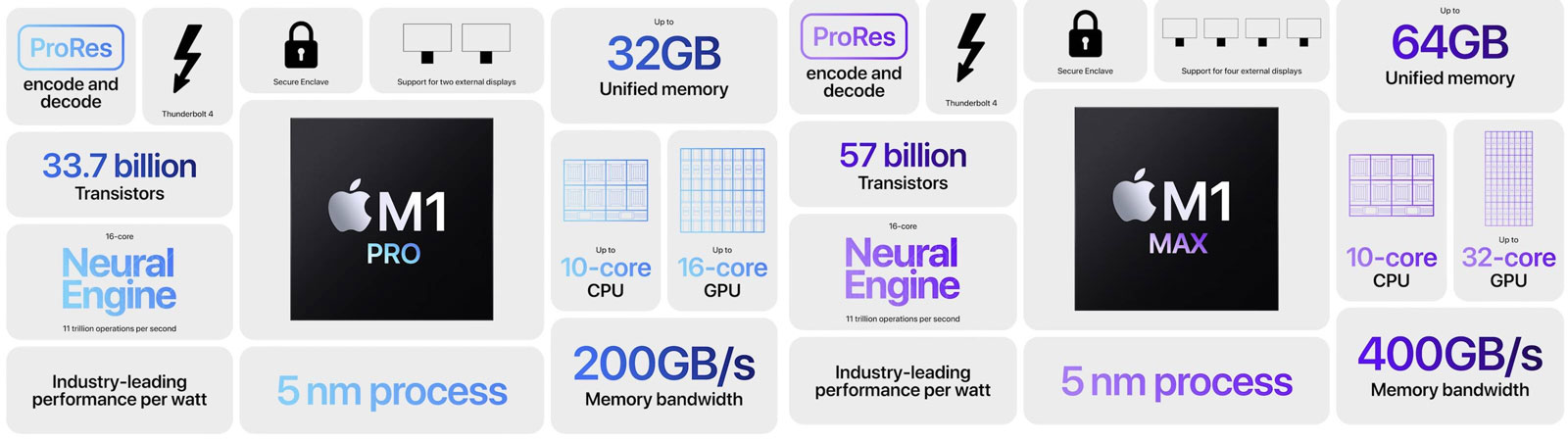
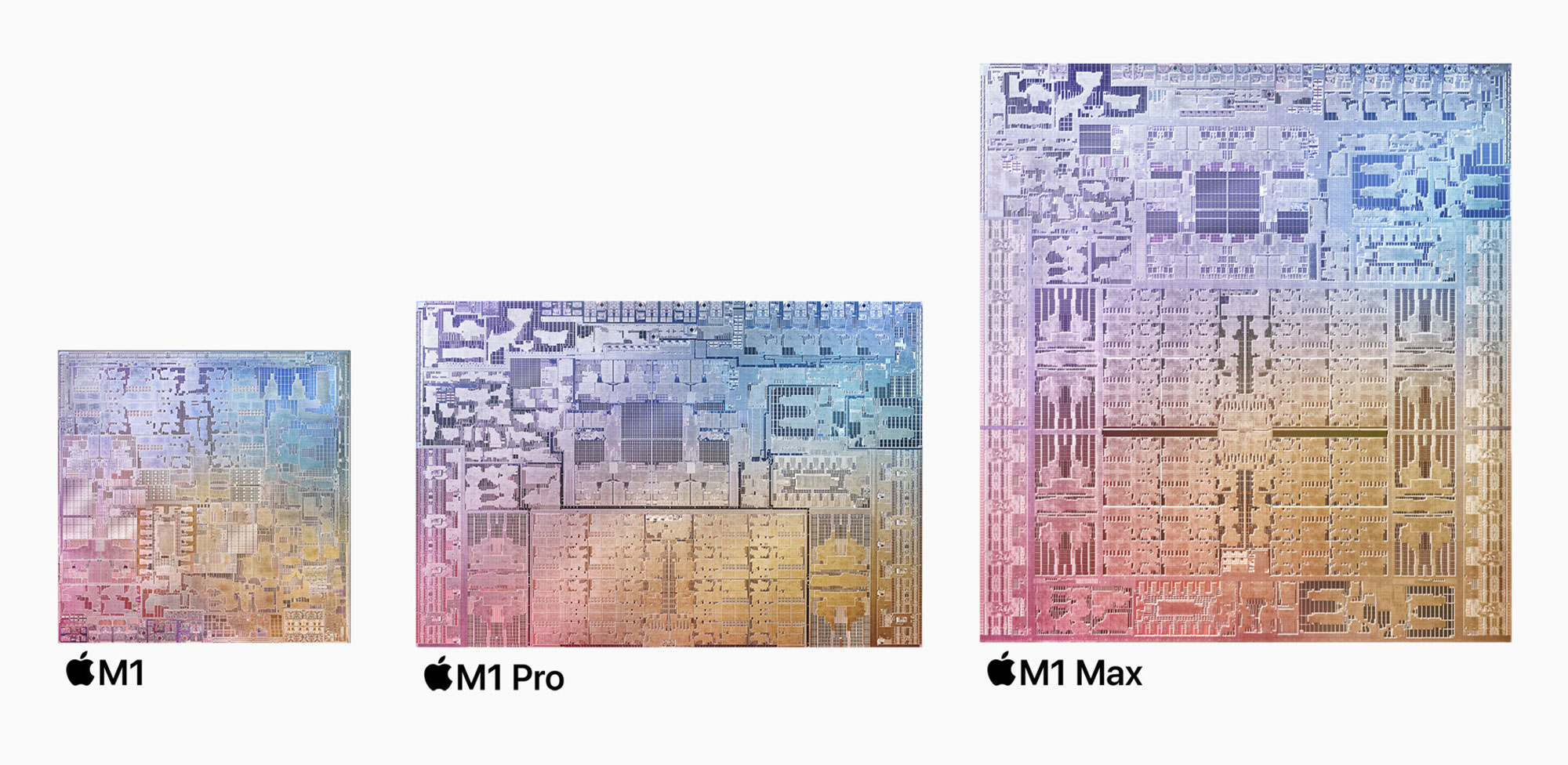
At the core of these new machines lies an advanced 5nm manufacturing process, allowing Apple to cram an staggering 57 billion transistors into the M1 Max, the larger of the two variants. This density is not merely for show; it is the physical manifestation of Apple’s strategy to consolidate CPU, GPU, and memory architecture into a single, unified pipeline.
The M1 Pro and M1 Max feature a standard 8P+2E (eight performance cores and two efficiency cores) CPU configuration, designed to handle everything from background system tasks to intense multi-threaded creative workflows. However, the graphics capability is where the most significant departure from the original M1 occurs. The new SoCs boast GPU configurations ranging from 14 to 32 cores, paired with a memory architecture that supports between 16GB and 64GB of unified RAM. Combined with a standard 16-core Neural Engine dedicated to AI and machine learning, the hardware is positioned to tackle professional-grade workloads that were previously the exclusive domain of workstation-class desktop computers.
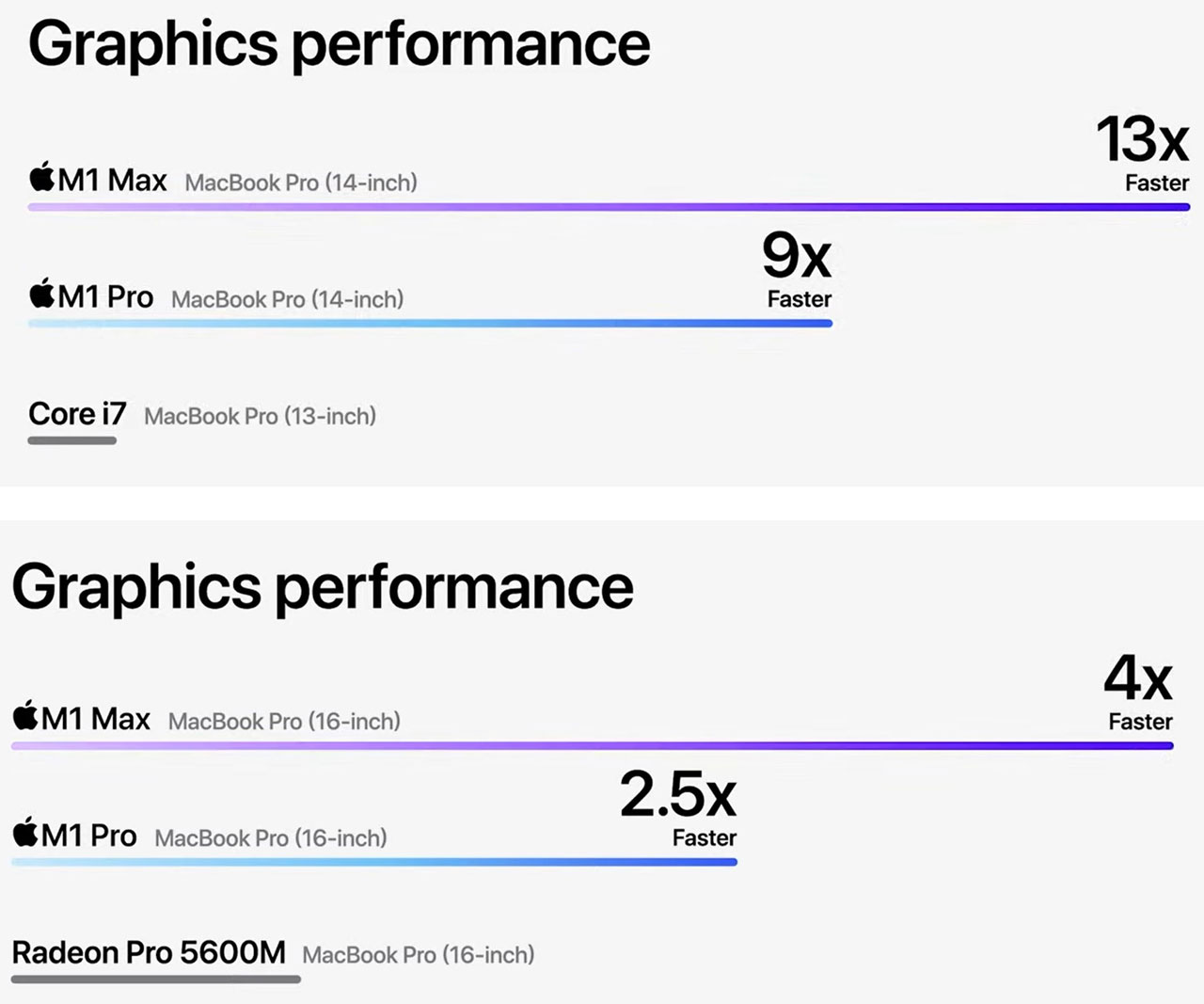
Apple claims these chips are the most powerful it has ever produced, boasting up to 70 percent faster CPU performance than the inaugural M1, and a massive 4x leap in GPU performance. While these figures are impressive, the industry is waiting with bated breath for the devices to hit the hands of consumers and reviewers next week to verify these metrics in real-world scenarios.
A Chronology of the Silicon Transition
The "Unleashed" event marked the midpoint of Apple’s publicly declared two-year transition away from Intel processors. To understand the gravity of this moment, one must look at the timeline of Apple’s silicon journey:
- June 2020: Apple officially announces "Apple Silicon" at WWDC, confirming its intent to move away from Intel chips to its own ARM-based architecture.
- November 2020: The M1 chip is introduced, debuting in the MacBook Air, 13-inch MacBook Pro, and Mac mini. It immediately shocks the industry with its unprecedented performance-per-watt.
- April 2021: Apple integrates the M1 into the 24-inch iMac and the iPad Pro, signaling that the silicon architecture is scalable across both mobile and desktop form factors.
- October 2021: The Unleashed event unveils the M1 Pro and M1 Max. This is the pivotal moment where Apple moves from consumer-focused silicon to professional-grade hardware, directly challenging the high-end workstation market.
This chronology illustrates a calculated, systematic dismantling of the dependency Apple once had on third-party silicon suppliers. Each step has been defined by increasing complexity, moving from the efficient, low-power M1 to the high-bandwidth, high-compute M1 Pro and Max.
Dissecting the Performance Metrics
During the keynote, Johny Srouji, Apple’s Senior Vice President of Hardware Technologies, highlighted that the new SoCs deliver more than just raw speed. Srouji pointed to the "six times the memory bandwidth" offered by the M1 Pro/Max compared to the M1, a critical factor for video editors and data scientists who move massive files through their system memory.
Perhaps most compelling is the industry-leading power efficiency. In a field where high-performance laptops are often tethered to power bricks, the new MacBook Pro 16 claims an astounding 21 hours of continuous video playback on a single charge. This efficiency is achieved through the custom silicon’s ability to manage power states at the transistor level, ensuring that power is consumed only when and where it is needed.
Apple’s performance charts, displayed during the presentation, compared the new SoCs against both high-end integrated graphics from Intel and discrete mobile GPUs like the AMD Radeon RX 5600M. The graphs suggest that the M1 Max GPU provides parity or superiority to these discrete cards while consuming a fraction of the power. However, the professional community remains cautious. These internal benchmarks are often conducted in idealized environments. Third-party testing will be essential to determine how these chips handle thermal throttling during prolonged gaming sessions or sustained 8K rendering, where dedicated graphics cards have traditionally held the advantage.
Specialized Accelerators: The Creative Edge
Beyond the general-purpose CPU and GPU, Apple has invested heavily in dedicated silicon. The inclusion of a media engine with ProRes accelerators is a clear nod to the professional creative community. For filmmakers and editors, ProRes is the industry standard for high-quality production, and historically, it has been computationally expensive to manage.
Apple’s internal data suggests that the M1 Max can transcode ProRes video in Compressor up to 10 times faster than the previous generation of Intel-based 16-inch MacBook Pros. By offloading these specific tasks to hardware-level accelerators, the CPU and GPU are freed up to handle other tasks, resulting in a more fluid and responsive editing experience. This is a game-changer for 4K and 8K workflows, where the latency involved in rendering and playback is often the biggest bottleneck for production houses.
Official Responses and Industry Implications
The broader tech industry has reacted with a mix of awe and skepticism. Market analysts suggest that by vertically integrating its hardware and software, Apple is creating a "walled garden" of performance that competitors—reliant on the fragmented Windows-on-ARM or x86 ecosystems—will find difficult to replicate.
Apple’s leadership seems confident, stating that they now lead the industry in "performance, custom technologies, and power efficiency." For Intel, this represents a significant loss of prestige and market share. Having powered the MacBook lineup for over a decade, Intel now finds itself in a position where it must convince professional users that its upcoming 12th-gen processors offer features that Apple’s unified architecture cannot match.
However, the implications go beyond just Intel. By setting such a high bar for performance, Apple is forcing the hand of laptop manufacturers like Dell, HP, and Lenovo. These companies, which rely on a combination of Intel/AMD CPUs and NVIDIA/AMD GPUs, must now find ways to match the thermal efficiency and integrated memory bandwidth of Apple’s silicon if they are to retain the loyalty of power users and creative professionals.
Looking Ahead: The Future of the MacBook Pro
The 2021 MacBook Pro 14 and 16 are more than just a speed bump; they are a rejection of the compromises that have defined the laptop industry for years. For a long time, users had to choose between portability and performance. Apple’s message with the M1 Pro and M1 Max is that such a choice is no longer necessary.
As we look toward the next year of the silicon transition, the question remains: what is next? With the M1 Pro and M1 Max filling the "Pro" gap, industry observers are already speculating about the potential for an "M1 Ultra" or a future "M2" iteration that could further scale these architectures for the Mac Pro desktop.
For now, the focus remains on the upcoming launch. As these machines reach end-users in the coming week, the real test will begin. Will the M1 Max live up to the promise of replacing heavy-duty workstations? Will the thermal management hold up under the pressure of real-world rendering? And, perhaps most importantly, will the software ecosystem evolve quickly enough to fully utilize the power of these custom chips?
The "Unleashed" event was not just a product launch; it was a demonstration of a company at the height of its engineering powers. Whether these chips truly redefine the laptop experience or simply set a new, albeit expensive, benchmark for the industry, one thing is certain: the rules of the game have changed, and Apple is currently the only one setting the board.

 Ali Ikhwan
 Asep Darmawan