Nana Muazin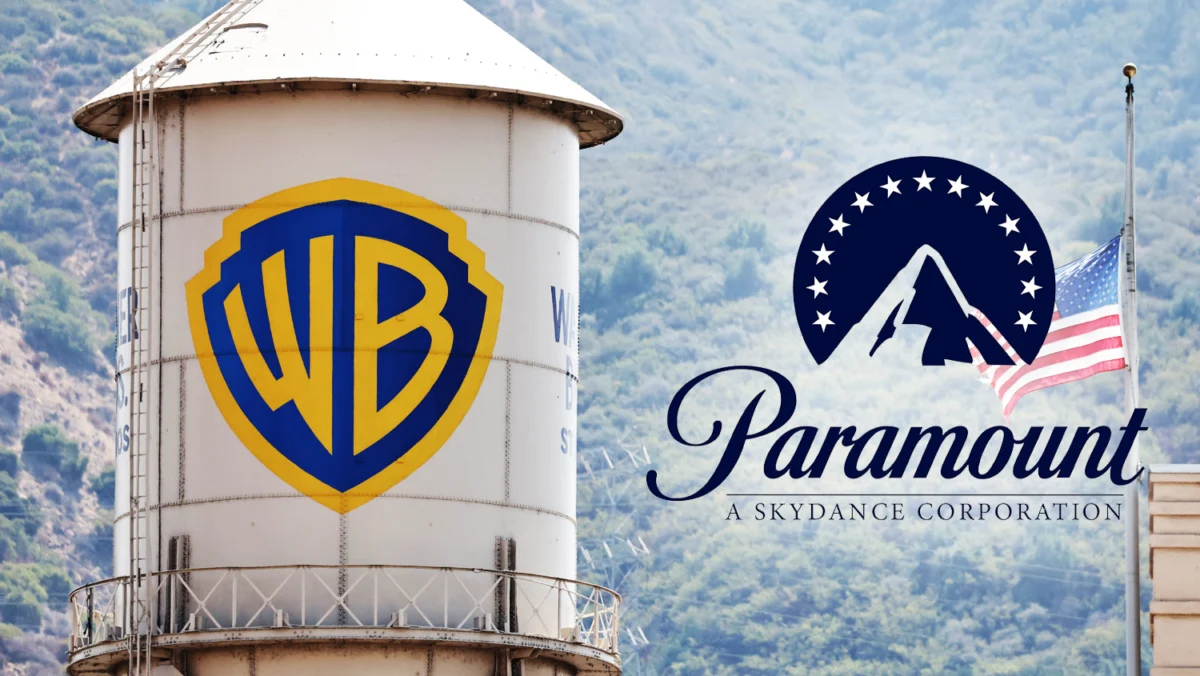
In a move signaling a desperate attempt to salvage one of the most transformative deals in media history, Paramount has formally submitted a package of concessions to the European Commission (EC). The $111 billion merger, which seeks to unite two of the world’s most iconic media conglomerates, has hit significant regulatory turbulence, forcing the Ellison-family-backed entity to rethink its strategy to appease competition watchdogs in Brussels and beyond.
As the industry watches with bated breath, the European Commission has confirmed receipt of these pledges, signaling a crucial pivot point in the merger’s trajectory. By extending the provisional deadline for a decision from July 7 to July 22, the EC has granted itself a two-week breathing room to scrutinize whether these remedial measures are sufficient to prevent the monopolization of the European media landscape.
The Core Conflict: Why Europe Is Skeptical
At the heart of the European Commission’s scrutiny is the fear of market concentration. The merger between Paramount and Warner Bros. Discovery (WBD) would create an unprecedented titan in the entertainment sector, controlling vast swathes of content production, theatrical distribution, and streaming infrastructure.
For the EC, the primary concern lies in how this consolidation could stifle competition. Specifically, there is apprehension regarding the "UIP pact"—a longstanding distribution arrangement that has historically given these studios significant leverage over theater operators. Concerns have been raised that, post-merger, the combined entity would possess enough bargaining power to squeeze out independent exhibitors and smaller competitors, effectively dictating terms in the European cinema market.
Paramount, under the direction of the Ellison family, has maintained that the deal is pro-competitive, arguing that it creates a necessary scale to compete against tech giants like Amazon, Apple, and Netflix. However, the EC’s preliminary assessment—which triggered this latest round of concessions—suggests that Brussels remains unconvinced.
Chronology of a Mega-Merger
To understand the gravity of the current situation, one must look at the timeline of this colossal transaction:
- Initial Announcement: The merger was unveiled amid industry-wide volatility, with Paramount aiming to secure its future by absorbing the vast library and streaming assets of Warner Bros. Discovery.
- Regulatory Scrutiny Begins: As soon as the deal was announced, antitrust authorities across the globe, including the EC and the UK’s Competition and Markets Authority (CMA), initiated intensive investigations.
- The Theater Operator Pushback: Throughout early 2024, European cinema chains voiced their opposition, citing the potential for "vertical foreclosure," where the merged entity might prioritize its own content at the expense of others.
- The UIP Factor: Reports surfaced last week that Paramount identified its exit from the United International Pictures (UIP) pact as the "silver bullet" required to appease regulators. By dissolving or altering this partnership, Paramount hopes to decentralize its grip on theatrical distribution.
- The July 22 Deadline: The extension of the EC decision date underscores the complexity of these negotiations. This extra time will be used by the Commission to conduct a "market test," soliciting feedback from rivals and partners on whether Paramount’s proposed remedies are truly sufficient.
Supporting Data and Market Realities
The $111 billion figure is not just a price tag; it is a reflection of the massive footprint this merger would leave. Currently, Paramount and WBD operate across film, television, cable networks, and digital streaming. Combined, the entity would command a staggering percentage of global intellectual property, including major franchises like DC Comics, Mission: Impossible, Game of Thrones, and Star Trek.
Financial analysts point out that while the deal creates "synergies"—a polite term for cost-cutting and layoffs—the European market is uniquely sensitive to the erosion of cultural diversity. The EC’s mandate is not merely to protect the bottom line, but to ensure that the European media ecosystem remains vibrant and not overly dependent on a single American parent company.
According to internal reports, the combined company would have the potential to control roughly 25-30% of the premium content market in certain European territories. In the eyes of regulators, this creates an "asymmetry of power" that could force broadcasters and streamers to accept unfavorable licensing terms for years to come.
Official Responses and Strategic Posturing
Paramount’s official stance has been one of calibrated optimism. In a statement released following the filing, the company noted:
"We are confident that this remedy directly and comprehensively addresses any concerns expressed in the European Commission’s preliminary assessment and supports the path for timely clearance."
Despite this outward display of confidence, the reality behind closed doors is significantly more pressurized. The company is effectively trying to thread the needle: offering enough to satisfy Brussels without undermining the very financial rationale that made the merger attractive in the first place.
However, the opposition is not limited to the European mainland. In the United Kingdom, Culture Minister Lisa Nandy has signaled a more aggressive stance. Nandy recently stated she was "minded to intervene," highlighting a growing political trend where media mergers are viewed not just through an antitrust lens, but through a "public interest" lens. Nandy’s focus is on "plurality"—the idea that a democracy requires a diverse range of information sources, and that a massive US-led merger could endanger the plurality of the UK’s media landscape.
The UK’s Competition and Markets Authority (CMA) is now working in lockstep with Nandy’s office. This dual-pronged pressure—Brussels focusing on market competition and London focusing on cultural and democratic plurality—presents a formidable wall that Paramount must scale.
Implications: The Road Ahead
What happens if the July 22 deadline passes without a positive ruling? If the EC remains unsatisfied, Paramount faces a binary choice: offer even more drastic concessions—such as the divestment of major assets or networks—or risk a full-blown prohibition of the merger.
1. The Impact on Streaming
If the deal clears, the streaming landscape will change overnight. We would likely see a consolidated platform that merges Paramount+ and Max (formerly HBO Max). This would create a "super-streamer" capable of challenging the dominance of Netflix and Disney+, potentially leading to higher subscription costs for consumers as the company seeks to monetize its new, massive content library.
2. The Impact on Cinema
For theater operators, the outcome is existential. If Paramount is forced to surrender its control over distribution via the UIP, it could lead to a more fragmented and competitive theatrical market. However, if the EC fails to enforce strong enough remedies, the exhibitors fear they will become "price takers" in a world where one company controls the most lucrative films of the year.
3. The Geopolitical Dimension
This deal is a litmus test for how Europe handles the consolidation of American media power. By intervening on grounds of "plurality" and "market concentration," the EU and UK are asserting their regulatory sovereignty. They are sending a clear message: the era of unchecked media mergers is over, and global companies must be prepared to compromise on their global strategy to satisfy local regulatory requirements.
Conclusion
As the countdown to July 22 begins, all eyes are on the European Commission’s headquarters. Paramount’s attempt to resolve the regulatory standoff via concessions is a calculated gamble. While the company believes these pledges are sufficient to smooth the path for clearance, the skepticism from both the EC and the UK government suggests that the road to closing this $111 billion deal remains fraught with obstacles.
Whether this merger ultimately redefines the media landscape or collapses under the weight of its own regulatory burden remains to be seen. For now, the "new provisional deadline" serves as the next major checkpoint in a saga that is as much about the future of global entertainment as it is about the power of the institutions that govern it. As the industry awaits the final verdict, one thing is certain: the era of the mega-merger is being tested, and the outcome will set a precedent for decades to come.


 Neng Nana
 Basiran