Basiran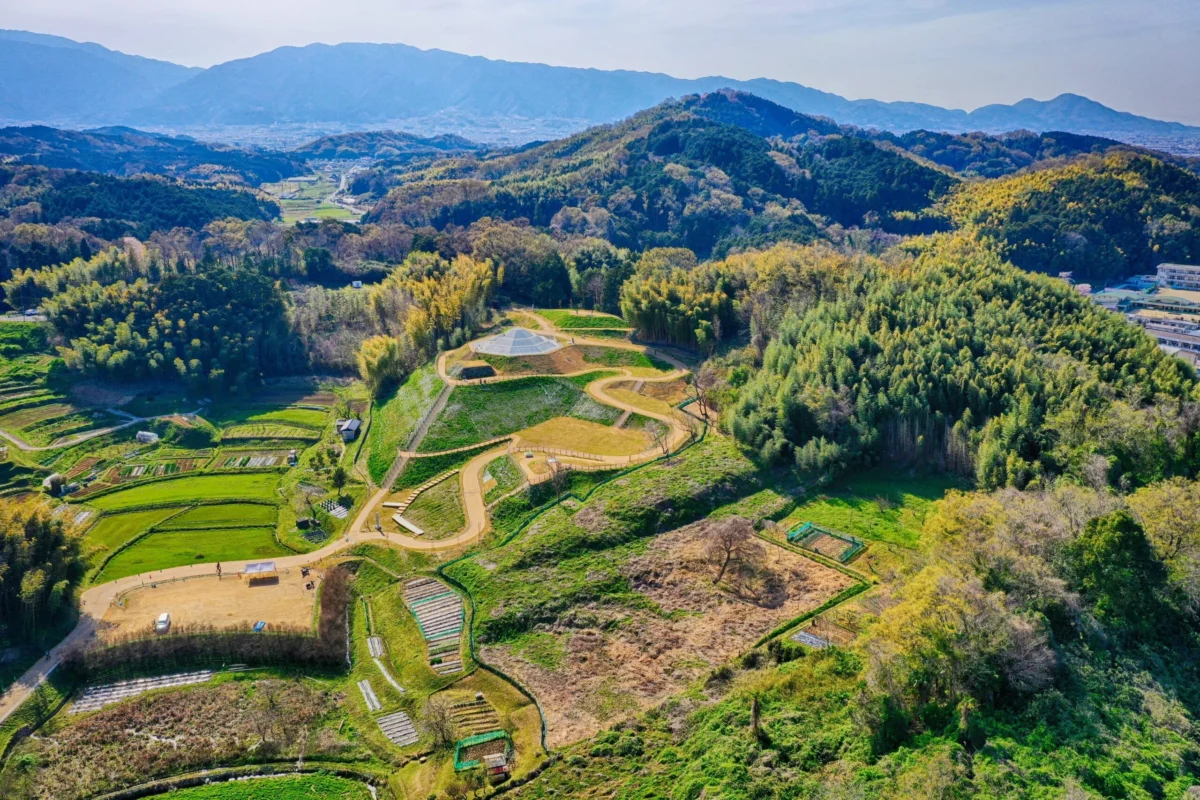
In the quiet, rolling hills of Nara Prefecture, time seems to flow differently. Beneath the soil of the Asuka, Kashihara, and Sakurai regions lies the blueprint of modern Japan—a landscape that witnessed the birth of the imperial state, the adoption of Buddhism, and the first true unification of the Japanese archipelago.
As of July 2026, this cradle of Japanese civilization stands on the precipice of international recognition. With the 48th session of the UNESCO World Heritage Committee set to convene in Busan, South Korea, from July 19 to 29, all eyes are turned toward the Asuka-Fujiwara archaeological site. Having received the highest possible recommendation from the International Council on Monuments and Sites (ICOMOS), the region is widely expected to be inscribed as Japan’s newest World Cultural Heritage Site.
The Path to Inscription: A Strategic Advantage
The road to UNESCO recognition is notoriously arduous, often spanning decades of meticulous documentation, archaeological preservation, and diplomatic maneuvering. For Japan, the Asuka-Fujiwara nomination represents a crowning achievement in cultural resource management.
The ICOMOS advisory body, which evaluates nominations for the World Heritage Committee, has designated the sites as "recommended for inscription." This is the highest of the four available evaluation tiers, signaling that the nomination meets all necessary criteria for "Outstanding Universal Value."
.jpeg)
The committee will deliberate on 30 new global nominations during their upcoming session. However, the Japanese bid is bolstered by the extreme authenticity of the site. Unlike many historical destinations that rely on modern reconstructions—often utilizing concrete to mimic ancient wood—Asuka-Fujiwara is defined by its preservation of original, subterranean, and landscape-based heritage. The integrity of the sites, which remain largely untouched by modern development, provides an unadulterated window into the 7th and 8th centuries.
Historical Chronology: The Foundation of the State
To appreciate the significance of Asuka-Fujiwara, one must look back to a period of existential volatility. From the late 6th century to the early 8th century, the Japanese archipelago faced unprecedented pressure from the rapid expansion of China’s Sui and Tang dynasties.
The Era of Transformation
- Late 6th Century: The Yamato court establishes the Asuka region as the political and spiritual center of the nascent state.
- 645 AD: The Taika Reform, a series of political innovations, shifts power toward a centralized imperial government, modeled on Chinese administrative systems.
- 694 AD: The Fujiwara-kyo capital is constructed, marking the first time in Japanese history that a capital city was designed according to the grid-based urban planning principles of East Asian Confucianism.
- 710 AD: The court officially moves to Heijokyo (modern-day Nara City), yet the spiritual and symbolic weight of the Asuka region remains the bedrock of imperial legitimacy.
This era represented a metamorphosis from a loose collection of disparate clans into a cohesive, centralized state governed by law. The archaeological record found across the 19 distinct sites—ranging from burial mounds to palace remnants—tells the story of a culture in transition, adopting foreign technologies and ideologies while forging a uniquely Japanese identity.
Supporting Data: The 19 Sites of Significance
The Asuka-Fujiwara submission is not a single monument but a sprawling, interconnected cultural landscape. The 19 distinct sites are distributed across the municipalities of Asuka village, Kashihara, and Sakurai.
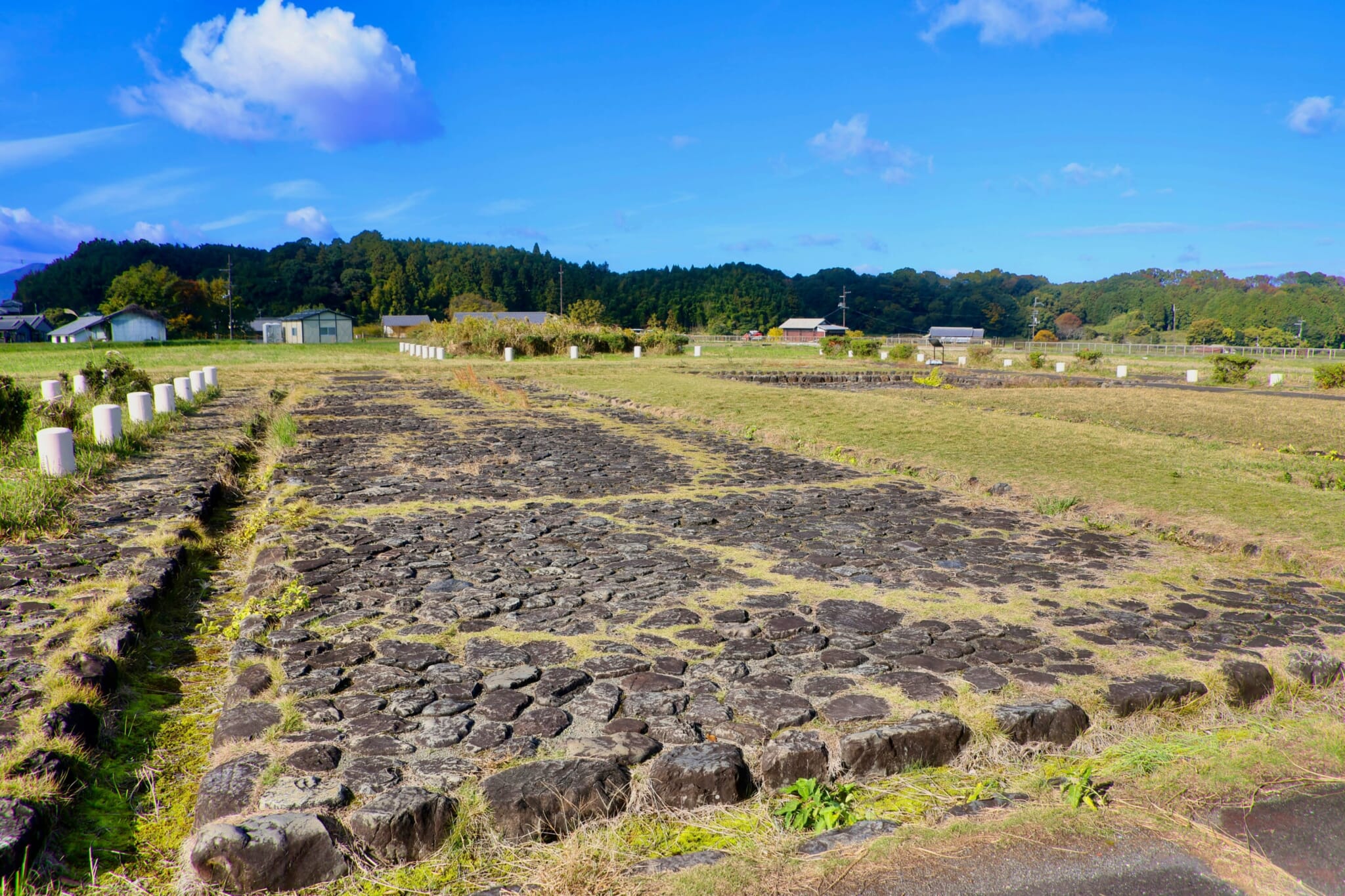
The sites are categorized by their function:
- Imperial Palaces: Including the remains of the Asuka-Kiyomihara Palace and the Fujiwara Palace, the latter being the first grand-scale palace complex in Japan.
- Ritual and Burial Sites: Massive stone tombs, such as the Ishibutai Kofun, demonstrate the engineering prowess of the era and the shifting status of the ruling elite.
- Religious Centers: The ruins of early Buddhist temples, which served as symbols of state-sponsored spiritual protection.
The preservation of these sites is enforced by rigorous national laws. The "Asuka Law," unique to the village, restricts private construction and development to maintain the visual and archaeological integrity of the region. This legal framework has allowed the landscape to remain largely rural, creating a rare "living museum" where modern agriculture exists alongside 1,300-year-old history.
Curbing Overtourism: A Model for Sustainable Heritage
The looming prospect of UNESCO status brings with it the specter of "overtourism"—a challenge that has crippled historic centers from Kyoto to Venice. However, the local government in Asuka has been proactive, treating the UNESCO bid not just as a marketing opportunity, but as a mandate for sustainable development.
The village has finalized a unique set of "Visitor Guidelines" that function as a social contract. Rather than a list of prohibitions, the document creates a reciprocal agreement:
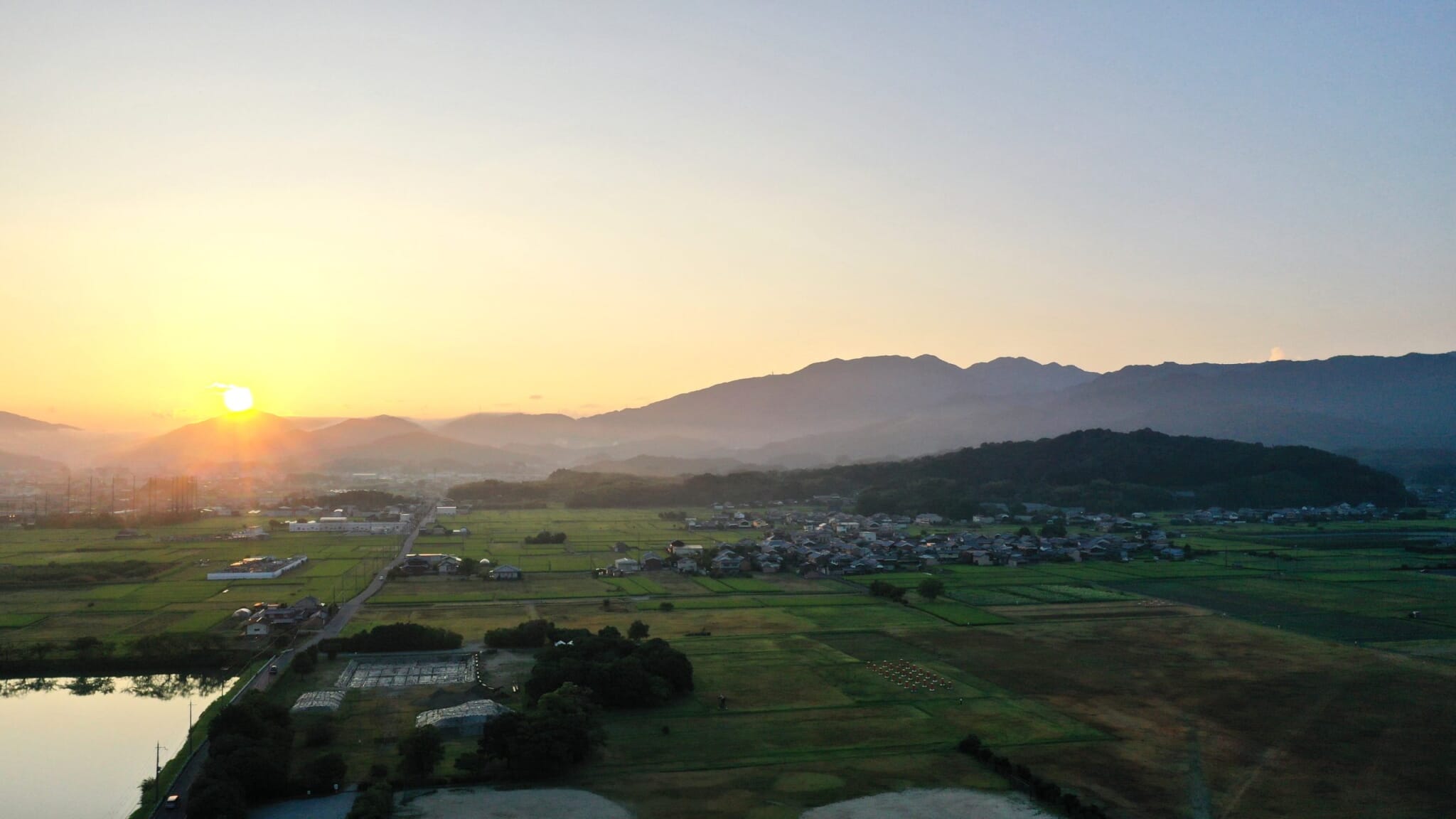
- The Residents’ Promise: Locals commit to the maintenance of the rural landscape, the protection of historical assets, and the hospitality of sharing regional cuisine and culture.
- The Visitors’ Pact: In return, tourists are expected to respect the privacy of residents, adhere to strict noise ordinances, and honor the spiritual significance of the sites.
To mitigate the impact of traffic, the village has introduced a fleet of low-speed electric carts. These vehicles allow visitors to navigate the narrow lanes between archaeological ruins without the noise or congestion of buses and private cars, effectively dispersing the tourist footprint across the rural landscape.
Official Responses and Stakeholder Perspectives
The local government’s strategy has received praise from urban planners and cultural heritage experts alike. By prioritizing the "living history" of the region, Asuka is positioning itself as a leader in sustainable tourism.
"The goal is not to maximize visitor numbers, but to maximize the quality of the engagement," noted a representative from the Nara Prefectural Board of Education. "When people come to Asuka, they are not entering a theme park; they are entering a landscape where people have lived and worked for over a millennium. Our goal is to ensure that the heritage remains vital for both the visitor and the resident."
International observers from the World Heritage Committee have noted that the Japanese approach to "cultural landscape" preservation provides a blueprint for other nations struggling to manage historic rural sites in the face of global travel trends.

Implications: A New Chapter for Rural Japan
The potential inscription of Asuka-Fujiwara will have profound implications for the local economy and for the broader tourism narrative of Japan.
Economic Revitalization
Rural Japan has long struggled with depopulation and the decline of traditional agriculture. UNESCO status acts as a catalyst for economic revitalization, encouraging small-scale entrepreneurship—such as farmhouse bed-and-breakfasts, boutique artisanal shops, and guided historical tours—that sustains the local population.
A Deeper Narrative for Travelers
For the international traveler, the site offers a necessary reprieve from the neon-lit frenzy of Tokyo and the crowded streets of Kyoto. It encourages a slower, more contemplative style of travel. As the global tourism industry shifts toward "slow travel," Asuka-Fujiwara is perfectly positioned to capture the interest of the conscious traveler.
Accessibility and Logistics
Despite its remote appearance, the region remains remarkably accessible. For those traveling from the urban hubs of the Kansai region:

- From Kyoto: A 75-minute journey via the Kintetsu Line provides a direct route into the heart of the historic district.
- From Osaka: The 40-minute express train from Osaka-Abenobashi Station makes the region the most viable historical day-trip in the prefecture.
- From Nara City: A 50-minute commute connects the medieval history of the current Nara city to the ancient origins in Asuka.
Conclusion: The Future of the Past
As the world waits for the final decision from Busan, the atmosphere in Asuka is one of quiet anticipation. Whether or not the committee provides the final stamp of approval, the significance of the region remains unchanged.
Asuka-Fujiwara is not merely a collection of ruins; it is the physical manifestation of Japan’s formative years. It is a place where the earth itself tells the story of the birth of a nation. By balancing the preservation of this legacy with a modern, sustainable approach to tourism, the people of the Asuka valley are ensuring that these 1,300-year-old memories will endure for centuries more.
For the traveler, the opportunity to visit now—before the site becomes a global household name—is an invitation to witness history in its most authentic, unhurried form. Whether wandering the stone-lined paths of the village or observing the sunrise over the silhouette of the burial mounds, the visitor to Asuka-Fujiwara is not just a tourist; they are a witness to the enduring spirit of Japan.


 Neng Nana
 Asro
Asro