Lina Hope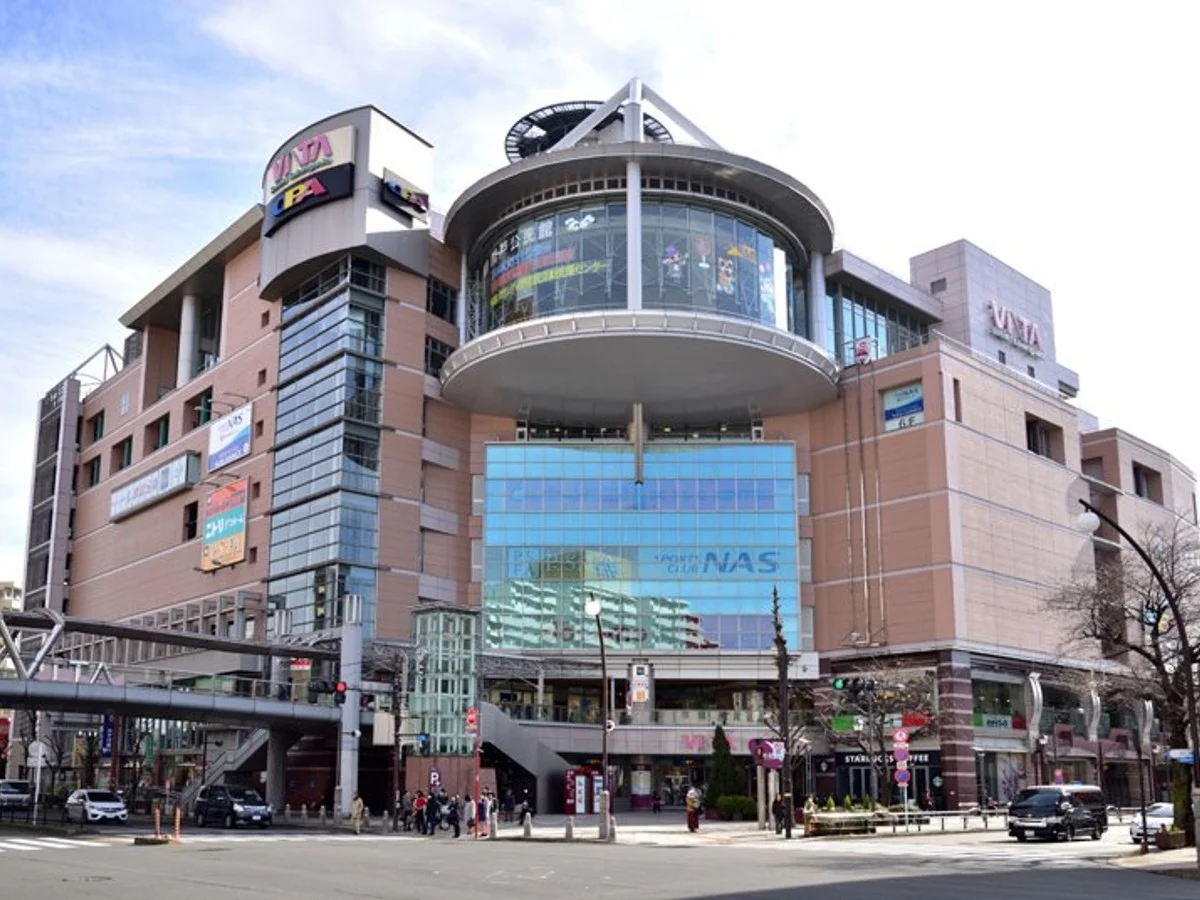
For the modern traveler or the local professional navigating the complexities of Japan’s evolving corporate landscape, finding a reliable, quiet, and well-equipped workspace has become a logistical hurdle. While Japan has long been famous for its ubiquity of internet cafes—often used as makeshift offices—the demand for professional-grade environments designed specifically for "deep work" has surged. Addressing this specific need, a new "Super Concentration" remote work and self-study hub, Coin Space, has officially launched in the heart of Tokyo.
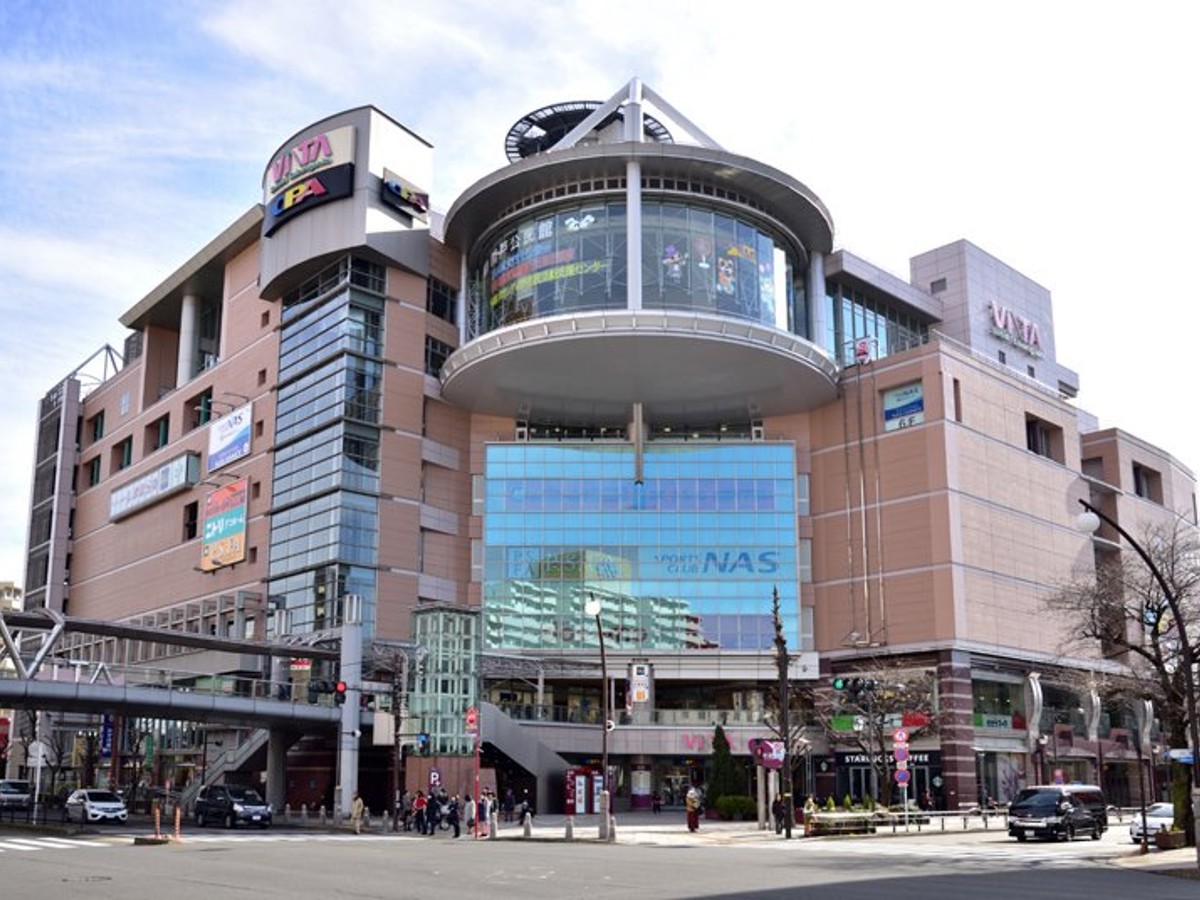
Located strategically in the Seiseki Sakuragaoka Opa shopping center, this facility marks a significant step forward in the democratization of productive workspaces. Whether you are a digital nomad passing through Japan, a student preparing for examinations, or a resident commuter balancing a hybrid work schedule, the new Coin Space facility is designed to bridge the gap between the chaotic public sphere and the isolation of a private residence.
Main Facts: A New Hub for Productivity
The new Coin Space facility, which opened its doors on January 20, 2023, is situated on the 5th floor of the Seiseki Sakuragaoka Opa building, directly adjacent to the Seiseki Sakuragaoka Station. This location is not merely convenient; it is a vital transit point on the Keio Line, serving thousands of commuters daily.
The facility features 48 dedicated workspaces, each engineered for efficiency. Unlike traditional internet cafes that often prioritize entertainment or long-term stay accommodation, Coin Space is built for utility. Every seat is equipped with high-speed, secure Wi-Fi and universal power outlets, ensuring that professionals can operate without the "battery anxiety" often associated with working on the go.
Perhaps the most significant departure from standard rental spaces is the frictionless user experience. Users are not required to navigate cumbersome membership registrations or provide exhaustive identification to gain access. By simply scanning a QR code located at any seat, patrons can initiate their session immediately. This "plug-and-play" approach reflects a broader trend in Japanese retail and service sectors toward automation and user autonomy.
Chronology of Development
The launch of the Seiseki Sakuragaoka Opa location follows a period of rapid expansion for the Coin Space brand. Over the past several years, the company has methodically established a footprint across Japan, currently boasting 40 operational locations.
- Pre-2020: The foundation of the coworking model was built on the premise of providing affordable, hourly desk space in high-traffic urban areas.
- 2020–2022: The global transition to remote work catalyzed the necessity for "third spaces." As Japanese corporations shifted toward remote or hybrid models, the demand for decentralized workspaces skyrocketed.
- January 20, 2023: The official opening of the Seiseki Sakuragaoka Opa branch. This launch was specifically timed to coincide with the post-holiday return to work, capturing the renewed focus on professional development and quarterly planning.
- February 2, 2023: The conclusion of the promotional campaign period, which offered a special introductory rate to encourage local adoption.
Supporting Data and Financial Accessibility
One of the primary barriers to utilizing professional coworking spaces is the prohibitive cost associated with long-term contracts. Coin Space has disrupted this model with a highly competitive, consumption-based pricing strategy.
The Pricing Breakdown
- Standard Hourly Rate: 200 yen per 30 minutes (equivalent to 400 yen per hour).
- Daily Cap: 1,200 yen per day. This maximum daily charge is a significant draw for professionals who require a full day of "deep work" without the financial volatility of hourly billing.
- Long-term Plans: For regular users, a monthly membership is available for 10,000 yen, providing a predictable cost structure for those integrating the space into their daily routine.
Furthermore, the facility recognizes the practical needs of workers by allowing patrons to bring their own food and beverages. This policy is a sharp contrast to many traditional cafes where purchasing expensive refreshments is an implied "rent" for the seat. By allowing guests to manage their own sustenance, Coin Space lowers the total cost of ownership for a day of work.
Infrastructure and Design
The 48-seat configuration is optimized for different types of labor:
- Private Box Seats: Designed specifically for virtual meetings, ensuring audio privacy and a professional background—a necessity for the modern remote employee.
- Collaborative Zones: Four-person seating arrangements facilitate small-team conferences and project-based work.
- Standard Workstations: Ergonomically minded seating designed for extended periods of focus.
Official Responses and Strategic Intent
Management at Coin Space has framed the Seiseki Sakuragaoka location as a solution to the "space deficit" currently plaguing Tokyo’s metropolitan suburbs. In official statements regarding the launch, the company emphasized that the facility is not just a place to sit, but a "Super Concentration" environment.
The branding of the space as an area for deep focus—rather than merely a place to charge a phone—is a calculated move. By emphasizing a quiet, disciplined atmosphere, the company is positioning itself as a premium yet accessible alternative to the noise of a local coffee shop or the domestic distractions of a home office.
Market analysts have noted that the location selection—a major transit hub—is critical. By capturing commuters right as they exit the station, Coin Space is effectively extending the "office" into the neighborhood, allowing employees to reclaim time previously lost to long-distance commutes into the Tokyo city center.
Implications: The Future of the "Third Space"
The opening of this facility carries several significant implications for the future of work and urban design in Japan.
1. The Decentralization of the Workplace
For decades, the "Salaryman" culture dictated that all high-level work occurred in a centralized office in central Tokyo. The success of spaces like Coin Space signals a permanent shift toward the "15-minute city" concept, where professional amenities are available within walking distance of residential areas. This reduces the strain on transit infrastructure and improves the work-life balance of the local workforce.
2. The Evolution of the "Net Cafe"
While internet cafes remain a staple of Japanese culture, they are increasingly being segmented. The rise of specialized "study/work hubs" suggests that the market is moving away from the "all-in-one" approach of the traditional net cafe. Users now demand environments that are cleaner, more professional, and tailored specifically to high-intensity cognitive tasks rather than overnight accommodation or gaming.
3. Digital Frictionlessness
The reliance on QR code-based access and digital payment methods at Coin Space is a microcosm of Japan’s broader digital transformation. As the nation moves away from cash-heavy, bureaucratic entry processes, the success of this model will likely set a benchmark for other service-oriented industries. The ability to enter a secure, private room within seconds of arriving is a high-value service that modern, time-poor workers are willing to pay for.
4. Supporting the "Gig Economy" and Freelancers
As the number of independent contractors, freelancers, and remote-first employees continues to grow, the availability of low-commitment, high-utility space is essential. Coin Space provides a safety net for these workers, offering a professional environment for important client meetings without the overhead of renting a dedicated commercial office space.
Conclusion
The launch of the Coin Space at Seiseki Sakuragaoka Opa is a testament to the changing demands of the modern workforce. By combining accessibility, affordability, and a focused environment, it addresses the core challenges of remote work in a densely populated urban setting.
As Japan continues to refine its approach to the "new normal," facilities like this will likely become the standard for community infrastructure. For the traveler or the local resident, the ability to access a professional-grade "Super Concentration" zone on a whim is more than a convenience—it is a vital resource for staying productive in an increasingly fast-paced and globalized economy. With its strategic location, flexible pricing, and commitment to the user experience, Coin Space is well-positioned to remain a leader in the evolution of the Japanese workspace.
For those looking to visit, the facility remains open daily from 10:00 to 21:00, providing a reliable sanctuary for those who need to get work done, wherever they may be.


 Neng Nana
 Asro
Asro