By Jamie Lang | July 1, 2026
For the past several years, the animation industry has existed in a state of high-octane debate regarding the role of artificial intelligence. It has transformed from a fringe curiosity into an unavoidable pillar of professional discourse. However, at this year’s Next Lab Generation workshop in Madrid, AI moved from a talking point to a mandate.
The event, which serves as a critical incubator for emerging European and Latin American talent, pushed its participants into the deep end of the technological pool. Over an intensive eight-week period, the six finalist teams were required to integrate two specific technologies into their production pipelines: Meta’s VR animation suite, Quill, and the AI-powered image generation platform, Magnific. The goal was to develop professional-grade proof-of-concept materials for a diverse array of projects, ranging from short films and episodic series to ambitious feature films and interactive video games.
A Tale of Two Technologies: The Workshop Chronology
The workshop, backed by the Community of Madrid through the Ministry of Culture, Tourism and Sport and sponsored by the Madrid City Council, functions as a high-pressure stress test for new workflows. Each team was required to maintain a meticulous log of their production hours, specifically tracking the time invested in Quill versus Magnific.
The resulting data reveals a clear divergence in how modern creators perceive these tools. Quill was almost universally praised for its tactile, intuitive nature. By allowing animators to sketch, block scenes, and prototype ideas in a three-dimensional immersive environment, it acted as a digital sketchbook that bridged the gap between concept art and final animation. While some participants noted a steep learning curve, the consensus was that Quill feels like an extension of the artist’s hand.
Magnific, conversely, faced significant pushback. While most teams found value in its utility for early-stage mood boards, lighting tests, and rapid concept exploration, it failed to survive the transition into full production. The primary hurdles were familiar: a lack of aesthetic consistency, limited granular control, and a "black box" nature that made iterative fine-tuning an exercise in frustration. Furthermore, the prohibitive cost of the credit-based system became a significant deterrent for projects requiring constant revision.

The Winners: Bridging Tradition and Innovation
Following the rigorous eight-week development period, the six finalists pitched their work to an international jury. Three projects stood out for their ability to synthesize narrative depth with technological experimentation:
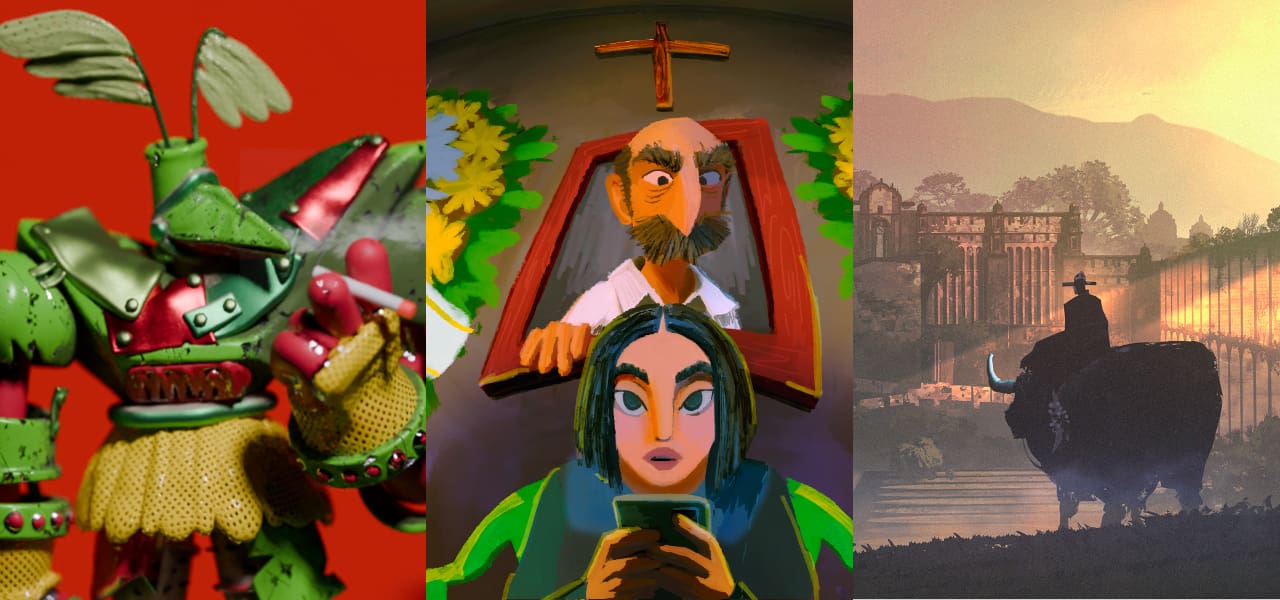
- The Message: A poignant Mexican-Spanish short film exploring the complexities of unresolved grief through a surreal, lucha libre-inspired lens.
- Sad Mahan: A stylized video game intro that transforms the frustration of Spain’s tourism and housing crisis into a compelling, paper-cutout-inspired interactive experience.
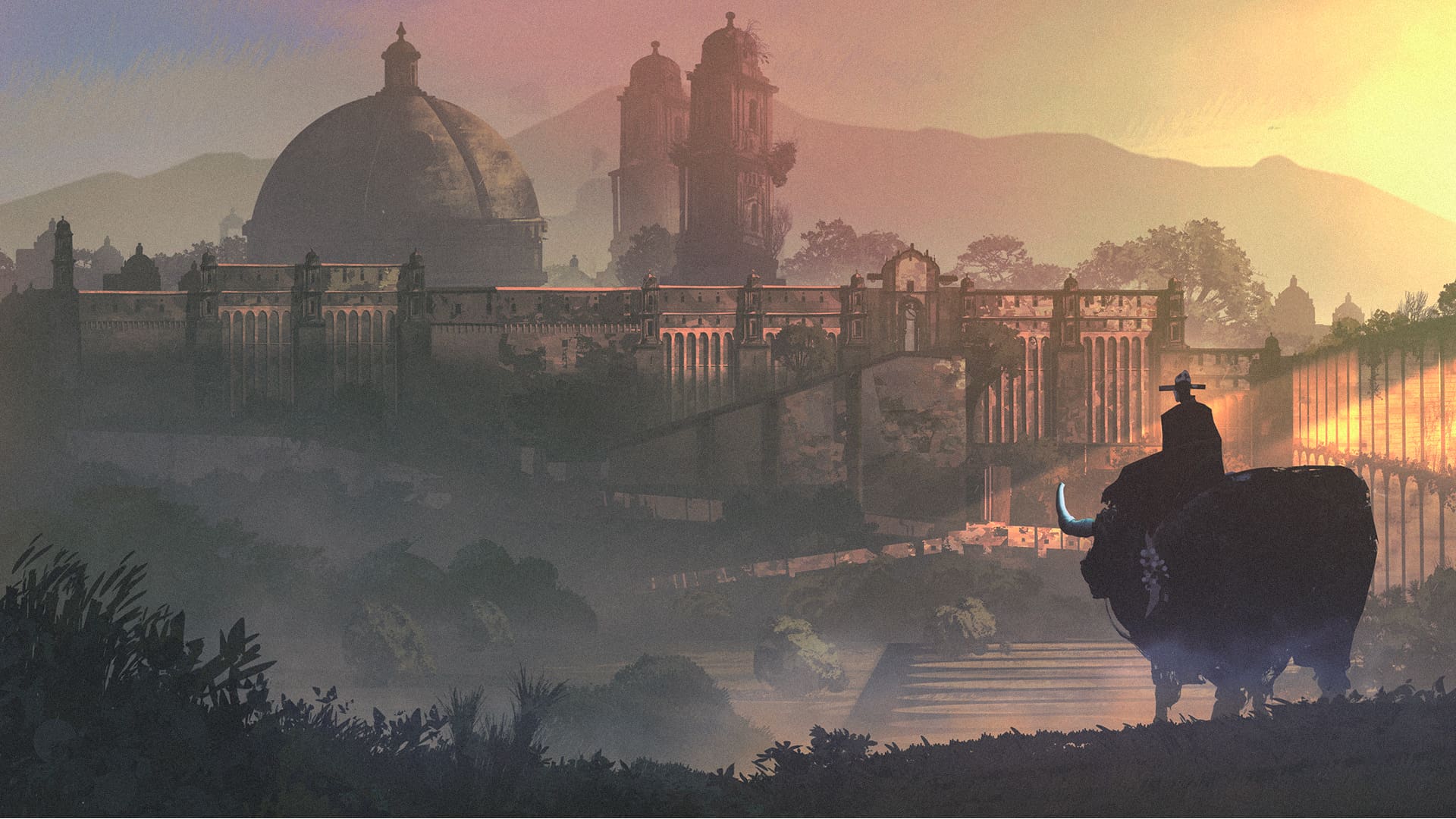
- Taras: A sweeping fantasy feature film rooted in the indigenous folklore and volcanic landscapes of Mexico’s Michoacán region.
The winning teams were awarded professional accreditation for the 2027 Mifa market in Annecy, signaling their readiness to transition from the workshop environment to the global marketplace.
The "Boring" vs. "Fun" Divide: Implications for the Industry
Perhaps the most telling insight to emerge from the event was articulated by Miguel Medrano Malo, director of The Shower Club. Reflecting on the process of using AI to generate assets, Malo noted that his team felt as though they were "doing the boring part"—preparing prompts and cleaning up data—while the AI took over the "fun part" of creative image generation.
This sentiment cuts to the heart of the current industry tension. If the creative process is outsourced to algorithms, the artist risks becoming a mere curator rather than a creator. The workshop results suggest that while AI excels at rapid iteration, it lacks the "artistic personality" required to maintain a cohesive vision over a long-form project.
Project Breakdown: A Closer Look
Don Quiosker-Man
This project served as a masterclass in tone. By reimagining the classic Don Quixote as an aging kiosk owner in modern-day Spain, the directors—Ariel Muñoz, Xin Ai, Anna Escudero, and Ángel Sánchez—created a narrative that resonates with contemporary anxieties. By favoring a hybrid approach of CG and 2D comic-book styles, the team found that Quill provided the necessary creative freedom, ultimately relegating AI to a minor role to preserve their distinct visual identity.
Rewind
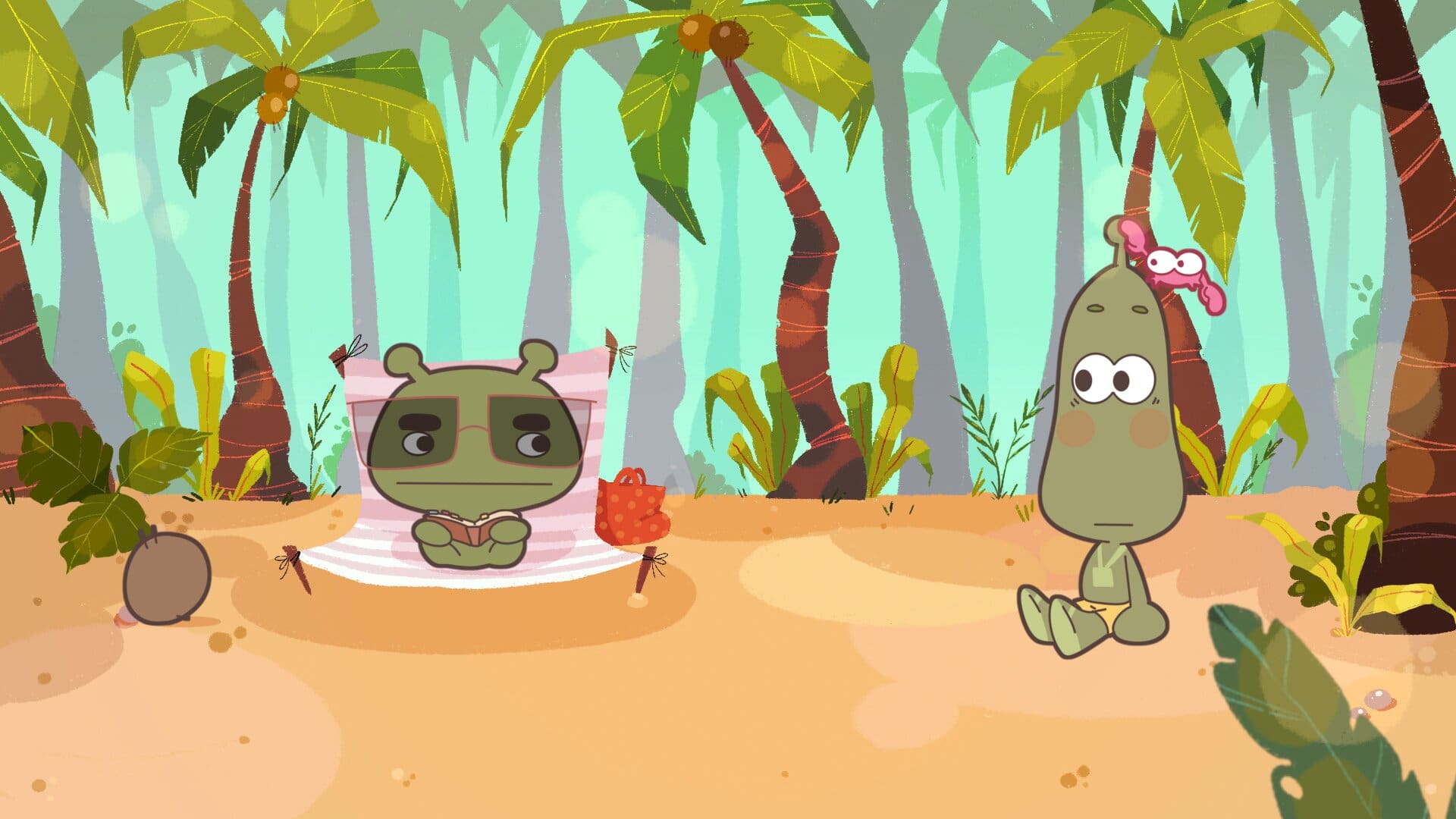
Lyda Fernández Umbría and María Martínez’s preschool series, Rewind, utilized the workshop to test VR dioramas. Their experience highlighted the core struggle of current AI models: they are excellent for "hero" shots but disastrous for animation consistency. The duo concluded that while AI could generate a singular, stunning image of an Egyptian pyramid, it could not maintain the character design or environment consistency across a sequence.
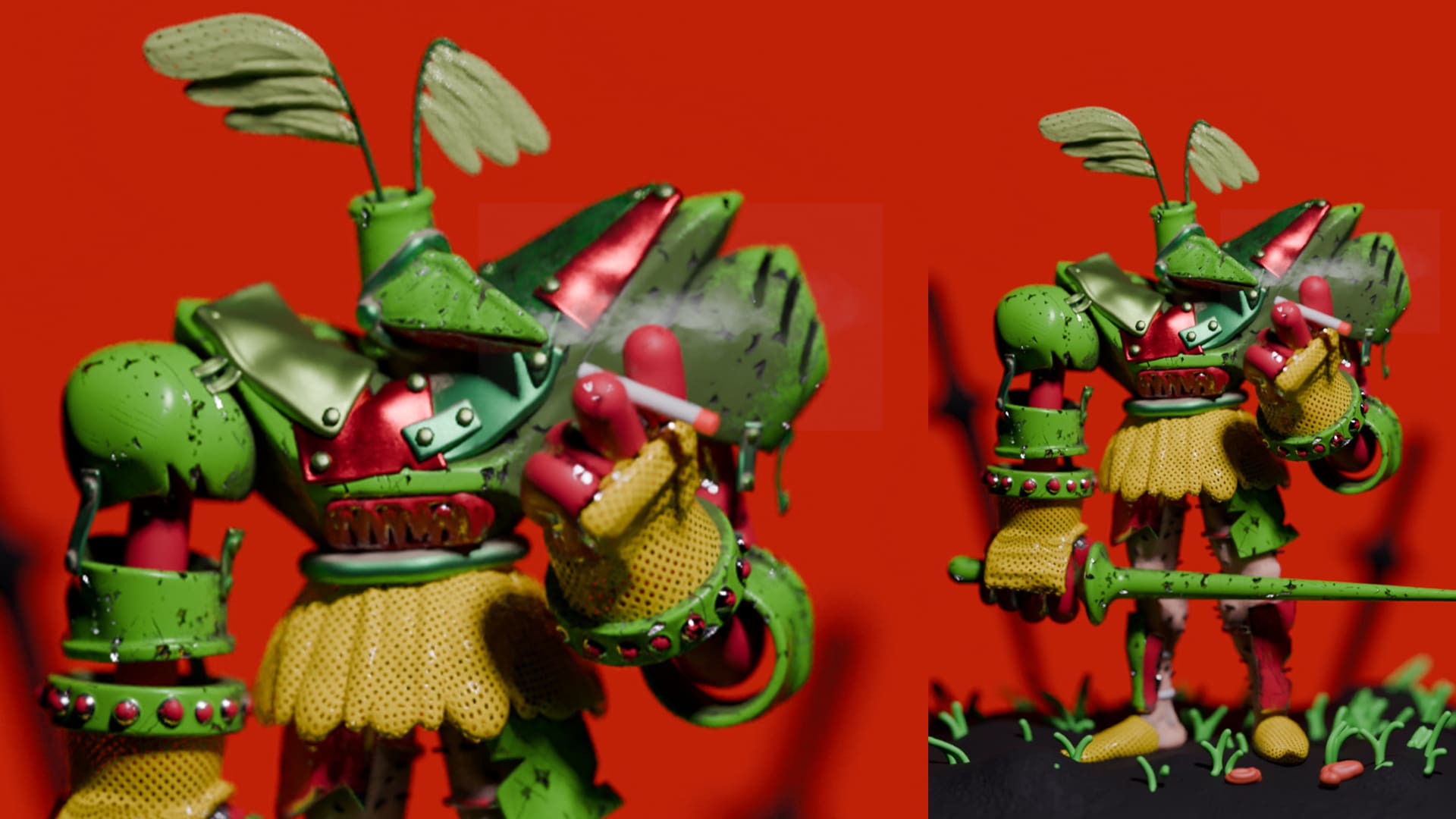
Sad Mahan
Ángel Arce (Sankalibrado) provided the most successful integration of AI. By treating the technology as a partner rather than a replacement, Arce combined Quill’s marionette-like puppetry with AI-assisted rendering. His takeaway was a sobering warning for the industry: "You have to be in control every time. You can’t let AI control you."
Taras
Juan Luis Hernández’s Taras represents the high-water mark for ambitious world-building. By grounding his fantasy world in the specific geography and history of Michoacán, Hernández created a work of profound cultural resonance. For him, Quill was the discovery of the year, while AI remained a background tool for finishing touches. His philosophical inquiry—"Is fiction inspired by reality, or is reality starting to be inspired by fiction?"—captures the existential weight of the current technological transition.
The Message
Daniela Belmonte Valencia’s work proved that intimacy remains the domain of the human artist. Rejecting AI for its inability to capture the handmade feeling required for such a deeply personal story, the team completed their teaser almost entirely in Quill. The success of The Message confirms that for stories requiring high emotional intelligence, traditional and VR-assisted animation still outperform algorithmic generation.
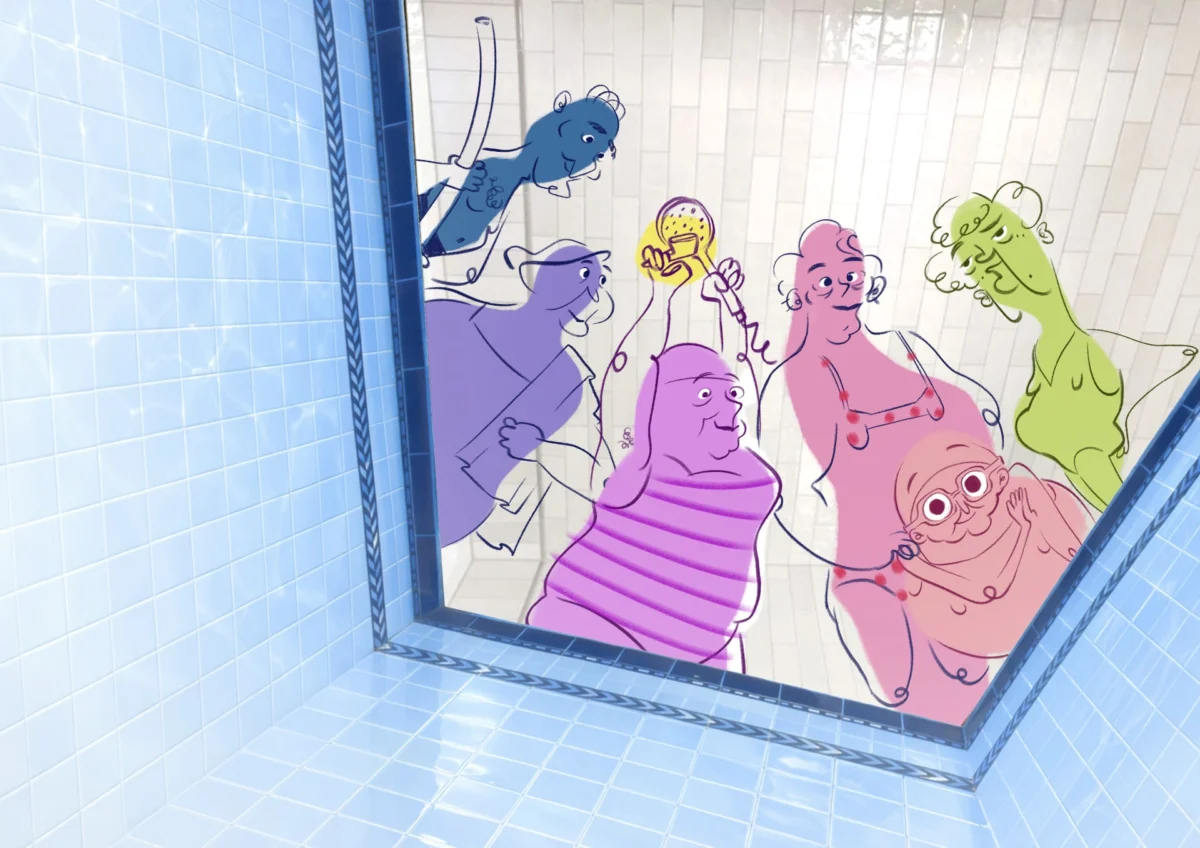
The Shower Club
Finally, the comedy The Shower Club challenged the industry’s perception of aging. With its sharp wit and social commentary, the film proves that animation remains a potent vehicle for political and social critique. Its creators’ decision to pivot away from AI for the final animation underscores a vital lesson: the "boring" parts of the process are often where the true creative decisions are made.
Conclusion: The Future of the Creative Pipeline
The 2026 Next Lab Generation workshop has provided a clear roadmap for the future of animation. The industry is moving toward a hybrid model where VR tools like Quill serve as the "clay" for digital sculptors, while AI is relegated to the role of a specialized—albeit flawed—assistant.
As the industry continues to integrate these technologies, the focus must remain on human agency. The participants in this year’s workshop have shown that the most successful projects are those that master the tools without being mastered by them. As we look toward the 2027 market in Annecy, one thing is certain: the soul of animation still resides in the hands of the artist, not the prompt box. The "fun" parts of creation, it seems, are not meant to be automated—they are meant to be felt.