Nana Wu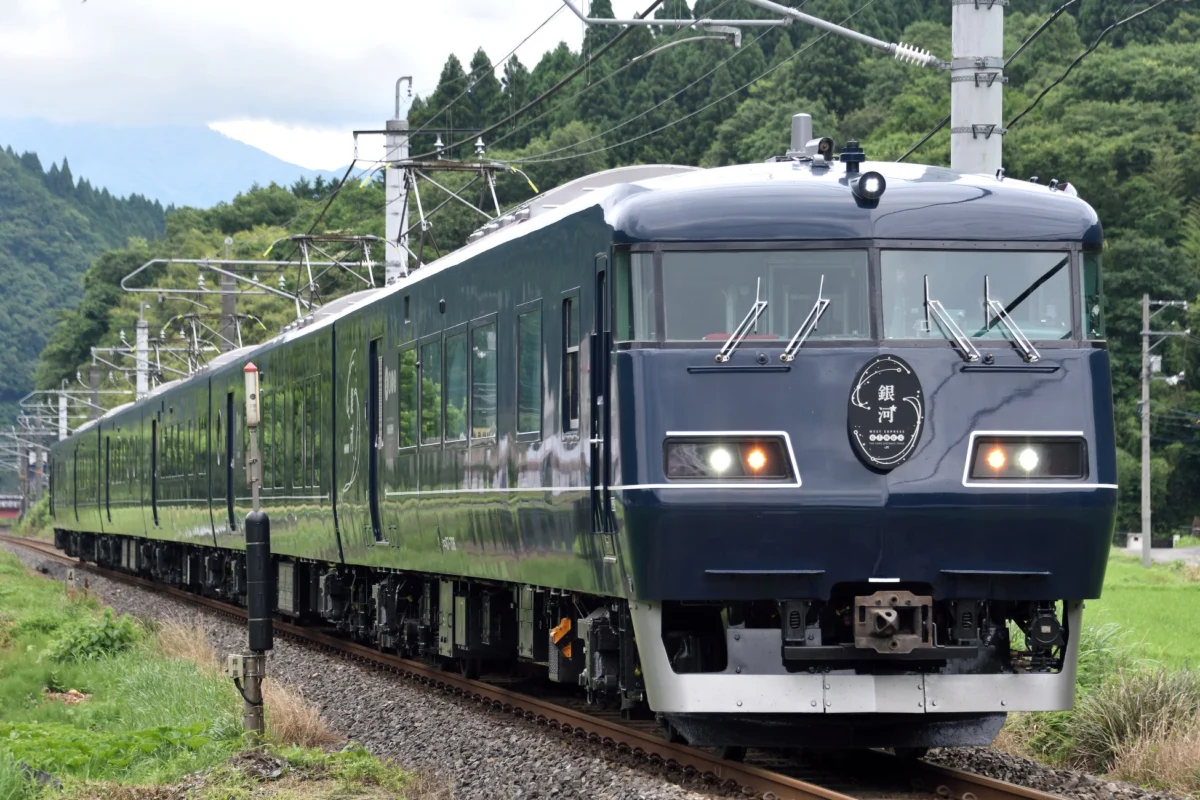
In the landscape of modern travel, where speed is often the primary objective, the West Express Ginga stands as a defiant, luxurious reminder that the journey is, in fact, the destination. Operated by the West Japan Railway Company (JR West), this iconic train is set to return to the Kii Peninsula this summer, offering a refined blend of slow travel, regional immersion, and rolling comfort that has cemented its status as one of Japan’s most sought-after rail experiences.
As the train gears up for its sixth season on this specific route, beginning July 3, 2026, it promises to once again serve as a bridge between the historic grandeur of Kyoto and the rugged, spiritual beauty of the Wakayama region.
Main Facts: The Anatomy of a Rolling Showcase
The West Express Ginga is not merely a mode of transport; it is a meticulously curated "rolling showcase" of the region it traverses. Unlike the standard bullet trains that define Japanese infrastructure, the Ginga operates on a philosophy of deliberate pacing.
Running between the cultural heart of Kyoto and the seaside town of Shingu, the train offers 24 round trips scheduled between July 3 and September 30, 2026. Passengers have the choice of two distinct experiences: a daytime service designed for scenic sightseeing and an overnight service that blends romance, comfort, and local discovery.
The pricing structure reflects its position as an accessible luxury experience, with standard reserved reclining seats starting at 8,670 yen (approximately US$60) and premium private rooms available for 15,380 yen. All seats are strictly reserved, and the high demand for the service—evidenced by the immediate sell-out of the season’s inaugural run—underscores the growing appetite for "slow travel" in a post-pandemic tourism landscape.
Chronology: A Journey Through the Kii Peninsula
The service’s schedule is specifically engineered to maximize the traveler’s interaction with the Wakayama landscape.
The Overnight Service
Departing Kyoto at 9:13 PM, the overnight train serves as a mobile hotel. As passengers sleep, the train snakes along the coastline, positioning them to wake up to the Pacific Ocean at sunrise. The journey concludes at 9:35 AM in Shingu, leaving the entire day open for exploration.
The Daytime Return
The return leg is designed for the leisure traveler, departing Shingu at 1:05 PM and reaching Kyoto by 8:53 PM. This allows for a full morning of local exploration in the Kumano region before boarding the train to enjoy a leisurely afternoon of onboard entertainment and regional culinary experiences.
Key Operational Milestones (July–September 2026)
- July 3: Official start of the 2026 Summer Season.
- Mid-Season Peak: During the peak of the summer holiday, the train hosts special events in Carriage 4, ranging from local product showcases to educational quizzes.
- September 30: Final scheduled service for the summer rotation.
Supporting Data: Why Travelers Flock to the Ginga
The success of the West Express Ginga is rooted in its deep integration with the local economy. JR West has bypassed the traditional "point-to-point" rail model, opting instead to turn every stop into an event.
Regional Gastronomy
The culinary aspect of the journey is perhaps its most distinct feature. Through advanced reservation systems, passengers can secure:
- Wakayama Ramen: A celebrated local staple available during an extended stop at Wakayama Station.
- Tuna Cutlet Burgers: A specialty of the Kushimoto area, served during a dedicated one-hour stop.
- Traditional Delicacies: At Kainan Station, travelers can sample hayanarezushi (a precursor to modern sushi) and pike conger sushi, highlighting the ancient culinary traditions of the Kii Peninsula.
Cultural Integration
The train acts as a mobile classroom and a community hub. The "Kinokuni Line Revitalisation Project," run by students from Wakayama University, provides onboard guidance, custom route maps, and interactive quizzes that educate passengers on the region’s geography and history.
Furthermore, the route passes through unique geological formations. On the overnight service, guides provide commentary on the area’s geoparks, while additional programming addresses the region’s surprising connection to Japan’s aerospace sector, with talks focused on local rocket launch facilities.
Official Responses and Strategic Vision
JR West has positioned the Ginga not just as a profitable rail line, but as a catalyst for regional tourism. By encouraging travelers to disembark at smaller stations like Kushimoto and Kainan, the company is successfully distributing tourism revenue away from major hubs and into the hands of local businesses.
"The West Express Ginga is designed to create a sense of belonging," a JR West spokesperson noted. "Whether it is through the Japan-Turkey friendship mascot ‘MaguToru’ greeting passengers in Kushimoto, or the local stalls set up at station platforms, the train serves as a focal point for regional pride."
The introduction of specialized station stamps—distinct from the standard collector’s stamps found at most Japanese train stations—further incentivizes passengers to participate in the local tourism ecosystem. These efforts are part of a broader strategy by JR West to revitalize the "Local Line" experience, proving that even as technology advances, the human-centric approach to rail travel remains an essential commodity.
Implications: The Future of Slow Tourism
The persistent sell-out of the West Express Ginga tickets has significant implications for the future of Japanese tourism. It signals a shift in traveler demographics: tourists are increasingly moving away from the "checklist" style of travel in favor of experiences that allow for deep, localized connection.
Economic Impact
The model used by the Ginga—where the railway company acts as a facilitator for local vendors—creates a symbiotic relationship. Local businesses in rural Wakayama benefit from a captive, high-value audience, while the train’s operators benefit from a differentiated product that cannot be replicated by airlines or long-distance buses.
Sustainability and Social Connectivity
By utilizing existing rail infrastructure in a way that emphasizes the "slow" experience, JR West is championing a sustainable model of tourism. The focus on regional history, the involvement of university students, and the promotion of local delicacies ensures that the revenue generated stays within the prefecture.
The "Ginga Effect"
As other rail operators look toward the Ginga as a blueprint, we are likely to see a rise in "experience-first" train travel across Japan. This model proves that rail travel can be more than just a commute; it can be an educational, culinary, and social event.
For the traveler, the West Express Ginga offers a rare opportunity to pause. In a world that is constantly moving, the Ginga asks its passengers to sit back, look out at the Pacific, and appreciate the nuances of the Japanese countryside—one station, and one tuna burger, at a time.
For those hoping to join this summer’s journey, the message from JR West is clear: secure your tickets early via the e5489 online service, as the combination of limited capacity and high demand makes this one of the most exclusive seats in the country.


 Neng Nana
 Asro
Asro