Raul Delapena Setiawan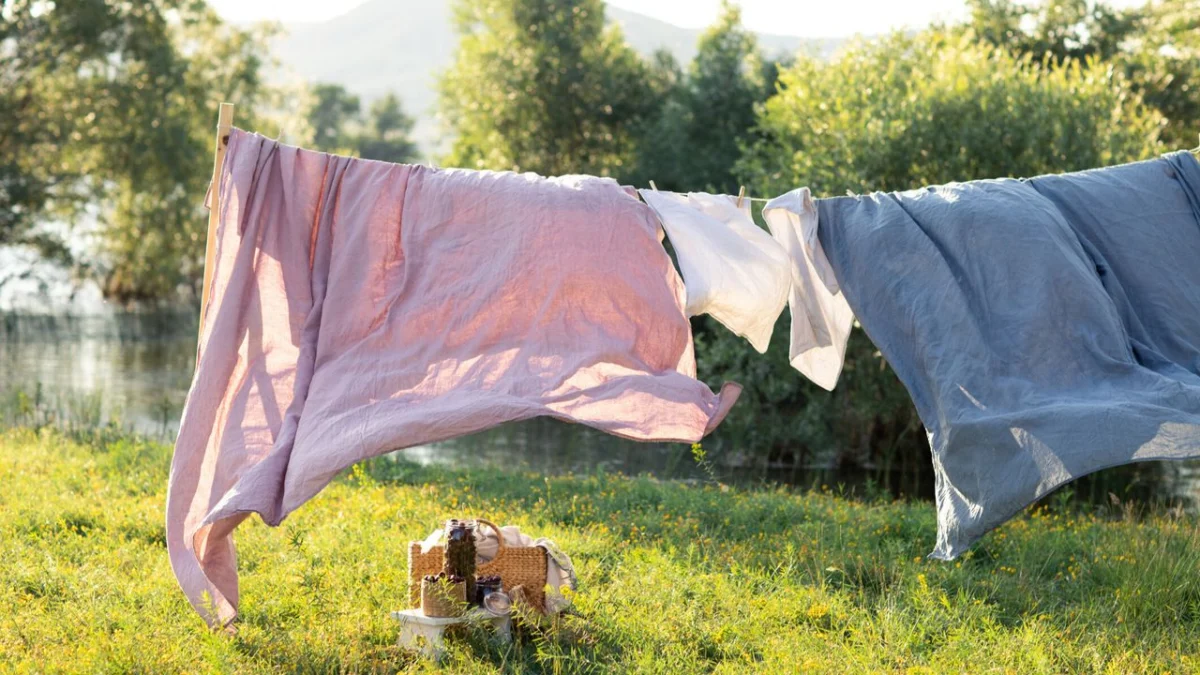
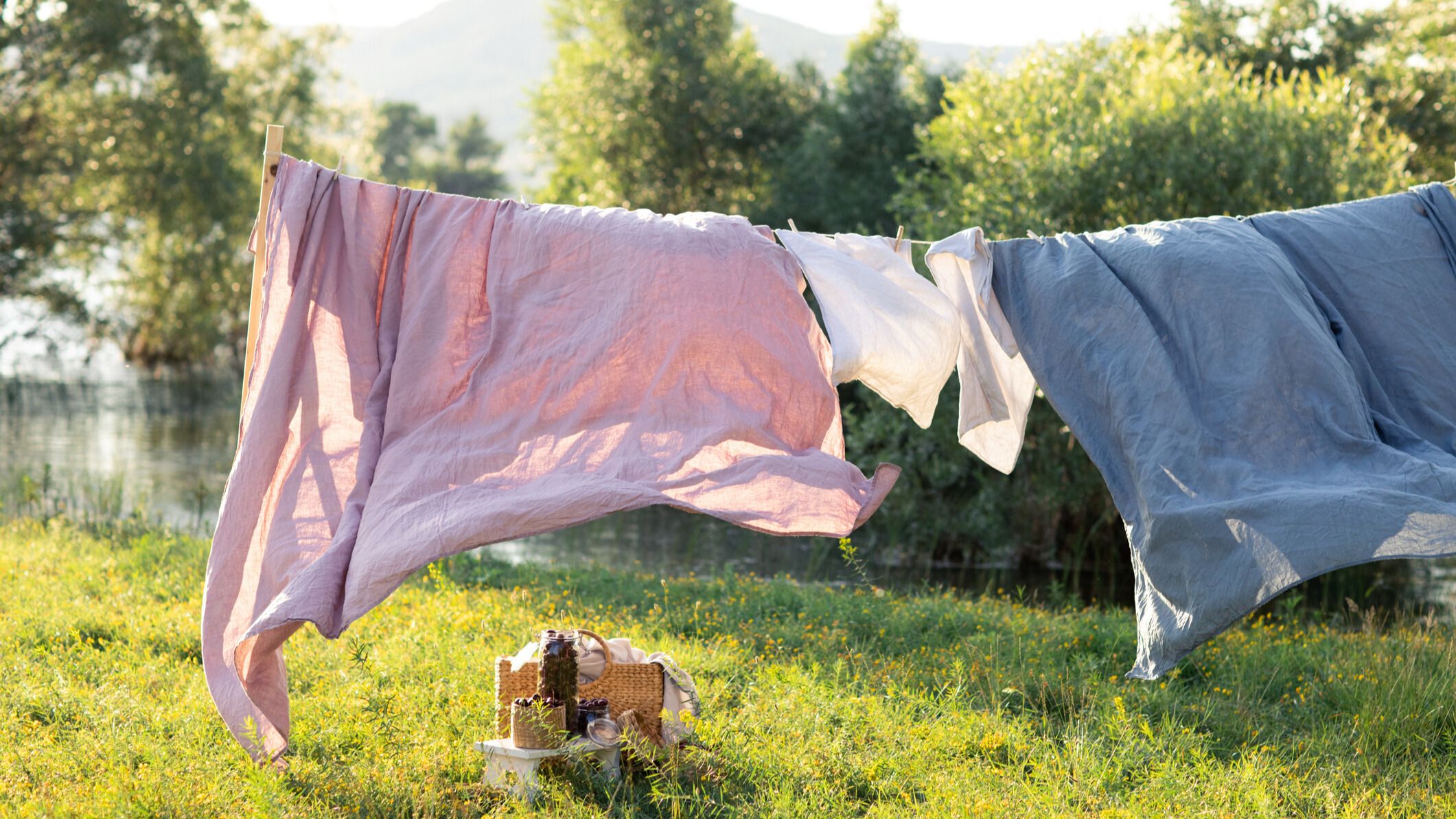
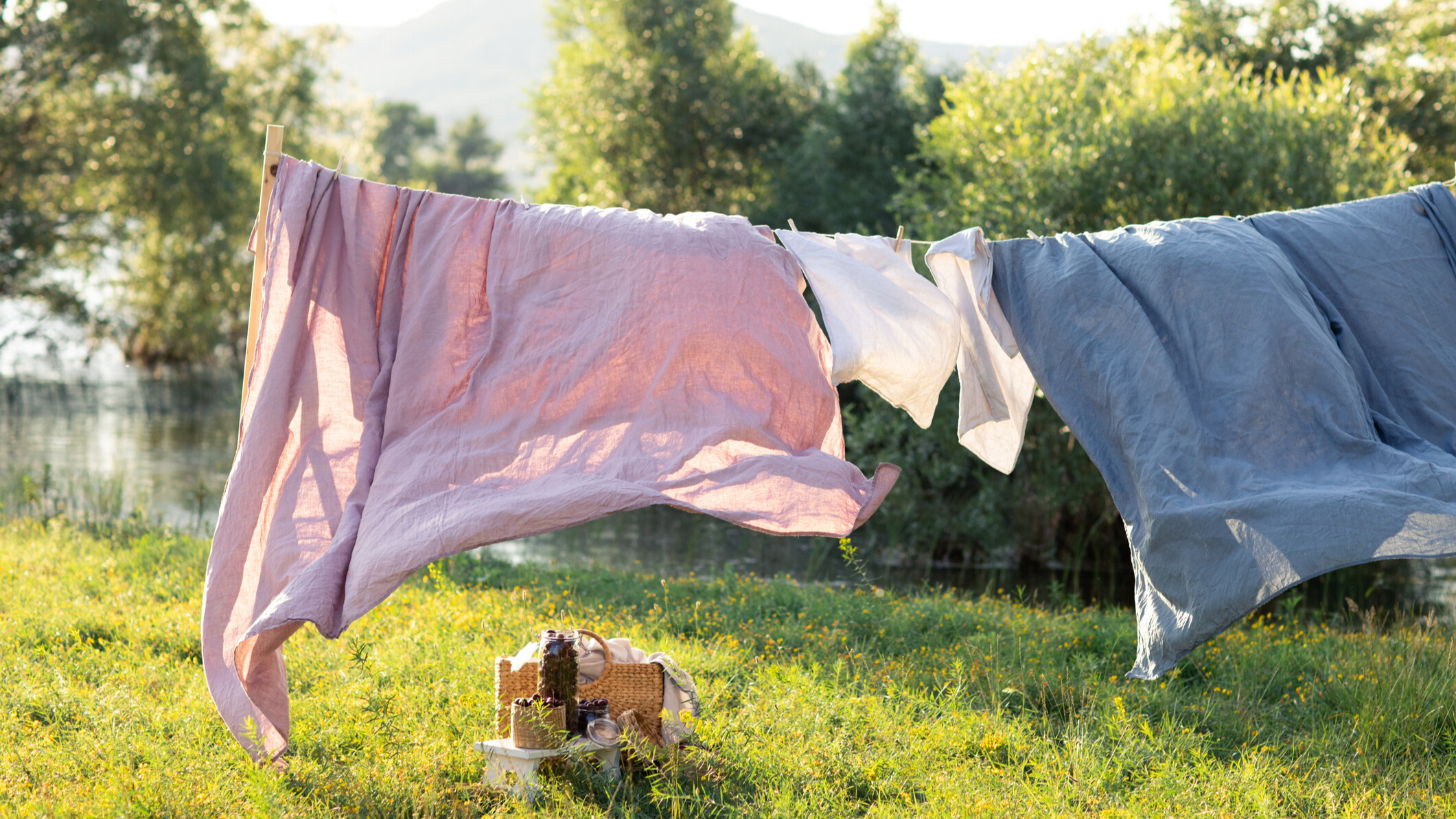
In the age of viral social media cleaning hacks, the concept of "sun washing" or "sun curing" has surged in popularity. As temperatures climb, #CleanTok feeds are flooded with images of pillows, duvets, and sheets hanging limply on backyard clotheslines, basking in the sweltering heat. The claim is simple: direct, intense UV exposure acts as a natural, chemical-free sanitizer, killing off the bacteria, dust mites, and fungi that accumulate in our beds.
It is an aesthetically pleasing and seemingly logical practice. After all, who doesn’t love the crisp, fresh scent of line-dried bedding? However, according to experts in microbiology and infection prevention, this practice is fundamentally misunderstood. While "sun washing" can provide a superficial sense of freshness, it fails to address the invisible, biological reality of what actually inhabits our bedding.
To understand why this trend is more of a placebo than a public health solution, we spoke with Dr. Shanina C. Knighton, PhD, RN, CIC, an infection prevention expert and Research Associate Professor at the Frances Payne Bolton School of Nursing at Case Western Reserve University, to separate fact from viral fiction.
The Microbiological Reality: What’s Really in Your Bed?
To grasp why sun washing is ineffective, one must first look at what we are actually trying to eliminate. Our beds are not merely pieces of furniture; they are ecosystems. Every night, we shed dead skin cells, release sweat, secrete natural skin oils, and occasionally transfer hair products or cosmetics into our bedding.
This organic matter acts as a banquet for microscopic inhabitants. Research conducted at the University of Manchester found that used pillows—ranging in service from 18 months to over 20 years—contained between four and 16 different species of fungi. These organisms thrive in the dark, warm, and moist environments provided by synthetic pillow fills and deep mattress fibers.
"The concern is not that any single pillow is an immediate biohazard," explains Dr. Knighton. "It is the cumulative effect of hours of close contact, night after night, with moisture and skin debris sitting right against your face and airway."
The Limitations of Solar Sanitation
The core of the "sun washing" argument rests on the germicidal properties of ultraviolet (UV) light. While it is scientifically true that UVC light can neutralize pathogens, the "sun washing" performed in a backyard is a far cry from a laboratory-grade sterilization process.
1. The Geometry of Ineffectiveness
Sunlight only sanitizes what it can touch. The surface of a top sheet may receive a modest amount of UV exposure, but the underside, the seams, the folds, and—most importantly—the deep, dense fill of a pillow or comforter remain entirely untouched. "Direct sun can reduce some microbes on an exposed surface, but the exposure is uneven and unreliable," notes Dr. Knighton. "The fungi and bacteria hiding deep within the stuffing remain entirely unreached."
2. Physical Removal vs. UV Exposure
A washing machine does not just rely on temperature; it uses mechanical action. The combination of detergent, water, agitation, and rinsing physically lifts sweat, skin cells, and microbial buildup away from the fabric. Sunlight, by contrast, cannot lift soil or organic debris off of any surface. It may dry the item, but it leaves the "food source" for bacteria—your dead skin and oils—exactly where it was before.

The "Moisture Bomb" Phenomenon
If sun washing doesn’t sanitize, why does it feel so effective? The answer lies in moisture control.
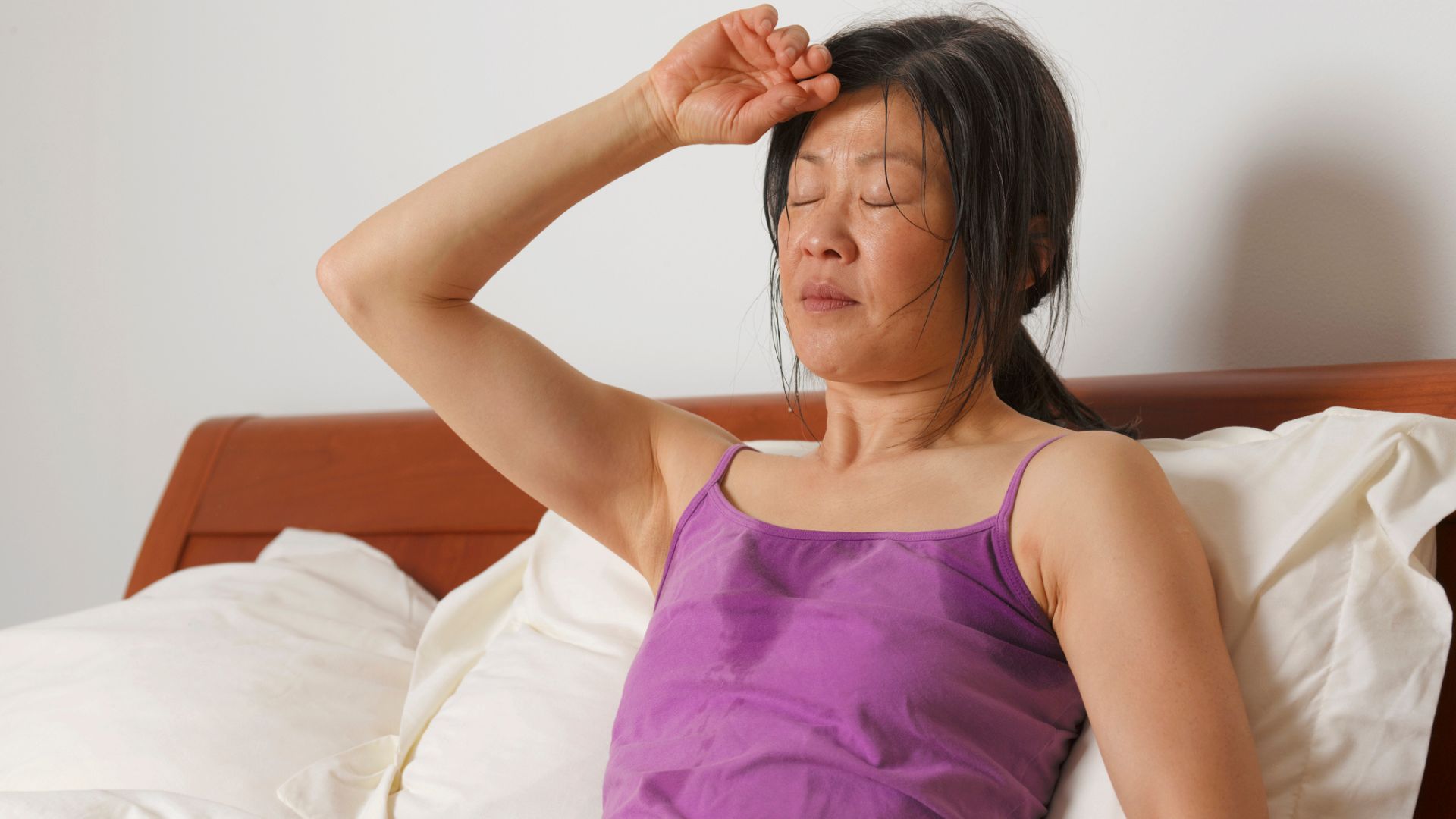
During a heatwave, the human body works overtime to regulate its temperature, leading to excessive sweating. A mattress and its associated bedding act as a massive, high-absorbency sponge. During hot weather, this "sponge" becomes saturated with sweat and skin oils. When you hang your bedding outside, you are not disinfecting it; you are dehydrating it.
"Putting pillows and bedding out in dry, moving air pulls that dampness back out and cuts the odor that comes with it," says Dr. Knighton. "That is what airing does. It freshens between washes. It does not sanitize."
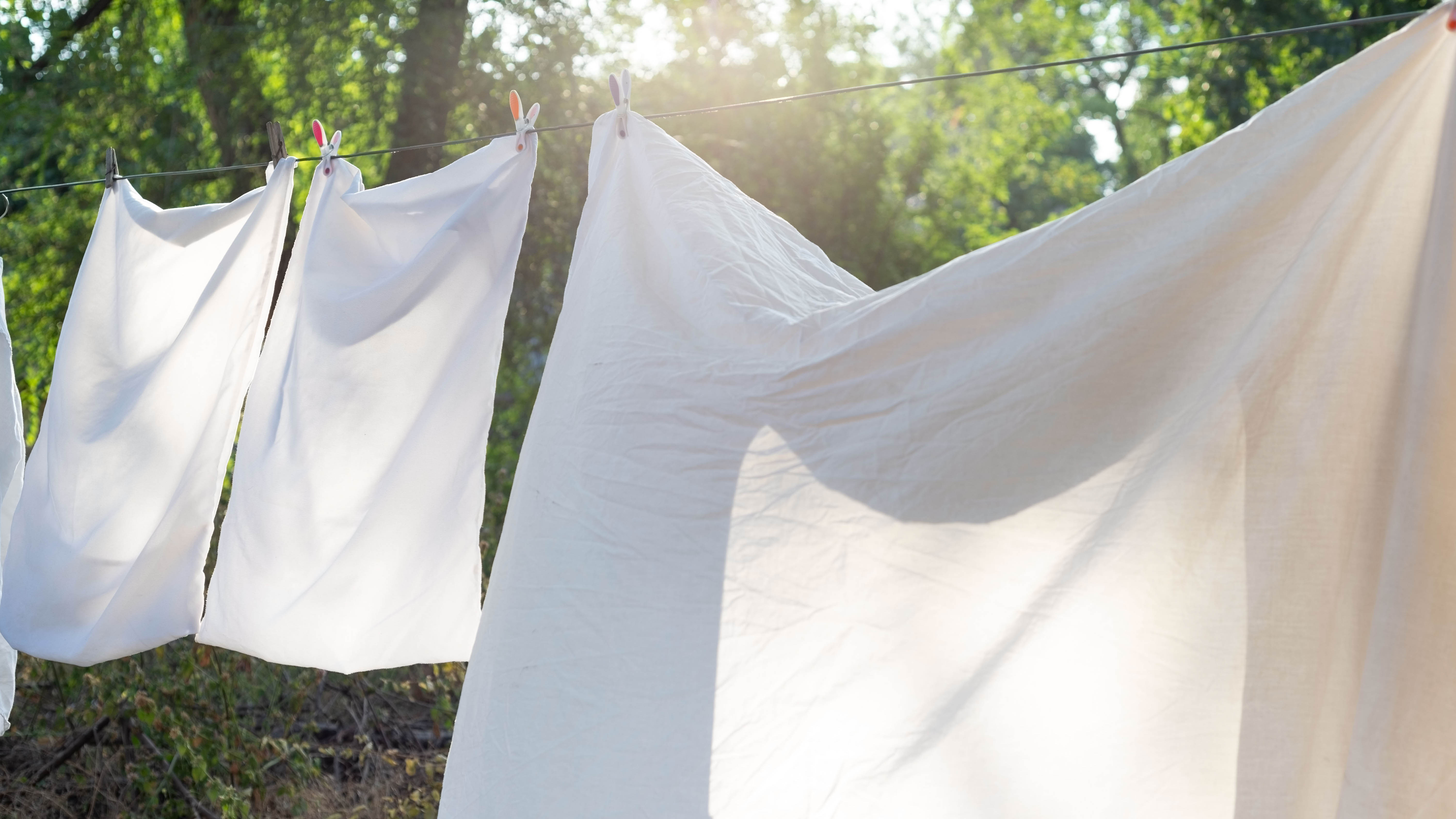
By removing the moisture, you are temporarily creating a less hospitable environment for bacteria to multiply, but you are not removing the existing microbial load. The bedding remains, from a microbiological standpoint, just as "dirty" as it was before it went on the line.
Evidence-Based Hygiene: What Actually Works
If you want to truly sanitize your bedding, you must turn to the one appliance designed for that purpose: the washing machine. However, standard wash cycles—particularly those set to "warm" (around 104°F/40°C)—are largely ineffective against the most common household allergens.
The 130°F Benchmark
According to studies on dust mite and allergen removal, a standard 104°F wash leaves approximately 94% of dust mites alive. To achieve meaningful reduction, heat is non-negotiable.
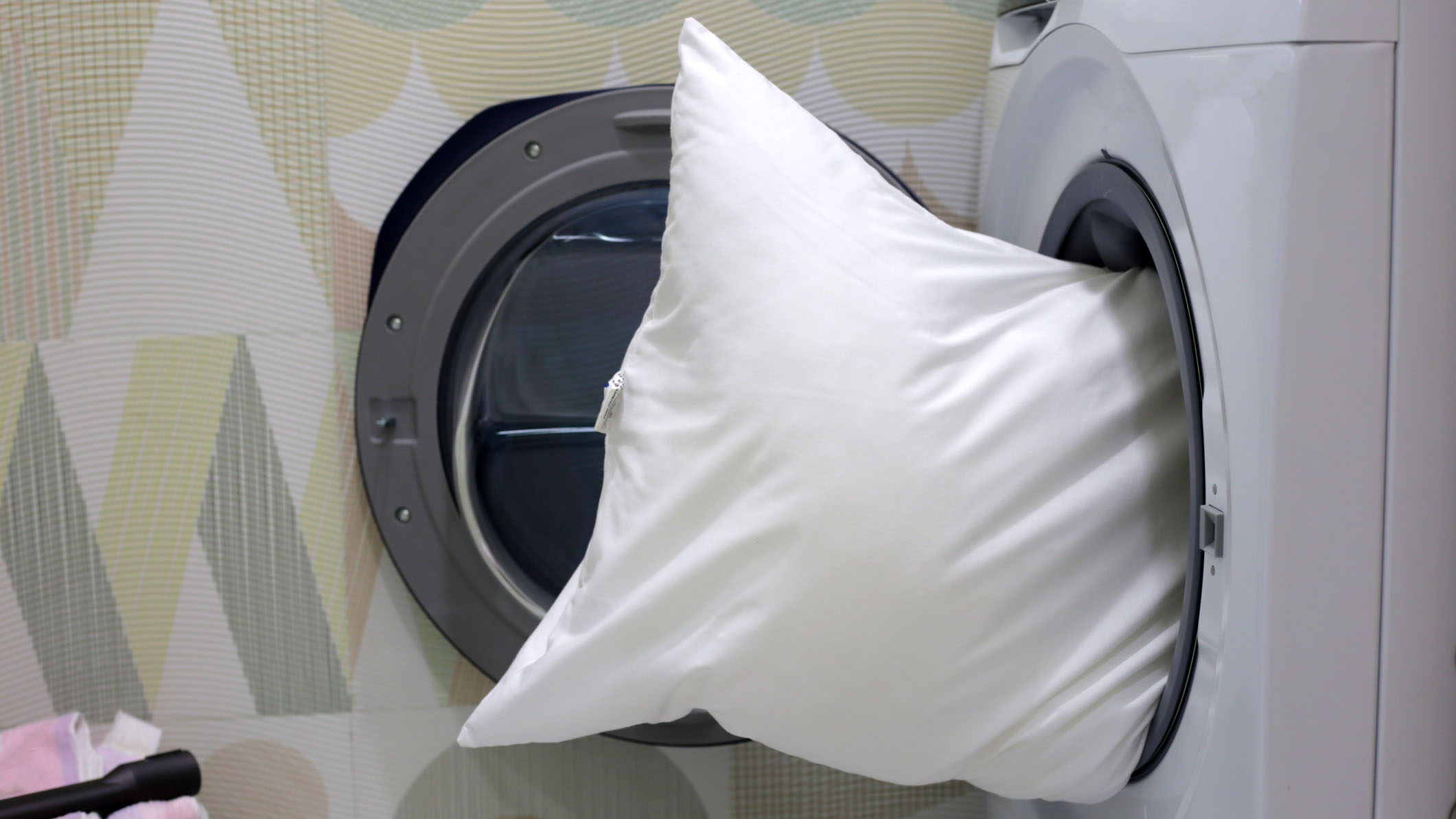
"The benchmark most allergy guidance uses for dust mites is 130°F (54.4°C)," Dr. Knighton explains. "One study found that washing at 140°F (60°C) killed all dust mites, while a warm wash at 104°F killed only about six percent."
For those with asthma, chronic skin conditions, or seasonal allergies, upgrading your washing protocol is far more important than any outdoor drying hack. Before attempting this, always check the care labels on your bedding to ensure the materials can withstand higher temperatures.
Implications for Summer Sleep Habits
The increased frequency of laundry is the most critical change needed during a heatwave. Because your body is sweating more, the rate of microbial buildup accelerates. Dr. Knighton recommends the following maintenance schedule during peak summer heat:
- Bed Sheets and Pillowcases: These should be washed at least once a week. If you are a heavy sweater or do not shower immediately before bed, consider increasing this to twice a week.
- Duvet Covers: These should be laundered every one to two weeks. Using a flat top sheet provides a protective barrier, extending the lifespan of your duvet cover, but it should still be checked for odors frequently.
- Pillows and Comforters: These should be washed at least every three months. However, in a heatwave, if they feel damp, smell musty, or show visible signs of staining, they should be cleaned immediately.
Conclusion: The Verdict on Sun Washing
There is no harm in airing your bedding outside to reduce moisture and improve the scent of your sheets—it is a traditional, environmentally friendly practice that can certainly improve the "freshness" of your sleep environment. However, it is dangerous to view it as a substitute for deep cleaning.
"I would never tell someone to skip a wash because the bedding spent an afternoon outside," warns Dr. Knighton.
The most effective way to protect your health during a heatwave is to rely on science: use hot water, the correct amount of detergent, and ensure that items are dried completely through. A "tidy" bed may be the goal, but a "dry" and "sanitized" bed is the necessity for long-term health and hygiene. By treating sun exposure as a supplementary step rather than a cleaning method, you can enjoy the benefits of fresh-air-dried linens while ensuring your bedding is truly clean.



 Asep Darmawan