

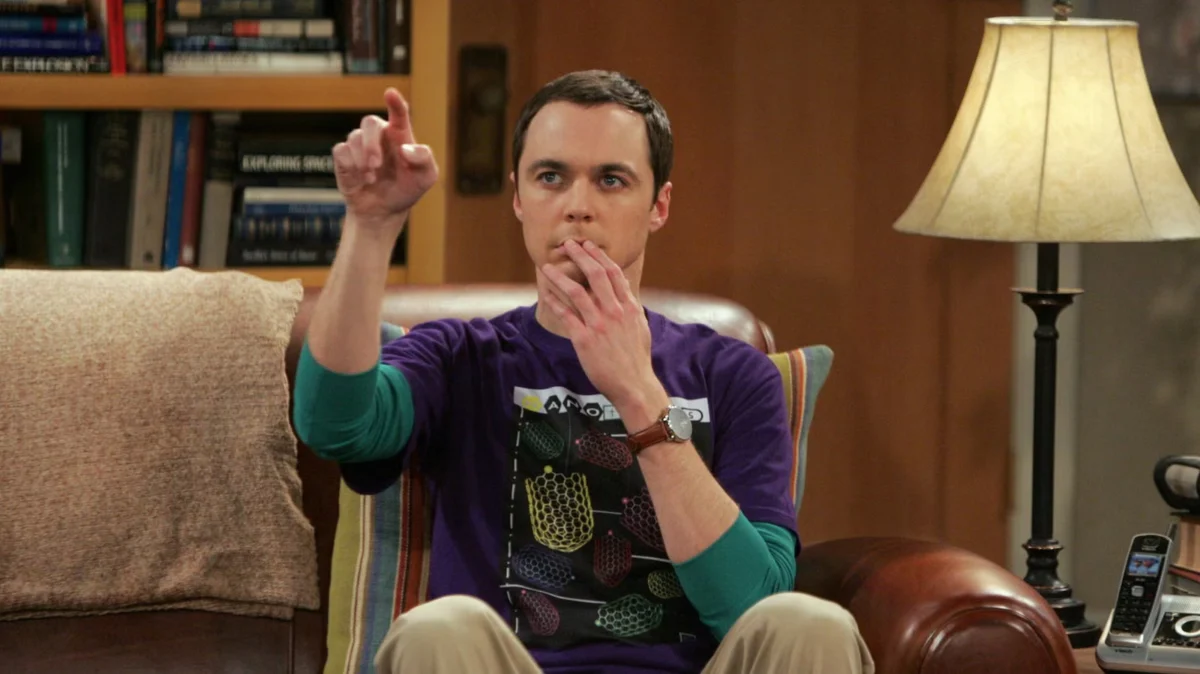
For twelve seasons, Jim Parsons defined a generation of television comedy as the socially maladroit, hyper-intelligent, and undeniably iconic Sheldon Cooper. The Big Bang Theory did more than just dominate the Nielsen ratings; it became a cultural phenomenon, turning a niche subculture of comic books, string theory, and comic book store etiquette into a mainstream juggernaut. However, in the years since the show’s 2019 finale, the question of a potential revival has hovered over the franchise like a persistent rumor.
During an appearance on The View in April 2026, while promoting his acclaimed Broadway turn in the camp-musical Titanique, Jim Parsons offered a definitive response to fans hoping to see him don the signature superhero t-shirt once more. For those expecting a "never say never" hedge, Parsons was remarkably direct: the chapter is closed.
The Core Facts: Why the Door is Firmly Shut
The primary reason Parsons has no interest in revisiting the character is rooted in the sheer intensity of the original commitment. During his interview with Whoopi Goldberg, Joy Behar, and the rest of the panel, Parsons articulated that twelve years of playing a character written specifically for his mannerisms and cadence took a toll—not in a negative way, but in a definitive one.
"I don’t believe I would do a reboot," Parsons stated clearly. He elaborated on the internal connection he feels to the character, noting, "I can’t say I miss him, partly because, especially 12 years on a TV show where they’re writing for this specific actor, there’s a lot of me in that. Not the genius part, but there’s a lot of me in that."
Parsons views the character as a completed artistic cycle. Unlike actors who distance themselves from their breakout roles, Parsons expresses a profound, albeit detached, appreciation for the legacy of Sheldon Cooper. He remains perpetually surprised by the public’s enduring attachment to the character, admitting that even years later, he is moved by fans who share how the show provided comfort during their darkest personal chapters. Yet, this emotional resonance is exactly why he believes a reboot would be a disservice to the legacy.
A Chronology of a Comedy Giant
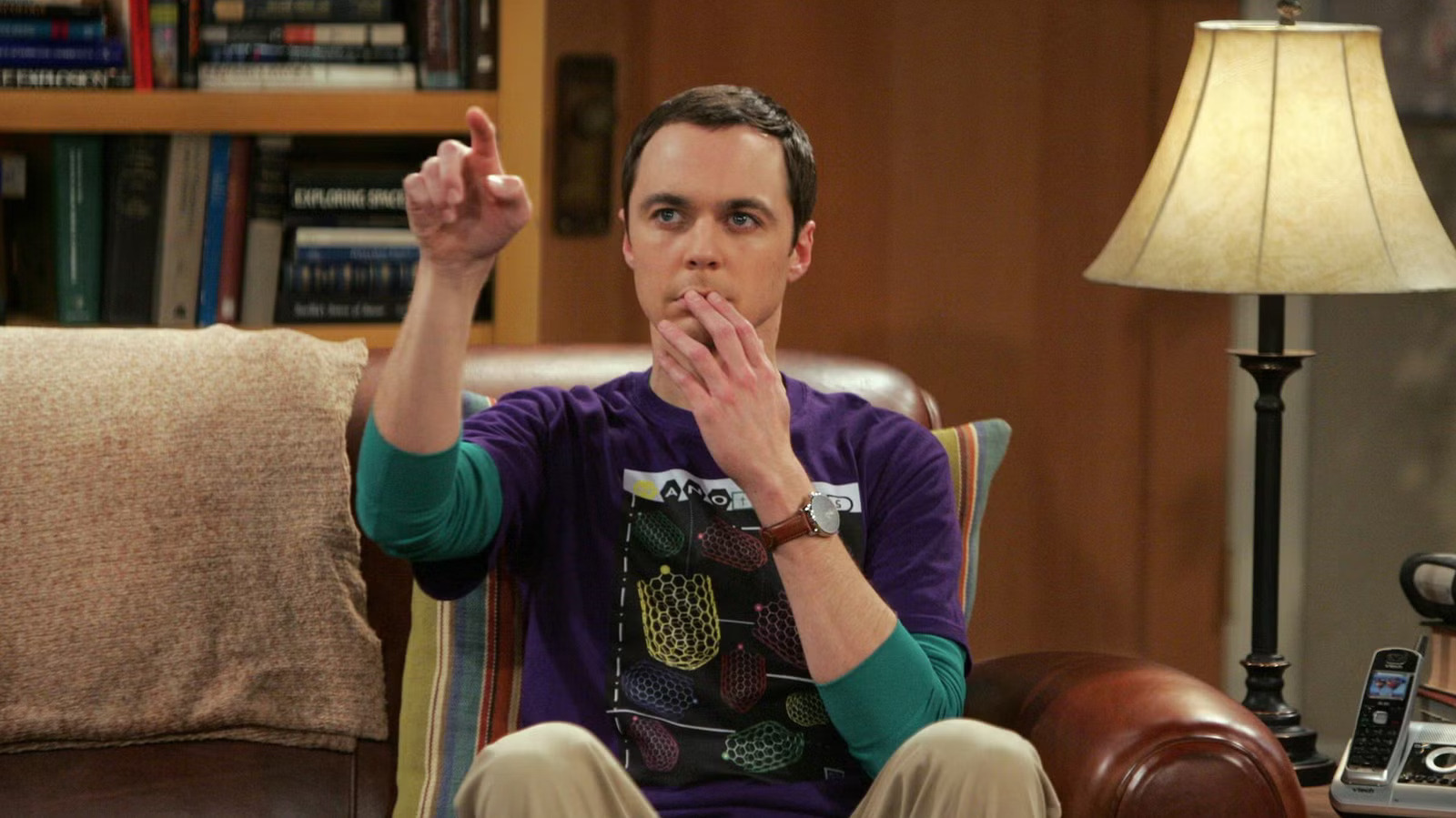
To understand Parsons’ reluctance, one must look at the timeline of the Big Bang universe:
- 2007: The Big Bang Theory premieres on CBS, introducing audiences to the eccentric world of Leonard and Sheldon.
- 2011–2018: Parsons collects four Emmy Awards for Outstanding Lead Actor in a Comedy Series for his portrayal of Sheldon Cooper.
- 2019: The flagship series concludes after 279 episodes, with Parsons choosing to walk away at the height of the show’s popularity.
- 2017–2024: The prequel series Young Sheldon explores the origin of the character, with Parsons serving as an executive producer and narrator.
- 2024: Young Sheldon concludes, featuring a final, poignant cameo from an adult Sheldon Cooper, signaling a true farewell.
- 2026: Parsons formally addresses the "reboot" chatter on The View, effectively ending speculation about his return to the role in a sitcom capacity.
Supporting Data: The Fatigue of the Reboot Era
The skepticism surrounding a Big Bang Theory reboot is not just a personal preference for Parsons; it is a calculation based on the current state of television. In an era where reboots, revivals, and "legacy sequels" are common, the success rate is remarkably low.
Consider the critical reception of And Just Like That…, the Sex and the City revival. Despite the massive built-in audience, the show faced intense scrutiny for failing to capture the magic of the original. Similarly, The Big Bang Theory is a show defined by its specific timeframe—the late 2000s and 2010s. The social dynamics, the pop-culture references, and the specific brand of multi-camera sitcom humor are products of their time.
Furthermore, data suggests that the franchise’s popularity remains incredibly high, but largely through the medium of syndication. The Big Bang Theory is arguably the most "evergreen" show in modern television history. By maintaining its presence on cable and streaming platforms, the show is constantly being discovered by new audiences. A reboot risks tarnishing that perfection. As Parsons alluded to, he has already "lived" the character to his full extent.
Official Responses and Industry Context
Industry analysts suggest that CBS, the network that built much of its primetime success on the Big Bang franchise, understands that forcing a return of the original cast would likely be a strategic error. The network has instead pivoted to tangential spin-offs.
The success of Young Sheldon proved that audiences were interested in the universe, but not necessarily in the original format. The subsequent spin-off, Georgie & Mandy’s First Marriage, continues the legacy of the Cooper family. However, the most daring evolution in this space is the upcoming Stuart Fails to Save the Universe.
By focusing on a character like Stuart Bloom (Kevin Sussman)—a fan favorite who served as the perpetual underdog—the franchise is shifting from the rigid sitcom structure into the genre of high-concept science fiction. This indicates that the creative team, and likely the actors involved, are looking for ways to expand the world rather than re-tread the ground of the original living room.
Implications: The Evolution of the Franchise
The departure of Jim Parsons from the "Sheldon" identity has significant implications for the future of the Big Bang universe. It forces the franchise to rely on its world-building rather than its star power.
1. The Death of the Traditional Sitcom Revival
Parsons’ stance is a bold rejection of the "nostalgia trap." By refusing to participate in a reboot, he is effectively protecting the sanctity of the original finale. It signals to other actors that it is acceptable to move on, potentially curbing the industry’s trend of forcing reunions that lack original creative necessity.
2. Diversification of Storytelling
With the introduction of Stuart Fails to Save the Universe, the franchise is signaling a transition into multi-timeline, sci-fi-infused narratives. This move allows the Big Bang universe to survive without the need for the original ensemble. If the show can successfully pivot to sci-fi, it moves the franchise away from the "laugh-track" comedy style that some critics argue has become outdated.
3. The Legacy of the Actor
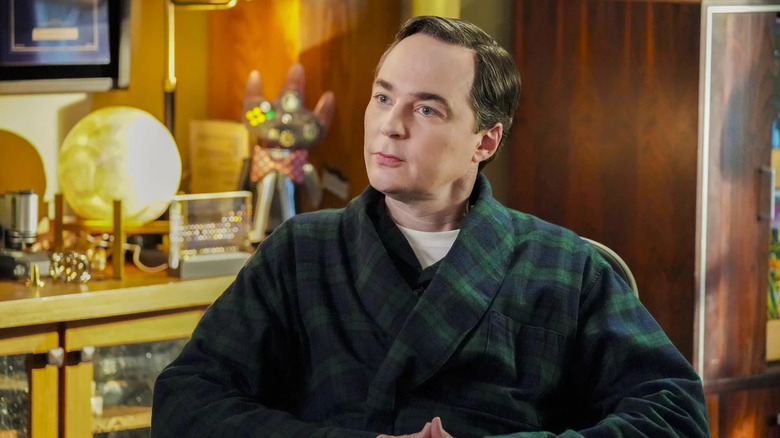
Parsons is currently in a phase of his career where he is exploring the boundaries of his craft—moving into theater, indie film, and darker, more complex roles. His refusal to return to Sheldon is a professional declaration that he is an actor, not a vessel for a single character.
Conclusion: A Graceful Exit
Jim Parsons is right to walk away. In the history of television, very few actors have been given the opportunity to play a character as transformative as Sheldon Cooper, and even fewer have had the wisdom to walk away while the audience is still asking for more.
A reboot would inevitably feel like an "Old Sheldon" project—a tired echo of a genius whose story has already been told from childhood to adulthood. By closing the door on the character, Parsons isn’t just saving the legacy of the show; he is ensuring that the audience’s memory of the "Bazinga"-loving physicist remains untarnished by the cynical nature of modern media revivals. The Big Bang Theory universe is moving forward, and for the sake of the fans and the art form, it is best if Sheldon Cooper stays exactly where we left him: in the annals of television history.










