

As the month of May draws to a close, the literary world turns its gaze toward the progress of the 11th annual Self-Published Fantasy Blog-Off (SPFBO). This prestigious competition, which serves as a vital barometer for the health and diversity of the independent publishing landscape, has reached another milestone. Today, the judging panel announces the departure of the "Third Five to Fall," narrowing the field as we march steadily toward the selection of the coveted semi-finalists.
The SPFBO remains a marathon, not a sprint. With hundreds of entries spanning the vast spectrum of the fantasy genre, the competition is designed to highlight hidden gems while providing constructive, transparent feedback to authors who brave the scrutiny of professional readers.
The Nature of the Contest: A Subjective Odyssey
It is essential to reiterate the foundational philosophy of the SPFBO: all reading is subjective. The judging process is not a rigid ranking of "best to worst." Instead, it is a curated exploration of tone, narrative structure, and reader engagement. The panel does not read entries in a linear fashion, nor does a departure from the competition imply a lack of quality. Rather, it signifies that, within the specific context of this year’s judging panel, the book did not resonate strongly enough to advance to the next phase.
For those curious about the mechanics of the competition, the official SPFBO website maintains a comprehensive log of the 300 entries, providing a window into the sheer scale of this year’s undertaking.

Chronology of the Third Five to Fall
The following five titles have concluded their journey in this year’s iteration of the contest. Each provided a unique contribution to the fantasy landscape, ranging from Norse-inspired sagas to intimate character-driven romances.
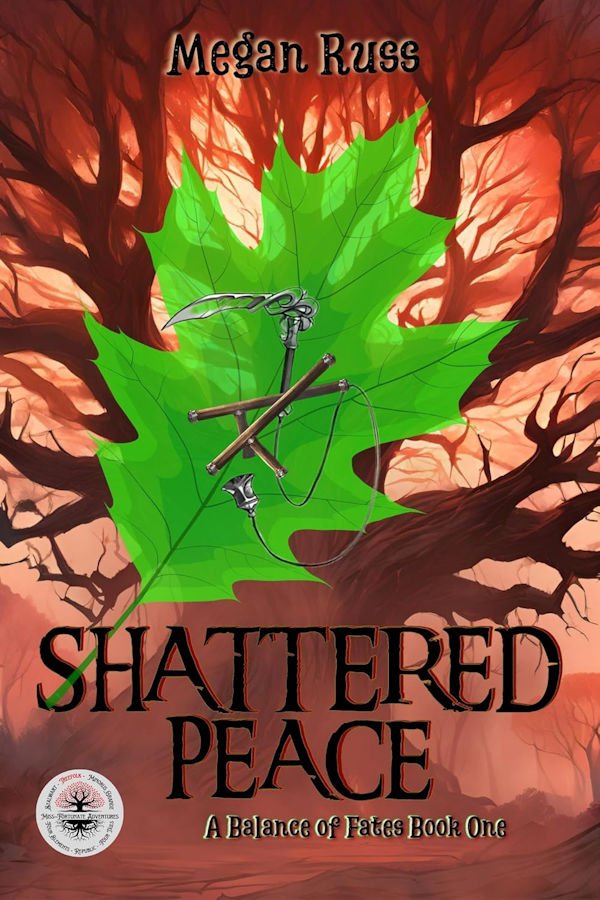
1. Sweet & Wild by Alex Larkspur
Micah Harlow’s journey begins with a familiar but evocative premise: the relocation to a small, isolated town bordering a mystical forest. The narrative centers on Micah’s interactions with a guardian spirit and the stifling social dynamics of Roseyard.
The Verdict: While the story attempts to weave a tapestry of magical realism and romance, the judges found the execution challenging. The primary hurdle was the power dynamic between the protagonist and the spirit, which many readers found uncomfortable. Despite the popularity of the "ancient being meets young mortal" trope, the lack of chemistry and the perceived imbalance in the relationship caused the panel to reach a consensus for elimination.
2. Shattered Peace by Megan Russ
Shattered Peace introduces a post-apocalyptic world where magic has been sealed away by divine intervention. The story follows two young monks—an elven outcast and a rare human—as they emerge from the Monastery of the Leaf to face a world on the brink of collapse.
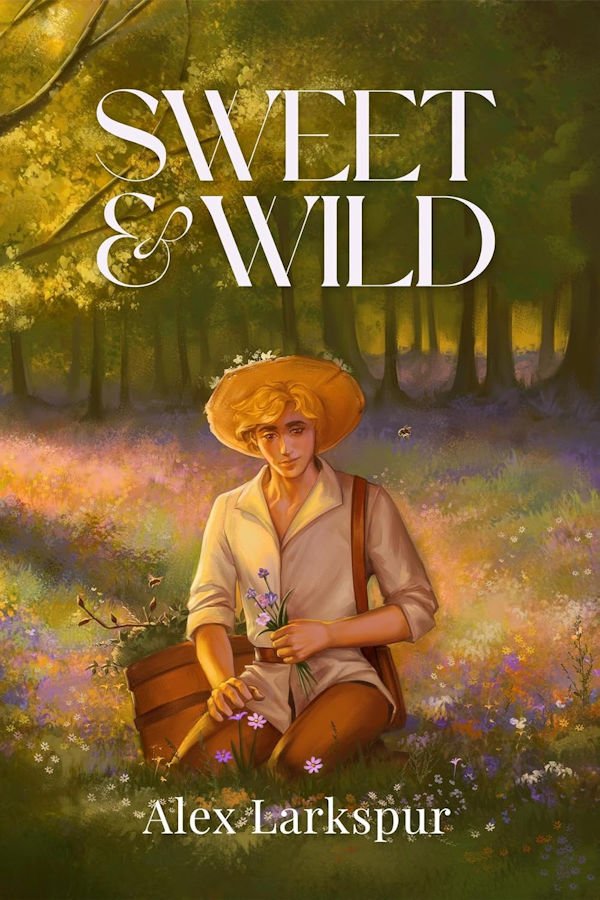
The Verdict: The judges lauded the world-building, particularly the concept of a ruined world where deities have long since abandoned their creation. However, the pacing proved to be the Achilles’ heel of the narrative. While the character work was solid, the plot failed to maintain the necessary momentum to keep the judges engaged, leading to its early departure.
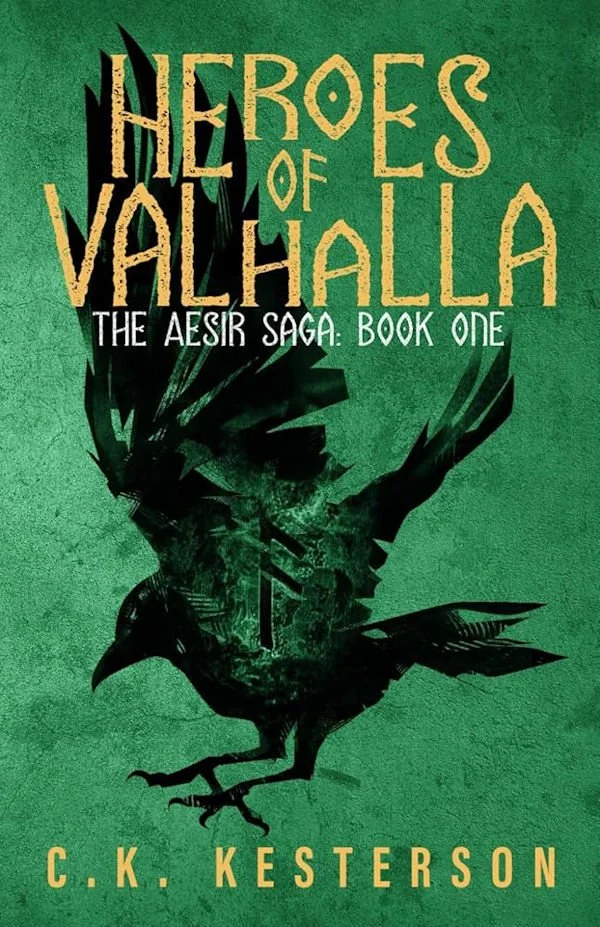
3. Heroes of Valhalla by C. K. Kesterson
Norse mythology is a perennial favorite in fantasy literature, offering a rich well of lore. Heroes of Valhalla leans into this tradition, depicting a kingdom of Asgard struggling to survive in a dying, dark land.
The Verdict: The judges noted that the book is competently written and adheres well to established tropes. However, "competence" was not enough to secure its advancement. The panel found the narrative to be a standard, predictable journey that lacked a distinct voice or a unique twist to elevate it above the crowded field of mythology-inspired fantasy.
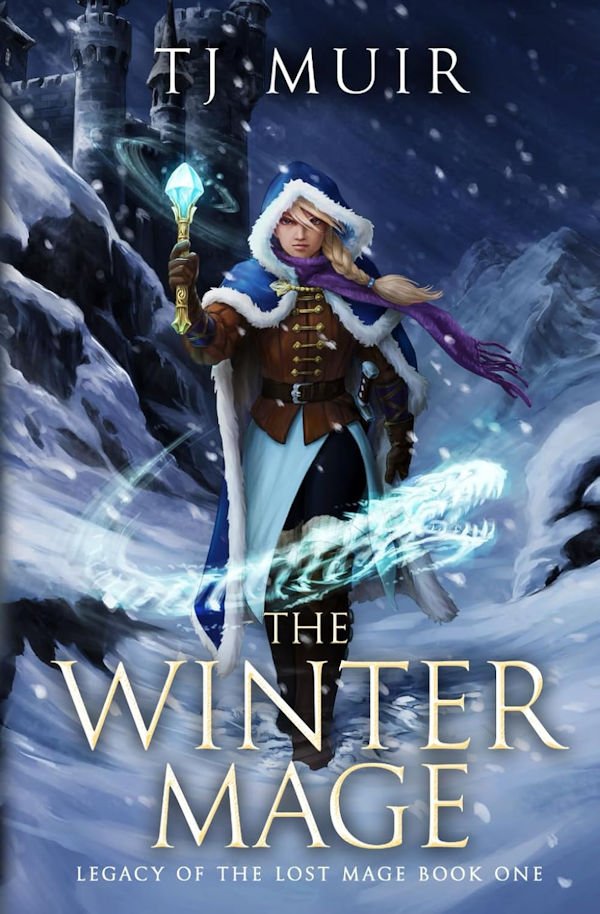
4. The Winter Mage (Legacy of the Lost Mage #1) by TJ Muir
Set in the aftermath of the "Night of Ashes," this story follows Kadaris, a woman obsessed with reclaiming lost magic in a world where mages are hunted. The use of split perspectives—contrasting the mage’s journey with a warrior’s path—offered a promising structure.
The Verdict: Initial engagement was high, with the judges praising the early chapters. However, as the book progressed, the experience was hampered by heavy-handed world-building and a noticeable frequency of editing errors. These technical hurdles distracted from the narrative flow, ultimately preventing the book from advancing.
5. Legacy Bound (Legacies #1) by Elizabeth Daly
This epic fantasy/romantasy blend tracks three interconnected lives: a protective sister, a repentant soldier, and a prince. With the threat of rebellion and demonic corruption looming, the stakes are undeniably high.
The Verdict: The panel was polarized regarding the characters, with some judges connecting deeply with the sibling dynamics while others felt detached. The final consensus was that while the book has merit, the narrative’s conclusion—specifically a twist that subverts typical genre expectations—might alienate the core "romantasy" audience it aims to capture.
Supporting Data and Panel Expertise
The rigor of the SPFBO is sustained by its diverse panel of judges, whose combined experience covers a vast array of sub-genres and literary preferences. This year’s panel includes Adawia Asad, Eva Geraghty, Evelyn Grimald (“E.G.” Stone), Julia Kitvaria Sarene, Karen Lucia, Kerry Smith, Kit Caelsto, Maureen Neuman, Robert Max Freeman, Sara Rosevear, Sherry Cammer, Stacey Markle, Tianna Twyman, and Yaniv Rosenfeld Cohen.
Their collective feedback serves as a crucial data point for authors. By synthesizing the reactions of fourteen distinct readers, the SPFBO provides a level of critical feedback rarely available to self-published authors, helping them identify blind spots in their pacing, character development, and editorial polish.
Implications for the Indie Fantasy Sector
The elimination of these five books serves as a reminder of the competitive nature of the modern indie market. With 300 books starting the race, the threshold for standing out is incredibly high. The trends identified in this round of eliminations—specifically the critique of power dynamics in romance, the demand for tighter pacing, and the necessity of professional-grade copy-editing—are indicative of an increasingly sophisticated readership.
For authors, the SPFBO is more than a contest; it is a workshop. Even those who fall out of the running gain valuable visibility and professional insight. The "Third Five to Fall" are by no means "failures"; they are participants in a high-level experiment that continues to push the boundaries of what self-published literature can achieve.
Moving Forward
As we bid farewell to these five titles, the focus shifts to the remaining 15 books currently under scrutiny. The road to the semi-finals is narrowing, and the intensity of the reading process will only increase.
For the authors who have been eliminated: we thank you for your courage. Entering a work of fiction into a public competition is an act of vulnerability that deserves respect. Your contributions to the genre are noted, and your future projects remain highly anticipated by the community.
For readers, the journey is far from over. The SPFBO website continues to serve as an essential resource for those looking to discover their next favorite read. Whether you enjoy the dark grit of post-apocalyptic world-building or the character-driven nuances of epic fantasy, the remaining entries in this year’s SPFBO promise a wealth of imagination.
For any inquiries or follow-up regarding the contest, please contact the editor, Jennie Ivins, via social media channels such as Bluesky or Threads. Stay tuned as we continue to track the progress of the 11th Annual SPFBO.










