Reynand Wu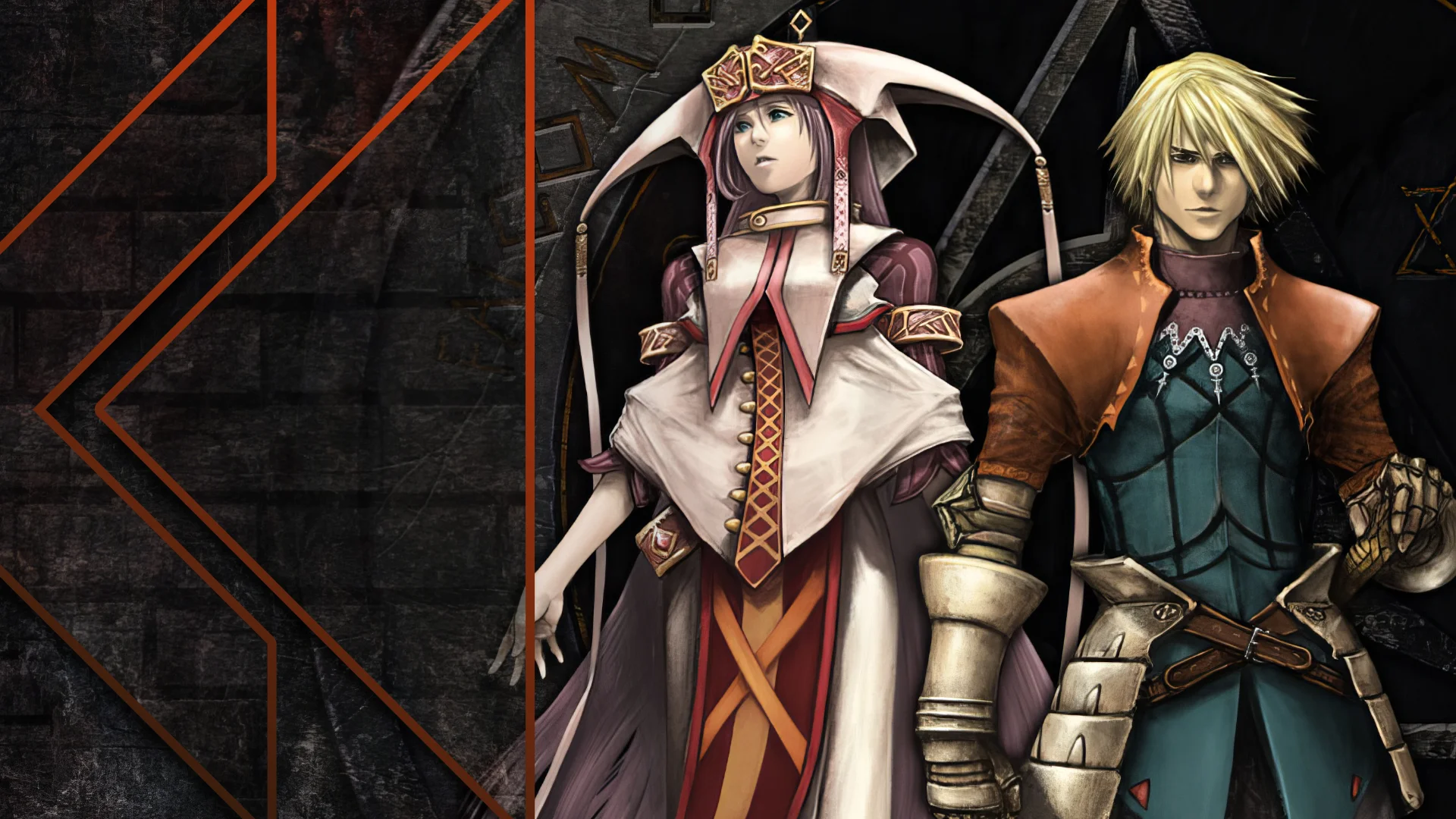
Introduction: The Enduring Legacy of a Falcom Cult Classic
In the expansive library of Nihon Falcom, a company synonymous with the Ys and Trails series, there exists a title that often sits in the periphery of the collective gaming consciousness: Xanadu Next. While Falcom’s flagship titles command massive, multi-generational fanbases, Xanadu Next—a dark fantasy action RPG released in 2005—remains a cherished artifact for those who have unearthed it.
This week, the Retro Encounter podcast, a cornerstone of the RPG community, dedicates its 489th episode to completing a deep dive into this cult classic. The panel, consisting of Ben Love, Aleks Franiczek, and Audra Bowling, explores the game’s final acts, analyzing why this often-overlooked title remains a masterclass in atmosphere, combat design, and narrative restraint.
Main Facts: What is Xanadu Next?
At its core, Xanadu Next is an action RPG that blends the visceral, fast-paced combat Falcom is known for with the intricate, interconnected world-design elements of the "Metroidvania" or "Souls-like" subgenres—long before the latter term became a household name.
The game follows a knight who travels to the island of Harlech to investigate the ruins of a once-great kingdom. The premise is shrouded in a melancholic tone: "Three years hence the War of the Knights… The old ways rang of their death knell, a fresh wind began to blow." This narrative hook serves as the backdrop for a journey that is as much about the decay of a civilization as it is about the personal path of the protagonist.
The game’s standout features include:
- The Skill System: Players gain skills based on the weapons they equip, encouraging a fluid approach to combat that allows for diverse playstyles.
- Environmental Storytelling: Much of the lore is buried within the world itself, requiring players to pay close attention to their surroundings and the remnants of the fallen kingdom.
- Atmospheric World Design: The game’s map is masterfully interconnected, featuring hidden paths and shortcuts that make the exploration of the island of Harlech feel like uncovering a lost, forgotten history.
Chronology: The Journey to Castle Strangerock
The Retro Encounter panel focuses heavily on the second half of the game, a period defined by the dramatic emergence of Castle Strangerock. For players familiar with the title, the rise of this fortress from the depths of Lake Orwell remains one of the most iconic visual moments in the game’s history.
The Mid-Game Shift
As players progress past the initial exploration of the island’s fringes, the narrative stakes escalate. The early game focuses on the knight’s initial investigation and survival, but the mid-game forces a confrontation with the true nature of Harlech.
The Climax
The Retro Encounter discussion highlights the creative boss design that punctuates this final act. Unlike many RPGs of its era, Xanadu Next forces players to adapt to unique mechanical challenges during boss encounters rather than simply relying on stat-padding. The climax is not merely a test of strength, but a culmination of the player’s mastery over the game’s nuanced movement and combat systems.
The panel also waxes poetic about the game’s "bittersweet ending sequence." In an industry often dominated by high-fantasy tropes and "happily ever after" conclusions, Xanadu Next chooses a more grounded, reflective tone, focusing on what it means to be a knight in a world that has moved beyond the need for them.
Supporting Data: Why It Remains a "Classic"
To understand why a podcast would dedicate an entire episode to a 2005 release, one must look at the design philosophy of the time. Xanadu Next predates the modern trend of open-world bloat. Its tight, focused design ensures that every encounter feels meaningful.
Mechanical Innovations
- Weapon Proficiency: The system by which players unlock skills is organic. By using a weapon, you learn its secrets. This creates a feedback loop that rewards exploration and experimentation.
- Pacing: The game manages a sense of urgency without sacrificing the player’s agency. The transition from the mystery of the ruins to the direct conflict surrounding Castle Strangerock is paced with a deliberate, haunting tempo.
- Aesthetic Cohesion: The dark, brooding aesthetic of the island is matched by a score that emphasizes the sense of loss. It is a game that knows exactly what it wants to be, and it executes that vision with absolute confidence.
Official Responses and Community Impact
While Nihon Falcom has moved on to massive, multi-part sagas like Trails of Cold Steel and Ys X, the company has never fully abandoned the spirit of Xanadu Next. The title is frequently cited by developers within the studio as an experiment in design that informed later projects.
The Retro Encounter podcast serves as an unofficial archive of this legacy. By inviting listeners to email their thoughts to [email protected], the team at RPGfan ensures that the conversation remains active. The community response to this episode has been largely nostalgic, with long-time fans praising the podcast’s ability to highlight the "forgotten" gems of the early 2000s.
"It’s not just about the mechanics," notes the panel during the episode. "It’s about the feeling of being a traveler in a place that doesn’t want you there." This sentiment captures the essence of why Xanadu Next continues to find a home on modern gaming PCs via platforms like Steam and GOG.
Implications: The Future of Retro-RPG Analysis
The ongoing interest in Xanadu Next poses an interesting question for the gaming industry: Is there a future for the "compact, dense" RPG?
In an era of 100-hour epics, the success of titles like Xanadu Next—even in retrospect—suggests a growing appetite for games that respect the player’s time while delivering a high-impact narrative. The Retro Encounter podcast, by consistently highlighting these titles, is doing more than just looking back; they are curating a canon of design excellence.
Key Takeaways for Developers:
- Narrative Restraint: Don’t explain everything. Let the environment tell the story.
- Mechanics as World-Building: A skill system should feel like a part of the world, not just a menu screen.
- Atmospheric Consistency: A game’s tone is just as important as its graphics.
Conclusion
As the panel wraps up their discussion, the consensus is clear: Xanadu Next is a masterclass in the "less is more" philosophy. Through its evocative setting, tight mechanical loops, and a story that lingers long after the credits roll, it stands as a testament to what a dedicated development team can achieve.
Whether you are a newcomer curious about Falcom’s deeper history or a veteran who remembers the first time you laid eyes on the mist-covered shores of Harlech, this episode of Retro Encounter is an essential listen.
Listeners can catch the full episode, featuring Ben Love, Aleks Franiczek, and Audra Bowling, along with editing by Zach Wilkerson and music by Miles Morkri, on all major podcast platforms, including Overcast, Pocket Casts, and Spotify. Don’t forget to leave a rating and join the ongoing conversation about one of the most underrated jewels in the RPG crown.
About the Podcast: Retro Encounter is the flagship podcast of RPGFan, dedicated to revisiting the classics, discussing industry history, and exploring the mechanics that define the genre. For more information, visit RPGFan.com.


 Asro
Asro
 Muslim