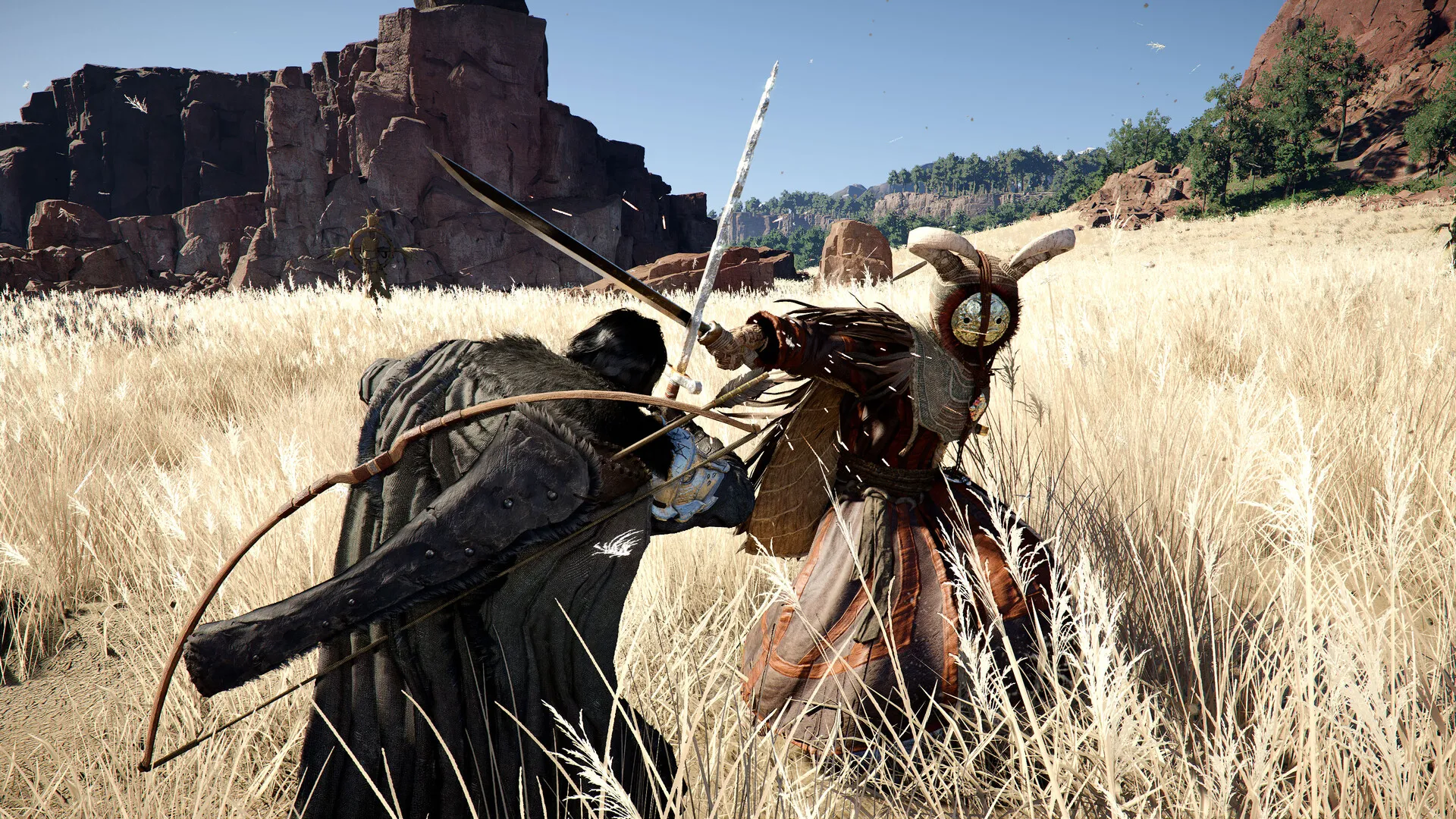
In the landscape of modern role-playing games, there is a storied, often misunderstood lineage of titles affectionately—and sometimes derisively—dubbed “Eurojank.” From the gritty, uncompromising systems of Gothic and S.T.A.L.K.E.R. to the rough-around-the-edges ambition of Kingdom Come: Deliverance and E.Y.E: Divine Cybermancy, these games share a distinct DNA. They are defined by their refusal to coddle the player, their reliance on deep, interconnected systemic interactions, and an endearing—if sometimes frustrating—technical eccentricity.
Enter Crimson Desert, the latest open-world opus from Korean developer Pearl Abyss. At first glance, it appears to be a polished, high-budget fantasy epic. Yet, beneath its gorgeous, high-fidelity exterior lies the heart of a classic Eurojank title. It is a game that challenges the industry’s obsession with "intended play" and scripted encounters, opting instead for a sandbox where the world itself is the primary antagonist and your most versatile tool.
Main Facts: A Systemic Sandbox of Unprecedented Scale
Crimson Desert is a single-player, open-world action RPG that originated from the creative furnace of Pearl Abyss, a studio best known for its long-running MMORPG Black Desert Online. Despite its MMO roots, the game is a dedicated single-player experience, casting players as Kliff, the leader of the Greymane mercenary company, as he navigates the tumultuous, war-torn lands of Pywel.
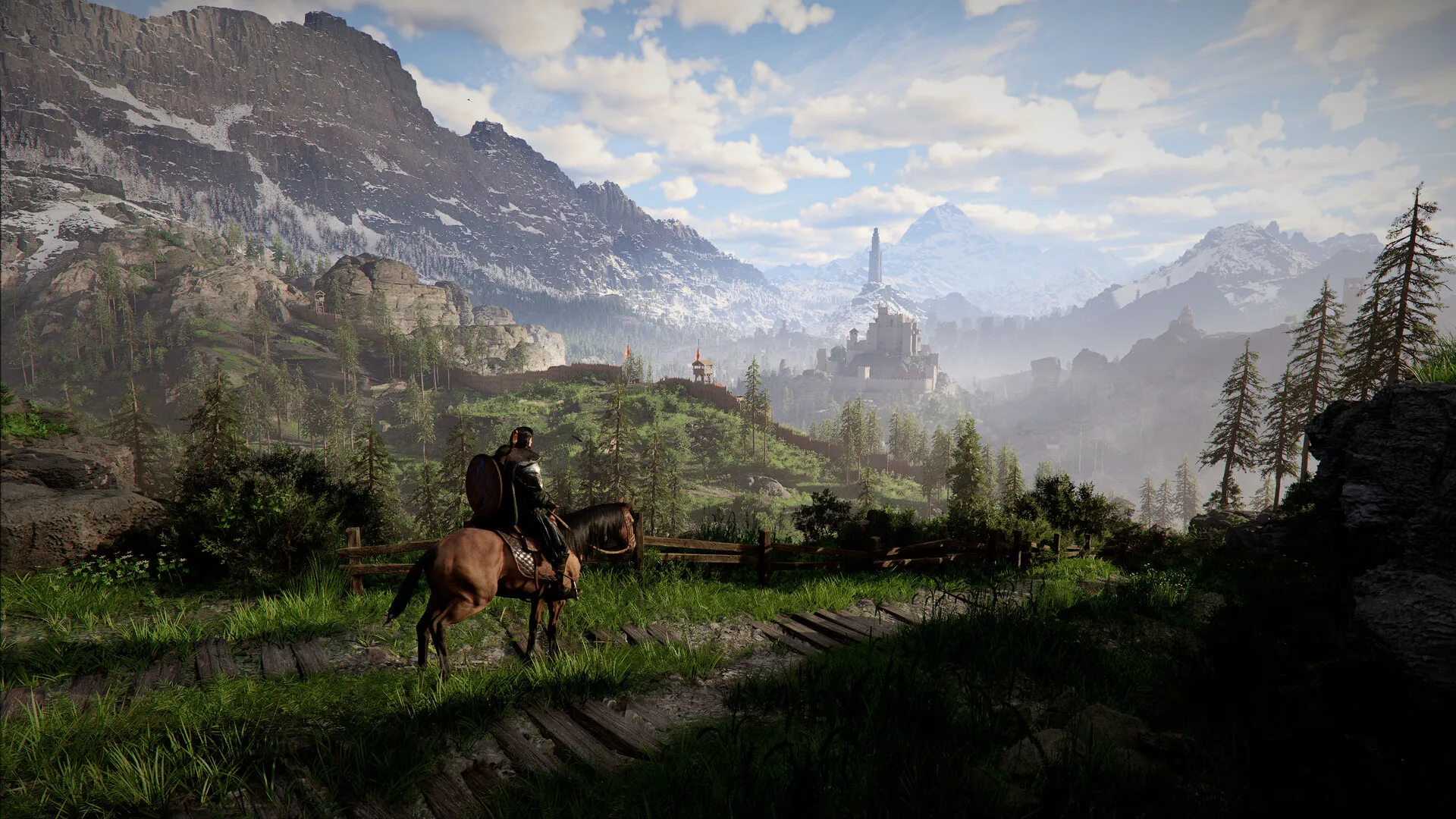
The core appeal of Crimson Desert lies in its "systems-driven" design. Unlike modern AAA RPGs that utilize strictly tuned combat arenas and predictable AI, Crimson Desert treats its physics, environment, and AI schedules as a cohesive, interacting machine. Whether it is using the “Nature’s Grasp” ability to wield a massive tree trunk as a blunt weapon against a boss, or manipulating environmental hazards to thin out superior forces, the game encourages players to look past the "intended" path and find gaps in the simulation. It is this specific brand of emergent problem-solving—where the player learns to "read" the world rather than follow a waypoint—that defines the Crimson Desert experience.
The Chronology of a "Forever Game"
The development of Crimson Desert has been a journey of evolution. Initially teased as an MMORPG expansion or a spiritual successor to Pearl Abyss’s previous work, the project underwent a significant pivot to become a standalone, narrative-driven single-player experience. This transition is evident in the game’s scale: the map is divided into distinct, meticulously crafted biomes, ranging from lush, windmill-dotted plains to the desolate, titular Crimson Desert and mysterious steampunk-infused wastes.
Since its launch, the game has been positioned by Pearl Abyss as a long-term service title. The developer has committed to years of post-launch content, with several updates already rolled out that expand upon the game’s core loops: camp management, deep-sea fishing, and intricate culinary systems. For players who enjoy the "checklist" style of open-world gaming, the content is endless, but for the true enthusiast, the game’s longevity comes from its sandbox nature—a "forever game" that invites experimentation long after the final boss has fallen.
Supporting Data: The Life-Sim Beneath the Surface
To categorize Crimson Desert merely as an action RPG is to overlook its most compelling layer: it is, effectively, a high-fantasy life simulator with a massive, persistent world.
The game’s economy is entirely circular. Fishing produces ingredients; ingredients fuel the cooking system; cooking provides the only viable healing and buff mechanics in the game, as traditional health potions are nonexistent. This forces the player to engage with the world on a granular level. One might spend hours wandering through a forest to find a specific herb, only to stumble upon a hidden cave system, which leads to a unique equipment upgrade, which in turn makes a previously impossible combat encounter trivial.
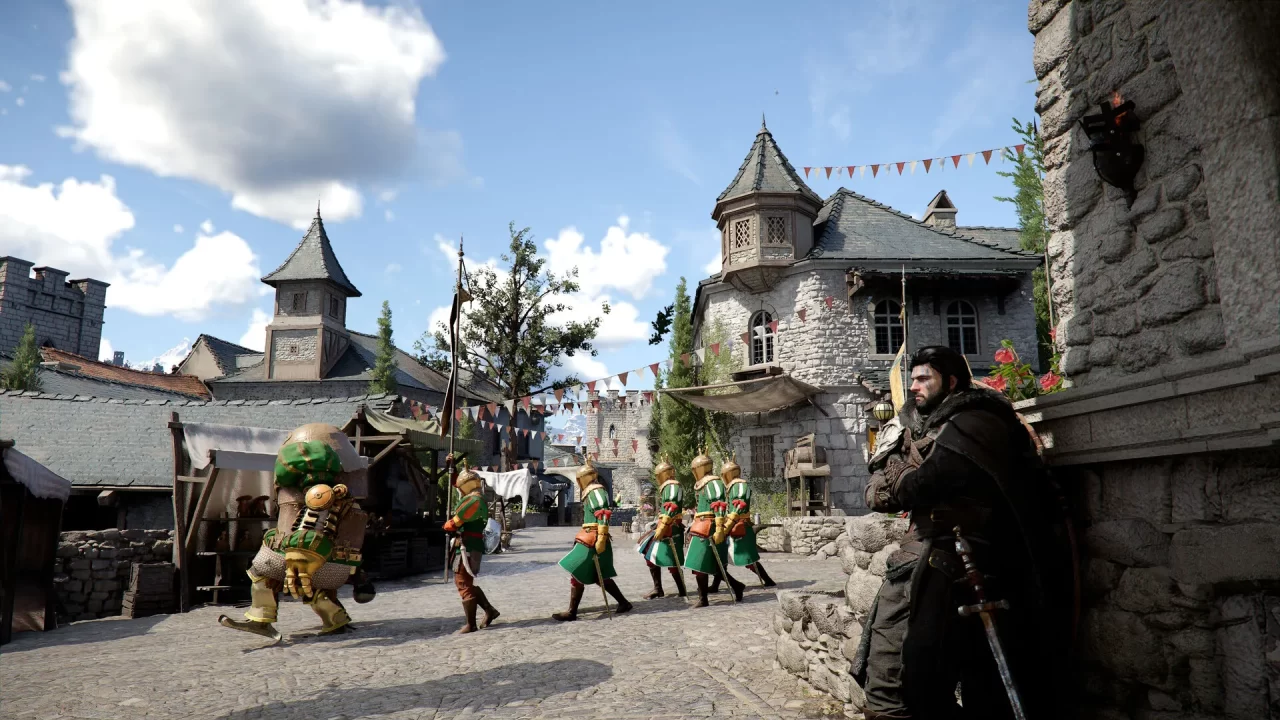
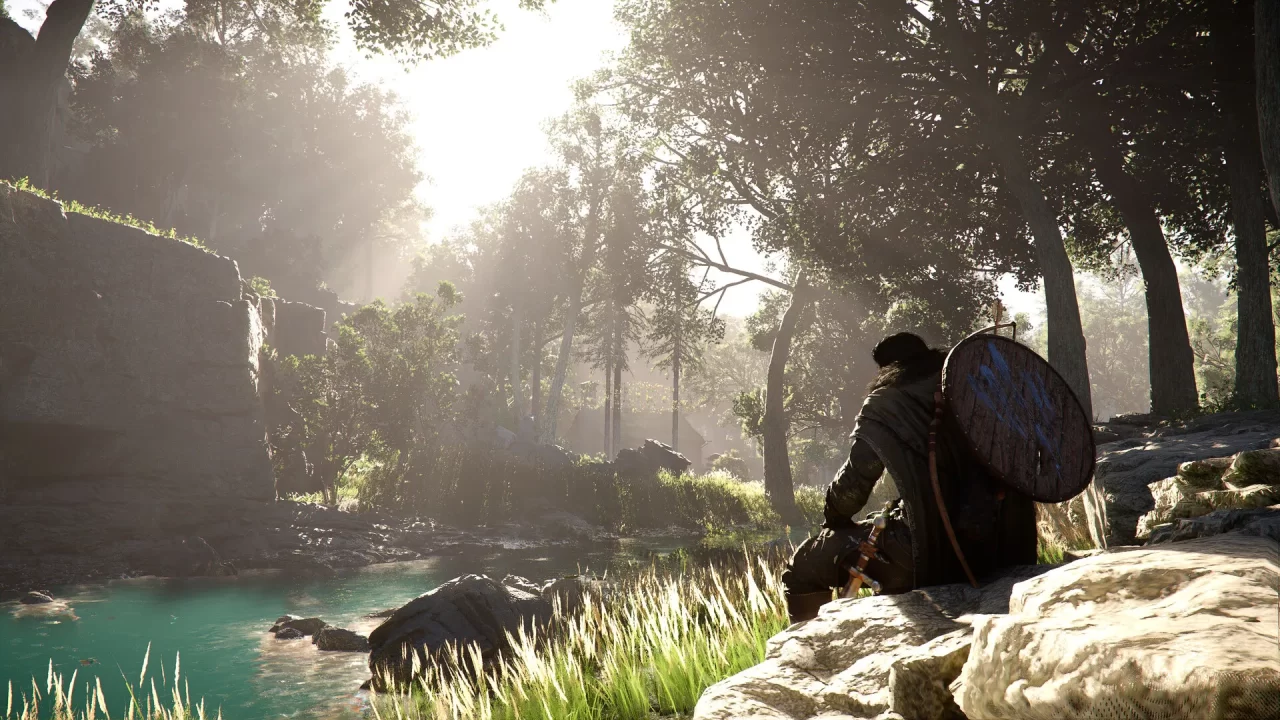
The world of Pywel is built with an attention to detail that borders on the obsessive. Stone fences show natural erosion; farmhands operate on believable schedules; and weather effects, such as wind moving through reeds, are grounded in an ambient soundscape that feels alive. It is a world that does not wait for the player to arrive—it exists regardless of whether the main quest is active. This density allows for the kind of emergent storytelling that is increasingly rare in an era of theme-park design.
Official Responses and the "Narrative Friction"
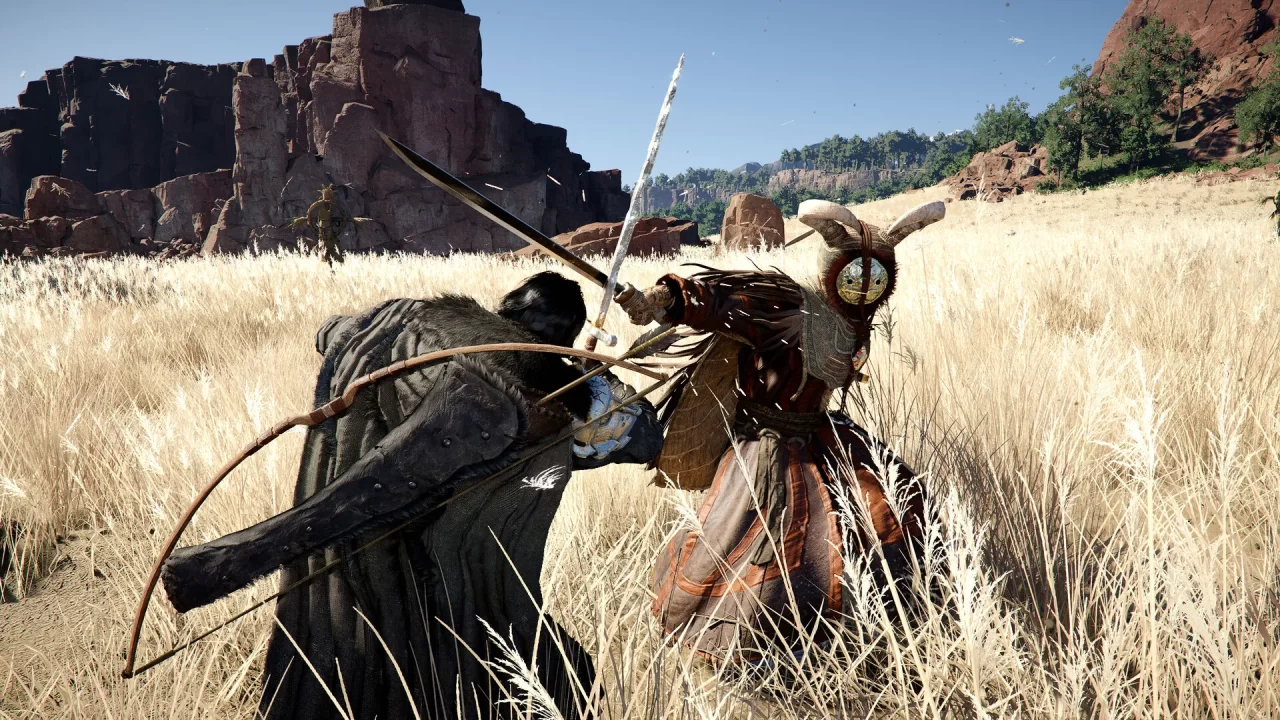
Despite the overwhelming praise for its systemic depth, Crimson Desert is not without controversy, primarily regarding its narrative structure. Pearl Abyss has acknowledged the feedback regarding the game’s main scenario—a sentiment echoed by both critics and the community.
The game’s main questline stands in stark contrast to the freedom of its open world. The protagonist, Kliff, has been criticized for lacking personality, and the narrative missions often devolve into "walk-and-talk" segments or restrictive, linear sequences that feel like a regression from the freedom of the sandbox.
The most prominent "official" quirk is the game’s refusal to allow players to skip cutscenes. In a nod to the frustration this causes, Pearl Abyss added a 2x and eventually a 4x speed-up function for dialogue. While developers have remained silent on a full "skip" button, this tongue-in-cheek implementation suggests they are aware of the "narrative friction" while remaining stubbornly committed to their original vision of how the story should be presented.
Implications: The Last Bastion of the "Eurojank" Spirit
The subgenre of patient, systemic, and slightly unpolished RPGs is in a precarious state. The recent dissolution of studios like Piranha Bytes and Spiders signals a shift in the industry toward hyper-polished, risk-averse titles that prioritize cinematic pacing over player agency.
Crimson Desert serves as a vital bridge between these two worlds. It provides the high-budget, breathtaking visual fidelity of a modern blockbuster while retaining the "soul" of an old-school PC RPG. It proves that there is still a massive audience for games that require the player to meet them on their own terms.
The implications for future RPG development are clear: players are willing to endure "rough edges"—be it a clunky story, an unskippable cutscene, or an initially steep learning curve—if the trade-off is a world that offers genuine, player-driven discovery.

Conclusion: A Flawed, Necessary Monument
Crimson Desert is not a perfect game. Its narrative is a stumbling block, and its main quest structure often clashes violently with the freedom of its open-world sandbox. Yet, in an industry that feels increasingly sanitized and streamlined, it stands as a testament to the power of ambition.
It is a game that gives you a world, a set of physics, and a handful of tools, then leaves you to your own devices. Whether you are using a tree to dismantle a boss, or losing yourself in the intricate, interconnected loops of fishing and cooking, Crimson Desert rewards curiosity in a way that few modern titles dare. It is, quite simply, the best kind of "Eurojank"—a game that wears its flaws like armor, confident that its systemic brilliance is more than enough to carry the weight of its own eccentricities.
Pearl Abyss may have built a behemoth, but they have also built a sanctuary for those of us who still want our games to be a little messy, a little strange, and entirely, wonderfully our own. Just, please—for the love of all that is holy—give us the option to skip the dialogue.