Raul Delapena Setiawan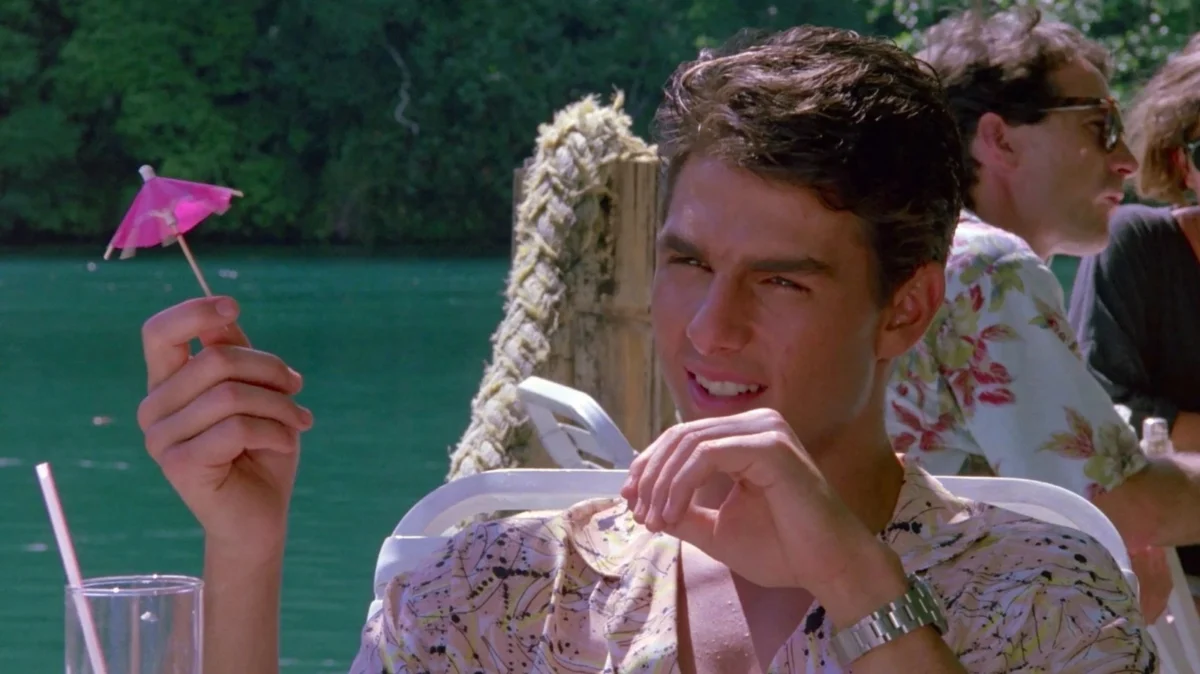
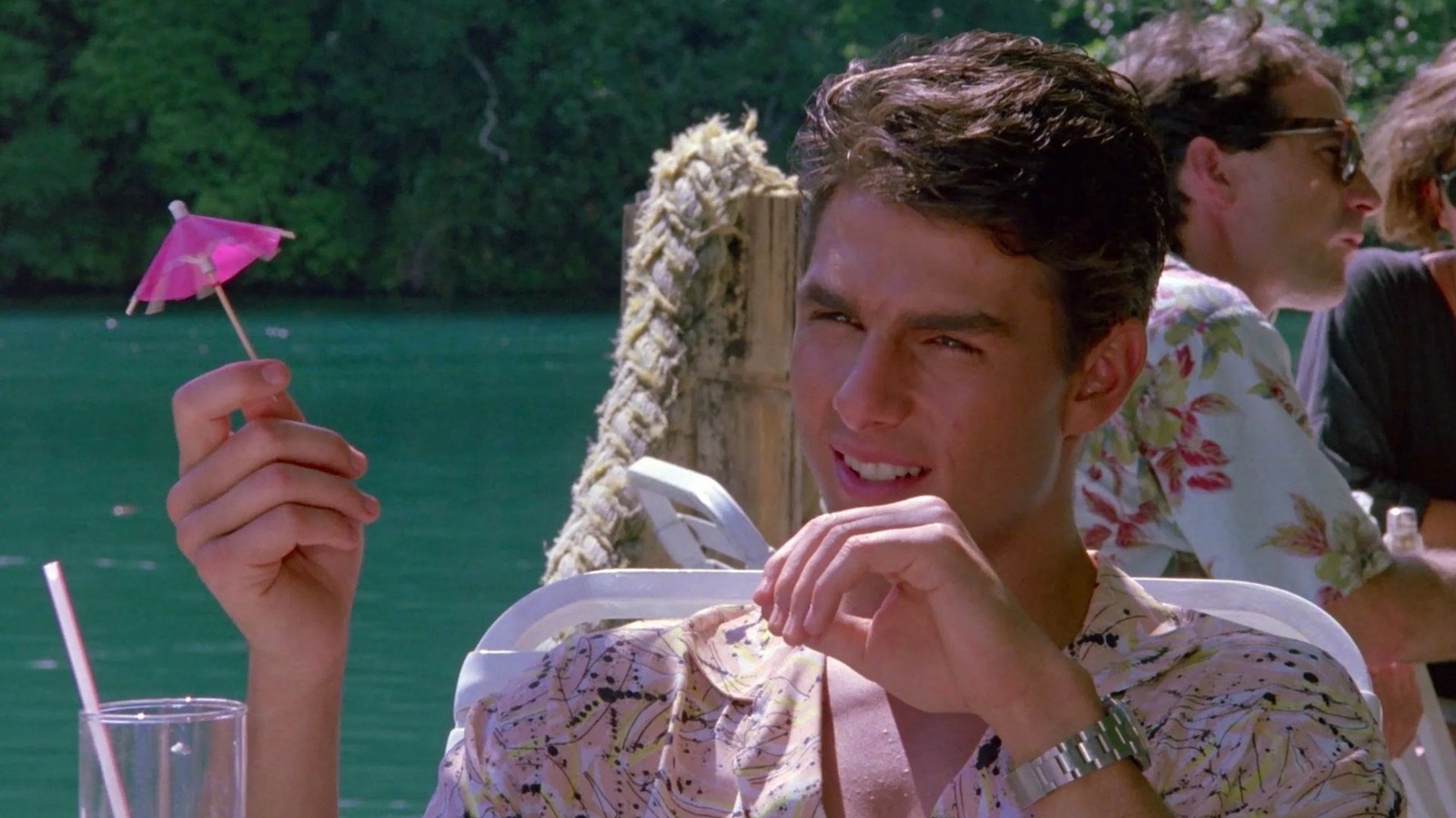
In the pantheon of 1980s cinema, few films occupy as strange a space as Roger Donaldson’s 1988 dramedy Cocktail. On paper, it was a triumph: a $20 million production that skyrocketed to over $170 million at the global box office, anchored by the magnetic, then-ascendant star power of Tom Cruise. Yet, beneath the neon lights and the choreographed bottle-tossing, the film served as a lightning rod for critical disdain. For Haywood Gould, the author of the original 1984 novel and the film’s screenwriter, the movie’s legacy was a bitter pill that eventually transformed into a lesson in professional resilience.
The Anatomy of a Commercial Titan
Released at the height of the Reagan era, Cocktail was the quintessential "high-concept" studio picture. It followed the trajectory of Brian Flanagan (Cruise), a young man with ambitions of extreme wealth who discovers that the path to success in New York City isn’t found in a boardroom, but behind a bar. Under the tutelage of the seasoned, cynical Doug (Bryan Brown), Brian learns the art of the "flair"—the flashy, performative side of bartending that turns a simple drink pour into a spectacle.
The film is a kaleidoscope of 80s tropes: the yuppie aspirations, the whirlwind romances with characters like the enigmatic artist Jordan (Elisabeth Shue) and the wealthy, older Bonnie (Lisa Banes), and a soundtrack that defined the radio landscape of the decade. Behind the scenes, the intensity was just as high; Tom Cruise famously threw himself into the role with such physical commitment that he nearly broke his nose during a notoriously difficult sex scene.
Despite the commercial victory, the cultural reception was seismic in its negativity. The film holds a dismal 11% rating on Rotten Tomatoes, with critics at the time dismissing it as a shallow, vacuous, and implausible exercise in style over substance. For Gould, a writer who had already established his bona fides with gritty, respected projects, the backlash felt personal.
A Career Defined by Contrast: The Chronology of Heywood Gould
To understand why the reception of Cocktail hurt so deeply, one must look at Gould’s pedigree. He was not a newcomer stumbling into a studio lot. By the time Cocktail hit theaters, Gould had already earned a reputation as a master of the hard-boiled and the cerebral.
- 1977: Gould wrote the screenplay for Rolling Thunder, a grim, intense drama about Vietnam War PTSD that has since gained a cult following for its uncompromising tone.
- 1978: He penned The Boys from Brazil, a high-stakes, chilling sci-fi thriller featuring Laurence Olivier and Gregory Peck.
- The Early 1980s: Gould contributed to the writing rooms of gritty crime procedurals like N.Y.P.D. and the original run of The Equalizer.
Gould was an established writer of substance, which made the "sell-out" accusations surrounding Cocktail feel like a betrayal of his own identity. He had moved from the dark, psychological depths of Nazi hunters and traumatized veterans to a glossy, commercial vehicle for a rising superstar. The transition was seen by critics and even some fans as a departure from his intellectual roots.
The Sting of Public Scrutiny
In a 2013 retrospective with the Chicago Tribune, Gould opened up about the emotional toll the film’s release took on him. He recalled being "savaged" by the critical establishment. "I can’t think of a good review," he noted. "All the major people whacked it; and whacked me too, personally."
The experience was so visceral that Gould admitted he was physically incapacitated by the disappointment. "I was pretty devastated. I literally couldn’t get out of bed for a day," he confessed. The humiliation was compounded by the public nature of the critique. He recounted a specific, painful memory of listening to a call-in radio show where a bartender—the very profession he had romanticized in his book—called in to rail against the film as an empty, commercial shell of his original novel.
For a writer, having one’s work publicly labeled a "sell-out" moment is a unique kind of professional trauma. However, Gould credits this "critical spanking" as the defining "basic training" of his career. "This movie got killed," he explained, "and then after that I was okay with getting killed; I got [savaged] a few more times since then, but it hasn’t bothered me."
The Pivot: Directing and Finding Autonomy
The failure of Cocktail in the eyes of the critics did not halt Gould’s career; instead, it prompted a shift in his trajectory. He moved into the director’s chair, taking full control of his own scripts. His directorial efforts—including One Good Cop, Trial By Jury, Mistrial, and Double Bang—allowed him to maintain his voice without the external pressure of studio executives molding his work into a Tom Cruise vehicle.
This move toward directing served as a defensive mechanism, an assertion of artistic independence. By managing the final product, Gould ensured that if his films were "killed" by critics, the fault—and the success—would be entirely his own.
The Implications of Time: Mellowing the Mockery
In recent years, the cultural conversation surrounding Cocktail has evolved. While it remains a frequent punchline—and even a target for Rifftrax mockery—the intensity of the vitriol has faded, replaced by a strange, nostalgic fascination.
Gould himself has observed this phenomenon with a mixture of amusement and philosophical acceptance. During a retrospective screening, he encountered a viewer who described the film as having a "certain Reagan-era charm." This shift from "shallow" to "charming" reflects a broader trend in film criticism: the reassessment of the 80s as a distinct, stylistic era rather than just a period of artistic decline.
"The parts of the movie I found cheesy I find endearing now," Gould reflected. He drew a parallel to the classic films of the 1930s starring James Cagney, noting that many of the movies we now consider pillars of cinema were also "creamed" by the reviewers of their day. This suggests that the value of a film is not always found in its immediate critical reception, but in its ability to serve as a time capsule for the politics, aesthetics, and anxieties of the period in which it was produced.
The Enduring Legacy of the "Worst-Reviewed" Hit
Today, Cocktail stands as a curious paradox: it is a massive financial success that continues to hold the title of Tom Cruise’s worst-reviewed film. Yet, it serves as a critical milestone for Gould, who learned to stop taking himself—and the opinions of the "huffy-tweedy" critics—too seriously.
The lesson Gould learned remains a vital one for any creative professional in the modern era of instant, global feedback. When the noise of public disapproval threatens to overwhelm the work, there is a certain power in reclaiming the narrative. Whether Cocktail is a masterpiece or a disaster is perhaps less important than the fact that it exists as an honest representation of its time.
For Haywood Gould, the film is no longer a source of shame, but a badge of honor. He survived the critical firestorm, he learned to protect his own creative skin, and he moved forward with a hardened, pragmatic wisdom. As he famously concluded, once you’ve been through the ringer of a major Hollywood "whacking," you are essentially bulletproof for whatever follows. In that sense, Cocktail wasn’t just a career-defining hit or a critical miss—it was the moment the writer truly became a survivor.


 Reynand Wu
 Layla Zulfa