

It is a well-worn path in the annals of Hollywood: the ambitious young filmmaker uses the horror genre as a laboratory to showcase their technical prowess and thematic sensibilities. For directors with a vision, horror provides a "backdoor" entry into the industry—a low-barrier, high-impact playground where style can substitute for budget. From Francis Ford Coppola’s Dementia 13 to Peter Bogdanovich’s Targets, the list of titans who sharpened their blades on the grindstone of terror is extensive.
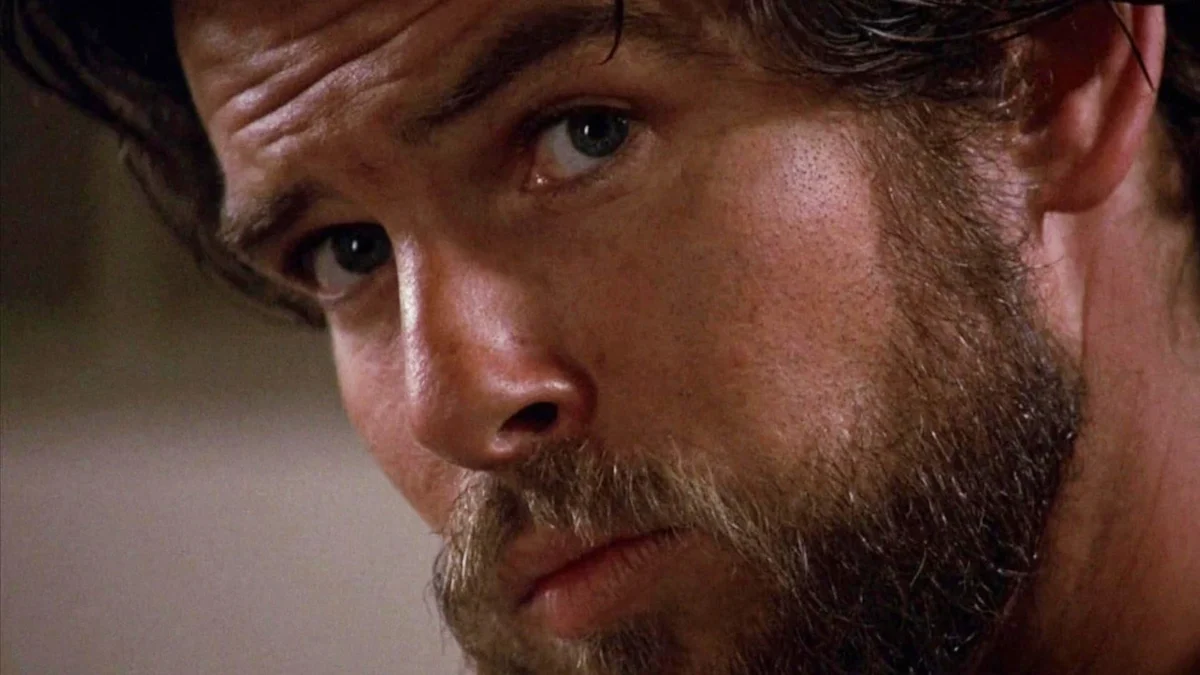
Yet, few entries in this canon are as enigmatic or as unfairly maligned as John McTiernan’s 1986 directorial debut, Nomads. Starring a pre-Bond Pierce Brosnan, the film is a strange, atmospheric anomaly that feels entirely detached from the high-octane, muscle-bound kinetic energy of the movies that would eventually make McTiernan a household name. As the film nears its fourth decade, it is time to reassess this "creepy curio" not merely as a failed experiment, but as the conceptual bedrock upon which one of cinema’s greatest action directors was built.
The Anatomy of an Outsider: Main Facts
John McTiernan is widely regarded as the architect of the modern action blockbuster. His filmography—which includes the visceral intensity of Predator (1987), the claustrophobic perfection of Die Hard (1988), and the meta-textual brilliance of Last Action Hero (1993)—defined the cinematic language of the late 20th century. However, before he was choreographing explosions and orchestrating helicopter stunts, he was a Juilliard-educated filmmaker interested in the intersection of anthropology and the uncanny.
Nomads is, quite uniquely, the only screenplay McTiernan ever wrote himself. The narrative follows Jean Charles Pommier (Pierce Brosnan), a French anthropologist who moves to Los Angeles with his wife, only to become obsessed with a roaming group of street punks. These are not ordinary delinquents; as the plot unfolds, they are revealed to be malevolent, ancient spirits.
The film operates on a strange, liminal frequency. It eschews traditional "jump scare" horror for a slow-burn, atmospheric dread that challenges the viewer’s perception of reality. By grounding the supernatural in the gritty, tangible reality of 1980s Skid Row, McTiernan created a hybrid that feels like a precursor to modern "liminal horror"—a genre defined by spaces that feel unsettled, transitional, and deeply uncomfortable.
A Chronology of a Misunderstood Debut
The journey of Nomads is a story of mismatched expectations. Released in 1986, the film arrived at a time when the horror landscape was dominated by the slasher craze—think Friday the 13th and A Nightmare on Elm Street. Audiences were looking for high-concept killers and supernatural stalkers, not a meditative, anthropological ghost story about the existential dread of displacement.
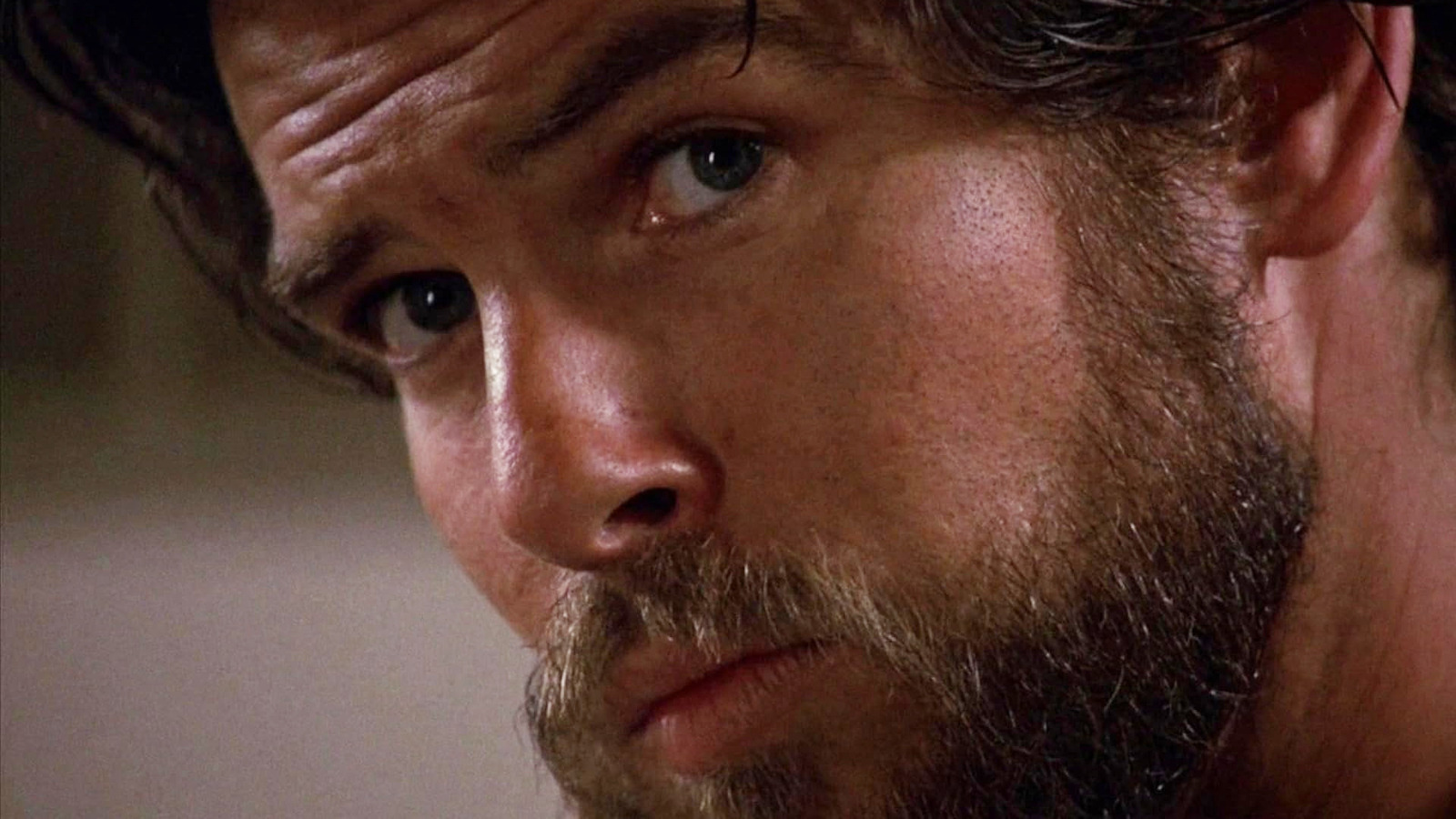
- 1986 (Production and Release): McTiernan secures his debut. The film features a bold, eclectic cast including the New Wave icon Adam Ant and cult cinema staple Mary Woronov.
- The Critical Backlash: Upon release, Nomads was met with lukewarm reviews. Critics found the pacing glacial and the narrative structure—which relies on a flashback-heavy, framing-device approach—confusing.
- 1987 (The Pivot): Barely a year after the failure of Nomads, McTiernan releases Predator. The massive success of the film effectively buried his debut in the cultural memory, cementing his status as an "Action Director" and distancing him from the horror roots he had established.
- 2020s (The Rediscovery): As streaming platforms have allowed for deeper dives into archival cinema, Nomads has begun to enjoy a modest renaissance. Modern audiences, more attuned to the nuances of "arthouse" or "elevated" horror, are beginning to recognize the film’s visual ambition and its stark, unconventional tone.
Supporting Data: The Craft Behind the Chaos
To understand why Nomads is gaining traction, one must look at the technical choices made by the production team. McTiernan’s collaboration with cinematographer Stephen Ramsey is essential. They chose to shoot on location in Los Angeles, utilizing the harsh, unforgiving light of the city to create a sense of displacement.
The soundscape of the film is equally provocative. Composed by the legendary Bill Conti, the score is bolstered by unconventional, jarring electric guitar contributions from Ted Nugent. This creates a sonic environment that feels deliberately off-kilter, mirroring the protagonist’s descent into a madness induced by the "nomads" he observes.
Furthermore, the casting serves as a masterclass in mood-setting. By utilizing musicians and actors known for their distinct, avant-garde personas (Adam Ant and Mary Woronov), McTiernan ensured that the "ghosts" of the film felt truly alien—they carried an energy that was not human, yet occupied human spaces. This is the definition of the "uncanny": the familiar turned hostile.
Official Perspectives: The Director’s Intent
While McTiernan rarely spends time dwelling on his debut in modern interviews, his trajectory provides a clear map of his creative philosophy. In several retrospective discussions about his career, McTiernan has noted that he views action not just as physical conflict, but as a struggle against an overwhelming environment.
In Predator, the jungle is the antagonist; in Die Hard, the skyscraper is the trap. In Nomads, the city of Los Angeles serves this same function. The "spirits" are not just ghosts; they are a manifestation of the culture shock and the friction between the civilized world and the primordial forces that lurk beneath it.
Critics who initially dismissed the film as "confusing" were perhaps missing the point: McTiernan was never interested in providing the audience with a neat, linear narrative. He was interested in experience. He wanted the viewer to feel the same disorientation as Pommier, a conceit that would become a staple of his later work, albeit wrapped in the more palatable packaging of the action blockbuster.
Implications for Modern Cinema
The current resurgence of Nomads has broader implications for how we view the early works of auteur directors. We live in an era where we often categorize directors into rigid boxes—"Action," "Horror," "Drama"—but history shows that the most successful filmmakers are those who experiment with the boundaries of these genres early on.
Nomads teaches us that:
- Genre labels are fluid: A horror movie can be an anthropological study, and an action movie can be a psychological thriller.
- Failure is often a matter of timing: Nomads was a "failure" in 1986 because it was ahead of its time, not because it lacked merit.
- The "Director’s DNA" is visible early: If you look closely at Nomads, you can see the precise framing, the tension, and the love of "outsider" characters that would define Dutch from Predator or John McClane from Die Hard.
As we look back at the career of John McTiernan, Nomads stands as a vital piece of the puzzle. It is a reminder that the giants of cinema were once novices, experimenting with the dark and the strange, finding the voice that would eventually resonate with millions. For those willing to look past the dated 80s aesthetic, the film offers a haunting, brilliant, and deeply atmospheric experience—one that proves that even the most legendary action directors need a place to start.
Whether it is considered a "good" movie by conventional standards is almost secondary; its value lies in its existence as a bold, uncompromising, and deeply personal creative statement. It is a work that deserves to be pulled from the shadows of history and viewed, once again, as the birth of a visionary.










