Laily UPN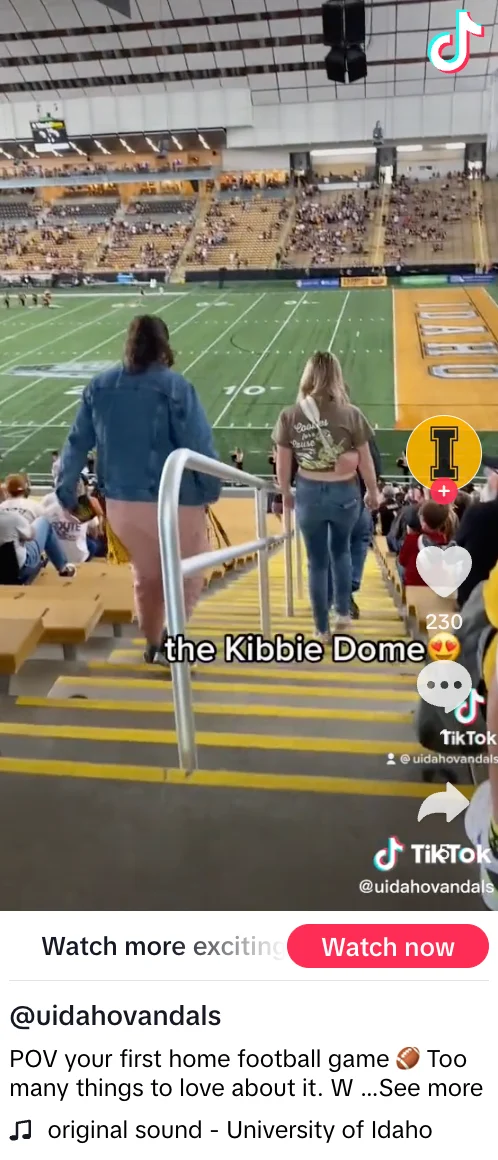
In the modern academic landscape, the ivory tower has gone digital. For universities and colleges, the traditional methods of recruitment—brochures, campus tours, and alumni newsletters—have been fundamentally upended by the rapid evolution of social media. As we navigate 2026, the institutional "social presence" is no longer a peripheral marketing effort; it is the front door of the university, the primary student union, and the most vital fundraising channel in existence.

The Shift: From Institutional Broadcast to Authentic Engagement
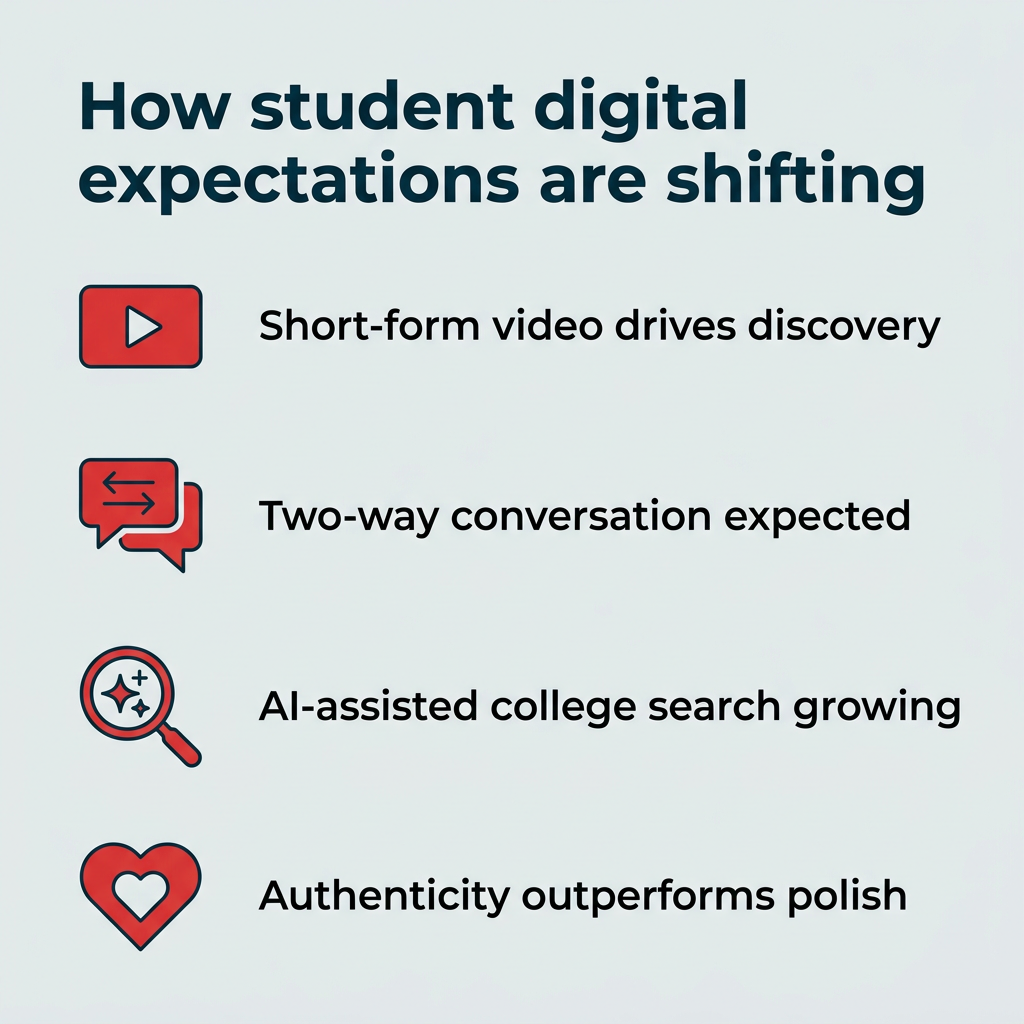
The era of the "polished corporate post" is fading. Today’s prospective students, belonging to the tail end of Gen Z and the burgeoning Gen Alpha, possess a highly refined radar for inauthenticity. They are not looking for curated advertisements; they are looking for peer-led proof of experience.

Recent industry data underscores this shift. A study by RNL reveals that 56% of students consider social media the most influential factor during their initial college discovery phase. This discovery occurs long before a student has set foot on campus or submitted an application. Consequently, institutions that fail to maintain a vibrant, authentic, and student-centered social presence are essentially invisible to a significant portion of their target demographic.
Chronology of the Digital Transformation
The integration of social media into higher education has moved through three distinct phases:
- The Information Era (2010–2015): Universities primarily used platforms like Facebook and Twitter as digital notice boards. Communication was top-down, focused on broadcasting announcements, deadlines, and event recaps.
- The Community Era (2016–2022): Institutions began recognizing the potential for building community. Facebook groups, Instagram Stories, and initial forays into YouTube allowed for a more interactive relationship between the institution and its stakeholders.
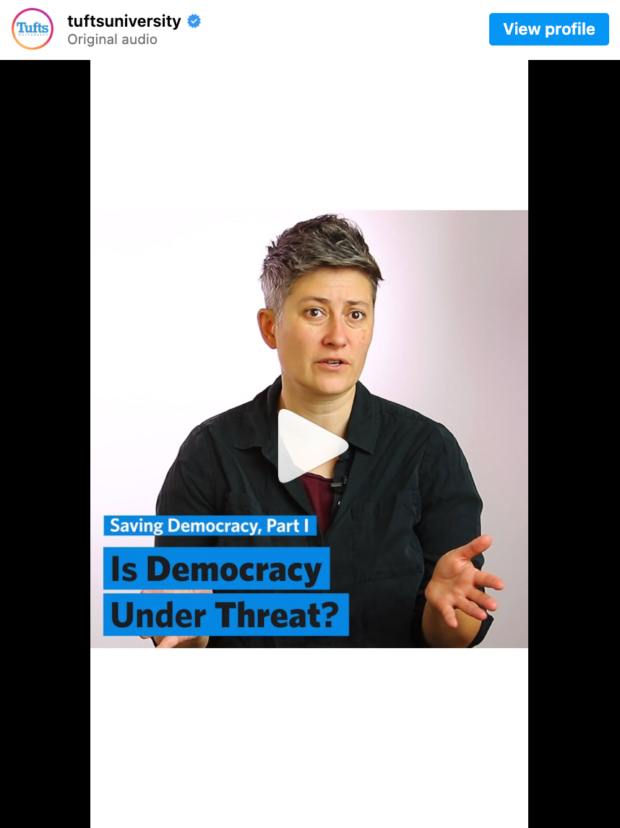
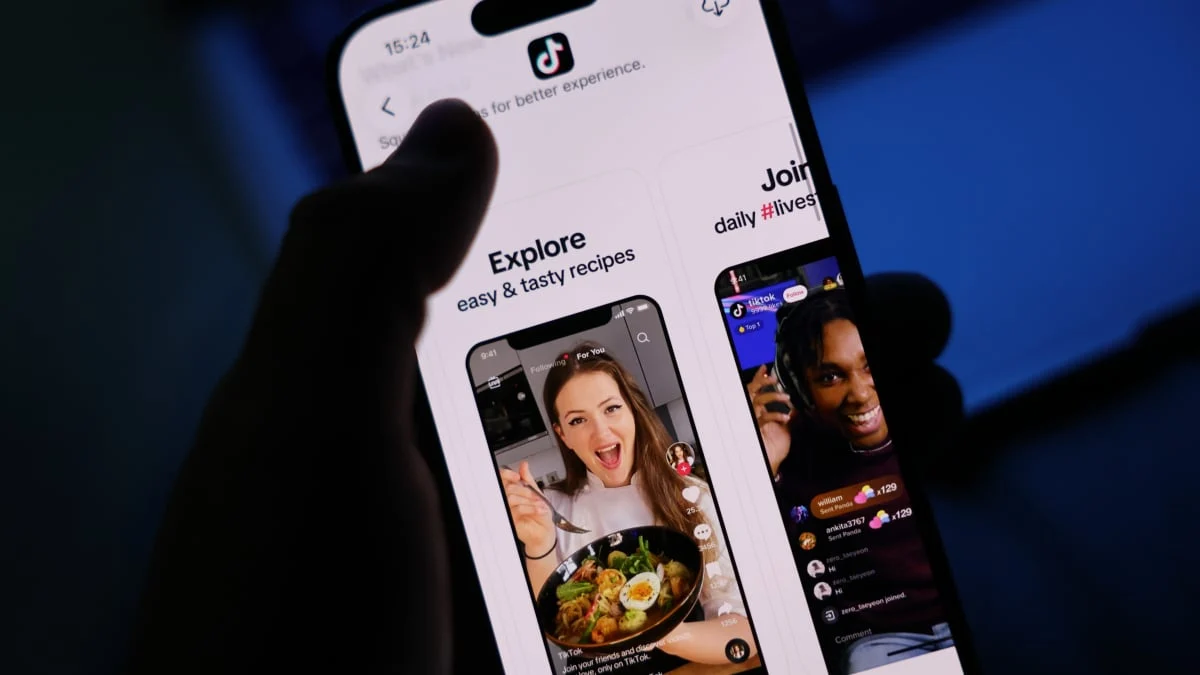
- The Authentic/Short-Form Era (2023–Present): Driven by the meteoric rise of TikTok and Instagram Reels, the focus has shifted entirely to short-form, low-production-value video. The current mandate is to humanize the institution through student takeovers, behind-the-scenes glimpses, and raw, unfiltered campus life.
Supporting Data: Why Strategy Matters
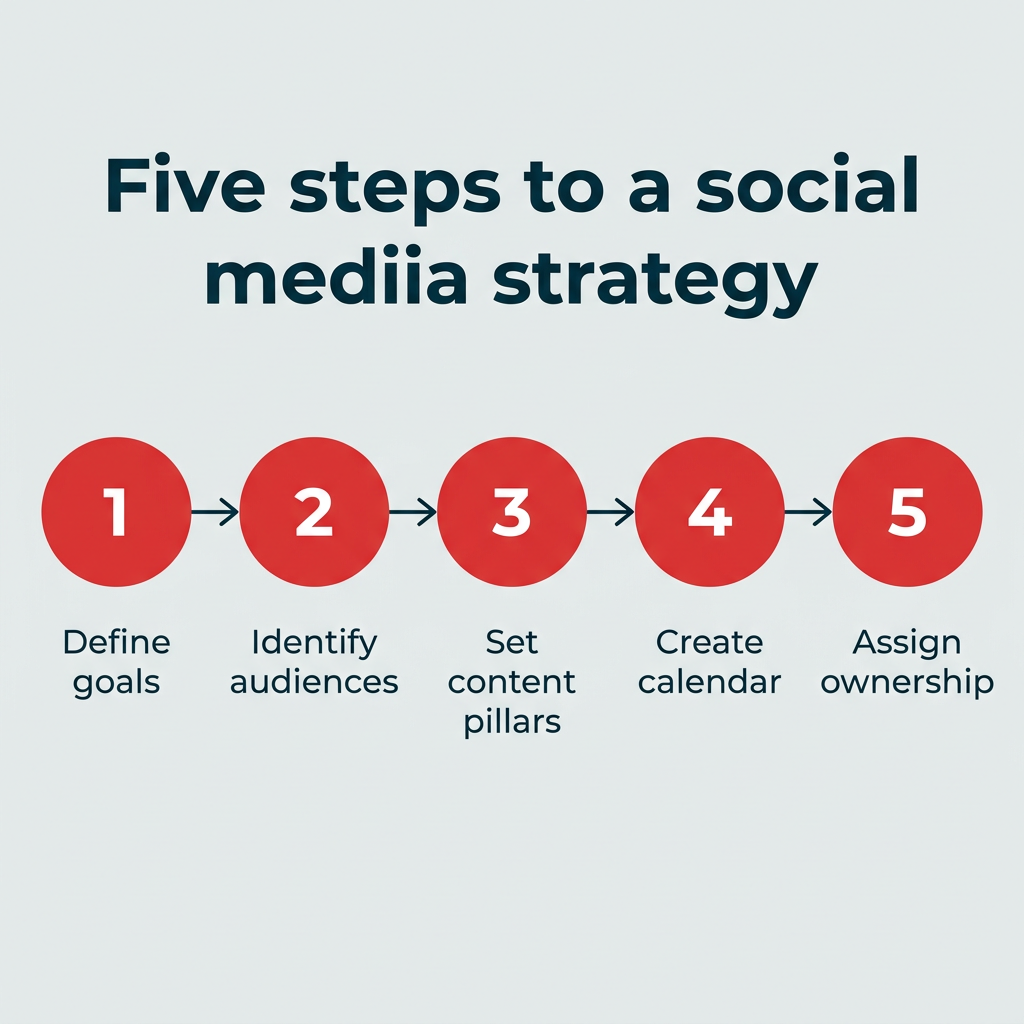
To manage this complex ecosystem, administrators must move beyond ad-hoc posting. The data suggests that success is highly correlated with structural organization:
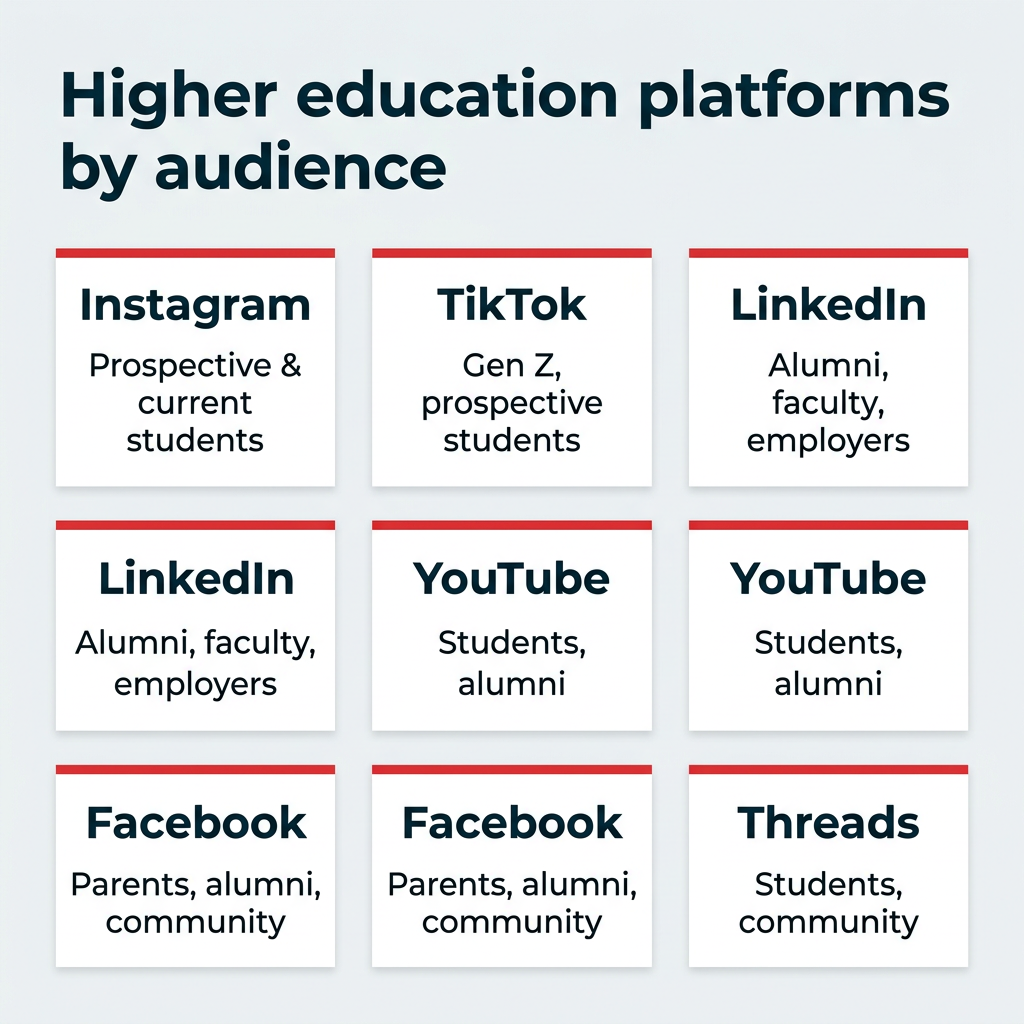
- Platform Specialization: Research shows that 88-89% of Gen X and Boomer parents remain active on Facebook, making it the premier channel for parental engagement and alumni relations. Conversely, TikTok and Instagram are the undisputed domains for prospective student recruitment.
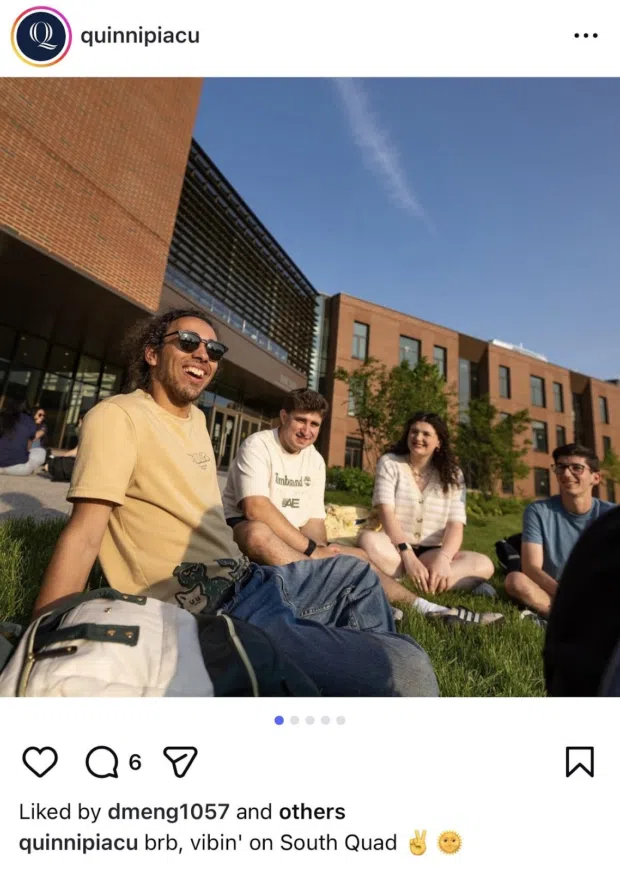
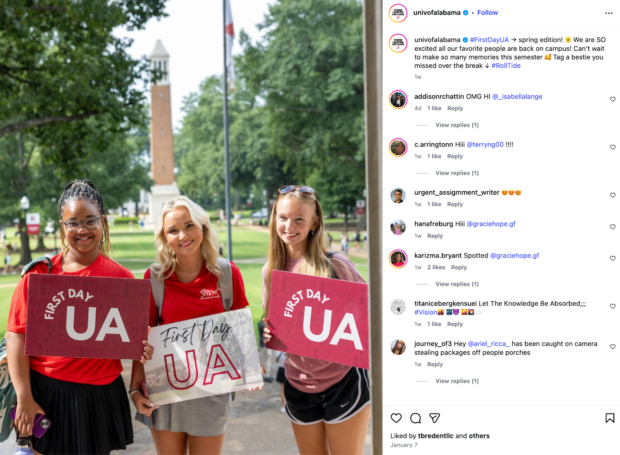
- The Power of Advocacy: User-generated content (UGC) consistently outperforms institutional content in terms of engagement and trust. When a student ambassador highlights their favorite study spot or campus event, their peer group is far more likely to engage with that content than with a post from the official university account.
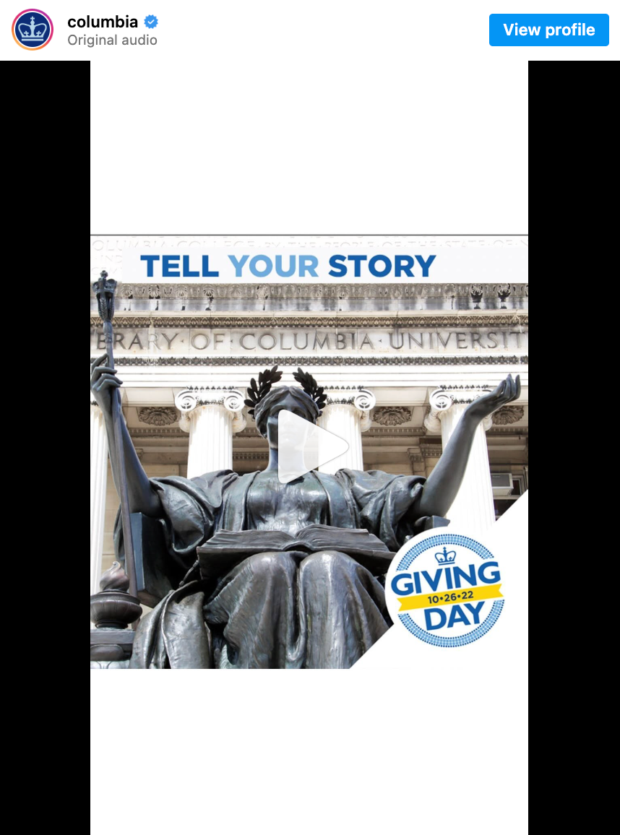
- The Conversion Metric: For institutions, the goal is ROI. Data from successful campaigns—such as Columbia University’s Giving Day—demonstrates that social media, when integrated with a CRM, can directly track donations and link-clicks, providing a tangible line of sight between a viral post and institutional revenue.
Implications for Institutional Governance
Managing a multi-departmental social footprint is a high-stakes operational challenge. With individual faculties, athletics departments, and student organizations all vying for visibility, the potential for brand dilution or, worse, a public relations crisis, is significant.
Establishing the "Social Campus"
Modern universities are adopting a "hub-and-spoke" model. A core marketing team manages the primary institutional accounts, setting the overarching brand strategy, while decentralized departments (athletics, libraries, admissions) are empowered to create content that serves their specific audiences. This is only possible through robust, centralized governance tools that provide:
- Role-Based Permissions: Ensuring only authorized personnel can post on behalf of the institution.
- Approval Workflows: A digital safety net that ensures all content is reviewed for tone and accuracy before going live.
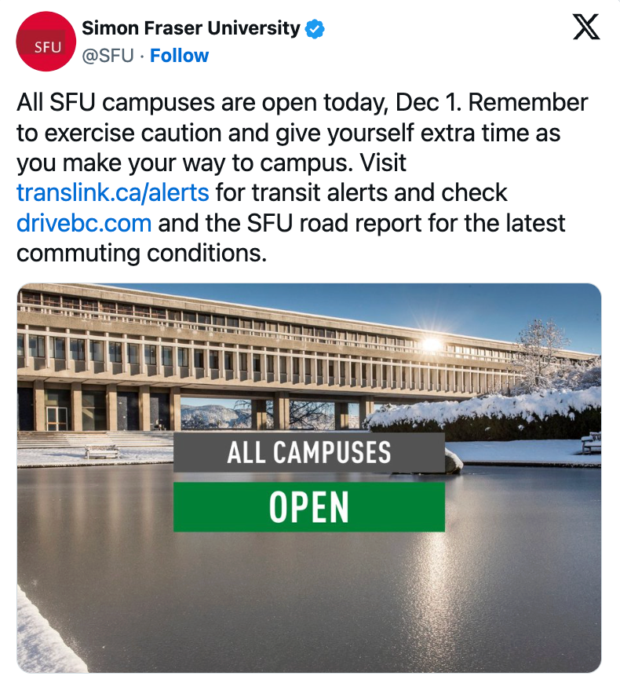
- Crisis Protocols: Pre-planned responses for campus emergencies, weather events, or public controversy, ensuring that the institution speaks with one voice during moments of stress.
Strategic Pillars for 2026 and Beyond
To thrive in the current climate, higher education institutions must embrace a multi-faceted approach.
1. The Power of Student-Led Content
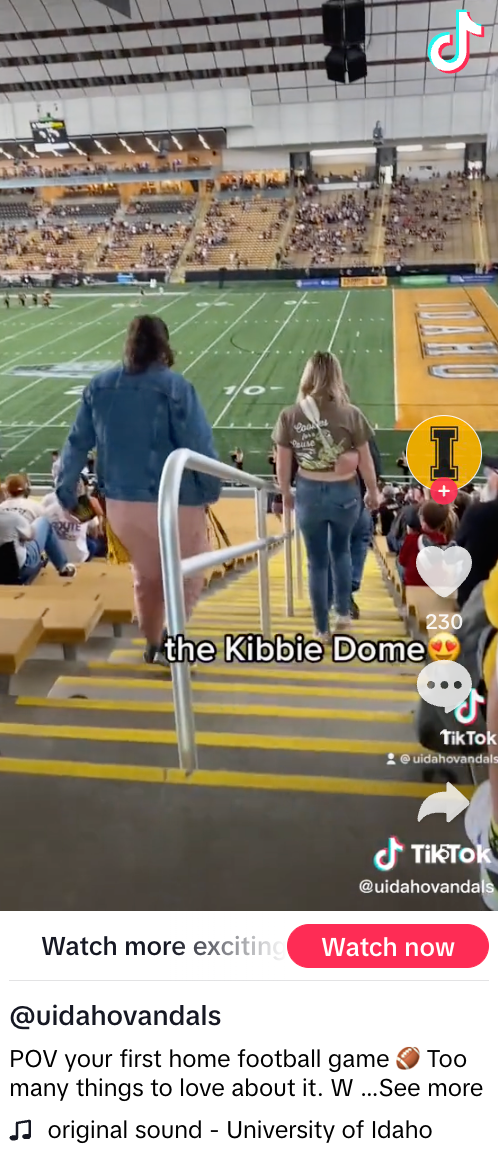
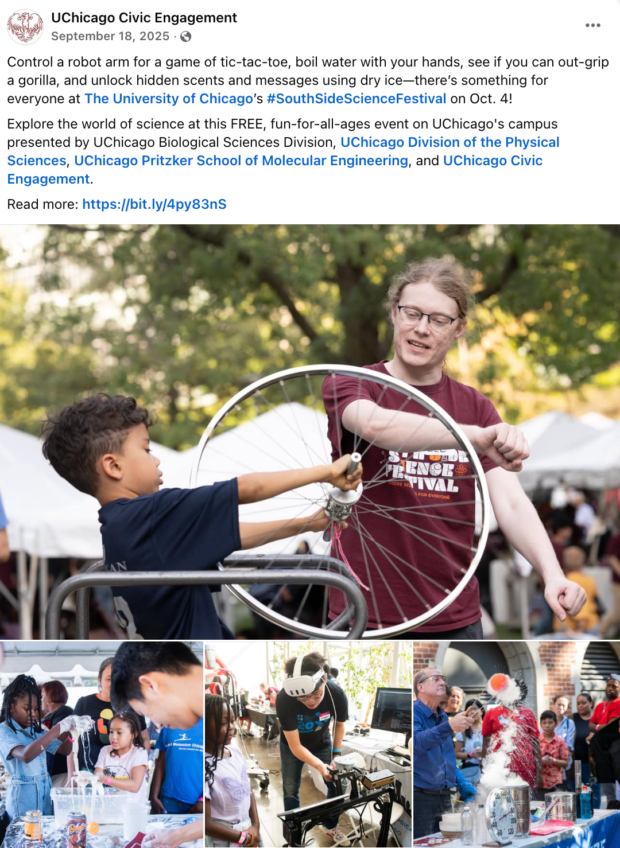
The most effective recruitment tool is the student experience. By creating formal "takeover" programs, universities allow students to tell their own stories. This creates a feedback loop: students feel heard and valued, and prospective students get an honest, unvarnished look at campus life.
2. Social Listening as a Research Tool
Social media is the world’s largest, most honest focus group. By using social listening tools to monitor hashtags and keywords, universities can identify student pain points—such as dissatisfaction with dining options or requests for more mental health resources—before they escalate into broader institutional issues.
3. Bridging the Digital and Physical Classroom
Libraries and academic departments are now leveraging social media for pedagogical innovation. By creating hashtags for course discussions or building private groups for research collaboration, faculty are meeting students where they already spend their time, thereby increasing engagement and information literacy.
4. Demonstrating Value and Institutional Mission
Today’s students prioritize values-alignment. Whether it is a university’s commitment to sustainability, social justice, or innovative research, social media provides a platform to showcase these values in action. Highlighting faculty achievements or student activism isn’t just "showing off"—it is building a brand reputation that attracts like-minded students and donors.
Official Responses and Best Practices
In the current landscape, the consensus among higher education leaders is that "doing social media" is no longer an optional task for interns. It is a strategic priority.
The industry standard, as practiced by top-tier institutions, involves:
- Unified Publishing: Utilizing enterprise-grade platforms to schedule and publish across dozens of accounts simultaneously, ensuring a consistent drumbeat of information.
- Responsive Customer Care: Treating the social media inbox with the same urgency as a registrar’s office. Responding to a prospective student’s question within minutes can be the deciding factor in their enrollment journey.
- Data-Driven Iteration: Regularly reviewing analytics—not just for "likes," but for meaningful engagement, such as application click-throughs and event RSVPs.
Conclusion: The Future of the Digital Institution
As we look toward the remainder of 2026, the institutions that will succeed are those that view social media not as a marketing megaphone, but as a digital ecosystem. It is a space for dialogue, community building, and, above all, the humanization of the academic experience.

By prioritizing authenticity over polish, governance over chaos, and data over intuition, higher education institutions can effectively navigate the complexities of the digital age. They will not only reach the students of tomorrow—they will build a loyal, engaged community that sustains the institution for generations to come. The digital campus is here; those who embrace it will define the future of higher learning.

 Jia Lissa
 Nana Muazin