Nana Wu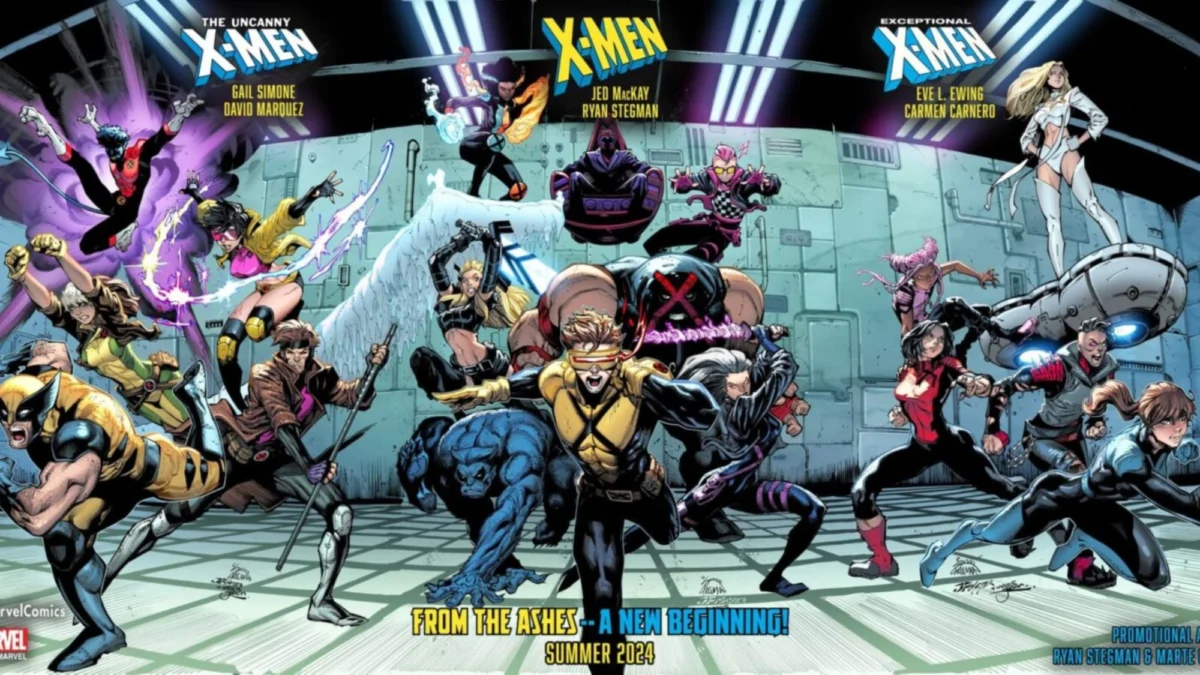
The cyclical nature of comic book publishing is often dictated by the intersection of creative storytelling, market performance, and the sheer gravity of multimedia synergy. As we approach the end of 2026, the "mutant tea leaves" are pointing toward a significant shift in the Marvel Comics landscape. Industry whispers and emerging data suggest that Marvel is preparing to hit the reset button on its X-Men line, potentially launching a new wave of status-quo-shifting titles this December.
The Evidence: Why December?
The speculation regarding a major relaunch is not merely conjecture; it is rooted in the hard data of current publishing solicitations. Recent listings for titles such as Inglorious X-Men, X-Men United, and Gen X-23 suggest these series are reaching a narrative and commercial conclusion with their tenth issues, slated for release between October and December 2026.
In the high-stakes environment of modern comics, ten issues represent a critical benchmark. It is the point where sales data—measured against the cost of production and the prestige of the intellectual property—is scrutinized by editorial leadership. Within Marvel Comics, there is an unspoken but well-understood mandate: X-Men titles carry the weight of a massive, legacy-heavy IP. Consequently, these books are expected to perform at a higher tier than niche or experimental titles. If a book fails to maintain that momentum, Marvel’s current editorial philosophy suggests that it is better to pivot, cancel, or rebrand the series to make room for concepts with higher commercial potential—ideally ones featuring fan-favorite anchors like Wolverine.
Furthermore, the timing aligns perfectly with a seismic event in the Marvel Cinematic Universe: the December 17th, 2026, theatrical release of Avengers: Doomsday. With the X-Men poised to return to the live-action spotlight as a central component of the MCU, Marvel Comics is undoubtedly looking to capitalize on the surge in public interest. Historical patterns dictate that when the film arm of the company elevates the brand, the publishing arm follows suit with "New #1" initiatives designed to provide easy entry points for new readers.
Chronology of a Relaunch
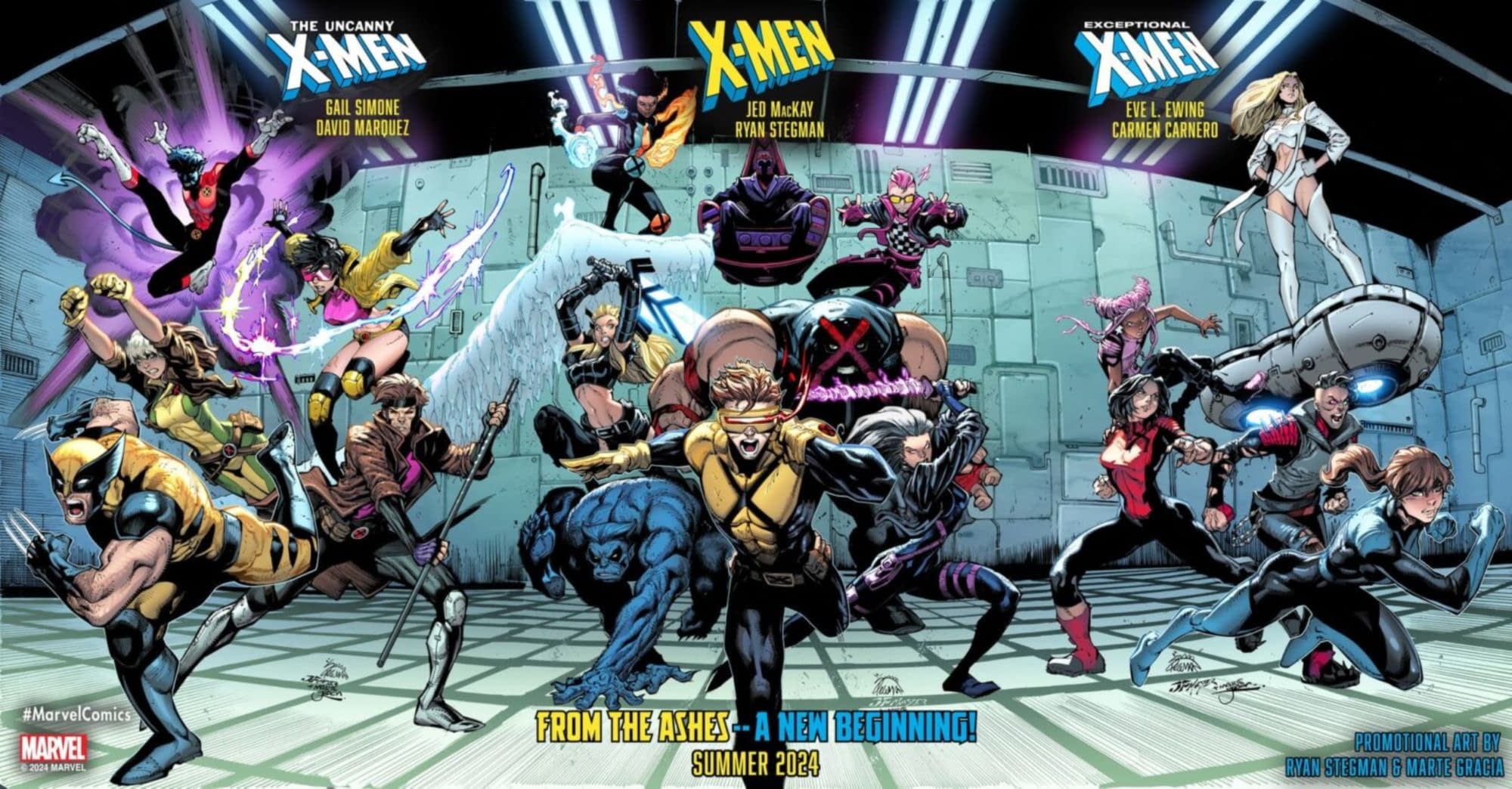
To understand the likelihood of a December 2026 shift, one must look at the recent trajectory of the mutant line. The current era, dubbed "From the Ashes," emerged from the wreckage of the Krakoan Age—a five-year experiment that fundamentally changed the status of mutantkind.

- 2024: The "From the Ashes" initiative was announced by Marvel Editor-in-Chief C.B. Cebulski and X-Men Group Editor Tom Brevoort. The mission was to strip away the utopian comforts of the island nation of Krakoa, forcing mutants to return to a status quo of prejudice, survival, and scattered resilience. It was a "back to basics" approach that echoed the tone of the 1975 Giant-Size X-Men #1.
- 2025: Throughout the last year, the books have focused on the reintegration of mutants into a world that is once again hostile to their existence. Titles like Inglorious X-Men and X-Men United have explored the friction between the X-Men and the general public, establishing the stakes of this "new" era.
- Late 2026: The conclusion of the X-Men/Fantastic Four crossover event, DNX, provides the perfect narrative bookend. As the event wraps up in December, the board is cleared for a new creative direction. If the pattern holds, the first week of December or the immediate aftermath of the movie’s premiere will likely see the solicitation of a fresh slate of titles.
The Economic Mandate: Sales and Strategy
The business of comics is an unforgiving arena. Marvel Comics operates under the pressure of satisfying a broad audience while maintaining a high volume of output. The X-Men line, arguably Marvel’s most valuable asset alongside the Avengers, is frequently subjected to "performance-based pruning."
Industry analysts note that when a publisher decides to shutter several mid-tier titles simultaneously, it is almost never a coincidence. It is a strategic clearing of the decks. By ending Gen X-23 and others at issue ten, Marvel prevents the "sunk cost" of underperforming series and creates a "clean slate" narrative.
Why is this necessary? In the current market, the barrier to entry for new readers is a significant concern. By launching multiple #1 issues simultaneously, Marvel creates a "rereadability" event that drives sales in the direct market (comic shops) and increases the likelihood of high-ranking trade paperback collections. The "Wolverine Factor" mentioned in reports is also a key indicator; if a book lacks a high-draw character, the editorial team often looks to integrate one into a new, more marketable title.
Official Stance and Creative Continuity
While there has been no official press release from the House of Ideas regarding the specific titles for 2027, the silence from the editorial office is telling. Marvel has not yet announced a replacement slate, which is standard procedure during the "quiet period" before a major relaunch announcement.
Crucially, sources indicate that while the titles, numbering, and focus of the books are expected to undergo a radical transformation, there is no immediate indication of a mass exodus of creative talent. The writers and artists who have spent the last two years building the "From the Ashes" world are likely being retained to shepherd the next phase. This suggests a continuation of the current internal continuity, rather than a "hard reboot" of the characters’ histories. The goal, it seems, is not to erase the work of the last two years, but to repackage it under a more compelling, blockbuster-adjacent marketing banner.
Implications for the Future of the X-Men
If the December 2026 relaunch comes to pass, the implications for the Marvel Universe will be substantial:
- MCU Alignment: The comics will likely shift in tone to mirror the version of the X-Men audiences see on the big screen. If the films portray a specific team dynamic or a particular political struggle, we can expect the comics to adopt those themes to maintain brand consistency.
- Narrative Scaling: The end of the DNX event suggests that the scope of the stories will change. After the high-stakes, multiversal threat of a crossover with the Fantastic Four, a relaunch often signals a return to more character-driven, street-level, or team-focused storytelling.
- Market Saturation: The relaunch will almost certainly involve a reduction in the number of concurrent X-Men titles, focusing instead on quality over quantity. This "less is more" approach has been a successful strategy for Marvel in the past, forcing readers to focus their attention and dollars on a tighter, more curated list of books.
- Fan Engagement: The "From the Ashes" era was defined by its somber, survivalist tone. A new relaunch could signify a return to the classic "superhero" aesthetic—bright, bold, and aspirational—which might be a welcome shift for fans who have felt the last two years of mutant history have been perhaps too bleak.
Conclusion: Waiting for the Word
As December 2026 draws closer, the excitement within the fandom is palpable. The combination of a major cinematic event, the natural conclusion of the DNX event, and the strategic pruning of the current publication list all point to a singular conclusion: the X-Men are about to change.
Whether this manifests as a complete "re-branding" of the line or a more subtle adjustment of the current titles, one thing is certain: Marvel Comics will not let the opportunity provided by Avengers: Doomsday pass by without a significant push. The X-Men have always been defined by their ability to adapt and survive—"From the Ashes" was merely the beginning of this latest chapter. Whatever comes next, the mutants will remain at the forefront of the Marvel Universe, evolving to meet the demands of a new generation of readers and viewers alike.
Keep a close watch on the upcoming solicitations. If the rumors hold, we are only months away from the next great era of the X-Men.

 Sagoh
Sagoh
 Ammar Sabilarrohman