

In the aftermath of the recent Cannes Lions International Festival of Creativity, a singular buzzword dominated the conversation: authenticity. As marketers grapple with the encroaching shadow of generative AI and the erosion of consumer trust, the industry has reflexively pinned its hopes on the "human touch." We debate the merits of AI-augmented content, agonize over the relatability of influencers versus celebrities, and pour resources into crafting taglines that strive to sound more "grounded."
However, this industry-wide obsession with authenticity has become increasingly narrow, focusing almost exclusively on creative execution. We are asking whether the output feels real, while ignoring a far more foundational inquiry: Did the business behind that campaign actually earn the right to tell the story it is projecting?
As we approach major cultural touchstones like the Fourth of July and the looming America250 milestone, the tension between performative patriotism and genuine brand stewardship has reached a boiling point. For modern CMOs, the question is no longer just "How do we celebrate?" but "Have we built the social capital to join the conversation at all?"
The Shifting Landscape of Patriotic Marketing
For decades, the patriotic marketing playbook was a model of simplicity: a crescendo of fireworks, military flyovers, and the strategic placement of the Stars and Stripes on every SKU in the aisle. It was a low-risk, high-reward strategy that tapped into a broad sense of national unity.
Today, that formula is fraught with peril. The political climate in the United States has shifted, and with it, the perception of national symbols. According to recent research from Zappi, over half of Americans (56%) believe the American flag has become more polarizing over time. This cultural polarization has left many brands paralyzed, wondering if participating in the America250 festivities is an invitation to unnecessary scrutiny or, worse, a public relations backlash.
Chronology of a Shifting Sentiment
- The Traditional Era (1990s–2010s): Patriotic marketing is viewed as universally positive. Brands operate under the assumption that "red, white, and blue" is a safe harbor for messaging.
- The Awareness Awakening (2015–2020): Brands begin to face pressure from consumers to take stances on social issues. The "neutral" patriotic stance begins to be questioned as consumers look for corporate alignment with their specific values.
- The AI and Trust Crisis (2023–Present): As AI generates high volumes of synthetic content, consumers develop a heightened "cynicism radar." They become increasingly adept at identifying performative marketing, creating a demand for substantive action over visual signaling.
Supporting Data: The Authenticity Gap
The data suggests that while patriotic sentiment remains high, the method of expression is what determines success or failure. Despite the noise surrounding polarization, roughly half of Americans (49%) still report that they view brands more positively when they engage in patriotic branding. A mere 3% believe that brands should avoid celebrating America entirely.
The disconnect, therefore, is not with the concept of patriotism, but with the delivery. Consumers are suffering from "performative fatigue."
Key Consumer Insights:
- Action Over Imagery: Nearly two-thirds of Americans (66%) trust companies that invest in local jobs and infrastructure significantly more than they trust companies that simply run traditional patriotic advertising campaigns.
- The "Earned Right" Metric: Consumers define authenticity by the brand’s footprint in their daily lives. Brands like Ford, Walmart, and Coca-Cola consistently rank as the most representative of America—not because of their ad spend, but because they are "embedded" in the everyday American experience.
- The Risk of Superficiality: Consumers are increasingly viewing high-budget, flag-waving ads as "AI slop" or corporate window dressing if they are not backed by tangible community support.
Official Strategies: How Leaders are Pivoting
The most successful brands are moving away from the "billboard approach" to patriotism and toward a model of "community investment." This transition represents a fundamental shift in how the marketing budget is allocated—moving funds from the creative production of ads to the operational support of the communities that sustain the business.
The Coca-Cola Case Study
Coca-Cola, in its preparations for America250, provides a masterclass in this pivot. While they are still utilizing limited-edition packaging (the traditional visual element), the core of their strategy is a year-long, action-oriented campaign.
- Community Integration: The brand has committed to 250,000 volunteer hours focused on three pillars: food insecurity, sustainability, and youth empowerment.
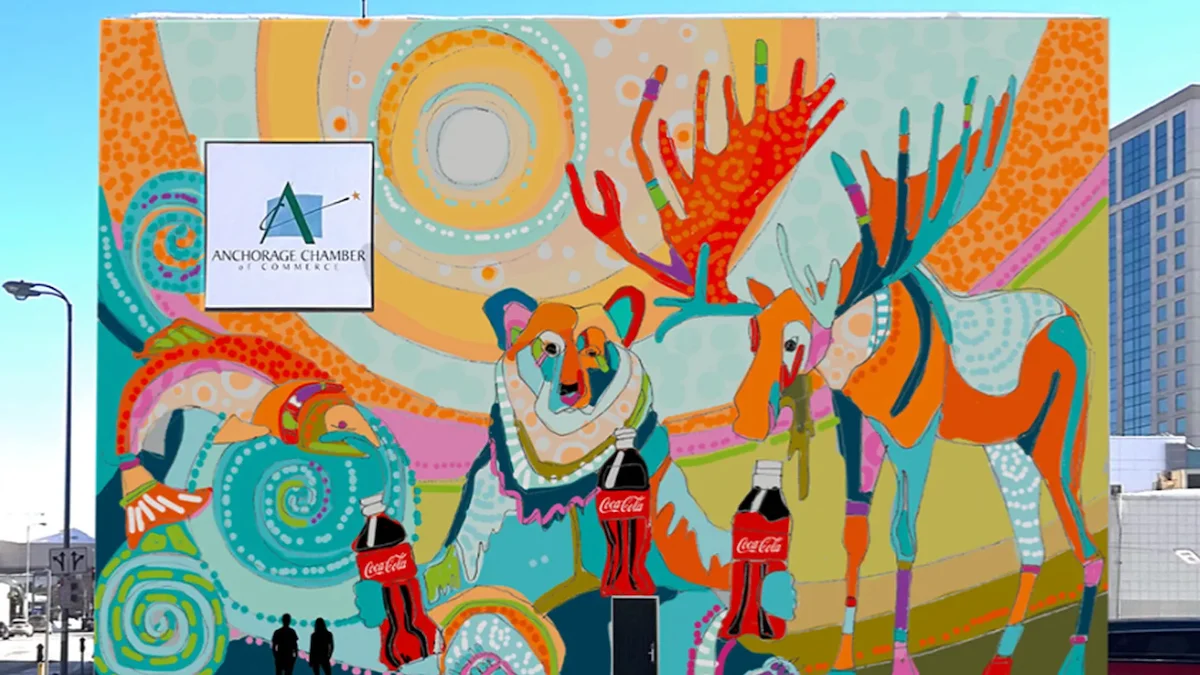
- Hyper-Local Engagement: By partnering with local artists in cities across the nation to create murals, they are moving the conversation from a national, abstract level to a local, tangible level.
This strategy allows consumers to participate in the celebration on their own terms, within their own zip codes, rather than being passive spectators to a national television commercial.
Kraft Heinz: Connecting to the "Taste" of America
Kraft Heinz has adopted a different but equally effective route. Recognizing that their products—ketchup, mustard, and snacks—are staples of the American backyard cookout, they have centered their America250 involvement on the "United Tastes of America" campaign.
By focusing on the rituals of celebration—the shared meals and the summer gatherings—rather than abstract nationalism, they anchor their brand in the consumer’s actual life. They aren’t telling the consumer what to feel; they are providing the tools for the consumer to feel what they already enjoy.
The Strategic Implications for Marketing Leadership
If authenticity is to be more than a buzzword, it must be reclaimed by the boardroom and the C-suite. When authenticity is treated as a "creative" problem, it remains superficial—a coat of paint on a crumbling wall. When it is treated as a "business" problem, it becomes a structural advantage.
1. Authenticity Must Be an Operational Strategy
The marketing department cannot "create" authenticity if the operations department is actively working against it. If a company runs a patriotic ad about supporting American workers while simultaneously outsourcing labor in ways that damage local economies, the consumer will sense the cognitive dissonance. True authenticity is the alignment of corporate values, supply chain decisions, and marketing output.
2. The AI-Authenticity Paradox
We are currently in a cycle where AI is used to create content that tries to look authentic to avoid the stigma of being perceived as "fake." This is a circular trap. To break it, brands must pivot to "Human-First Operations." This means documenting and showcasing the real people, the real supply chains, and the real community impacts of the business. If the brand story is built on verifiable, real-world impact, the AI-content debate becomes secondary.
3. Resilience Through Relevance
Brands that are "embedded" in the everyday lives of their customers—those that provide essential goods or services—are naturally more resilient to political volatility. By positioning themselves as partners in the consumer’s daily routine (like Kraft Heinz) or as pillars of local stability (like Ford or Walmart), these brands earn a "cultural pass" that allows them to participate in national conversations without being viewed as polarizing.
Conclusion: The Path Forward
As we look toward the horizon of 2026 and beyond, the brands that win will be those that stop asking "What do we say?" and start asking "What have we done?"
The crisis of trust in the AI era is not a crisis of technology; it is a crisis of substance. Consumers are looking for brands that possess a sense of place and a sense of purpose. Whether it is a national holiday or a standard brand campaign, the litmus test for the future remains the same: Does the brand provide value, or does it merely provide a visual?
Authenticity is not a filter you apply in post-production. It is the fundamental integrity of the business model. For marketers, the mandate is clear: Stop chasing the perfect tagline and start building a perfect relationship with your community. In a world of synthetic content, the most "authentic" thing a brand can do is show up, be useful, and prove that they are actually part of the world they claim to represent.











