Pevita Pearce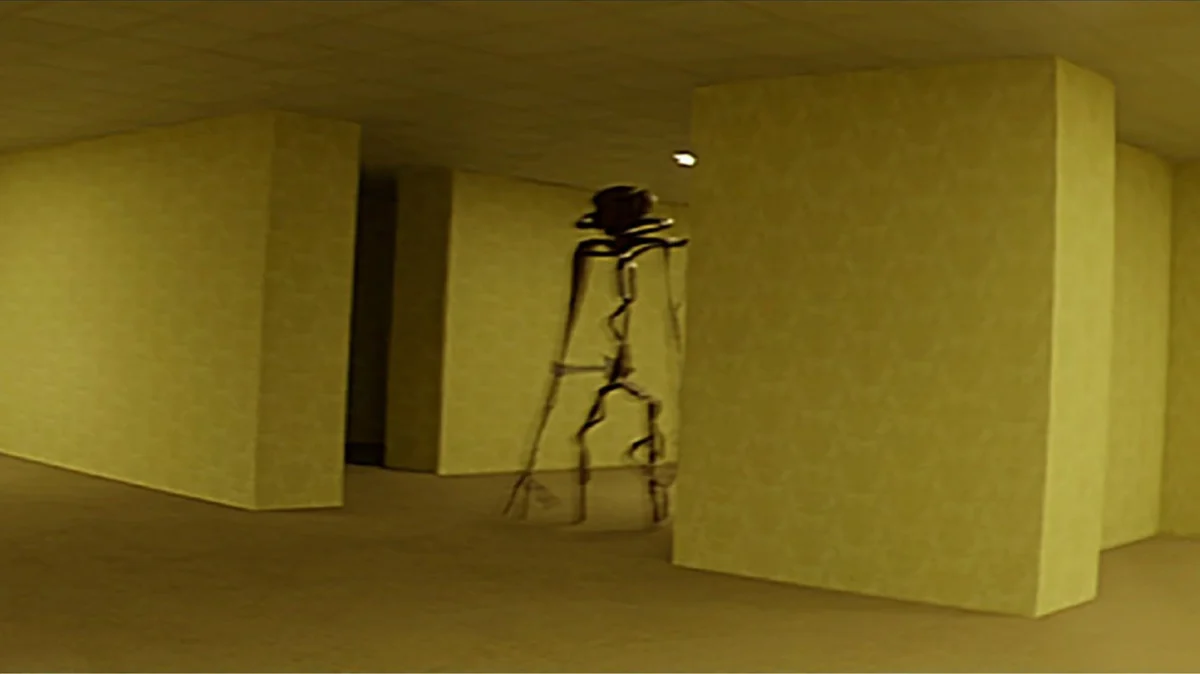
At a moment when mainstream horror cinema often finds itself trapped in cycles of recycled tropes and predictable jump-scares, a revolutionary aesthetic movement has been quietly dismantling the boundaries of digital storytelling. Known as "analog horror," this subgenre has gestated almost exclusively within the architecture of the internet, emerging as a form of participatory, low-fidelity dread that feels more dangerous—and more intimate—than the polished offerings of major studios.
Characterized by the grainy aesthetic of 1980s and 90s camcorder footage, an unsettling commitment to verisimilitude, and the weaponization of "liminal spaces," analog horror functions as a digital campfire story. It is a genre that demands the viewer question the reality of the screen, convincing them that the flicker of static might be hiding something genuinely transgressive.
The Chronology of Digital Dread
The genre’s genesis is generally traced back to 2015 with the launch of Kris Straub’s "Local 58." While found-footage precursors like The Blair Witch Project or early YouTube series like Marble Hornets laid the groundwork for "is this real?" storytelling, analog horror codified a specific set of rules: the use of public broadcast interruptions, instructional videos, and cryptic archival footage to tell a story that feels like a glitch in the fabric of reality.
By 2023, the subgenre breached the mainstream consciousness. Films like Skinamarink utilized the aesthetic’s core conventions—hypnotic emptiness and degraded visual fidelity—to terrify theater audiences. Shortly thereafter, Kane Parsons’ viral Backrooms project proved that the "internet-first" model could produce cinematic quality that rivals A24-backed productions, effectively bringing the "liminal horror" trend to the forefront of the cultural conversation.
The 10 Essential Analog Horror Series
To truly understand the breadth of this movement, one must look beyond the mainstream hits. Here are the 10 most significant series that define the landscape of modern analog horror.
10. No Through Road (2009)
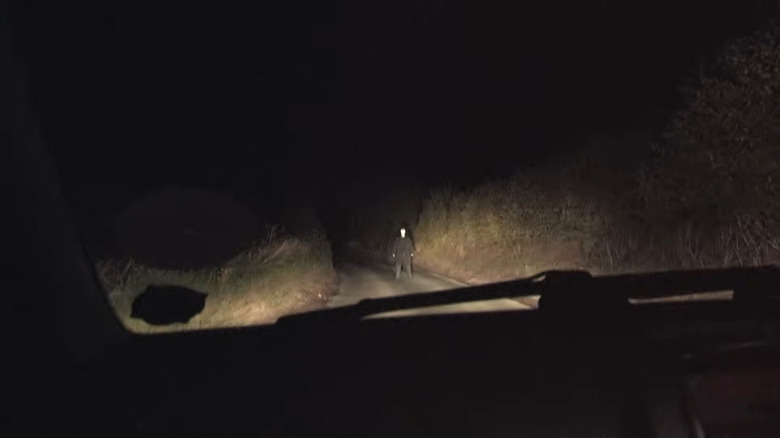
Often cited as the "Velvet Underground" of the genre, No Through Road predates the formal categorization of analog horror. Steven Chamberlain’s project utilized a metatextual premise that predated the saturation of found-footage cliches. Its genius lay in its simplicity: it captured the terror of empty, outdoor liminal spaces and used shoddy equipment as a narrative device to suggest a government-involved mystery that remains one of the genre’s most effective "is this real?" experiences.
9. The Walten Files (2020)
Born from the fandom of Five Nights at Freddy’s, The Walten Files transcends its inspiration. Creator Martin Walls uses the trope of possessed animatronics not for cheap jump-scares, but to explore profound themes of grief, trauma, and obsessive regret. It is arguably the most emotionally ambitious project in the "animatronic horror" space, elevating the genre into a tragedy of human memory.
8. Vita Carnis (2022)
Darian Quilloy’s Vita Carnis pushes the movement into the realm of high-concept body horror. Set in a world where a biological phenomenon called "living meat" has been integrated into human society as a commodity, the series uses remarkable practical effects and puppetry. It serves as a masterclass in world-building, blending corporate corruption with the terrifying, unknowable hunger of nature.

7. The Oldest View (2023)
Kane Parsons’ detour from his Backrooms universe, The Oldest View, is arguably the most sophisticated liminal space project to date. By meticulously recreating a demolished Dallas shopping mall, Parsons creates a sense of place that feels hauntingly tactile. It is a work of immense restraint, choosing atmospheric, elegiac dread over the typical monster-heavy tropes of the genre.
6. Gemini Home Entertainment (2019)
Remy Abode’s Gemini Home Entertainment (GHE) is a masterclass in the "false anthology" format. By presenting educational tapes from the 90s that slowly reveal a sprawling, apocalyptic conspiracy about extraterrestrial infiltration, Abode traps the viewer in a sense of total powerlessness. It is the definitive series regarding the "body-snatching doppelganger" trope, forcing viewers to question the integrity of their own surroundings.
5. Monument Mythos (2020)
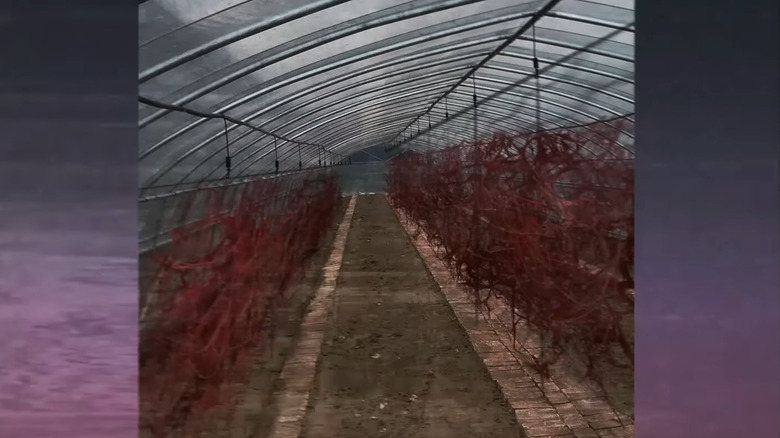
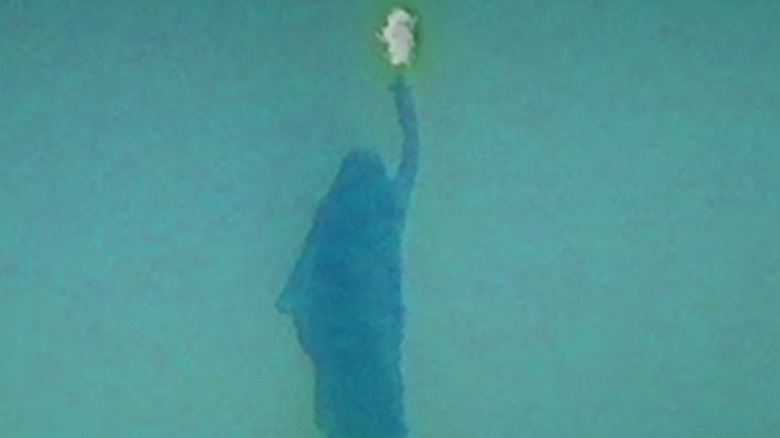
Eve Casanas’ Monument Mythos is perhaps the most audacious series on this list. It uses an alternate-history framework to satirize American myth-making, suggesting that our most sacred monuments were constructed to hide subterranean monsters. It is a rare example of analog horror that functions as sharp, intellectual political satire, questioning why the public is so susceptible to nationalistic propaganda.
4. The Backrooms (2022)
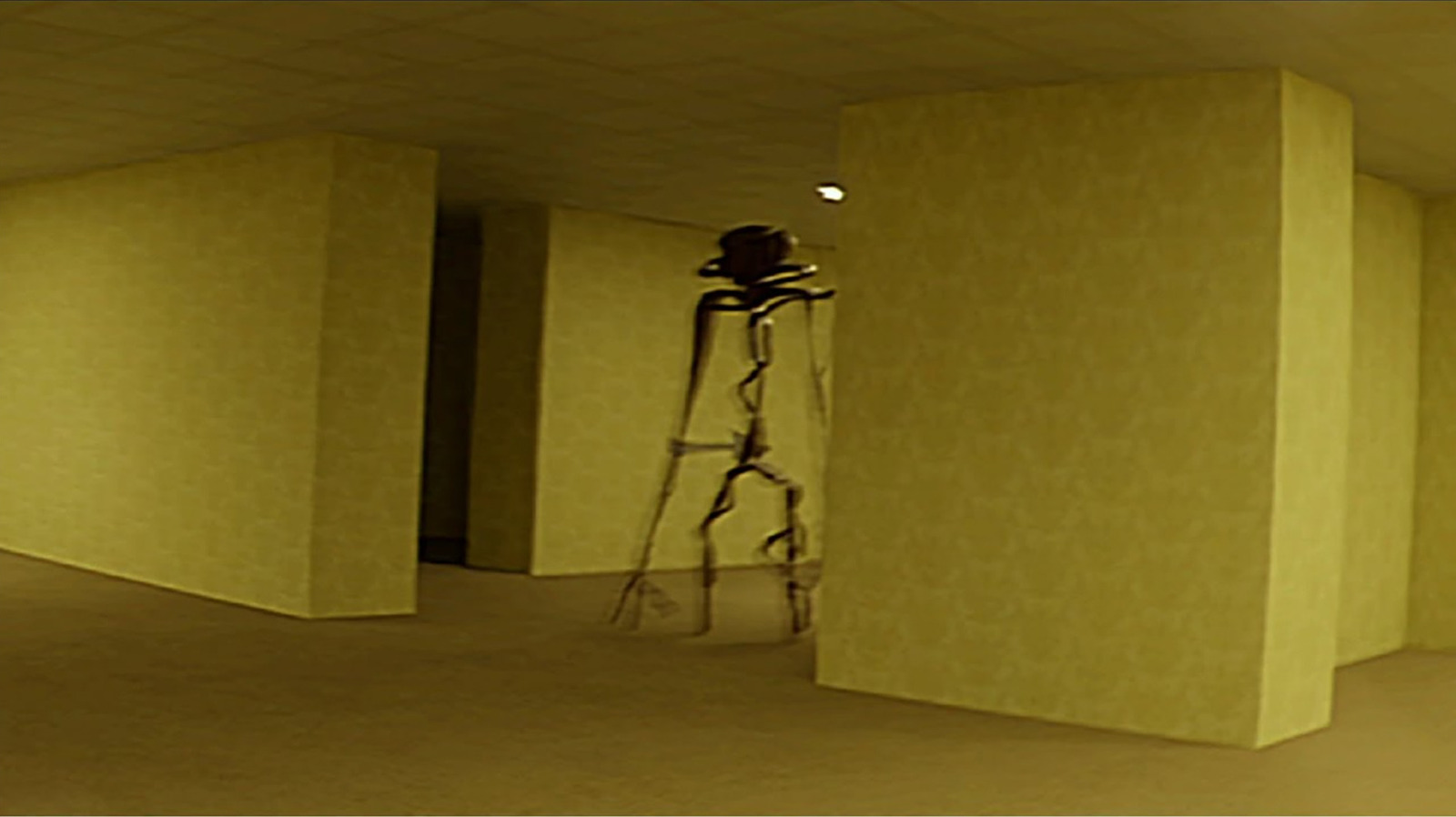
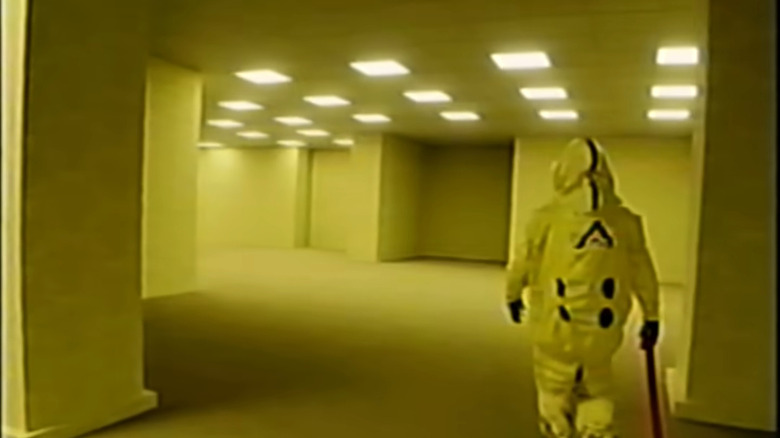
Kane Parsons, working under the moniker "Kane Pixels," took an obscure creepypasta and transformed it into a global phenomenon. Parsons’ Backrooms is defined by its specific, sickly yellow color palette and its procedural, infinite office architecture. It represents the pinnacle of CGI integration in the analog space, using the concept of a "dissociative maze" to mirror the existential anxiety of the modern age.
3. The Mandela Catalogue (2021)
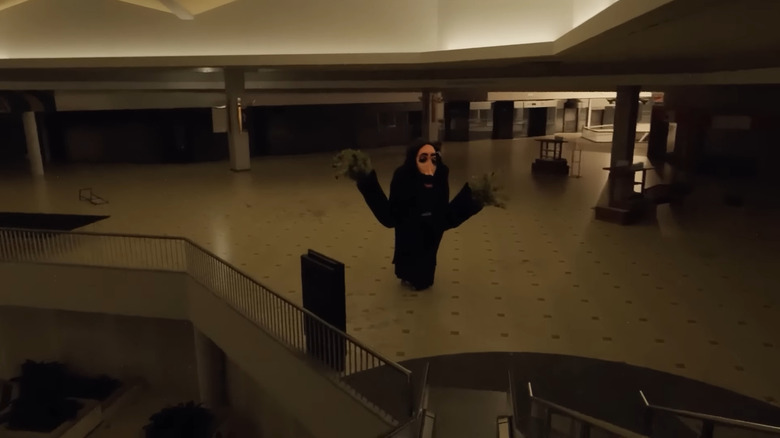
For hardcore fans, Alex Kister’s The Mandela Catalogue is the undisputed flagship of the current era. By incorporating Christian religious imagery and "alternate" entities that mimic human behavior, Kister tapped into a primal fear of the uncanny. The series’ simplicity—using basic, distorted images to trigger psychological discomfort—makes it a benchmark for how effective low-budget editing can be when paired with a strong narrative vision.
2. Petscop (2017)
Tony Domenico’s Petscop remains the gold standard for "haunted video game" horror. Presented as a "Let’s Play" series, it invites the audience to become detectives, piecing together a dark, multi-layered mystery through hidden messages and game-file manipulation. It is arguably the most narratively ambitious project in the medium, testing the boundaries of how much complexity an audience can handle.
1. Local 58 (2015)
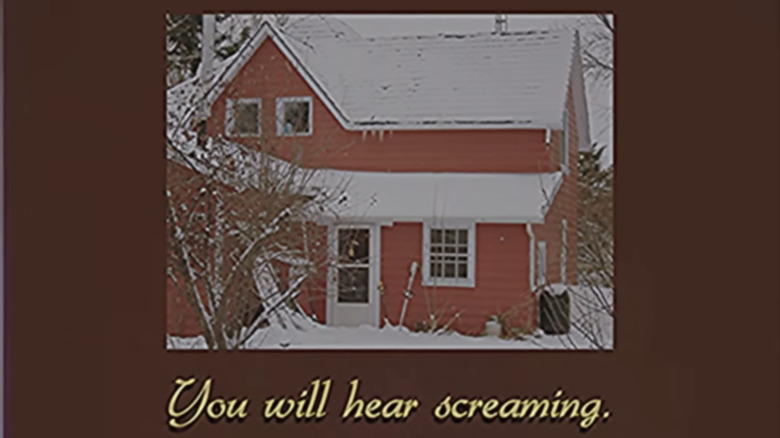
Kris Straub’s Local 58 sits at the top of the hierarchy because it is the blueprint. Before there was a name for this movement, Straub was crafting stories about moon-based psychological warfare and public access broadcasts that blurred the line between warning and threat. It established the "propaganda as horror" motif that continues to dominate the genre. It remains the most influential, distinct, and uniquely terrifying series in analog history.
Supporting Data: The Anatomy of the Genre
What separates these series from traditional horror is their reliance on "active consumption." Unlike a standard film, which provides a passive experience, these series often utilize:
- Archival Fidelity: The use of VHS tracking, audio distortion, and degraded color palettes to trigger nostalgic anxiety.
- Epistemic Uncertainty: The refusal to provide an "objective" truth, leaving the audience to piece together the lore through fragmented clues.
- Liminality: The focus on spaces that exist "in-between"—empty malls, abandoned schools, or lonely highways—which creates a visceral sense of unease.
Official Responses and Cultural Impact
The analog horror movement has seen an unprecedented crossover into the mainstream. A24’s acquisition of the Backrooms feature film, the success of Skinamarink, and the growing academic interest in "liminal spaces" suggest that this subgenre is no longer a niche curiosity. Critics have noted that analog horror functions as a direct response to the "digital fatigue" of the 21st century; by returning to the aesthetics of the analog era, creators are tapping into a collective cultural memory that feels more "real" than the hyper-HD clarity of the modern internet.
Implications for Future Filmmaking
The implications of this movement are vast. As creators move away from the high-cost, high-barrier entry of traditional filmmaking, the barrier between professional production and enthusiast creation continues to blur. The success of these series proves that narrative ambition and atmospheric depth matter far more than budget.
Moving forward, the analog horror movement will likely continue to evolve, moving from its "found footage" roots into more experimental narrative territories. However, the core lesson of these 10 series remains clear: the most effective way to scare an audience is not to show them the monster, but to show them a slightly corrupted image of their own reality and let them realize that the static, the silence, and the empty space are where the true horror resides.


 Laily UPN
 Muslim