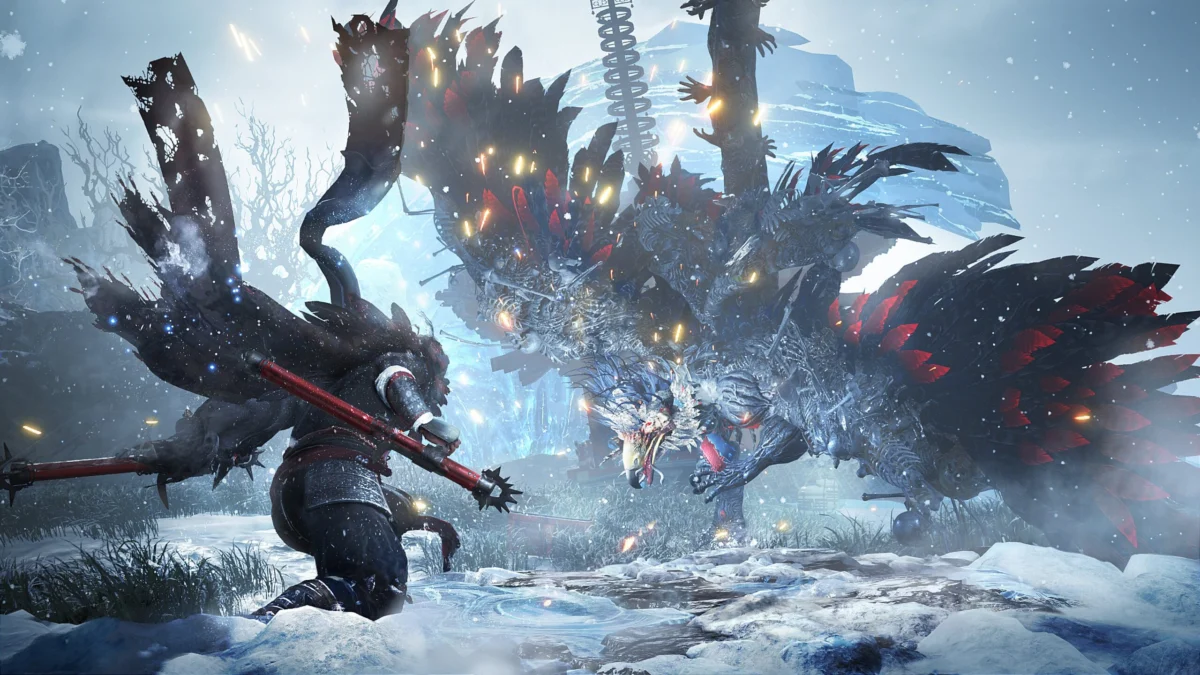
Team Ninja’s Nioh 3 continues to cement its reputation as one of the most mechanically dense and rewarding action RPGs of the modern era. Since its highly successful launch in early February—an event marked by the game achieving the milestone of one million units sold in record time—the development team has maintained an aggressive post-launch support schedule. The latest update, version 1.04, is perhaps the most significant to date, clocking in at over 1GB and addressing critical community feedback regarding combat fluidity, multiplayer rewards, and quality-of-life logistics.
Main Facts: The Core of Patch 1.04
The arrival of update 1.04 represents a shift in focus from mere bug-fixing to system optimization. While previous patches, such as version 1.03.01, were vital in rectifying issues like inconsistent healing item usage and performance crashes, 1.04 is an expansive update aimed at smoothing out the "friction points" of the Nioh experience.
The headline features include:
- Commemorative Rewards: The inclusion of the "Thunderous" armor sets for both Ninja and Samurai classes, a celebratory gift to the player base for the title’s rapid commercial success.
- Multiplayer Rebalancing: An increase in Glory acquisition for all participants in co-op sessions, regardless of host status.
- AI Summon Intelligence: A fundamental shift in boss AI behavior to prevent "aggro-locking," ensuring that Benevolent Grave summons are more effective and survivable.
- Combat Fluidity: Adjustments to Ninjutsu and Onmyo Magic targeting, and the removal of animation buffers when transitioning from jumps to attacks.
A Chronology of Post-Launch Support
To understand the significance of patch 1.04, one must look at the trajectory Team Ninja has maintained since launch.
Early February (Launch Window): Nioh 3 hit the market with critical acclaim, though early adopters quickly identified technical quirks. The sheer complexity of the game’s loot systems and combat depth meant that minor bugs were inevitable.
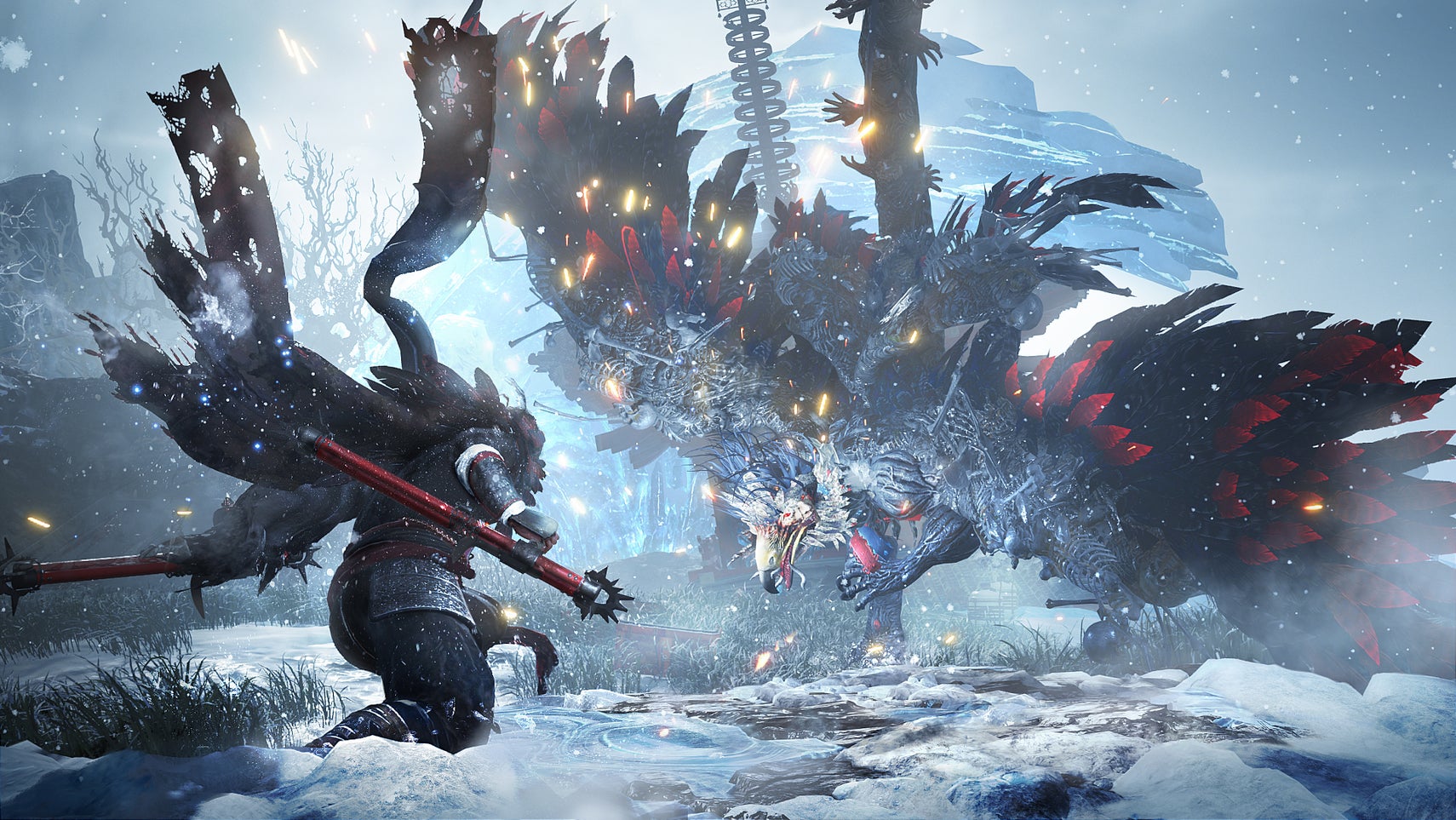
Mid-February (Patch 1.03.01): This was the "stability phase." The development team prioritized emergency fixes, specifically targeting an egregious bug that prevented healing items (Elixirs) from registering correctly during high-intensity combat. This patch saved many players from frustrating deaths and signaled to the community that Team Ninja was listening closely to player telemetry.
Late February (Patch 1.04): With the game’s stability now established, the developers moved toward "quality-of-life" refinements. By focusing on the player experience within menus and the nuances of the AI, Team Ninja is signaling that the game has entered its "maintenance and refinement" phase, where the goal is to make the game feel as polished as possible for the long-term player base.
Supporting Data: Why AI and Co-op Matter
The changes to the Nioh 3 multiplayer ecosystem are not merely aesthetic; they are structural. Previously, the "Benevolent Grave" system—which allows players to summon AI ghosts of other players—was hampered by a predictable AI behavior pattern. Bosses in Nioh 3 are notoriously aggressive, and they previously possessed a "sticky" aggro mechanic that would lock onto the summoning player. This forced the player into a defensive stance while the AI partner struggled to maintain damage output.
By spreading the threat profile (aggro) more evenly, Team Ninja has effectively made co-op and AI-assisted runs viable for more playstyles. Data suggests that players who utilize the Benevolent Grave system are 40% more likely to stick with the game through the mid-game difficulty spikes. By making these summons more reliable, Team Ninja is lowering the barrier to entry for solo players who occasionally need a helping hand against particularly brutal bosses.
Furthermore, the increase in Glory rewards for multiplayer participants incentivizes the "Expedition" and "Benevolent Grave" systems. As players reach the endgame, Glory becomes a vital currency for specialized gear and cosmetic items, ensuring that the multiplayer ecosystem remains populated and active.

Official Responses and Developer Philosophy
Team Ninja has maintained a transparent, albeit concise, dialogue with their player base. Regarding the release of the Thunderous armor sets, the developers stated in a recent press release, "The rapid success of Nioh 3 is a testament to the dedication of our community. This gift is a small token of our gratitude for the millions of journeys taken through our world."
The developers have also highlighted that the combat adjustments—specifically the ability to attack immediately after jumping—were the result of "community requests for a more seamless transition between aerial and ground-based combat." This reflects a "player-first" philosophy where the dev team actively watches high-level gameplay streams and competitive leaderboards to identify where the "flow" of the game feels disjointed.
Implications: A More Accessible, More Fluid Experience
The implications of patch 1.04 are significant for both the casual player and the competitive Nioh enthusiast.
For the Combat Enthusiast
The removal of the pause between jumping and attacking is a massive change for players who specialize in "air-to-ground" combos. This adjustment effectively unlocks new offensive potential, allowing players to weave verticality into their standard combos without the clunky frame-buffer that previously hindered momentum. Combined with the improved targeting for Ninjutsu and Onmyo Magic—which now account for elevation differences—the combat ceiling has been raised significantly.
For the Logistician
Quality-of-life improvements, such as the automated transfer of Sudama Soul Cores to the item box, represent a major shift in how the game handles inventory management. Nioh games are notorious for "loot fatigue," where players spend more time in menus than in the actual game. By automating the collection of these rare items, Team Ninja is encouraging players to stay in the action. Similarly, the ability to exit Expeditions directly from the main menu removes a point of frustration that had previously necessitated clunky workarounds.

The Future of Nioh 3
As Nioh 3 moves forward, it is clear that Team Ninja is committed to a long-tail support strategy. By refining the core systems—the combat, the loot management, and the multiplayer experience—the developers are ensuring that the game remains a staple of the action RPG genre for years to come.
The balance tweaks for weapon types like the Odachi and Dual Swords, included in this patch, indicate that the meta is still evolving. Even months after release, the "perfect" build is shifting, which is the hallmark of a healthy, living game.
Conclusion
Patch 1.04 is more than just a list of fixes; it is a refinement of the Nioh identity. By listening to the community’s frustrations regarding AI behavior and menu clutter, Team Ninja has demonstrated that they are not just developers, but active participants in the game’s meta-game. Whether you are a solo player struggling with a difficult boss or a co-op enthusiast looking to optimize your Glory farming, this update offers something meaningful.
For those looking to dive into the specifics of the weapon adjustments or the exact math behind the new Glory payouts, the full documentation provided by Team Ninja on their Steam community hub is an essential read. As we look toward the future of Nioh 3, it is clear that the game is in safe hands, and its potential for growth remains as vast as the yokai-infested lands it depicts.
Players are encouraged to download the update, equip their new Thunderous armor, and experience the newly sharpened combat mechanics for themselves. The road ahead for Nioh 3 looks brighter—and faster—than ever.