

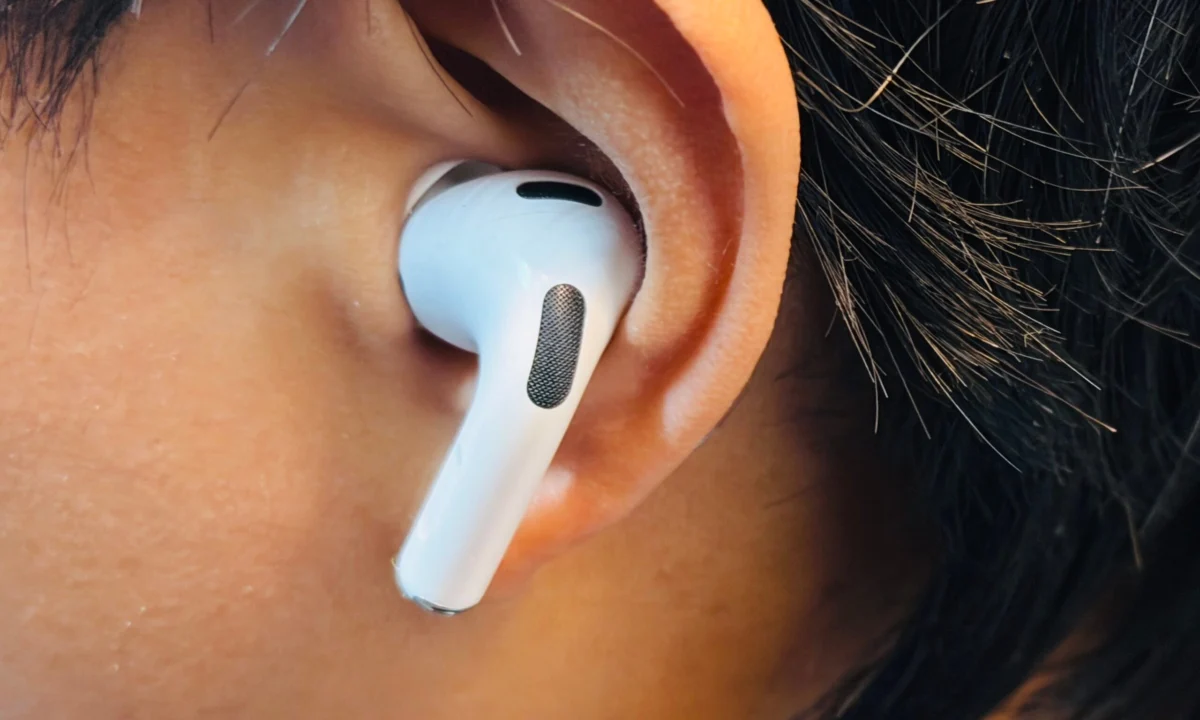
For years, the rumor mill surrounding Apple’s wearable division has buzzed with a singular, futuristic vision: a pair of AirPods Pro capable of seeing the world. What began as a speculative whisper in supply chain corridors blossomed into what appeared to be a concrete roadmap. As of May 2026, reports indicated that Apple had pushed these camera-integrated earbuds into "advanced testing," with the tech giant seemingly poised to revolutionize the audio space.
Yet, in the volatile world of consumer electronics, the distance between "advanced testing" and "mass production" can be a chasm. This week, that vision hit a significant, perhaps fatal, roadblock. Reports suggest that the project, once deemed a cornerstone of Apple’s future wearable strategy, has been suspended. The question now remains: Was this a temporary tactical retreat, or has Apple quietly killed one of its most ambitious hardware experiments to date?
The Rise and Fall of the "Eye-Pods"
The project, colloquially dubbed by enthusiasts as the "Camera AirPods," was never intended to replace your iPhone’s primary shooter. Unlike the glasses-based form factor, which has seen renewed interest from competitors like Meta and Ray-Ban, the AirPods were designed to serve as a sensory peripheral for Apple’s artificial intelligence engine.
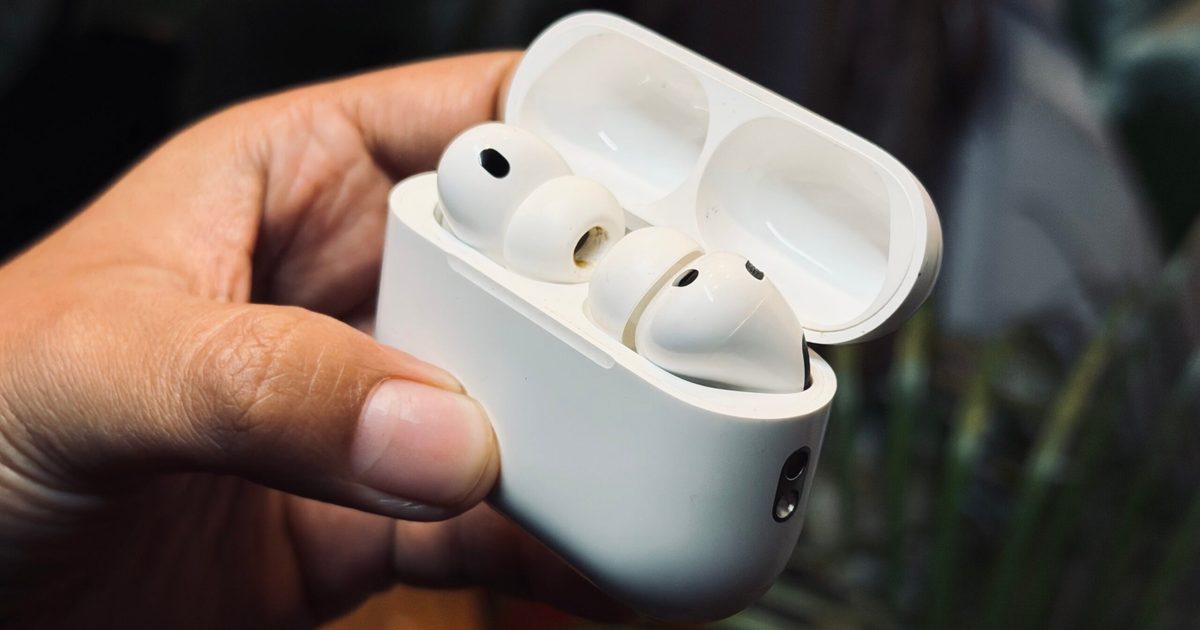
The core concept was sophisticated in its simplicity: integrating high-resolution infrared cameras into the housing of the AirPods Pro. These sensors would not capture high-fidelity video for social media; instead, they would provide a constant, low-latency stream of visual data to Apple Intelligence. Effectively, this would have granted Siri "eyes," allowing the assistant to understand and interpret the user’s environment in real-time, offering contextual awareness that voice-only inputs simply cannot achieve.
A Chronology of Anticipation
- February 2026: Initial leaks surface, suggesting that Apple is working on wearable audio devices capable of connecting directly to the Apple Intelligence ecosystem via embedded infrared sensors.
- May 2026: Bloomberg reports that the project has reached an "advanced" development stage, fueling industry speculation that a product launch was imminent.
- June 2026: Prototype collector and leaker Kosutami suggests the development "case" for the product has been "concluded," implying that the hardware design was finalized.
- July 2026: The narrative shifts abruptly. Kosutami reports that the project has been officially suspended, contradicting earlier claims and casting a shadow over the future of the device.
The Technical and Strategic Hurdles
While Apple has maintained its trademark silence regarding unreleased products, industry analysts have been quick to theorize why such a promising project would be shelved. The challenges are twofold: the technical limitations of miniaturized hardware and the broader strategic pivot of Apple’s AI ambitions.
The Problem of Miniature Optics
Fitting a camera module into the ear-bound housing of an AirPods Pro unit is an engineering nightmare. Beyond the physical constraints of space—where every cubic millimeter is already occupied by batteries, drivers, and noise-cancellation hardware—there is the issue of heat dissipation and power consumption. Sustained use of a camera, even one for AI processing, would likely gut the battery life of the device. If the user experience requires a recharge every hour, the product fails the basic utility test required for a mass-market Apple wearable.
The "Siri" Bottleneck
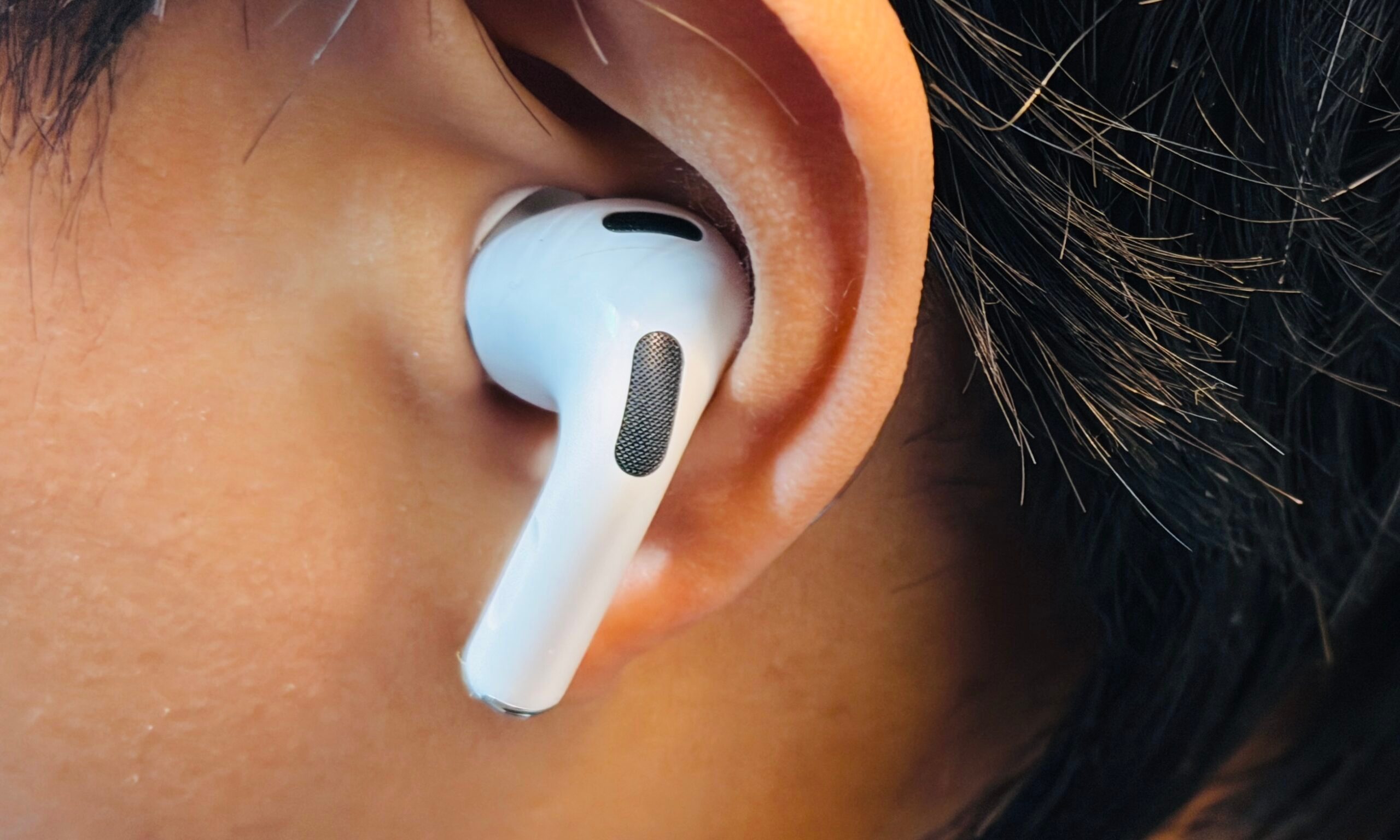
Perhaps the most significant factor is the maturity of the software itself. Apple has been notoriously cautious with its rollout of "Visual Intelligence." The company’s approach to AI is grounded in privacy and high-quality user experiences; if the system cannot reliably process visual data with the speed and accuracy users expect from Apple, the company is unlikely to ship it.
If the internal testing showed that Siri was struggling to synthesize the incoming visual feed, or if the "hallucinations" common in early-stage LLMs were occurring during spatial interpretation, it is highly probable that executives pulled the plug to prevent a "half-baked" release that could tarnish the brand’s reputation for polish.
The Competitive Landscape
The suspension of this project comes at a time when the wearable market is undergoing a seismic shift. While Apple reconsiders its ear-based camera strategy, competitors are aggressively pursuing face-worn computing.

Samsung, for instance, has recently been linked to the development of "Galaxy Glasses," which would ostensibly integrate a suite of sensors into a more traditional eyewear form factor. This format is arguably more natural for visual input than an earbud. By moving the "eyes" to the face, manufacturers gain a wider field of view and a more stable platform for augmented reality (AR) features.
The struggle Apple faces is one of form factor dominance. Does the future of spatial computing live in the ears, or on the bridge of the nose? By suspending the AirPods camera project, Apple may be acknowledging that the ear is not the optimal location for environmental scanning, potentially signaling a pivot toward more robust smart-glass technology that can compete directly with the Meta-Ray-Ban collaboration.
Evaluating the Sources: The "Kosutami" Factor
In the ecosystem of Apple leaks, credibility is a currency, and it is rarely stable. The recent reports regarding the suspension of the camera AirPods have been largely driven by the leaker known as Kosutami.

While Kosutami has a track record of accuracy—notably predicting the metal-enclosed battery design for the iPhone 16 Pro months ahead of time—their history is not spotless. A notable miss regarding the release timing of the AirPods Pro 3 in August 2024 serves as a reminder that even well-connected insiders can be misled by shifts in internal project timelines.
However, when a source pivots from saying a project is "concluded" to "suspended," it often reflects a genuine change in the company’s internal directive. It is plausible that the project reached a milestone (the "conclusion" of the design phase) only to be halted by management due to the aforementioned technical or strategic concerns.
Implications for the Future of Wearables
What does this mean for the average Apple user? First, it reinforces that Apple is not immune to the "prototype purgatory" that plagues the rest of the tech industry. For every success like the Apple Watch, there are likely dozens of shelved projects that never see the light of day.
Second, it suggests a refined focus for Apple Intelligence. By pulling back on the hardware-heavy approach of putting cameras on every wearable, Apple may be choosing to lean into the strengths of its current ecosystem: the iPhone and the Apple Vision Pro. Instead of forcing advanced sensory capabilities into the tiny form factor of an earbud, Apple may focus on refining the AI capabilities of existing devices that already have high-quality camera arrays.
Conclusion: A Pivot, Not a Defeat
The "suspension" of the camera-equipped AirPods is not necessarily the end of the road. In the high-stakes world of R&D, "suspended" is often a euphemism for "we need to go back to the drawing board." It is possible that the technology will resurface in a different iteration—perhaps in a next-generation headset or a more mature version of smart glasses.
For now, the vision of an AI-powered assistant that sees exactly what you see through your ears remains a dream deferred. Apple’s decision serves as a sobering reminder that for all the advancements in artificial intelligence and miniaturization, the laws of physics and the demands of high-quality design still dictate the pace of innovation. As we wait for the next official announcement from Cupertino, one thing is certain: Apple will not ship a product until it is ready to change the world—or, at the very least, until it is ready to disappear from the headlines and into the pockets of millions.











