

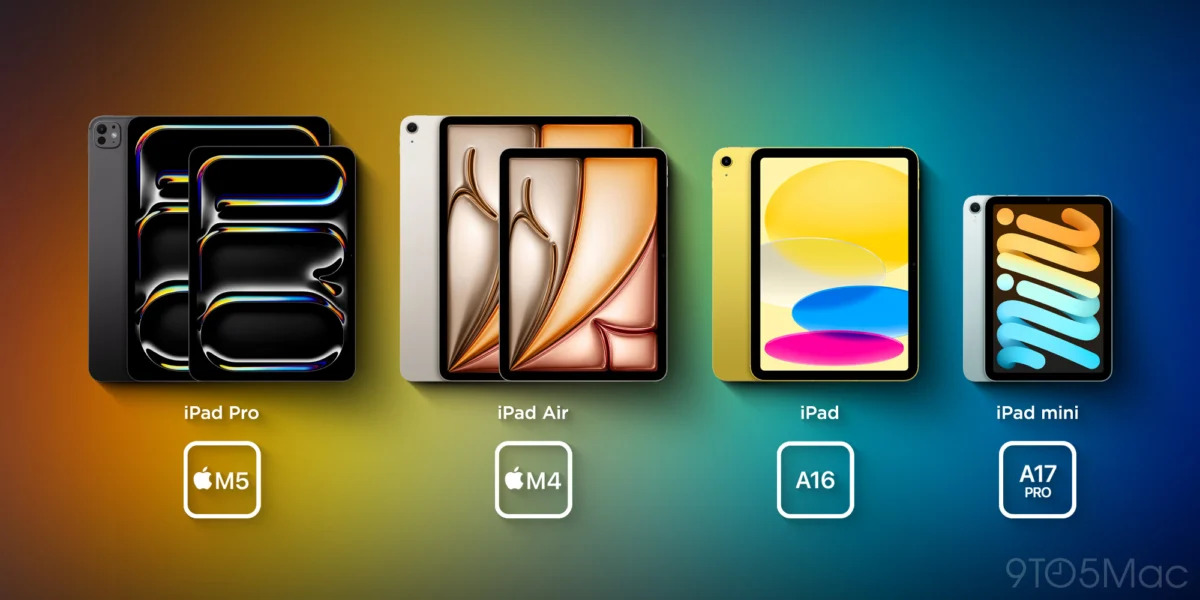
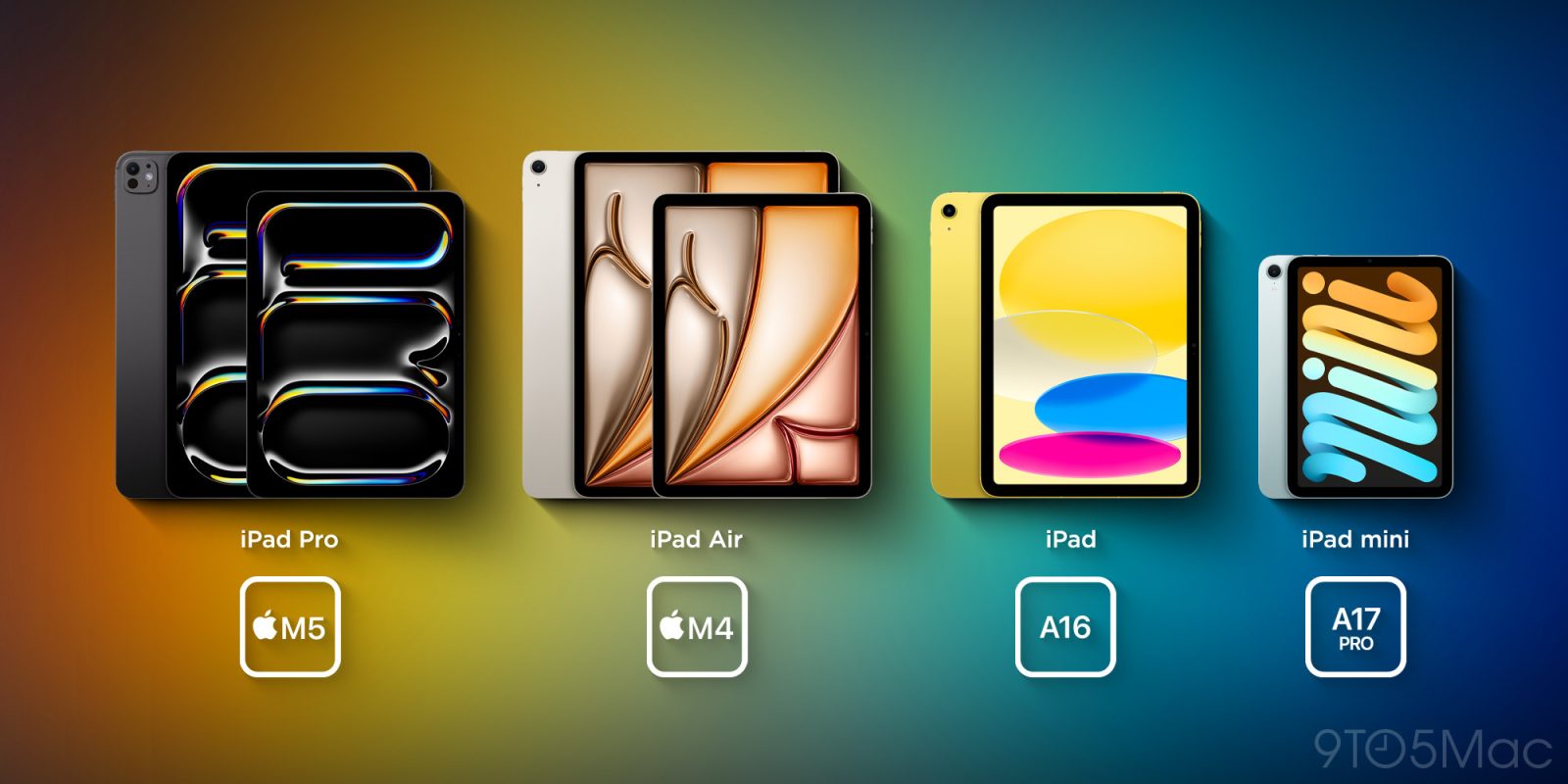
In the early days of the tablet revolution, Apple’s strategy was simple: the iPad was the iPad. It was a singular vision of a glass pane that could be anything to anyone. Today, the landscape is radically different. With four distinct product lines—each with varying sizes, chipsets, and accessory compatibilities—the act of purchasing an iPad has transitioned from a straightforward transaction into a complex technical evaluation.
For the modern consumer, the "best" iPad is no longer a matter of hierarchy; it is a matter of specific intent. As Apple’s marketing machine continues to refine its messaging, it has become clear that the company is no longer selling a "do-it-all" device, but rather a collection of specialized tools. This guide deconstructs the current lineup, separates the marketing polish from the practical reality, and provides the context necessary to make an informed decision in a crowded market.
Main Facts: The Four Pillars of the iPad Ecosystem
Apple currently segments its four iPad models based on distinct user archetypes. While the lines often blur in day-to-day usage, the official marketing strategy remains focused on specific "jobs to be done":

- The iPad (11th Gen): Positioned as the "everyday" companion. It is the entry point for students, casual streamers, and light creative users.
- The iPad mini: Marketed as the "small-but-mighty" ultra-portable. It targets power users who prioritize form factor over screen real estate—pilots, doctors, and avid readers.
- The iPad Air: Billed as "Mac-class power without the weight." It occupies the middle ground for users who need professional-grade performance but do not require the bleeding-edge display or peripheral features of the Pro.
- The iPad Pro: The "money-is-no-object" flagship. This is the showcase for Apple’s most advanced silicon and display technologies, aimed at professional artists, videographers, and those who demand the absolute peak of mobile performance.
A Brief Chronology: The Evolution of Segmentation
The complexity of the current lineup is the result of a decade-long evolution. The original iPad, launched in 2010, was a monolithic product. It wasn’t until the release of the iPad mini in 2012 that Apple first signaled that "one size fits all" was an outdated philosophy.
- 2015: The introduction of the first iPad Pro marked a pivot toward professional productivity, introducing the Smart Connector and Apple Pencil support.
- 2019: The "Air" brand was revitalized, creating a permanent home for mid-tier performance that allowed users to bypass the high cost of the Pro.
- 2022–2025: The shift toward Apple Silicon (M-series chips) across the Air and Pro lines solidified the "Pro" branding as less about processor speed and more about display quality (OLED) and specialized I/O capabilities.
Detailed Analysis: Marketing vs. Reality
1. The 11th-Generation iPad: "Lovable, Drawable, Magical"
Apple markets the entry-level iPad as the device for "everyday stuff." In practice, this is a machine for media consumption, light education, and digital sketching. It is a capable device, yet it remains the only model in the current lineup that does not support Apple Intelligence.
The Reality: While the lack of AI features is a negative for future-proofing, for many, it is a blessing of simplicity. It remains the best "Goldilocks" device. However, consumers should be wary of the base storage. With modern apps and high-definition media, the entry-level storage capacity fills up rapidly. Investing in the 256GB model is almost always a smarter financial decision for long-term ownership.
2. The iPad Air: The "Whoosh" Factor
The iPad Air is the most misunderstood device in the lineup. With the inclusion of the M4 chip, it is arguably more powerful than the majority of laptops in active use today. Apple uses terms like "powerhouse" to bridge the gap between casual users and professionals.
The Reality: The M4-equipped Air is a technical beast. However, users must be aware of the "accessory trap." To get the full experience, the Magic Keyboard and Apple Pencil Pro are required, which can push the total cost perilously close to the entry-level Pro. Before buying, check if your workflow actually requires the thermal headroom of the Air’s M4 chip, or if you are simply paying for a "professional" aesthetic.
3. The iPad Pro: "Thinpossible"
The Pro model is where Apple flexes its engineering muscles. At 5.1mm, it is an architectural marvel. The Ultra Retina XDR display and the M5 chip set it apart as a tool for those who specifically require color-accurate, high-bandwidth professional workflows.

The Reality: The "Pro" label is often a magnet for consumers who confuse "expensive" with "necessary." If you are not utilizing the Thunderbolt port for high-speed data transfer or leveraging the OLED display for professional color grading, the Pro is likely overkill. It is a device for those who view the tablet as a primary workstation, not a secondary screen.
4. The iPad mini: "Single-Handedly Awesome"
The iPad mini is perhaps the most beloved, yet niche, device in the Apple catalog. It is a consumption-first device that doubles as a surprisingly capable note-taking companion.
The Reality: Do not fall for the "productivity" marketing. While the A17 Pro chip allows it to run complex apps, the physical screen real estate makes deep spreadsheet work or complex video editing an exercise in frustration. It is a masterpiece of portability, perfect for travelers, but it is not a replacement for a laptop or a larger tablet.

Official Responses and Strategic Implications
Apple’s official stance on this fragmented lineup is that they are providing "the right tool for the right job." By segmenting by price and feature set, Apple ensures that a student spending $449 is not subsidizing the features of a professional spending $1,199.
However, the implication of this strategy is the "Choice Paradox." As the lineups overlap, the burden of research has shifted entirely to the consumer. For instance, the fact that a 13-inch iPad Air is heavier than the 13-inch iPad Pro is a detail that could sway a buyer, yet it is rarely highlighted in surface-level marketing materials.
The Role of Apple Intelligence
The transition to AI-integrated silicon (A17 Pro, M4, and M5) has created a hard line in the sand. Models without these chips are effectively being phased out of the "future-proof" category. If you are buying an iPad today to keep for the next five years, prioritizing a chip that supports Apple Intelligence is no longer optional—it is a functional requirement for the longevity of the operating system.

Conclusion: The "Mileage May Vary" Verdict
Ultimately, the iPad experience is subjective. We have seen users successfully run entire small businesses off an iPad mini, and conversely, professionals who found the iPad Pro too restrictive for their specific software needs.
Before committing to a purchase, consider the following:
- The 80/20 Rule: 80% of users will be perfectly happy with the base iPad or the iPad Air. Only 20%—those who require specific display tech or external display connectivity—truly need the Pro.
- The Accessory Tax: Always calculate the price of the iPad plus the keyboard and stylus. The final number often changes the purchasing decision.
- The Storage Trap: Regardless of the model, 128GB is the new "minimum viable product." Do not settle for less unless you are exclusively using cloud-based workflows.
The modern iPad lineup is a testament to how far tablet technology has come, but it also reflects a company that has moved beyond the idea of a "universal computer." Whether you are looking for a simple, magical digital notebook or a razor-thin, M5-powered workstation, the hardware exists—you simply have to navigate the maze to find the one that fits your reality, not just the marketing copy.

Disclaimer: This guide is intended for informational purposes. As with all high-end technology, individual user requirements vary. Always check current specifications and local pricing before finalizing your purchase.











