

The Independence Day holiday weekend has long served as a critical barometer for the health of the American film industry. For decades, studios have treated the July 4th window as a prime launchpad for their most ambitious, high-budget "tentpole" projects. When theaters are filled with patrons enjoying their time off, the potential for massive box-office returns is unparalleled. However, this high-stakes environment is a double-edged sword: while it provides the perfect stage for cultural phenomena, it also frequently plays host to over-budgeted, CGI-heavy sequels that vanish from the cultural consciousness as quickly as they arrive.
Despite the prevalence of forgettable, assembly-line cinema, history shows that some of our most beloved classics were born from the fires of this competitive holiday window. These films managed to transcend the cynical "summer blockbuster" label to become enduring touchstones of global pop culture.
A Chronological Odyssey: From Cult Flops to Billion-Dollar Icons
The evolution of the "Fourth of July release" mirrors the shift in Hollywood’s approach to genre filmmaking. Examining these films in order reveals how directors and writers navigated the unique pressures of mid-summer demand.
The 1980s: Subverting the Archetype
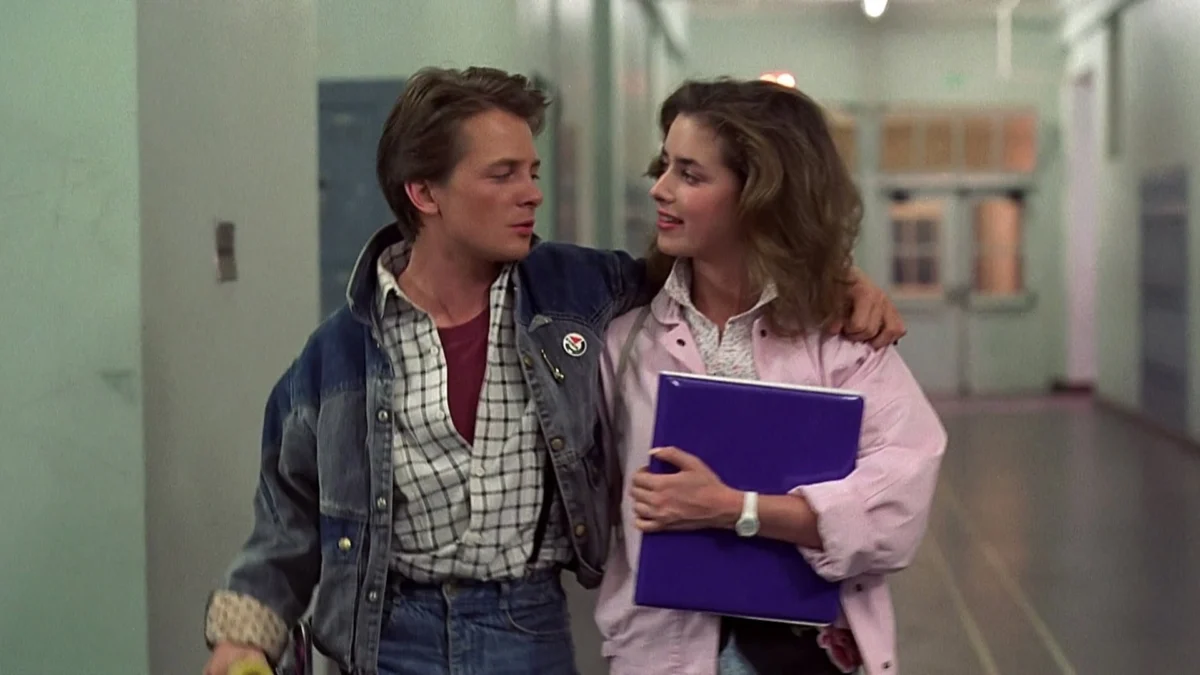
In the mid-80s, the blueprint for the summer hit was still being drafted. "Back to the Future" (1985) arrived on July 3rd, 1985, not because it was initially intended to be a holiday release, but because glowing test screenings convinced Universal Pictures that they had a massive hit on their hands. It turned a $19 million budget into a nearly $400 million windfall, proving that high-concept sci-fi, anchored by heart and character, could capture the national imagination.
Following in 1986, John Carpenter’s "Big Trouble in Little China" serves as a fascinating outlier. It stands as the only true box-office bomb on our list, initially failing to find an audience or critical acclaim. However, its trajectory shifted dramatically upon its home video release. It remains a masterclass in genre subversion, featuring Kurt Russell as Jack Burton—a character who presents himself as a John Wayne-esque hero but functions, in reality, as a hapless sidekick. This deconstruction of the "white savior" trope was ahead of its time, ultimately influencing later hits like The Mummy and Thor: Ragnarok.
Rounding out the decade, "Coming to America" (1988) showcased Eddie Murphy at the height of his powers. Despite a rocky production marked by creative friction between Murphy and director John Landis, and initial panic from Paramount executives following a disastrous press screening, the film became a comedy staple. Its success proved that character-driven humor, when executed with precision, can outperform even the most expensive special effects spectacles.
The 1990s: The Era of High-Octane Spectacle
The 1990s represented the gold standard for the modern summer blockbuster. "Terminator 2: Judgment Day" (1991) set the bar for the action sequel. James Cameron, having already successfully pivoted from horror (Alien) to action (Aliens), gambled everything on the most expensive film ever produced at the time. With groundbreaking digital effects and a heart-wrenching emotional core involving John and Sarah Connor, the film remains a high-water mark for the action genre.
The mid-90s saw the rise of the "Event Movie." "Independence Day" (1996) redefined the scale of disaster films. By moving away from the "small-scale" alien tropes of the past and embracing a global, cataclysmic threat, director Roland Emmerich and co-writer Dean Devlin created a cultural sensation. Backed by a $75 million budget and the charismatic star power of Will Smith, it decimated the competition, including Twister and Mission: Impossible.
The trend of high-stakes, high-fun cinema continued with Michael Bay’s "Armageddon" (1998). While it threw scientific plausibility to the wind, the film embraced its "guilty pleasure" status with a vigor that audiences found infectious. It remains the quintessential example of the "Bayhem" era, proving that audiences were more than happy to suspend disbelief for an epic, high-stakes space adventure.
Closing the decade, "South Park: Bigger, Longer, Uncut" (1999) proved that animation could be as edgy and culturally vital as any live-action project. Its biting satire and incredibly catchy, Broadway-caliber musical numbers turned an R-rated cartoon into a long-term cultural phenomenon.
The 2000s: Redefining Superhero and Comedy Cinema
In 2004, "Spider-Man 2" elevated the superhero genre. Sam Raimi’s focus on Peter Parker’s internal conflict, coupled with Alfred Molina’s tragic and nuanced portrayal of Dr. Otto Octavius, created a film that still competes for the title of "best superhero movie ever made." It established the emotional blueprint that modern cinematic universes still strive to emulate.
Finally, "The Devil Wears Prada" (2006) proved that a mid-budget comedy could stand its ground against massive spectacle. By tapping into the universal, relatable pain of working for a demanding boss, the film connected with audiences in a way that the competing Superman Returns could not.
Supporting Data and Financial Realities
The success of these films is not merely anecdotal; it is deeply rooted in the economics of the "re-watchability" factor. Unlike the "CGI assembly line" films that characterize many modern Independence Day weekends, the entries on this list possess high "cultural stickiness."
For example, Terminator 2 and Spider-Man 2 have consistently ranked in the top echelons of fan and critic polls for decades. Coming to America and South Park have spawned endless memes and cultural references that keep them relevant to younger generations. The financial success of these films was not just about the opening weekend; it was about the "long tail"—the VHS, DVD, streaming, and merchandise revenue that continued for years after their theatrical runs.
Official Responses and Studio Dynamics
The history of these releases also highlights the volatility of studio decision-making. Studios like Carolco Pictures (which produced Terminator 2) learned that even a massive hit cannot always save a company from internal mismanagement, as they filed for bankruptcy just four years after their greatest success.
Conversely, the decision by 20th Century Studios to release a sequel to The Devil Wears Prada in theaters rather than sending it to a streaming service suggests a renewed, modern-day appreciation for the power of the "theatrical event." This shift represents a move back toward valuing the mid-budget, high-concept film—a category that historically yielded the highest return on investment.
Implications for Future Filmmaking
What can the current industry learn from this list? The primary implication is that "event cinema" is not strictly defined by the amount of money spent on digital effects. Rather, the enduring classics share a common DNA: they respect the audience’s intelligence, they lean into unique creative voices (like Carpenter or Raimi), and they understand that a film must have a soul to survive the passage of time.
As we look toward future Independence Day weekends, the lessons of the past are clear. The most successful films will not be those that replicate the stale formulas of the previous year’s box-office winners, but those that take a risk on a new idea, a bold perspective, or a human story that resonates long after the final credits roll. The audience is ready for "absolute cinema"—all they need is a studio willing to provide it.










