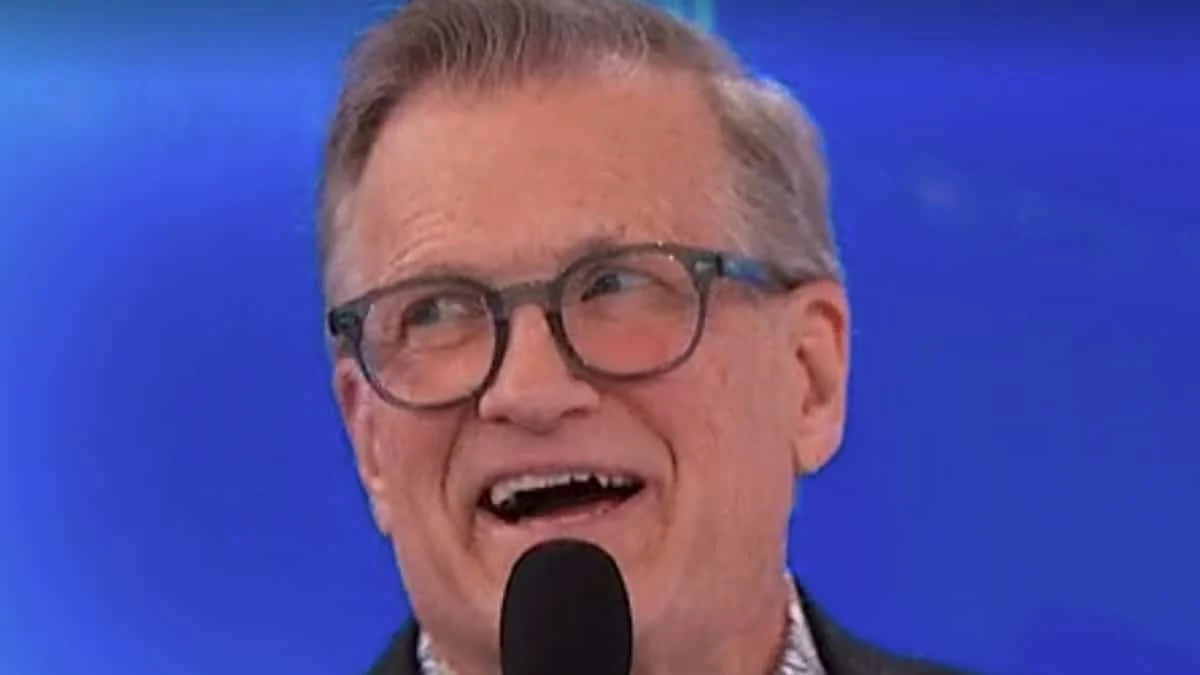
The long-running CBS game show The Price Is Right has found itself at the center of a digital firestorm. While the program has been a staple of American daytime television for over half a century, its recent foray into social media content strategy has struck a discordant note with its loyal fanbase. The controversy stems from a decision by the show’s digital marketing team to highlight a particularly heartbreaking loss on its official YouTube channel, leading to accusations that the show is prioritizing "clickbait" engagement over the spirit of the game.
Main Facts: A Game of ‘Any Number’ Goes Awry
The incident in question occurred during a recent broadcast featuring host Drew Carey. A contestant, who had successfully navigated the "Contestants’ Row" by bidding on a shuffleboard table, earned his place on stage for a chance at a significant prize package. The game selected for him was "Any Number," one of the show’s oldest and most recognizable segments.
In "Any Number," a contestant is presented with a digital board containing three hidden prizes:
- A New Car: A five-digit prize.
- A Secondary Prize (usually electronics or furniture): A three-digit prize.
- The Piggy Bank: A three-digit prize representing a small cash amount (always under $10.00).
The contestant must call out digits from zero to nine. The first prize to have all its digits filled is the one the contestant wins. In this specific instance, the stakes were high, featuring a brand-new vehicle and a high-end smart television. However, after a series of picks that left the contestant just one digit away from winning the car, his final selection filled the last slot of the "Piggy Bank."
The contestant walked away with a meager $9.25. While losses are a natural part of game show history, it was the show’s decision to package this "fail" as a featured highlight on YouTube—complete with Drew Carey’s dry humor regarding the loss—that ignited a wave of criticism from the "Price is Right" community.
Chronology of the Controversy
The On-Stage Performance
The segment began with the traditional enthusiasm synonymous with the show. Drew Carey introduced the "Any Number" board, revealing that the car’s price started with the digit "2." As the contestant began picking numbers, the tension mounted. Through several rounds, the contestant managed to fill in digits for both the car and the smart TV.
By the final moments of the game, the board was in a precarious state: the car needed one more number, the TV needed one more number, and the piggy bank needed one more number. The contestant called out his final choice, and the board revealed it belonged to the piggy bank. The iconic "sad horn" (the "losing horns" sound effect) played, signaling the end of the round.
The Host’s Reaction
Drew Carey, known for his improvisational background, attempted to lighten the mood with a joke. Placing a hand on the contestant’s shoulder, he noted that $9.25 was nearly the maximum amount possible to win from the piggy bank. He followed up by telling the contestant to "enjoy your double burger," a reference to the small cash prize’s purchasing power at a fast-food restaurant.
The Social Media Pivot
Following the broadcast, the show’s digital team uploaded the clip to YouTube with a title designed to draw viewers. Unlike the typical "Big Win" montages or "Plinko" highlights that usually populate the channel, this video focused squarely on the contestant’s narrow miss.
The Audience Backlash
Within hours of the upload, the comments section became a battlefield. Fans expressed frustration not just with the outcome of the game, but with the editorial choice to "celebrate" a loss. The backlash quickly shifted from the game itself to a critique of Drew Carey’s hosting style and the show’s perceived decline in "heart."

Supporting Data: The Mechanics of ‘Any Number’ and Fan Sentiment
To understand why this specific loss resonated so negatively, one must look at the statistical nature of "Any Number." Introduced in the very first episode of the Bob Barker era in 1972, the game is designed as a test of pure probability.
- Winning Percentages: Historical data from fan-run databases suggests that "Any Number" has a win rate of approximately 35-40% for the car.
- The "Piggy Bank" Factor: The piggy bank is designed to be a "consolation" that feels like a punchline. Winning less than $10 when a $25,000+ car is on the line is a staple of the show’s drama.
The fan reaction, however, suggests a shift in how the audience perceives this drama. Analysis of the YouTube comments reveals three primary themes of dissatisfaction:
- "Nasty Work": A term frequently used by younger viewers to describe behavior that feels unnecessarily cruel or exploitative. Commenters argued that highlighting a person’s public disappointment for "likes" was beneath the dignity of the storied franchise.
- The Carey vs. Barker Debate: The incident reignited long-standing comparisons between current host Drew Carey and his predecessor, Bob Barker. Critics argued that Barker would have handled the loss with more "pathos," whereas Carey’s "burger" joke felt dismissive.
- Content Fatigue: Some fans noted that the show had recently aired several episodes with low win rates. One commenter pointed out that in the episode in question, only one game ("Side by Side") resulted in a win, making the decision to highlight a loss feel like "rubbing salt in the wound."
Official Responses and Production Context
As of this writing, CBS and the production team at Fremantle (which produces the show) have not issued a formal statement regarding the specific YouTube backlash. Traditionally, The Price Is Right production maintains a policy of "letting the show speak for itself."
However, industry insiders suggest that the decision to post losing clips is part of a broader "Engagement Optimization" strategy. In the current social media landscape, "fails" and "cringe moments" often generate higher retention rates and more comments than standard wins. Algorithms on platforms like YouTube and TikTok prioritize high-engagement content, and negative sentiment (outraged comments) counts as engagement.
Drew Carey has previously spoken about his hosting philosophy, noting that he views himself more as a "master of ceremonies" than a traditional game show host. He has often defended his use of humor during losses as a way to keep the energy in the studio from plummeting. For Carey, the joke about the "double burger" is an attempt to acknowledge the absurdity of winning such a small amount on a national stage, rather than a direct insult to the contestant.
Implications: The Ethics of "Fail" Content in Legacy Media
This controversy highlights a growing tension between legacy television brands and the demands of digital marketing. The Price Is Right is a show built on "aspirational" entertainment—the idea that an ordinary person can walk off the street and have their life changed by a new car or a luxury vacation.
The Erosion of Aspirational TV
When the show’s digital presence shifts toward "fail" content, it risks eroding the aspirational brand that has sustained it for 52 years. If the audience begins to view the show as a venue for public mockery rather than a venue for life-changing opportunities, the "comfort TV" status of the program could be jeopardized.
The Host’s Role in the Digital Age
The backlash against Drew Carey also underscores the difficulty of hosting in the era of viral clips. Every comment is now scrutinized by a global audience, not just the viewers at home. What might have played as a harmless, throwaway joke in the studio in 1995 can now be framed as "ruining the show" when isolated in a YouTube thumbnail.
Future Strategy
The "Any Number" incident may force a reevaluation of how The Price Is Right manages its social media portfolio. While "fails" might drive short-term metrics, the long-term health of the franchise depends on the goodwill of a fanbase that expects the show to root for the contestant, not the "sad horn."
As the show prepares for its upcoming "all-cash" specials and continues its record-breaking run, the production team faces a delicate balancing act: how to remain relevant in a cynical digital age without losing the wholesome, "Come On Down" spirit that made it an American institution. For now, the fans have made their voices clear: they would rather see someone win a car than be told to go buy a burger.