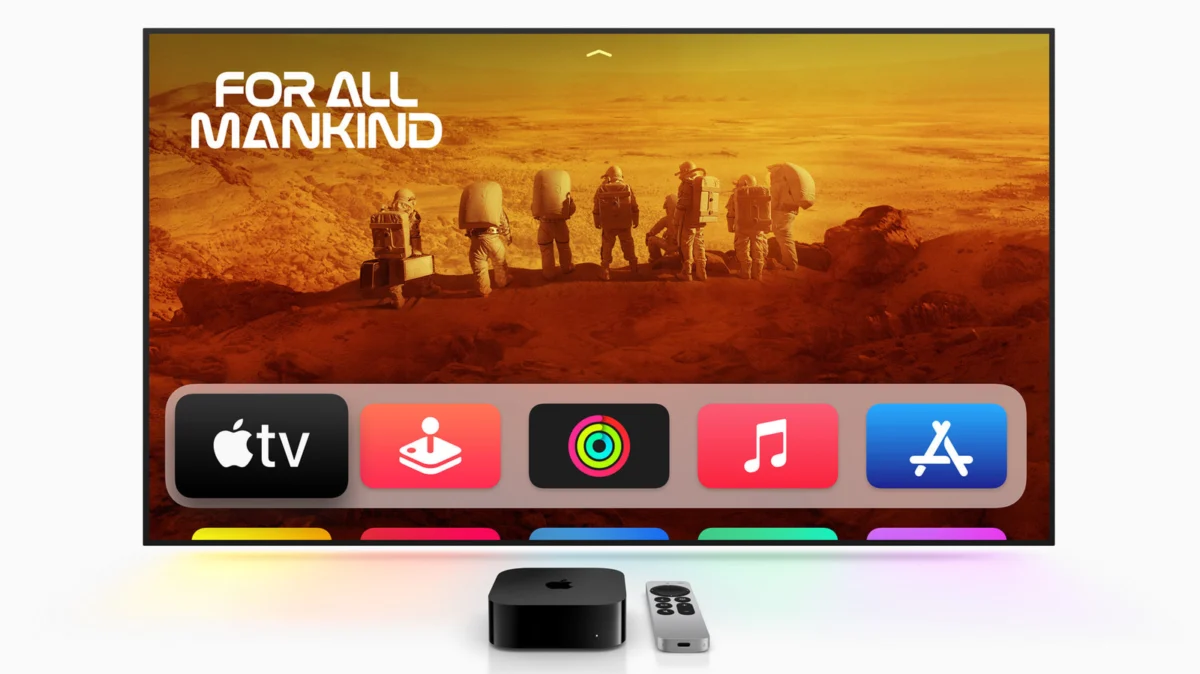
If you are currently in the market for a new laptop, smartphone, or gaming console, you may have noticed a frustrating trend: the price tags are climbing, and the "sale" signs are becoming increasingly rare. From the latest Apple MacBooks to the upcoming Xbox console refresh, the consumer electronics industry is currently gripped by a wave of price hikes that show no signs of receding.
Driven by a confluence of supply chain bottlenecks, an insatiable global appetite for artificial intelligence (AI) infrastructure, and broader macroeconomic pressures, the electronics market is undergoing a structural shift. For the average consumer, this means the era of predictable depreciation and frequent seasonal discounts is, at least for the moment, on hiatus.
The Chronology of the Current Hike
The current inflationary wave did not arrive overnight; it is the result of a gradual tightening of component availability that began in earnest late last year.
- Early 2025: Initial concerns regarding international trade policies and tariffs began to squeeze profit margins for manufacturers, leading to a quiet uptick in the base costs of raw materials and shipping.
- June 2026: Apple signaled a significant shift in the market by announcing price adjustments across its flagship MacBook and iPad lines. These weren’t just inflationary adjustments; they represented a fundamental shift in how the company prices its high-performance hardware.
- August 2026: Microsoft joined the fray, announcing that its Xbox console ecosystem would see a price increase starting in August, following in the footsteps of Sony’s aggressive pricing strategy for the PlayStation 5 Pro.
- Ongoing: These consumer-facing hikes are compounded by the persistent rise in oil prices, which has inflated the logistical costs of moving goods from overseas factories to retail shelves.
The Root Cause: The AI Memory Crunch
At the heart of this crisis is a singular, persistent bottleneck: a severe shortage of memory chips. While the average consumer associates memory chips—specifically DRAM and NAND flash—with their personal devices, the global tech industry has shifted its production priorities elsewhere.
The explosive growth of the AI sector has fundamentally altered the semiconductor landscape. Software component producers are now prioritizing the manufacturing of high-bandwidth memory (HBM) and specialized chips required for massive AI data centers. Because these data centers are currently the most profitable customers for semiconductor giants, consumer electronics manufacturers are finding themselves at the back of the queue.
This is not a temporary blip. The "AI bubble," as many analysts have dubbed it, continues to drive demand for compute power that vastly outstrips the current global manufacturing capacity. When demand for specialized components remains sky-high while supply is diverted to high-margin enterprise sectors, the result is an inevitable, upward crawl in prices for the average user.
Expert Analysis: Why "Waiting it Out" Is a Failed Strategy
In previous economic cycles, consumers were often advised to "wait for the next sale" or hold off on a purchase until the next generation of hardware caused the current model to depreciate. According to Shawn DuBravac, chief economist at the Global Electronics Association, that strategy is no longer viable.
"In the past, you maybe could have waited out little blips like this," DuBravac notes. "I don’t think that’s the case here. Waiting is not a strategy right now and probably won’t be for the foreseeable future."
DuBravac emphasizes that current pricing strategies are not random; they are highly coordinated and intentional. Manufacturers are calculating the cost of production against the necessity of the hardware, and they are passing those costs directly to the consumer. If you see a device at its current price point, DuBravac suggests, it is likely the most competitive price you will see for a long time. There is no looming "correction" that will bring prices back to 2024 levels.
Implications for the Consumer
The financial pressure of these hikes is hitting households just as they prepare for traditional shopping periods, such as the back-to-school season and the end-of-year holidays. This has created a paradoxical behavior in the market: rather than delaying purchases, some consumers are rushing to upgrade their devices now out of fear that prices will continue to climb further into the future.
Thibaud Hug de Larauze, CEO of the secondhand marketplace Back Market, observes that this anxiety is driving rapid, often unnecessary upgrades. "People are worried that they’re going to have to pay a lot of money for the next device," he explains. "The bad thing about that is it’s just pushing people to upgrade more rapidly because they’re scared of inflation."
The Rise of the Secondhand Resurgence
While the market for new hardware remains volatile, a significant bright spot has emerged: the boom in the refurbished and secondhand electronics industry. Historically, used electronics depreciated at a predictable rate. Today, that model has been inverted.
Sean Cleland, vice president of Mobility tech at B-Stock, notes that used smartphones are currently selling for 10 to 20 percent more than they were in December 2025. In a normal economic climate, those devices would have lost value; however, the scarcity of new, affordable hardware has pushed buyers toward the secondary market.
Why Refurbished is Becoming the New Standard:
- Ethical Consumption: Beyond the cost savings, purchasing refurbished gear is increasingly viewed as an eco-friendly alternative to the "buy new, discard old" cycle that contributes to the global e-waste crisis.
- Increased Trade-In Value: Because demand for used devices is so high, consumers can now get significantly more money for their old devices through trade-in programs or third-party marketplaces. Manufacturers are responding to this by bolstering their own resale programs.
- Market Maturation: The industry for refurbished goods has become more professional. With rigorous testing, warranties, and standardized grading, the "risk" associated with buying used has plummeted.
Looking Toward the Horizon
The supply chain will eventually find a state of equilibrium, but industry experts warn that the definition of "normal" has changed. "Secondary market pricing will go back to normal depreciation, but it will continue being a step above what it was in 2025," says Cleland. "It just never comes all the way back."
For the consumer, the path forward requires a shift in mindset. If you need a device for work, school, or connectivity, the "buy now" approach is likely the most prudent, provided you are looking at the right channels. The days of waiting for deep discounts on new releases are likely over for the foreseeable future.
However, the silver lining is a more circular economy. By leveraging trade-in programs and exploring the professional secondhand market, consumers can insulate themselves from the worst of the price hikes while contributing to a more sustainable tech ecosystem. As manufacturers continue to prioritize high-end AI components, the humble, refurbished device may well become the most valuable tool in the average consumer’s arsenal.