Siti Muinah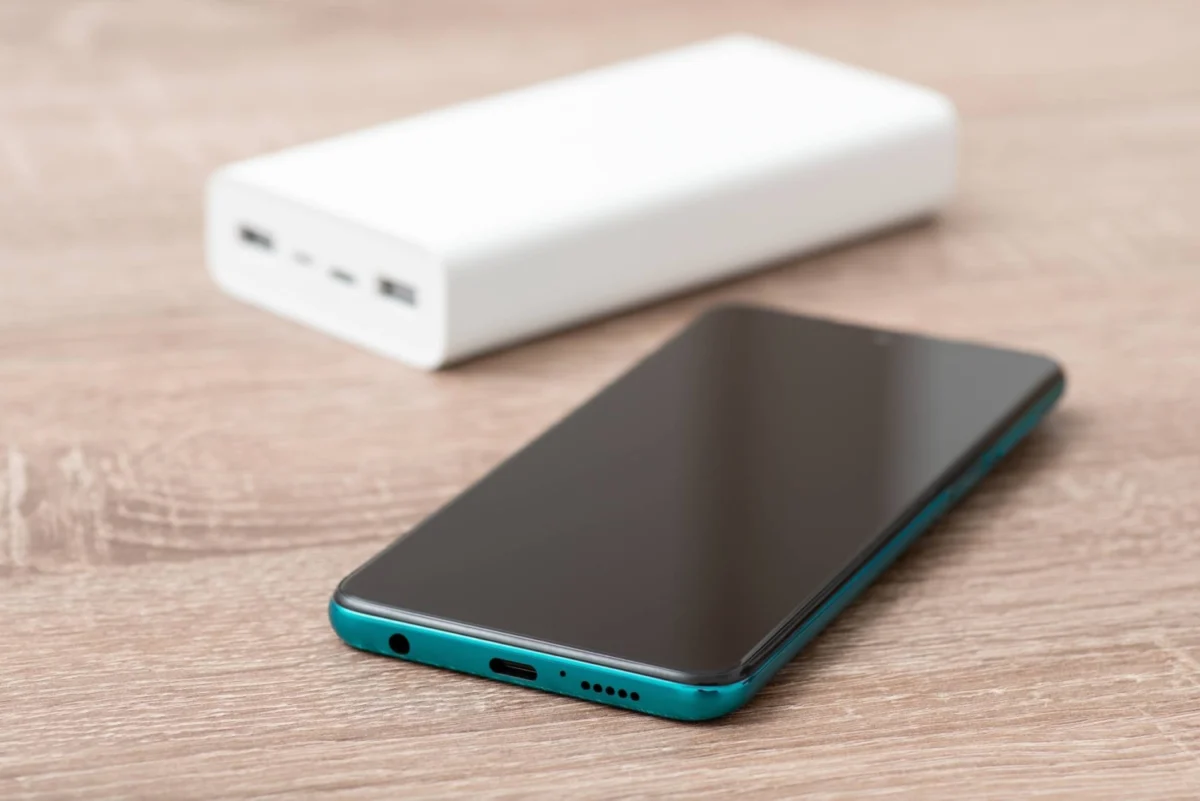
Introduction: A Growing Threat to Public Safety
In the quiet rhythm of Japan’s waste management system, a volatile danger has emerged, manifesting in a record-shattering surge of fire and smoke incidents. According to provisional government data released this month, the number of fire-related incidents caused by lithium-ion batteries during the collection and processing of municipal waste reached a staggering 36,760 in fiscal 2025. This figure represents not just a statistical anomaly, but a profound systemic challenge that threatens the safety of sanitation workers, the integrity of waste-processing infrastructure, and the efficiency of Japan’s famously meticulous recycling protocols.
The survey, conducted by the Ministry of the Environment in May 2025 and finalized in June, paints a grim picture of a society increasingly reliant on portable energy storage, yet inadequately prepared for the lifecycle management of these power sources. As the nation grapples with the transition to a more circular economy, the "invisible" presence of lithium-ion batteries in common household refuse has transformed the simple act of garbage collection into a high-stakes safety operation.
Main Facts: The Numbers Behind the Smoke
The data released by the Ministry of the Environment is stark. The 36,760 incidents recorded in the fiscal year ending March 2025 represent an increase of 13,692 cases compared to the previous fiscal year. To put this in perspective, the frequency of these incidents has accelerated at an alarming rate, suggesting that the current methods of public education and waste sorting are failing to keep pace with the proliferation of consumer electronics.
The survey, which drew responses from 1,537 of Japan’s 1,741 municipalities, highlights that the problem is not isolated to major urban centers but is a nationwide phenomenon. These fires are most frequently triggered during the compression phase of garbage collection trucks or during the crushing and sorting processes at waste management facilities. When a lithium-ion battery—often embedded in a device that the consumer mistakenly assumes is "trash"—is subjected to the immense pressure of a hydraulic compactor, the internal separators can be breached. This leads to a short circuit, resulting in a thermal runaway that can ignite surrounding combustible materials, including paper, plastics, and household refuse.
Chronology of a Crisis
The escalation of this issue did not happen overnight, but rather mirrors the exponential growth of the personal electronics market over the last decade.
The Early Signs (2015–2020)
For years, local municipal waste departments reported sporadic fires in collection vehicles. Initially categorized as "unidentified ignition," investigators gradually identified a pattern: batteries hidden inside discarded toys, handheld fans, and old mobile phones were puncturing and sparking in the back of trucks.
The Acceleration (2021–2024)
As power banks became ubiquitous and the use of heated tobacco products surged, the frequency of fires began to climb. Municipalities started installing specialized fire-suppression systems in their collection fleets, but the sheer volume of batteries entering the waste stream began to overwhelm these preventative measures.
The Record-Breaking Year (2025)
The fiscal year 2025 marked a tipping point. With the Environment Ministry’s survey confirming a near-40% year-over-year increase in incidents, the government moved from passive observation to active intervention. In April 2025, the Ministry issued a formal notice to municipalities nationwide, demanding more stringent sorting protocols and public awareness campaigns. This shift in policy reflects a growing realization that the current waste infrastructure is ill-equipped to handle the energy density of modern portable electronics.
Supporting Data: Identifying the Culprits
The survey provides a detailed breakdown of the products most responsible for these incidents. While the list is extensive, two categories stand out as the primary catalysts:
- Mobile Power Banks: These devices are the leading cause of ignition. Their high energy density and the fact that they are often tossed into bins when they become "slow" or "worn out" make them particularly dangerous. Unlike larger appliances, power banks are easily discarded as general trash due to their size and the common misconception that they are "just plastic."
- Heated Tobacco Products: These devices have seen a massive rise in popularity in Japan. The integrated lithium-ion batteries are often difficult to remove, leading users to dispose of the entire unit in the bin. Due to their small size and the ease with which they can be crushed, they are frequently the spark that ignites a truckload of refuse.
Beyond these two, the report identifies a "long tail" of hazards, including wireless earphones, electric toothbrushes, and smart wearables. The common thread is the consumer’s inability—or unwillingness—to properly categorize these items as "hazardous" or "special collection" waste.
Official Responses and Strategic Shifts
The Ministry of the Environment, led by ministerial directives, is currently spearheading a multi-pronged response. The notice issued in April 2025 served as a wake-up call to local governments. It mandated:
- Enhanced Sorting Protocols: Municipalities are now being encouraged to implement "visible inspection" policies, where collection workers are trained to identify prohibited items in transparent bags.
- Public Awareness Campaigns: The government has launched a nationwide campaign titled "Don’t Bin the Battery," utilizing social media, train advertisements, and neighborhood circulars to educate citizens on the dangers of mixing batteries with regular trash.
- Producer Responsibility: There is a growing legislative conversation regarding "Extended Producer Responsibility" (EPR). The government is considering regulations that would force manufacturers to design products with easily removable batteries, or to establish more robust take-back programs that do not rely on the municipal waste stream.
However, local municipalities remain on the front lines. Many are struggling with the budgetary implications of these fires, which include the cost of vehicle repairs, insurance premiums, and the potential for service disruptions that leave trash piling up on city streets.
Implications: A Challenge to the Circular Economy
The rise of battery-related fires in waste management poses a significant threat to Japan’s environmental goals. As the country pushes toward a more sustainable, circular economy, the inability to safely manage waste creates a paradox. If municipal waste facilities become too dangerous to operate, or if the cost of fire mitigation becomes prohibitive, the entire recycling ecosystem could face a crisis of confidence.
Safety for Sanitation Workers
The most immediate implication is the risk to human life. Sanitation workers, who already perform a physically demanding job, are now effectively operating in a high-risk environment. A fire inside a collection truck can spread within seconds, forcing the driver to dump burning trash onto a public road to save the vehicle. This presents risks to pedestrians, property, and the environment.
Infrastructure Integrity
Waste processing facilities are highly complex, automated environments. A single fire can cause millions of yen in damage, shutting down sorting lines and incinerators for weeks. As municipalities seek to upgrade their facilities to handle more complex waste streams, the need for advanced fire-detection and suppression technology—such as AI-driven thermal cameras that can identify heat signatures in waste piles—is becoming an essential, albeit expensive, necessity.
The Shift in Consumer Behavior
Perhaps the most difficult hurdle is changing consumer behavior. In a culture that values convenience, the requirement to visit a specialty collection center or a dedicated battery drop-off point is a friction point. Policy experts argue that until the "cost" of proper disposal is lower than the "cost" of illegal disposal, the current trend of fires will likely continue.
Conclusion: The Path Forward
The record-breaking number of 36,760 incidents in 2025 serves as a definitive indicator that the status quo is unsustainable. Japan stands at a crossroads: it must either revolutionize the way it manages small-scale electronic waste or face a future where the dangers of modern technology continue to compromise the very systems designed to keep the nation clean.
The path forward requires a unified effort. Manufacturers must simplify the removal of batteries, municipalities must innovate in their collection and sorting technologies, and citizens must embrace their role as the first line of defense in the waste management chain. The "hidden hazard" of lithium-ion batteries is no longer hidden; it is a clear and present danger that demands immediate, comprehensive, and sustained action. Only through rigorous cooperation can Japan ensure that its commitment to a clean, efficient future is not extinguished by the very power sources that drive its modern life.


 Neng Nana
 Asro
Asro