

When the name "Uonuma" is mentioned, the collective consciousness of Japan immediately turns to its most famous export: Uonuma Koshihikari, the gold standard of Japanese rice. Renowned for its unparalleled sweetness, luster, and texture, this premium grain has put the city in Niigata Prefecture on the global culinary map. However, to define Uonuma solely by its paddies is to overlook a vibrant, spirited, and occasionally surreal cultural landscape.
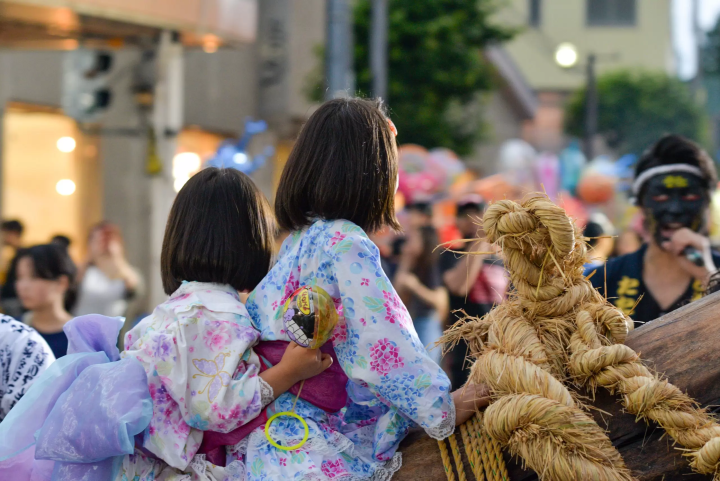
Among the city’s many hidden treasures, one event stands in a category of its own: the Shineri Benten Tataki Jizo Festival. Known as one of Japan’s most unusual and lighthearted traditions, this annual event transforms the quiet streets of Koide into a chaotic, laughter-filled theater of social rebellion. For travelers seeking an authentic encounter with Japanese folk culture, this festival—paired with the region’s sophisticated art history and world-class culinary scene—offers an unforgettable itinerary.
Main Facts: A Festival Where Rules Are Forgotten
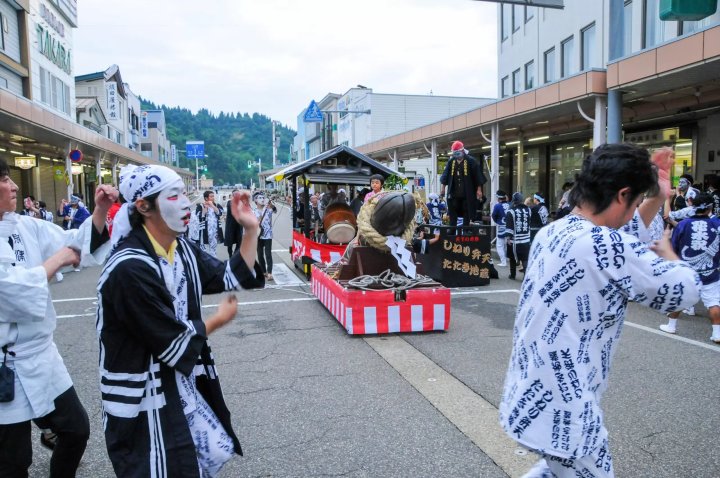
Held annually on the last Saturday of June, the Shineri Benten Tataki Jizo Festival is a rare window into a tradition that defies the typical, stoic image of Japanese festivals. Centered around the Benten-do temple in the heart of Koide, the event is defined by its core directive: the suspension of social formality.
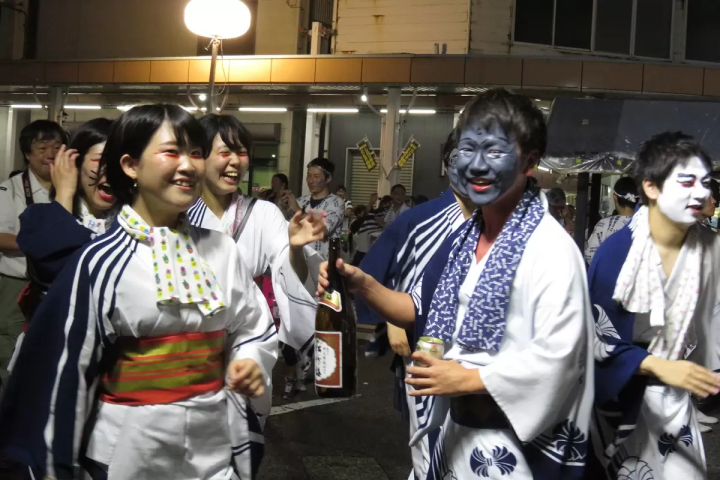
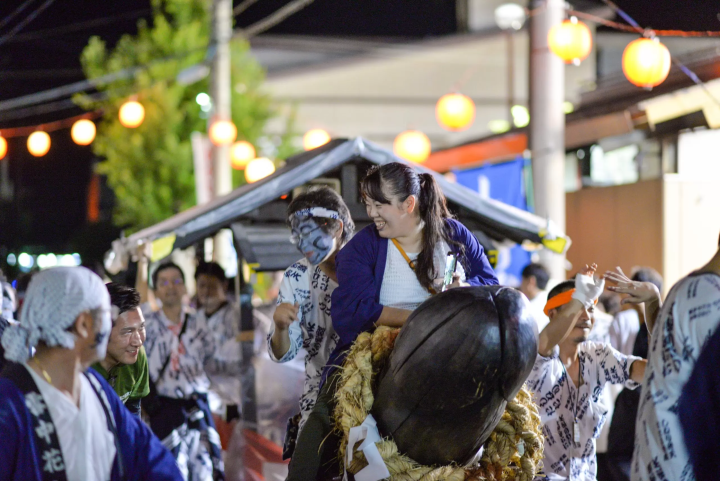
The festival’s name provides a literal roadmap to the activities: Shineri (to pinch) and Tataki (to hit). As the sun dips behind the majestic Echigo Sanzan mountains and the red paper lanterns flicker to life, the town erupts into a playful, gendered rivalry. Men roam the streets, targeting women with light pinches on the arms while shouting, "Shineri Benten!" In a spirited act of retaliation, women respond by tapping the men on their shoulders, calling out, "Tataki Jizo!"
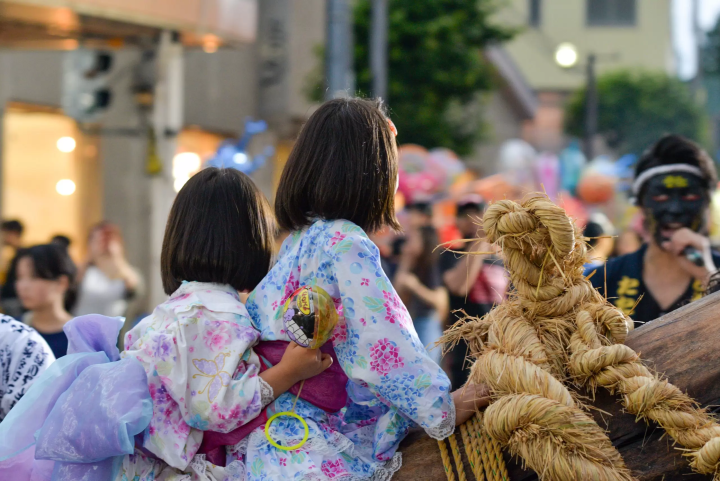
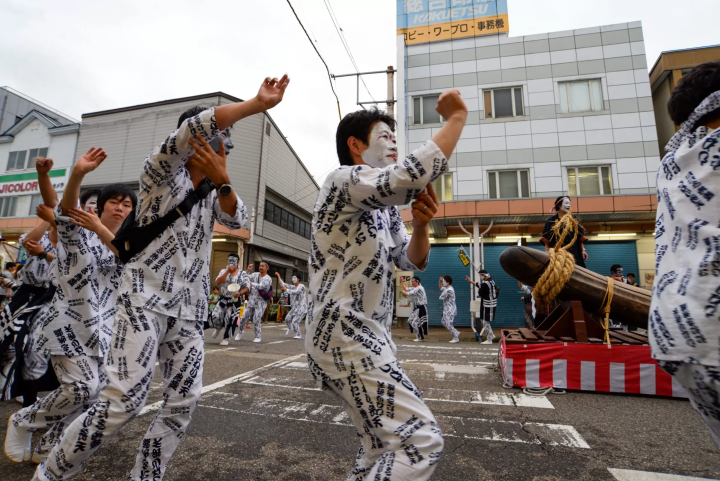
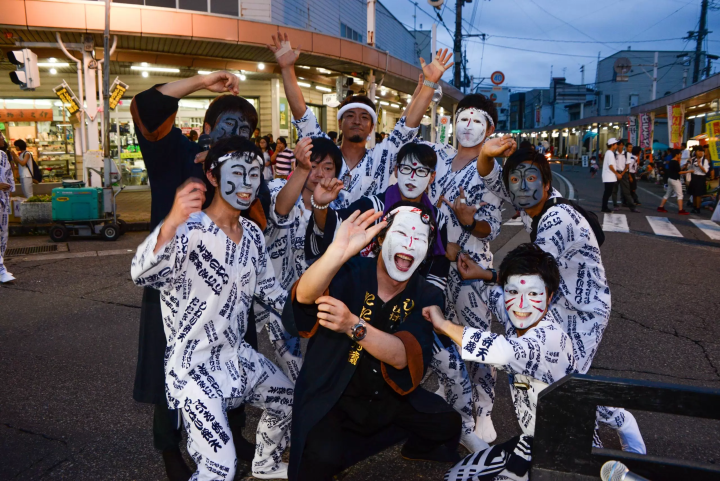
This is not a display of aggression, but rather a performance of community bonding. The air is thick with the sound of laughter, shouts, and the rhythmic clatter of the festival procession. It is a space where participants, often adorned in white ceremonial makeup, shed their daily inhibitions to participate in a ritual that has been described as both bizarre and deeply endearing.
The Historical Origins: From Edo-Era Humor to Fertility Rites
To understand the origins of this strange spectacle, one must look back to the Edo period (1603–1867). The festival’s roots are believed to stem from the customs surrounding the Benten festival at Shinobazu Pond in Ueno, Tokyo. During this era, senryu poetry—a form of humorous, observational haiku—often touched on the flirtatious and somewhat rowdy customs of the time. One specific poem, referencing the "night of the snake," describes the custom of pinching the buttocks of young women as a form of social play.
The "Tataki Jizo" element, however, carries a more profound, traditional weight. Historical records from the Horeki era (mid-18th century) reference the practice of tapping a woman’s waist with a wooden kayu-bo (porridge stick). This act was deeply linked to fertility and childbirth. It was believed that a child tapping a new bride with this stick would ensure a "boy child" and an "easy birth." Over centuries, this functional folk belief merged with the rowdier customs of the city, evolving into the unique, inclusive, and joyous event observed in modern-day Uonuma.
Chronology: A Day in the Life of the Festival
The Shineri Benten Tataki Jizo Festival is a meticulously scheduled affair, drawing the community into a day-long celebration.
- 17:00 – Purification: The day begins with solemn rituals at the sacred site, where the festival’s object of worship is purified and prayers are offered for the community’s prosperity.
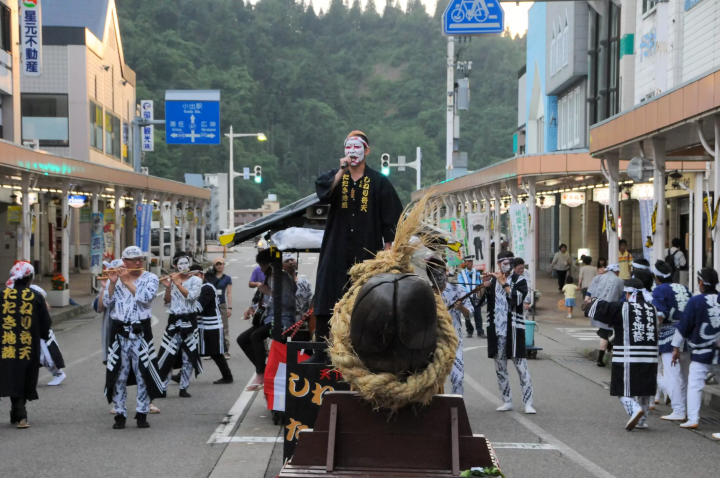
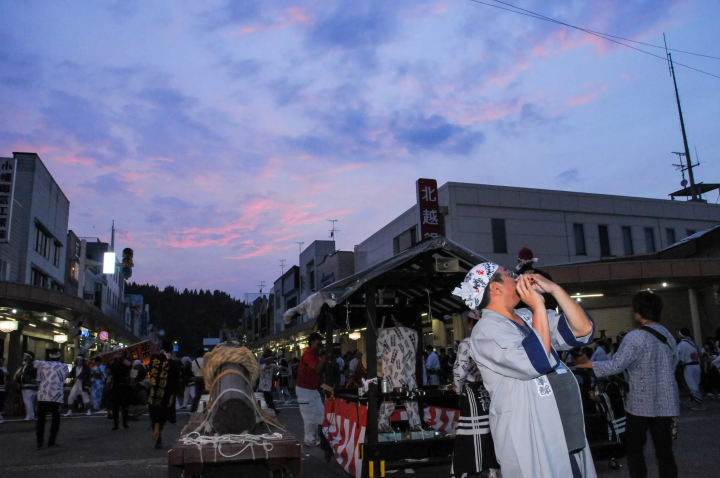
- 18:00 – The Procession: The parade officially begins, moving through the town. Participants, many sporting white, kabuki-like facial makeup, pull the sacred tree.
- 19:00 – The Introduction of Newlyweds: In a nod to the festival’s fertility roots, local couples who have recently wed are introduced to the crowd, with one often honored to ride upon the sacred float.
- 19:45 – The Son-in-Law Ritual: The character "Kinsei-sama" is introduced as the symbolic son-in-law, a central figure in the night’s narrative.
- 20:15 – The Attack Begins: The climax of the evening. The formal rituals conclude, and the "pinching and tapping" ensues, signaling the start of the chaotic, fun-filled interaction between all attendees.
Supporting Data: Uonuma’s Cultural and Culinary Infrastructure
The "Michelangelo of Japan": Ishikawa Uncho
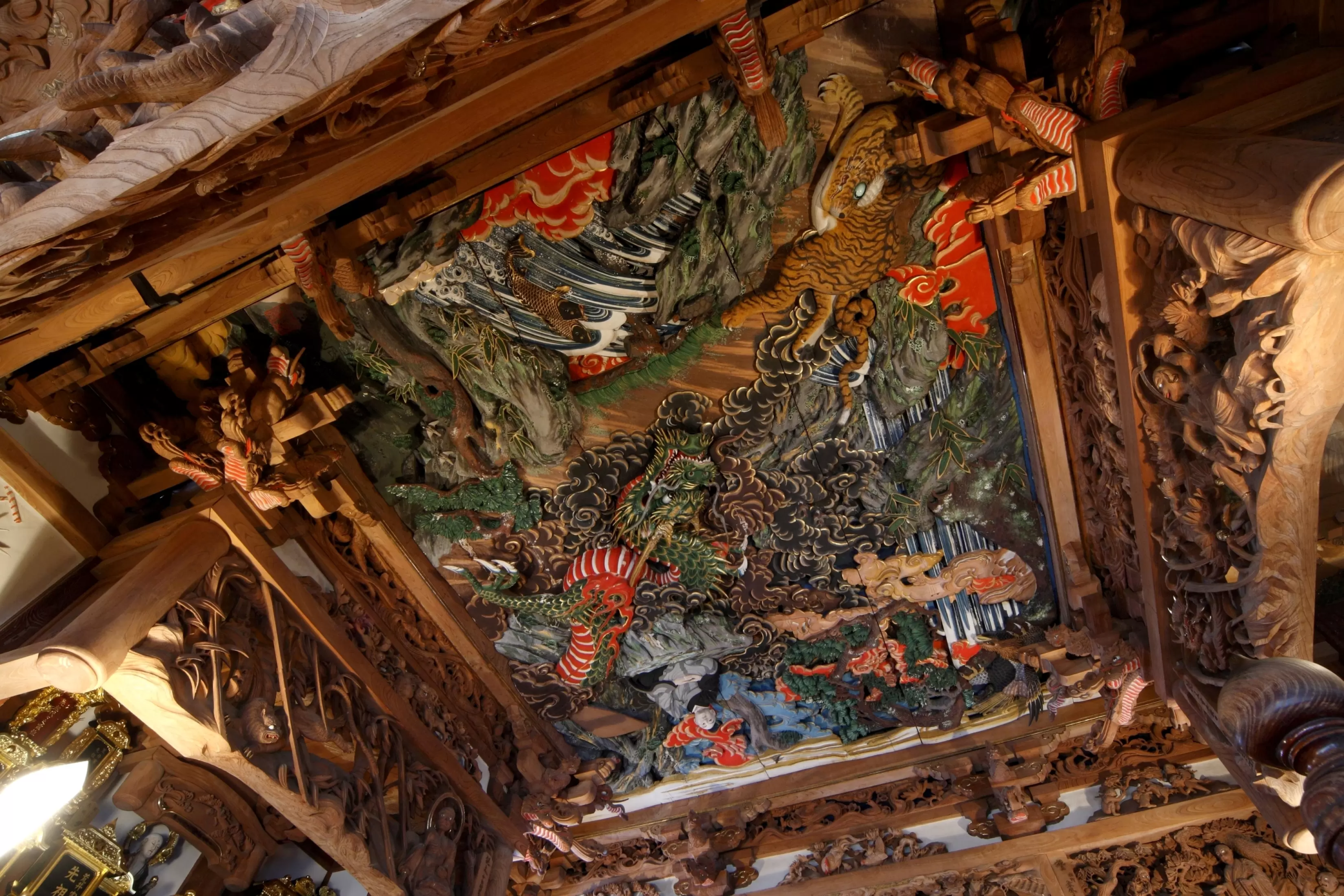
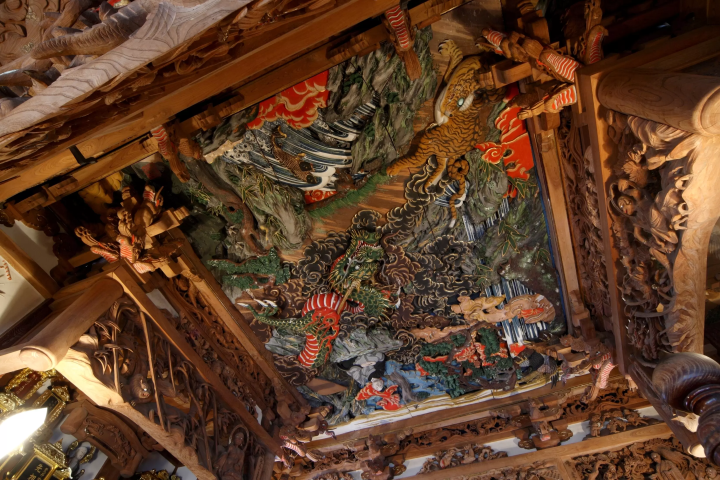
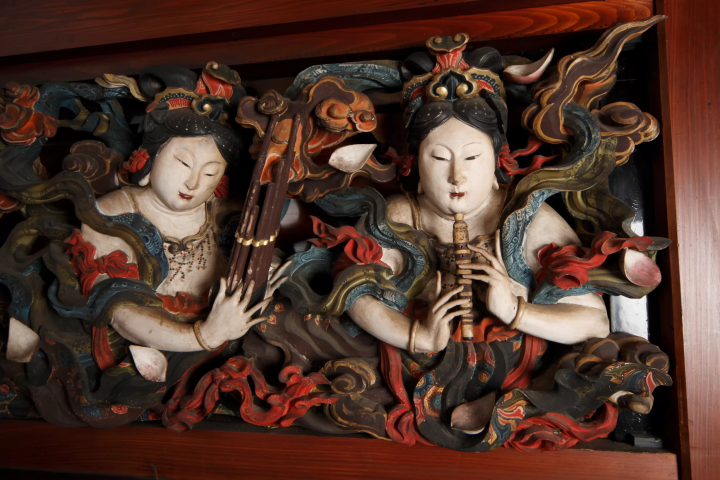
No visit to Uonuma is complete without appreciating the works of the legendary sculptor Ishikawa Uncho. Active from the late Edo to early Meiji periods, Uncho’s intricate, vivid carvings define the aesthetic of the region’s temples.
- Saifukuji Temple: Home to the "Dogen Zenji Subduing a Fierce Tiger" ceiling carving. The scale and color of this openwork masterpiece are breathtaking.
- Eirinji Temple: Known as the temple with the largest collection of Uncho’s work, housing over 100 pieces, including the Dragon God and the Sixteen Arhats.
Culinary Soul Food
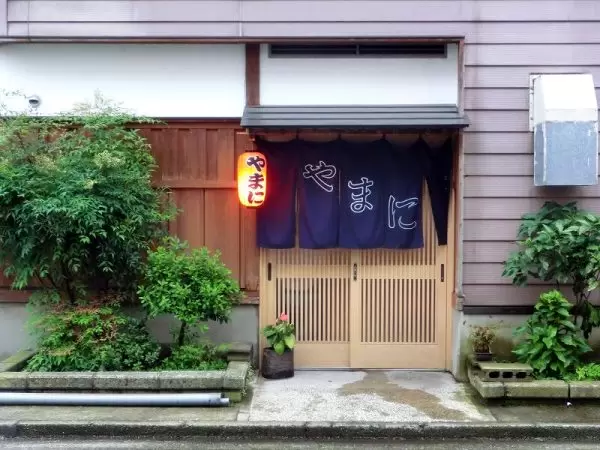
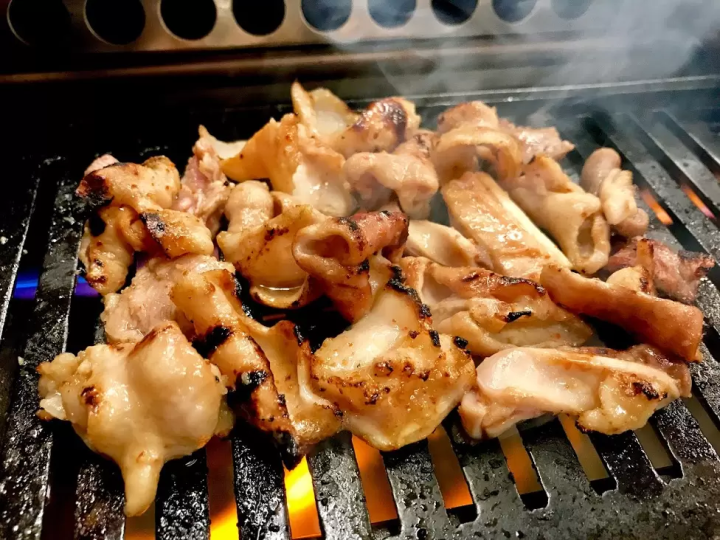
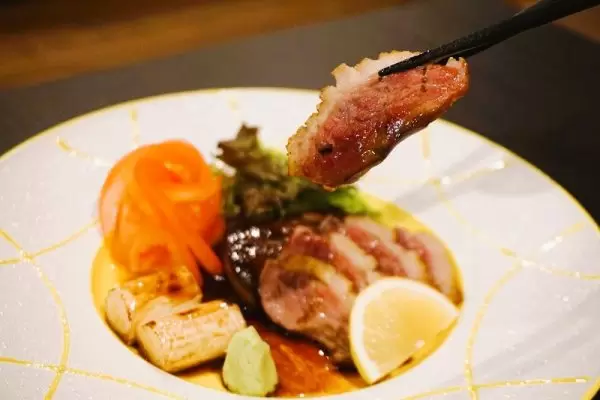
Uonuma’s gastronomy is as robust as its history. The region is famous for motsuyaki (grilled offal). Unlike in other parts of Japan where offal is parboiled, Uonuma serves it raw, grilling it fresh to lock in the juices and flavor. Establishments like Hormone Yaki Yamani serve this as a local staple, often paired with the region’s exceptional sake, such as the famous "Midori River" brand.
Official Responses and Community Implications
Local tourism officials emphasize that the festival serves a dual purpose: preserving intangible cultural heritage and fostering intergenerational bonds. For the youth of Uonuma, the festival is a rite of passage. Many local middle and high school students participate, creating memories that often involve the "bittersweet" social experiences of inviting crushes to participate or navigating the playful pranks of their peers.
From an economic perspective, the festival acts as a significant catalyst for regional tourism. The Uonuma City Tourism Association has invested heavily in creating a visitor-friendly environment, providing detailed guides on transportation, parking, and accommodation. They actively promote a "Two-Day Model Course" that encourages visitors to arrive early, experience the festival’s intensity, and spend the following day engaging with the quieter, artistic side of the city.
Implications for the Modern Traveler
The Shineri Benten Tataki Jizo Festival represents a shift in how we approach cultural tourism. It is not a museum-grade, static display of history, but a living, breathing tradition that demands participation.
Why Visit?
- Accessibility: Located just under two hours from Tokyo via the Shinkansen and local rail lines, it is an ideal destination for a weekend getaway.
- Hospitality: The local ryokan (traditional inns) offer an array of experiences, from the "Natural Crystal Hot Springs" of Oyu Onsen to modern, stylish accommodations.
- Wellness: Between the festival, the artistic immersion at the temples, and the therapeutic hot springs, the Uonuma experience provides a holistic rejuvenation for the mind and body.
A Note on Local Etiquette
While the festival is defined by "no rules," it remains a community-centric event. Visitors are encouraged to engage with the spirit of the event rather than just observing from the sidelines. By participating in the makeup stations or joining the processions, visitors transform from outsiders into honorary members of the Uonuma community for the night.
As the festival concludes and the town of Koide returns to its quiet, mountain-shadowed rhythm, the lasting impression is one of human connection. In a world that often prizes digital detachment, Uonuma offers a rare, physical, and profoundly human experience. Whether you are there to taste the world’s finest rice, gaze at the ceiling of a 16th-century temple, or find yourself being playfully tapped on the shoulder by a local in white makeup, Uonuma proves that the best travel experiences are often the ones that catch you by surprise.











