At this year’s Annecy International Animation Film Festival, the Bonlieu Scène Nationale was packed to the rafters. While the rest of France was arguably distracted by the high-stakes drama of a national World Cup match, the animation faithful had converged for one of the most anticipated screenings of the week: Duncan Jones’ Rogue Trooper.
The film, a gritty, high-octane adaptation of the legendary 2000 AD comic strip by Gerry Finley-Day and Dave Gibbons, has arrived to near-unanimous acclaim. Early reviews describe a visually striking sci-fi war epic that manages to feel massive in scope despite being the product of a leaner, independent production pipeline. But beyond the explosions, the blue-skinned soldiers, and the sharp, acerbic wit, Rogue Trooper represents a significant, potentially industry-altering experiment in how high-end computer-generated (CG) feature films are conceived, financed, and executed.
A Legacy Reimagined: The Origins of a Sci-Fi Icon
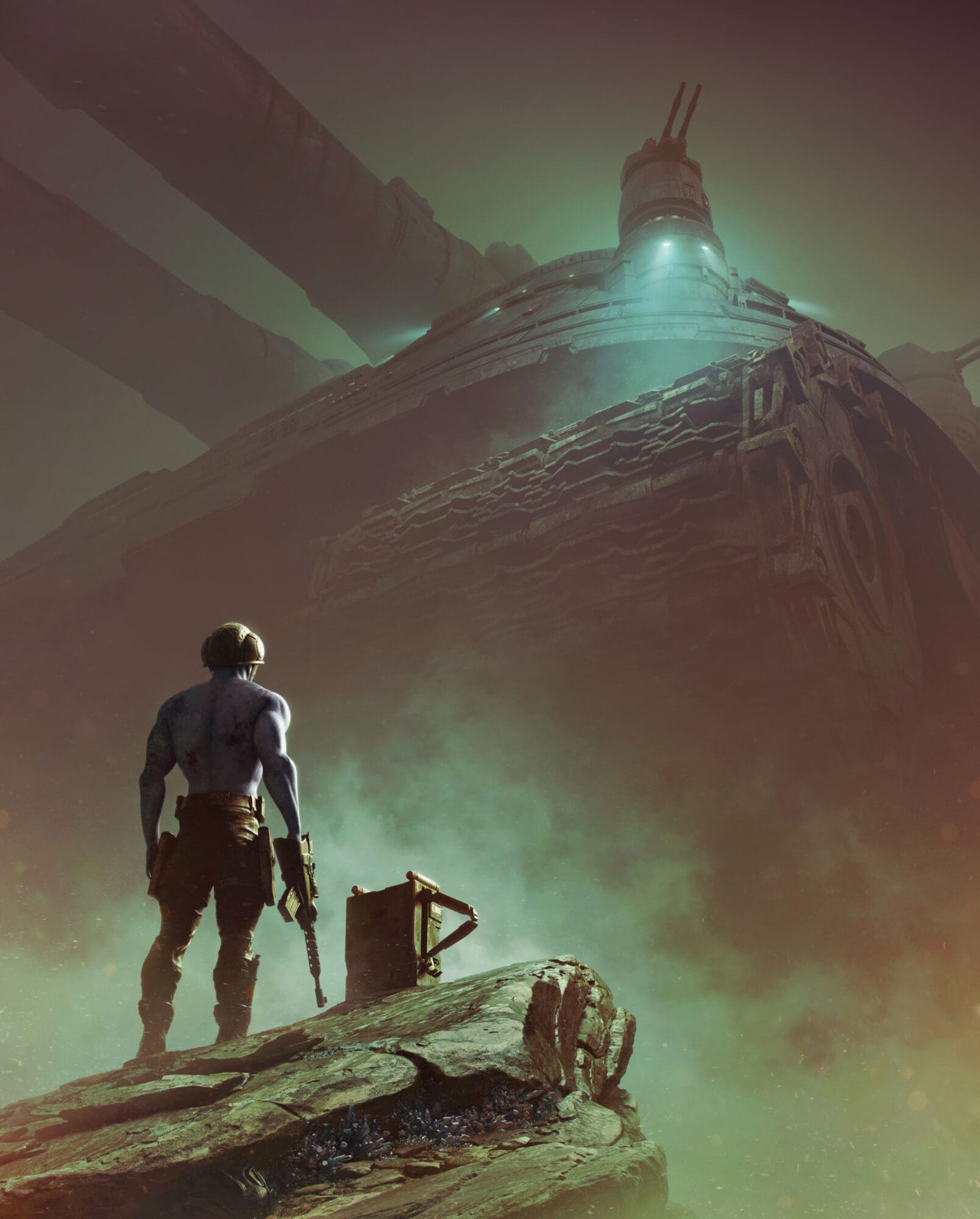
Rogue Trooper is not merely a film; it is a labor of love. Created by Finley-Day and Gibbons, the original 2000 AD comic introduced the world to the Genetic Infantryman (GI)—a soldier designed for chemical warfare, tasked with surviving in a toxic, war-torn landscape. For decades, the character has remained a cornerstone of British science fiction, beloved for its blend of relentless combat and biting political satire.
Duncan Jones, the director behind Moon, Source Code, and Warcraft, has been eyeing an entry into the animation space for years. According to Jones, the transition wasn’t a sudden pivot, but a long-held ambition hampered only by the limitations of available technology. "We’ve been putting our finger in the water a few times at trying to do animated projects," Jones remarked in an interview with Cartoon Brew ahead of the premiere. "Even before I started working with my producing partner Stuart Fenegan, I had done some very early motion capture tests to do a project as an animated movie."
Chronology: From ‘Mute’ to the Unreal Engine
The seeds for Rogue Trooper were sown during the development of Jones’ 2018 film Mute. During the early planning stages, Jones explored the possibility of incorporating animated sequences to bridge the film’s complex narrative gaps. At the time, the technology was simply not sophisticated—or affordable—enough to meet his creative standards.
"It’s always been something that’s tucked away in the back of my mind," Jones explained. "There was going to be an opportunity as the technology got to a point where we could do it on a budget."
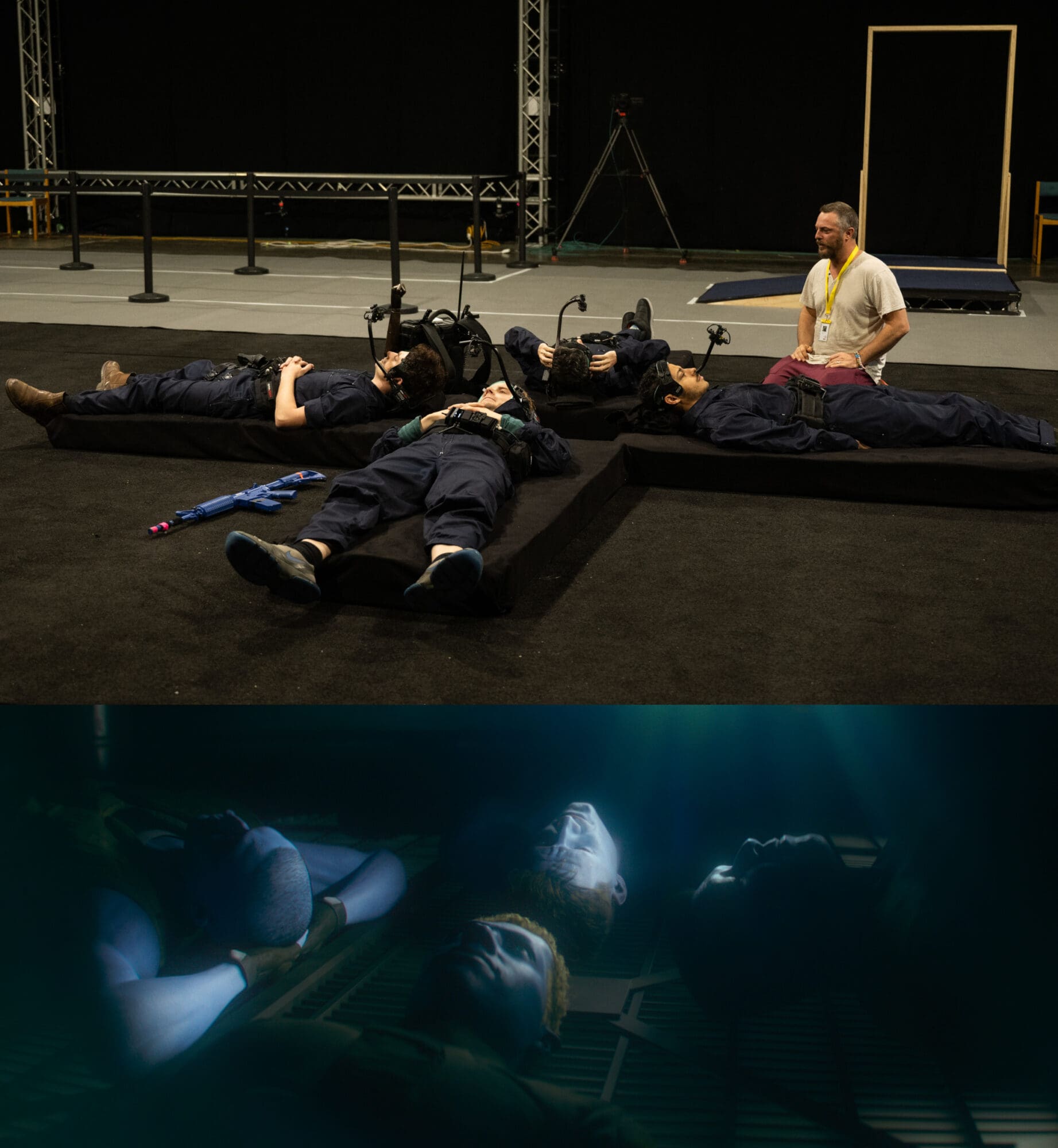
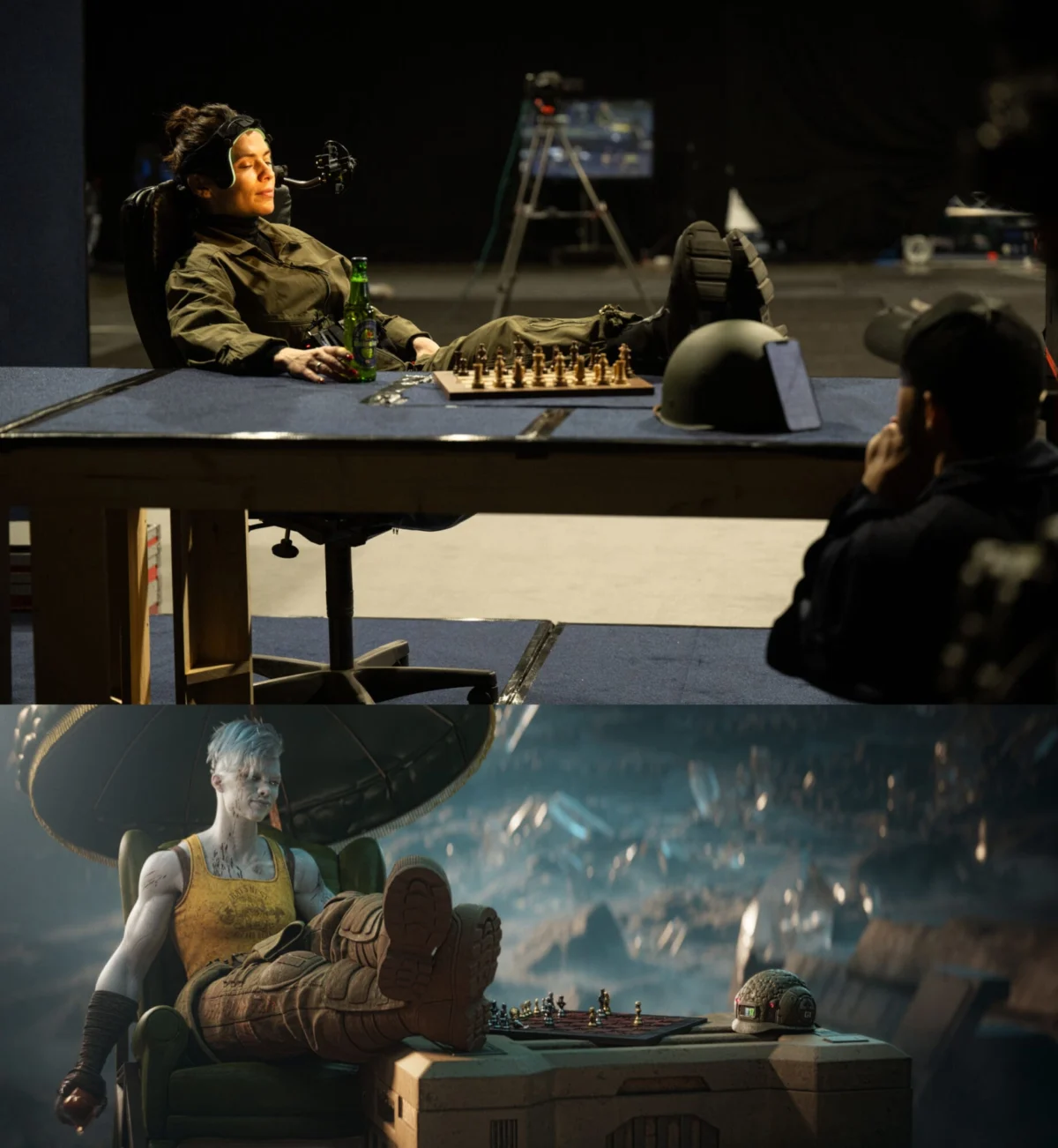
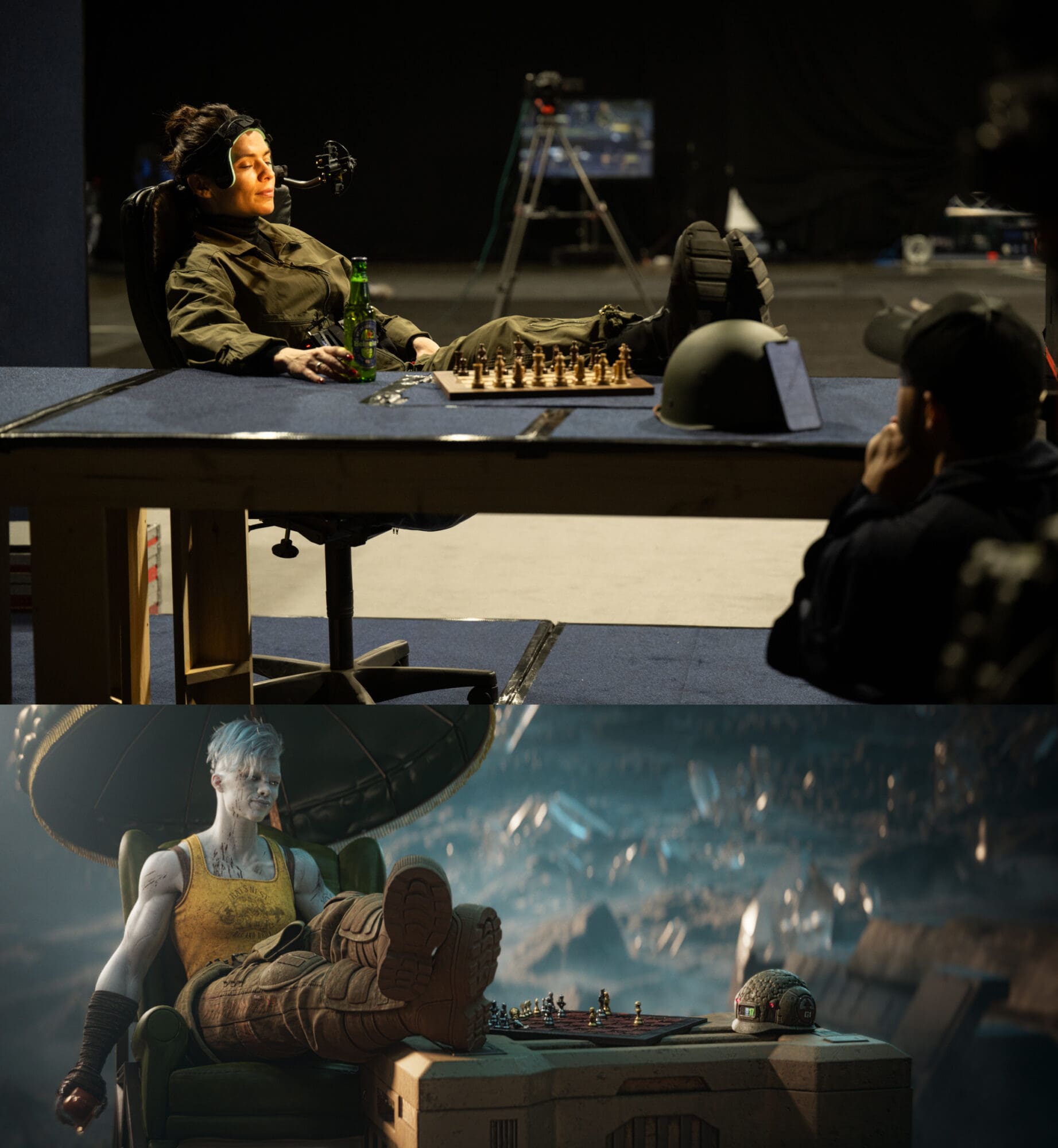
That turning point arrived with the maturity of real-time rendering tools, specifically Unreal Engine 5. For Jones and Fenegan, the goal was to prove that a fully realized, cinematic CG experience could be crafted outside the traditional studio system—a system that often requires astronomical budgets and rigid oversight. By leveraging motion-capture technology and a streamlined pipeline, the duo sought to demonstrate that creative flexibility does not have to be sacrificed for the sake of efficiency.
The ‘Warcraft’ Lesson: Efficiency as a Creative Tool
The methodology behind Rogue Trooper was heavily influenced by the pair’s experience on the 2016 blockbuster Warcraft. While that project gave them a front-row seat to the massive scale of modern visual effects, it also highlighted a systemic inefficiency that frustrated them.
"On Warcraft, we saw how much money was spent on previs (pre-visualization), and you’re just throwing it away when we get into ILM and start working on the visual effects," Fenegan noted. "So, for many years, we’ve been talking about, is there a way to use the new tools and Unreal Engine and a kind of more indie pipeline to bring the price point down on a full CG animated movie?"
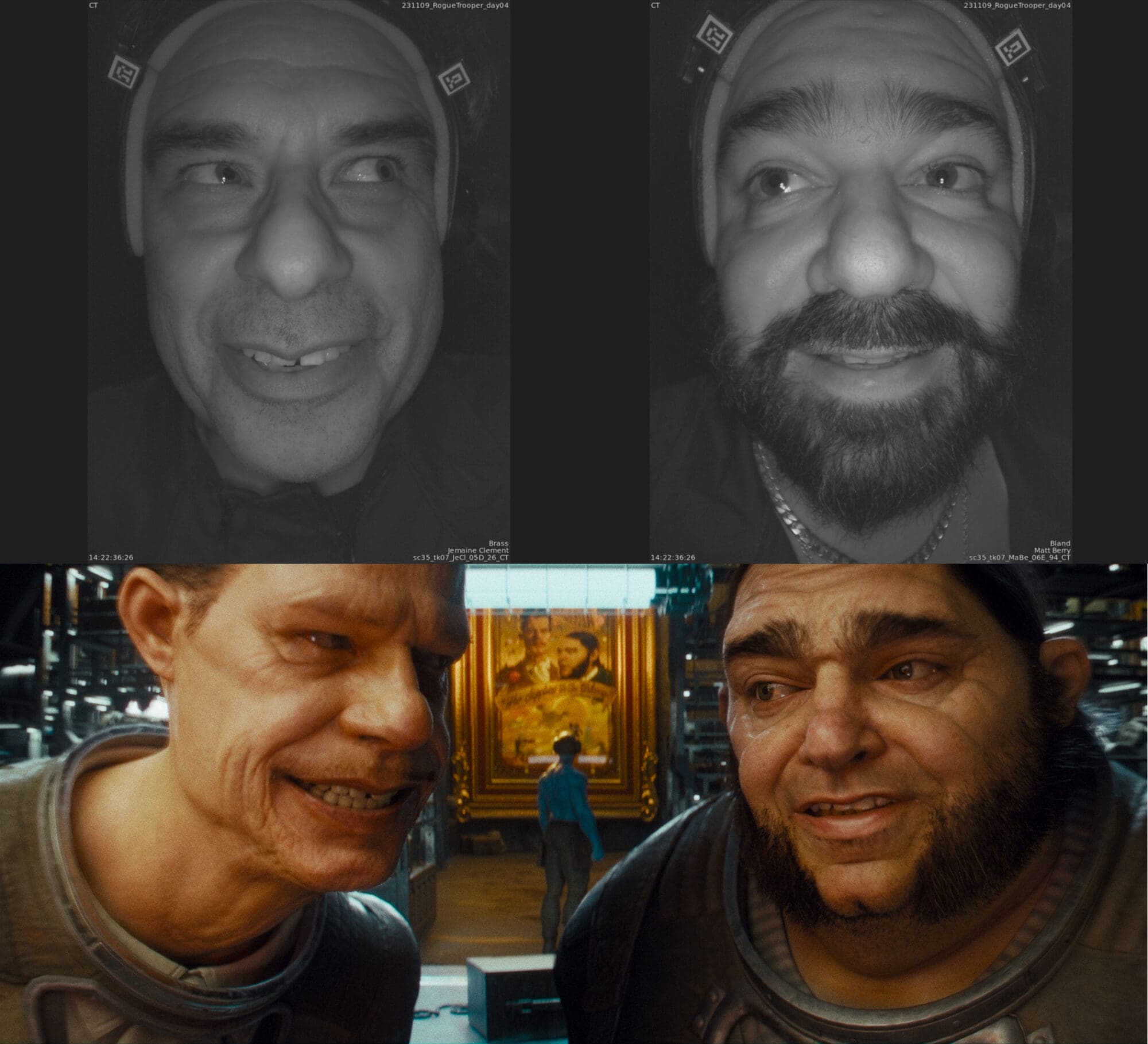
Jones brought his personal philosophy of "frugal planning" to the project. Rather than relying on the "fix it in post" mentality that plagues many modern blockbusters, Jones emphasized careful, deliberate planning. This allowed for a higher level of creative control and kept the production nimble. Even in the final stages of post-production, Jones could film quick-reference videos on his iPhone, using crew members as stand-ins, and send those directly to the animation team to integrate new, spontaneous ideas into the film.
"The pipeline that Stuart and the team came up with really did allow us to be flexible," Jones said. "Even though we kind of knew what we wanted, there was absolutely, right up until very late in the process, the opportunity to make those tweaks. If there was a gag we couldn’t resist, we would find a way to get it in there."
Artistic Integrity and the ‘Uncanny Valley’
Adapting Rogue Trooper presented a unique aesthetic challenge. Unlike established superhero franchises that demand rigid visual continuity, Rogue Trooper has been reinterpreted by a revolving door of artists over its 50-year history. Jones embraced this, treating the variety of styles as a canvas.
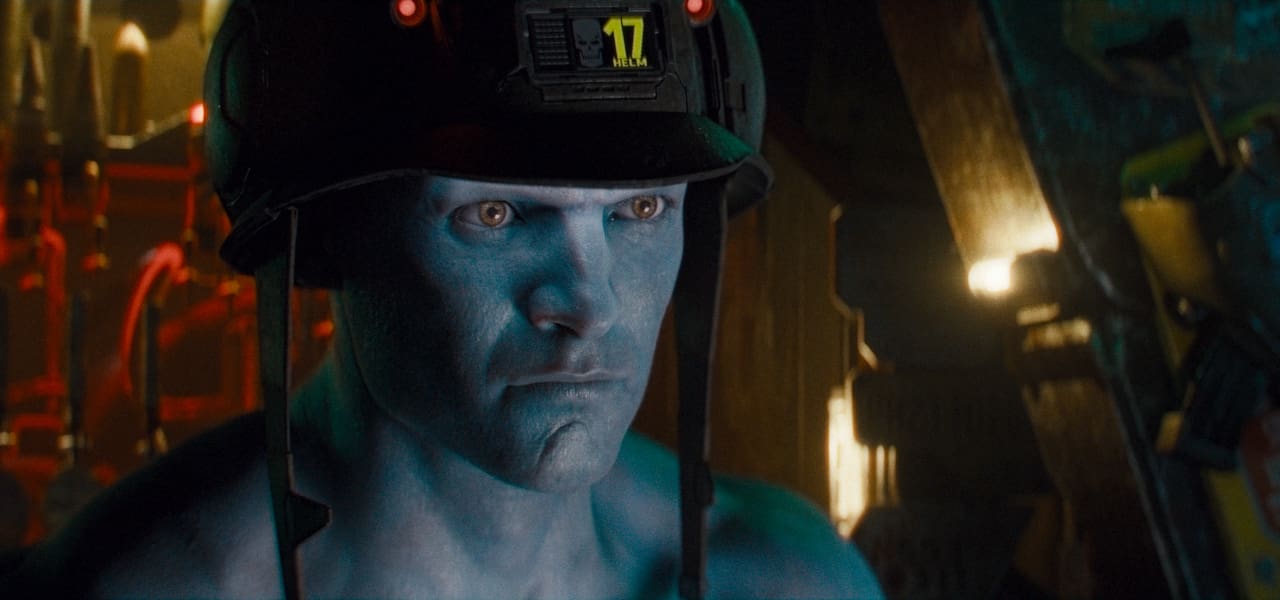
One of the most critical decisions involved the character’s eyes. In the comics, Rogue’s eyes are often depicted as solid white—an iconic look that creates a sense of detachment. However, for a feature-length film, Jones knew that an audience needed to connect with the protagonist emotionally.
"It was really important for us," Jones said. "It’s hard to have your hero with no kind of humanity to use to emote and to be empathetic with."
The solution was found in the source material itself, specifically in the work of Dave Gibbons, who had previously illustrated a transparent membrane over the character’s eyes. Jones and his team utilized this detail to allow Rogue to show genuine human emotion. Furthermore, character designer Doriana Sacchetti was instrumental in creating a visual language that balanced the exaggerated proportions of the 2000 AD comic with the requirements of a three-dimensional, emotive CG performance.
In a bold subversion of genre tropes, Jones chose to make the blue-skinned GIs the most "human" looking characters, while rendering the surrounding civilian population as caricatures or "grotesques." This choice not only leans into the film’s satirical themes but also provides a distinct visual signature that separates it from the hyper-realistic trend currently dominating major studio animation.
Official Responses and Creative Collaboration
The production team worked in close, constant consultation with the rights holders at Rebellion and the original creators of the comic. For Jones, this was not just a business requirement; it was a matter of professional honor.
"If you’re going to take someone else’s ideas, you want to look after them," Jones said. "You want to treat them with respect and try to give them something that they’ll feel like was a respectful and loving tribute to that thing."
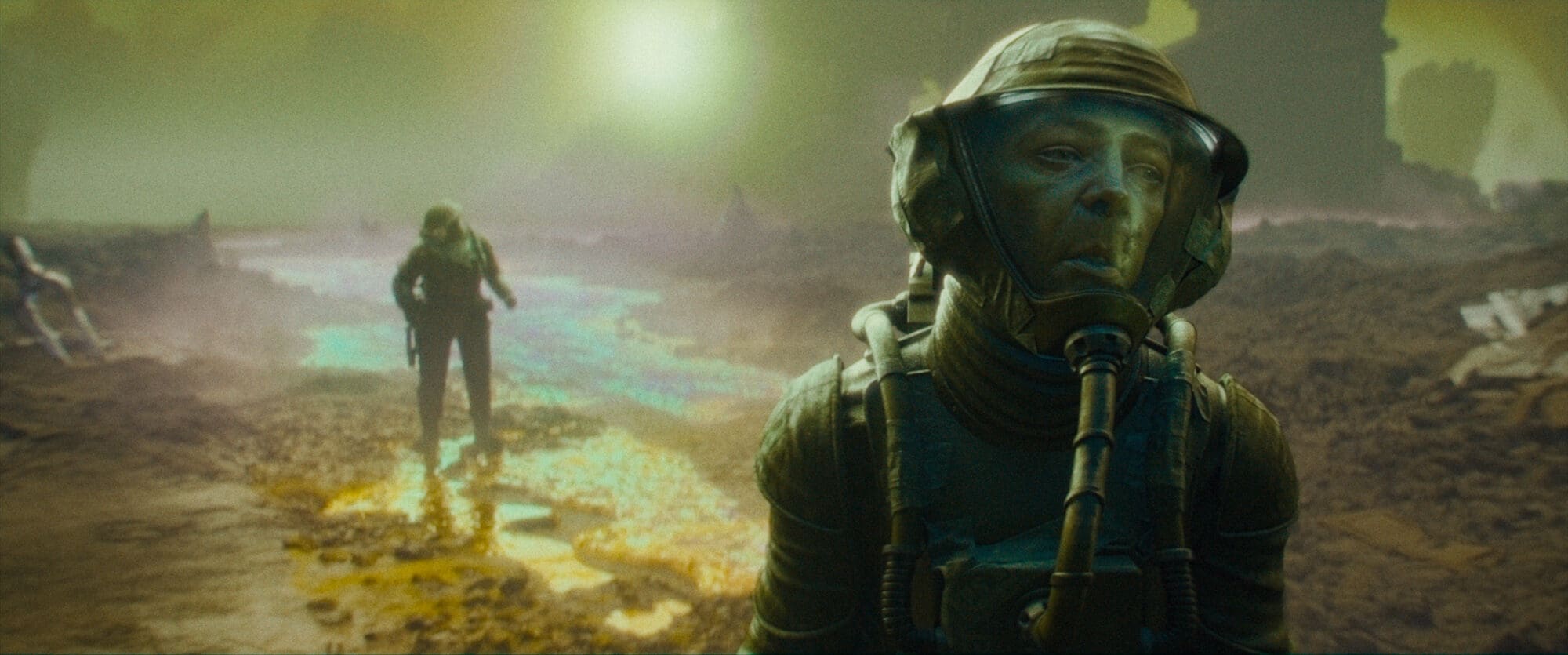
The ultimate test came just weeks before the Annecy premiere, when Jones and Fenegan screened the finished film for Gerry Finley-Day and Dave Gibbons. According to Fenegan, the response was deeply emotional. "They were both extremely moved by seeing this character that they created so many years ago moving and alive on the big screen," Fenegan said. "That was a nice way to end that creative process."
Implications for the Industry: A New Blueprint?
The success of Rogue Trooper at Annecy carries significant weight for the broader animation industry. By successfully utilizing an indie, engine-heavy pipeline, Jones and Fenegan have provided a roadmap for other filmmakers who wish to pursue high-concept projects without the constraints of major studio bureaucracy.
This film proves that "ambitious" does not have to be synonymous with "bloated budget." It suggests that the future of animated storytelling may lie in the hands of creative teams who are willing to embrace the learning curve of new, accessible technology. As the audience at the Bonlieu Scène Nationale erupted in applause, it was clear that the fans were not just celebrating a faithful adaptation of a beloved comic—they were witnessing the arrival of a new, efficient, and highly effective way to tell stories in the medium of animation.
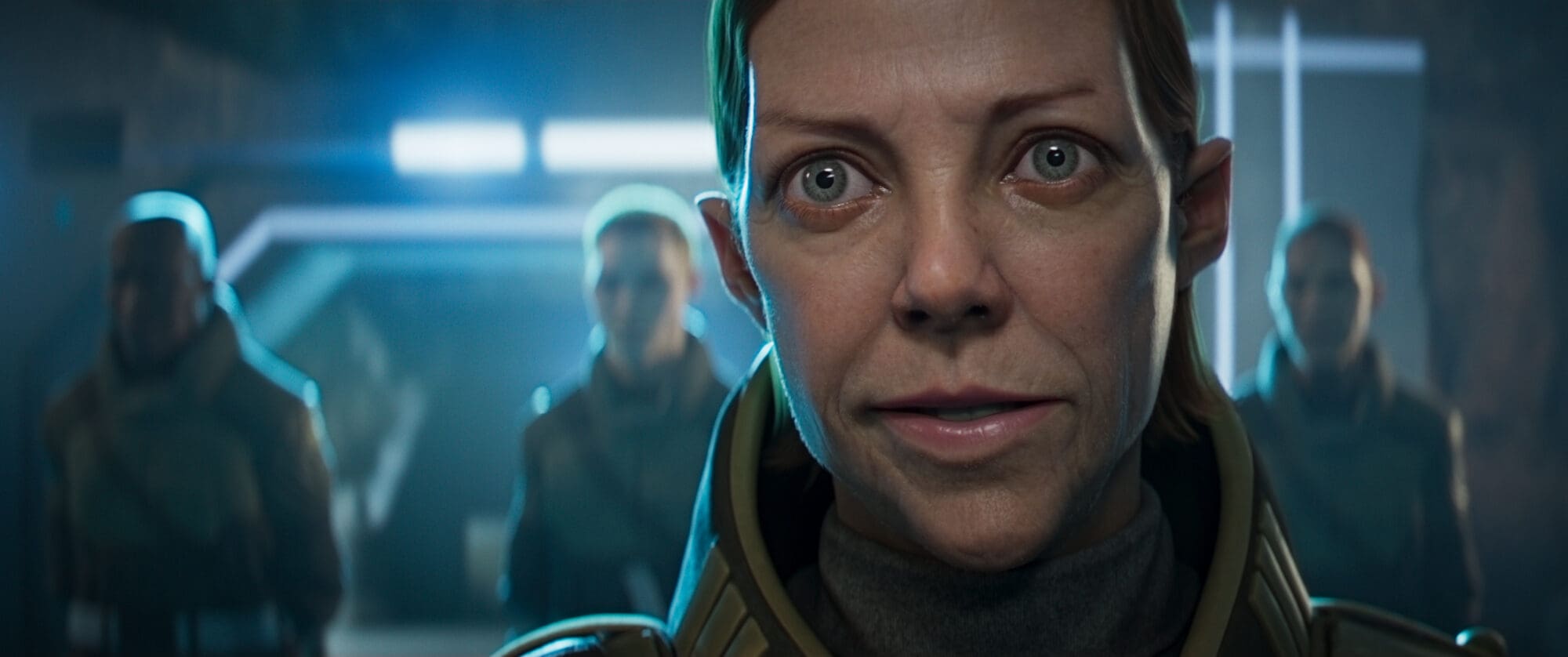
Duncan Jones has long been a director who enjoys "jumping into a new challenge," as Fenegan put it. With Rogue Trooper, that naivety and willingness to experiment have yielded a project that feels fresh, funny, and, most importantly, human. Whether this model becomes the industry standard remains to be seen, but for now, Rogue Trooper stands as a testament to what can be achieved when vision is paired with the right tools—and the courage to use them.