

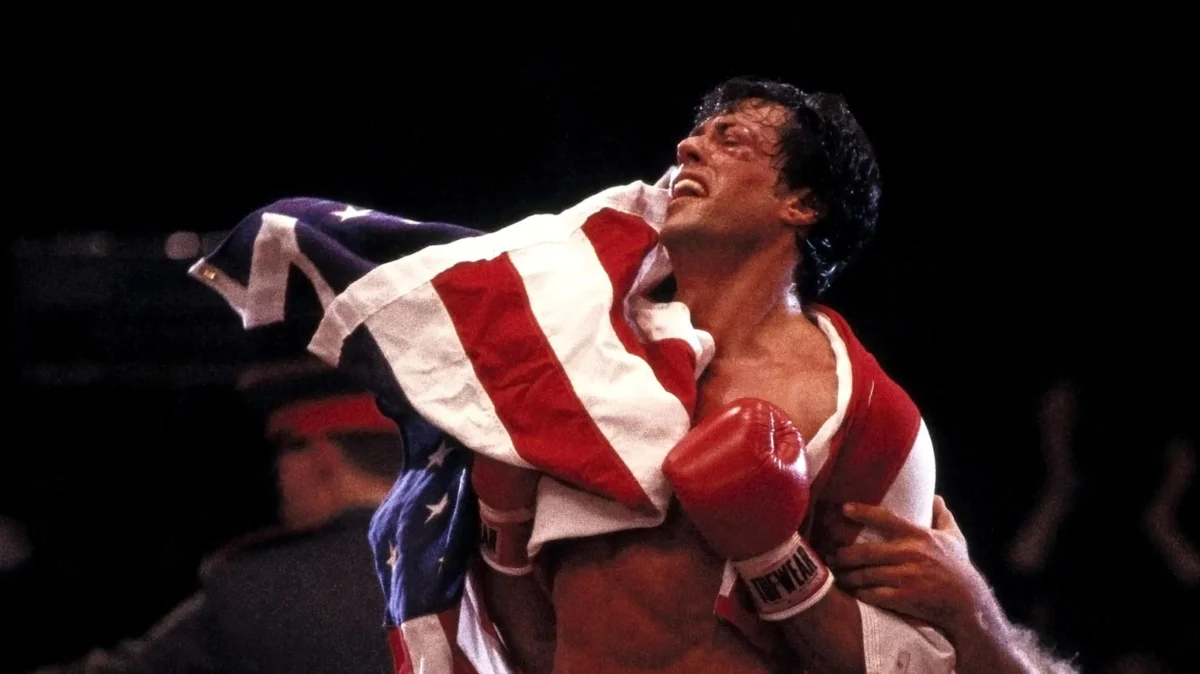
As the United States celebrates another Independence Day, the cultural landscape is typically dominated by a familiar canon of films. From the sci-fi spectacle of Roland Emmerich’s Independence Day to the tense, sun-drenched coastal dread of Steven Spielberg’s Jaws, Americans often turn to cinema to anchor their holiday festivities. Yet, nestled within this lineup of blockbusters is a film that captures the chaotic, bombastic, and unapologetically sincere essence of the holiday better than any other: Sylvester Stallone’s 1985 Cold War opus, Rocky IV.
While film critics might point to its narrative simplicity or its reliance on montage-heavy storytelling, Rocky IV stands as the definitive July 4th movie. It is a cinematic experience that mirrors the holiday itself—a day defined by loud explosions, questionable dietary choices, and a fervent, almost mythic, belief in the American spirit.
Main Facts: The Anatomy of a Patriotic Fever Dream
Rocky IV is not a film designed for nuance; it is a film designed for impact. Clocking in at a lean 90 minutes, the movie functions as a high-octane sensory overload. It features approximately 21 minutes of training and musical montages, including a bizarre, full-length performance by James Brown singing "Living in America."
The plot is deceptively straightforward: After the tragic death of Apollo Creed at the hands of the Soviet titan Ivan Drago, Rocky Balboa journeys to the frozen wastes of Siberia. There, he engages in a primitive, soul-searching training regimen to prepare for a bout that is less about boxing and more about the ideological supremacy of the United States.
The film operates on a binary logic that is quintessentially American: the "good" underdog against the "evil" state-sponsored machine. It is a cinematic equivalent of a rhythmic "USA! USA!" chant, stripped of the complexities of geopolitical reality and replaced with the raw, pulsating heart of a nation’s desire to see its virtues validated in the ring.
A Chronological Breakdown: From Tragedy to Triumph
The trajectory of Rocky IV follows a classic, almost religious narrative structure that aligns with the myth-making of Independence Day.
The Inciting Incident
The film begins with the arrival of Ivan Drago, a character who serves as a chilling manifestation of Cold War anxiety. When he kills Apollo Creed in an exhibition match, the film establishes the high stakes. This is not merely a sport; it is a battle for national honor.
The Wilderness Period
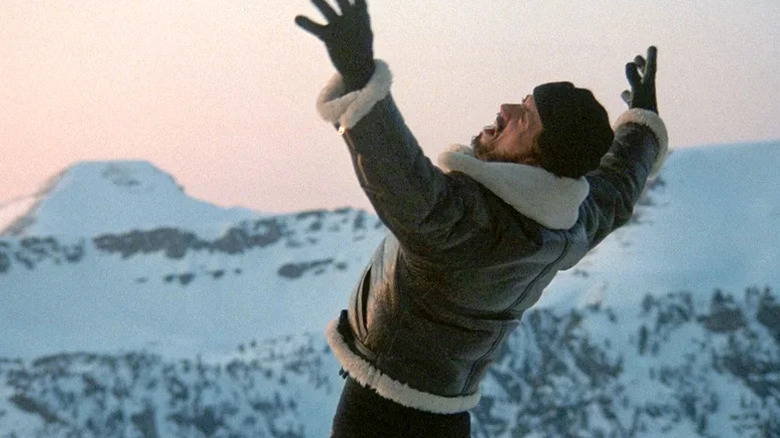
Rocky retreats to the isolation of Siberia. This sequence is perhaps the most iconic portion of the film. While Drago utilizes high-tech, computerized training facilities and chemical enhancement, Rocky chops wood, lifts logs, and runs through deep snow. This creates a powerful juxtaposition between "soulless technology" and "hard-working grit."
The Climax
The final bout in Moscow is a visceral, bloody confrontation. It is a grueling test of endurance where Rocky is consistently outclassed but refuses to stay down. The eventual victory is not just a win for a man; it is a symbolic victory for the ideals of the underdog—a recurring theme in the American cultural psyche.
Supporting Data: The "Bad Movie" That Is Actually Great
Critics have long debated the quality of Rocky IV, often labeling it as "nonsense." However, the film’s "bad" qualities are precisely what make it a masterpiece of tone.
- The Montage Factor: The reliance on music-driven montages creates a pacing that mirrors the excitement of a fireworks display. It doesn’t ask the audience to contemplate; it asks them to feel.
- The Soundtrack: The inclusion of "Living in America" serves as a jarring but effective anchor, grounding the film in the specific cultural excess of the mid-80s.
- The Cultural Artifacts: From Paulie’s infamous robot to the hyper-masculine beard growth of the training sequences, every element is dialed up to eleven.
Sociologically, the film serves as a mirror to the American holiday experience. Just as we ignore the nutritional value of our food or the environmental impact of our fireworks to focus on the joy of the day, Rocky IV asks us to ignore the absurdity of its plot to focus on the emotional payoff. It is a rare film that successfully achieves exactly what it sets out to do: elicit a primal, patriotic response.
Implications: The Myth of the American Underdog
Why does this film, released nearly 40 years ago, continue to resonate on the Fourth of July? The answer lies in the "Idea of America."
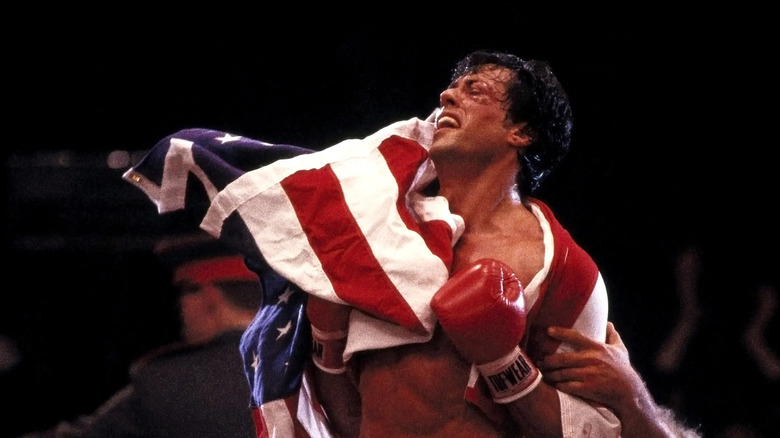
Americans are a people who cling to ideals. We want to believe that heroes prevail, that villains are held accountable, and that hard work—regardless of the odds—is rewarded. Rocky IV peddles this fantasy with absolute conviction. It suggests that even when you are not the strongest or the smartest, you can persevere through sheer force of will.
In a modern context, where the news cycle can feel overwhelming and the "American Dream" feels increasingly elusive, Rocky IV provides a temporary reprieve. It offers a world where the struggle is physical, the enemies are clearly defined, and the victory is decisive.
The Psychological Need for Spectacle
The Fourth of July is a day of ritual. We light the fuse, we watch the sky, and we celebrate a shared, if simplified, history. Rocky IV is the cinematic version of that ritual. It is a suspension of disbelief that allows us, for two hours, to participate in a collective fantasy.
When the credits roll, we aren’t necessarily convinced that a boxing match can solve international tensions. However, we are reminded of the value of resilience. We are reminded that, regardless of how many times we are knocked down, there is a cultural expectation to stand back up.
Official Responses and Cultural Legacy
Over the years, the reception of Rocky IV has shifted from pure action-flick skepticism to a form of nostalgic, ironic, and sincere appreciation. Cultural critics now frequently cite the film as a primary example of "Reagan-era propaganda," yet they do so with a sense of fondness.
When the film was recently revisited in the Rocky franchise’s broader mythology—specifically through the Creed series—it was treated with a gravity that acknowledges its impact on the audience. The legacy of the film is not just in its box office receipts, but in its ability to serve as a touchstone for a specific kind of American optimism.
Conclusion: Why We Still Watch
As we light the final sparkler of the evening, the message of Rocky IV lingers. It is a reminder that the "American Dream" is a work in progress. For one day, we suspend our cynicism. We enjoy the absurdity of the holiday, the excess of the food, and the spectacle of the fireworks.
Then, on July 5, we return to the difficult work of reality. But for that brief window of time, we allow ourselves to believe in the underdog. We allow ourselves to believe that if we just keep training, if we just keep fighting, we might actually make the myth a little more true.
Rocky IV remains the best Fourth of July movie because it is the most honest about what we want our holiday to be: a loud, proud, and defiant declaration that we are still here, we are still fighting, and we are still standing.










