

In the rapidly evolving landscape of the gaming industry, where trends shift with the speed of a digital patch, certain titles endure not because of their sales figures at launch, but because of the indelible emotional mark they leave on those who play them. Recently, the spotlight has swung back toward Lost Odyssey, the 2007 Xbox 360 cult classic directed by Hironobu Sakaguchi, the legendary "father of Final Fantasy."
The renewed interest stems from high-profile praise by Guillaume Broche, the director of Clair Obscur: Expedition 33—a title currently making waves for its ambitious approach to the turn-based genre. Broche’s recent appearance on Jeux Vidéo Club offered a deep dive into the influences that shaped his creative philosophy, highlighting Lost Odyssey as a pivotal, if underappreciated, cornerstone of the JRPG genre.
A Legacy Forged in the Shadow of Giants
To understand the weight of Broche’s praise, one must look at the historical context of Lost Odyssey’s release. By 2007, the JRPG landscape was in a state of transition. Sakaguchi, having departed Square Enix following the mixed reception of Final Fantasy: The Spirits Within and the subsequent restructuring of the company, founded Mistwalker. The goal was to reclaim the magic of the "Golden Age" of RPGs while utilizing the immense graphical power of the seventh generation of consoles.
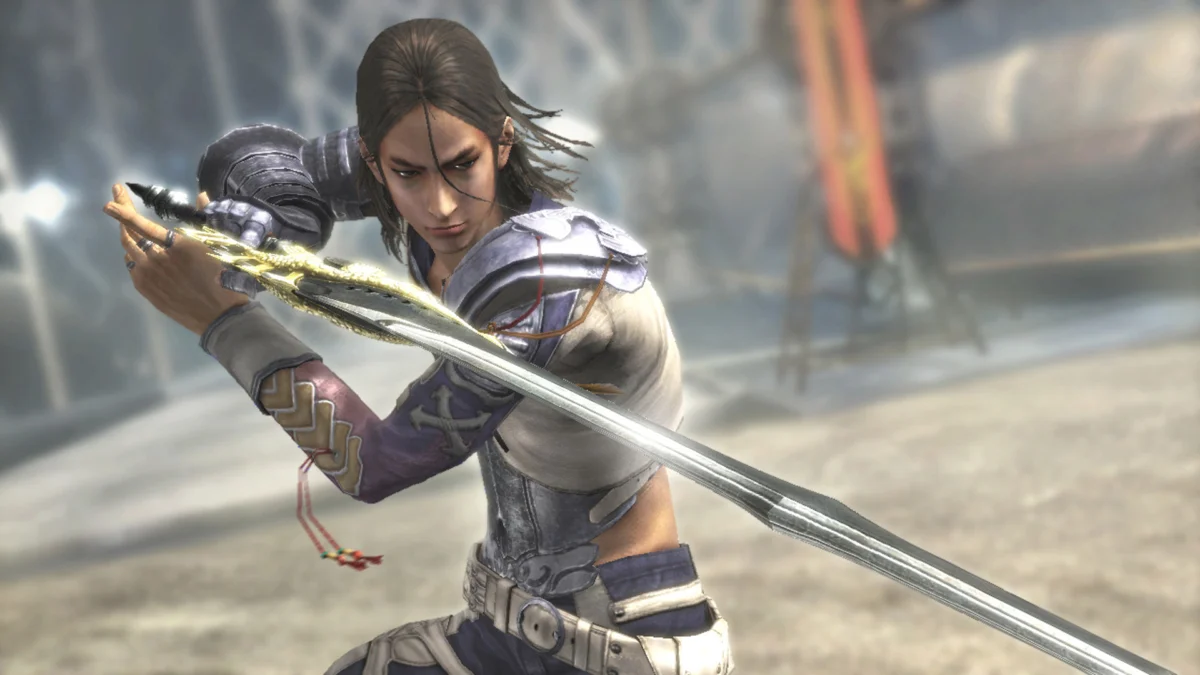
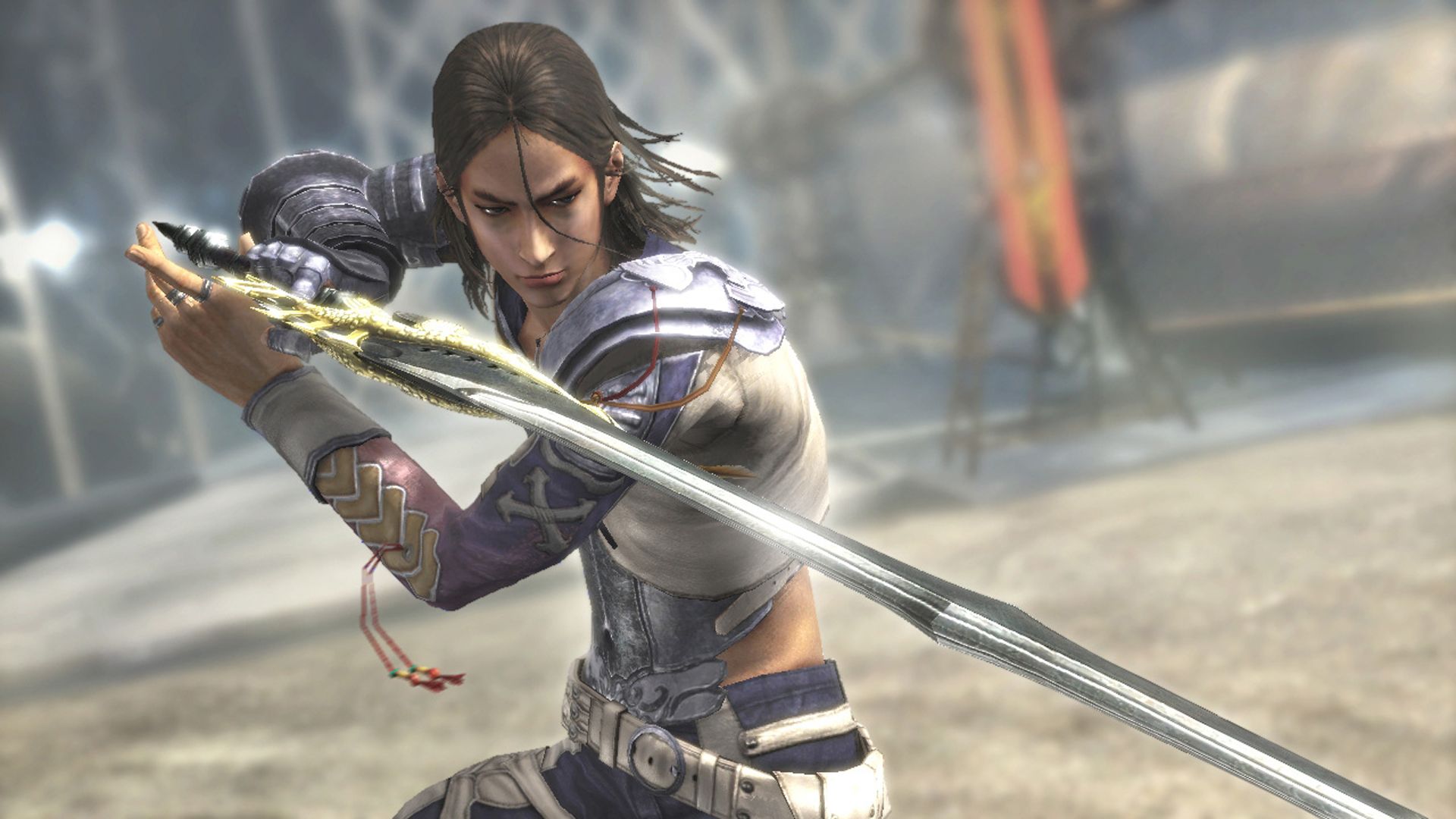
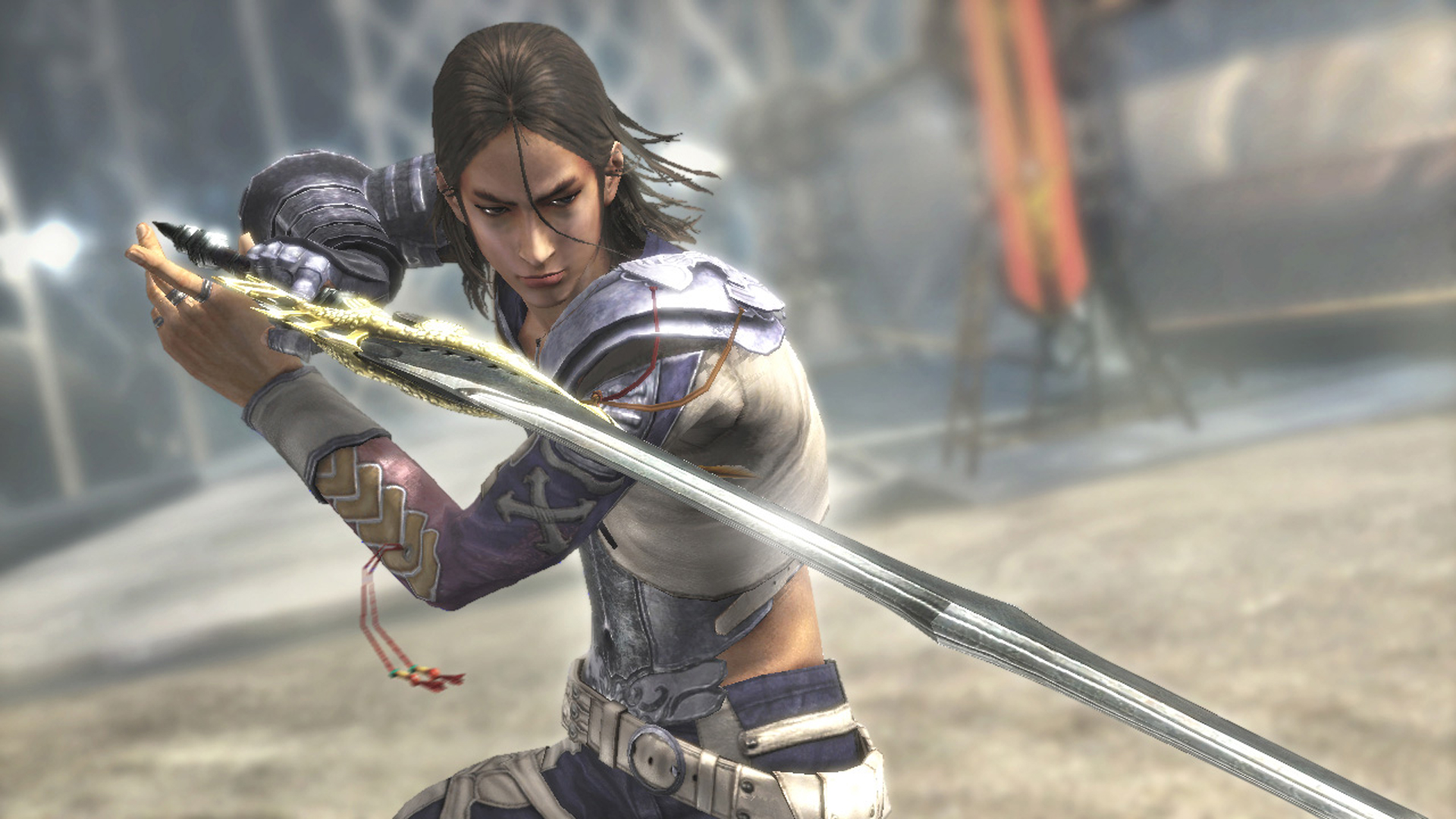
Lost Odyssey arrived on the Xbox 360 as an exclusive that aimed to bridge the gap between classic, turn-based traditions and the high-fidelity presentation of the modern era. It featured a mature, sweeping narrative centered on Kaim Argonar, an immortal protagonist haunted by a millennium of memories. Despite its pedigree—featuring music by the legendary Nobuo Uematsu and a script enriched by novelist Kiyoshi Shigematsu—the game faced an uphill battle.
At the time, the gaming press was heavily skewed toward Western-developed action titles, and the "old-school" trappings of Lost Odyssey—including random encounters and a strictly linear structure—were often criticized by reviewers who felt the genre had outgrown such conventions. It was, as Broche describes, a "game from another era" released at the wrong time, leading to a critical reception that failed to reflect the game’s true depth and artistic merit.
The Chronology of an Emotional Odyssey
The timeline of Lost Odyssey is one of quiet resilience.
- 2007 (The Release): The game hits shelves globally. While it garners respect for its "Dream" segments—short, text-heavy stories that explore the human condition through the eyes of an immortal—it is largely overshadowed by more accessible, modern blockbusters.
- 2010s (The Quiet Appreciation): As the years pass, the game gains a cult following. Players who missed it at launch begin to discover it through used markets, often citing it as the last "true" high-budget turn-based RPG of its kind.
- 2016 (The Resurrection): Microsoft adds Lost Odyssey to its backward compatibility program for Xbox One, introducing the title to a new generation of players and cementing its status as a permanent fixture in the Xbox ecosystem.
- 2024-2025 (The Modern Re-evaluation): With the rise of Clair Obscur: Expedition 33, the industry begins to look back at the design philosophy that preceded it. Guillaume Broche’s endorsement acts as a catalyst, reframing Lost Odyssey not as a relic of the past, but as a masterclass in how to marry cinematic presentation with traditional gameplay.
The "Last of Its Kind" Argument
Broche’s argument regarding Lost Odyssey centers on its unique position in gaming history. He posits that it was the final, truly ambitious turn-based RPG to embrace realistic, high-fidelity graphics before the industry pivoted toward stylized visuals or indie-scale budgets for turn-based mechanics.
"Something that really stood out to me was that it was one of the last somewhat ambitious turn-based games with realistic graphics," Broche noted during his interview. While the market has seen successes like Persona 5 or Yakuza: Like a Dragon, these games often lean into specific, highly stylized aesthetic identities. Lost Odyssey sought to deliver a grounded, dramatic, and "realistic" epic, a feat that has rarely been attempted with the same level of narrative gravity since.
Broche explains, "Since then, we’ve had a lot of turn-based games… but turn-based games with dramatic, ambitious stories and realistic graphics haven’t been around since Lost Odyssey. It was the last one."
Official Responses and Creative Resonance
The influence of Lost Odyssey on Clair Obscur: Expedition 33 is not merely incidental; it is structural. Broche describes his current project as a spiritual successor, a way to pick up the mantle where Sakaguchi left off.
"It holds a special place in my heart because, for me, Clair Obscur is sort of the successor to that in a way—it was my favorite kind of game, and nobody was making them anymore," Broche explained. "So I said to myself, ‘Let’s go.’"
This sentiment resonates with a growing segment of the player base that feels the "middle-ground" of high-budget, single-player, turn-based RPGs has been hollowed out. By publicly championing a game that was once "torn apart" by critics, developers like Broche are signaling a shift in industry values. They are prioritizing the "emotional experience" over the "mechanical trend." Broche admits that while the game had flaws—specifically citing the quality of its villain—the overall emotional impact was so profound that it remains the "last game that made me cry."
Implications for the Future of RPGs
What does this resurgence of interest in Lost Odyssey imply for the future of the medium?
- The Re-valuation of "Old-School" Mechanics: For years, developers were told that random encounters and turn-based combat were "outdated." The success of recent titles and the vocal appreciation of developers like Broche suggest that mechanics are not inherently "old" or "new"—they are simply tools. When executed with high-quality narrative and emotional resonance, players are more than willing to embrace them.
- The Rise of the "Auteur" Revival: Much like how the film industry looks back to the 1970s for inspiration, modern game directors are looking at the PS2/Xbox 360 era as a treasure trove of untapped potential. We are seeing a generation of developers who grew up playing these games and are now in positions of power to iterate on them.
- Longevity via Accessibility: The decision to keep Lost Odyssey available on modern Xbox hardware has been vital. It proves that legacy titles remain relevant if they are kept accessible. Without the backward compatibility program, the game might have been relegated to the bargain bins of history, rather than becoming a primary influence for one of the most anticipated RPGs of the coming year.
Conclusion: A Masterpiece Rediscovered
Lost Odyssey serves as a poignant reminder that the value of a creative work is not always tied to its initial reception. It was a game that dared to be slow, to be sad, and to be deeply, unabashedly traditional in an era that demanded the opposite.
As Clair Obscur: Expedition 33 prepares for its eventual release, the dialogue surrounding Hironobu Sakaguchi’s forgotten gem serves as a torch-passing moment. It reminds us that games are not just products to be consumed and discarded; they are artifacts of emotional expression. Whether you are a newcomer looking to experience a classic or a veteran returning to the world of Kaim Argonar, the availability of Lost Odyssey on modern consoles makes it one of the most accessible and essential experiences for any fan of the genre.
In the end, as Broche so eloquently put it, "Every now and then, I think back on it, I listen to the music and immerse myself in it all over again. It’s truly one of the most powerful, emotional experiences of my life as a gamer." Perhaps, in the light of such enduring appreciation, Lost Odyssey was never truly "lost" at all—it was just waiting for the right generation to come along and rediscover it.










