

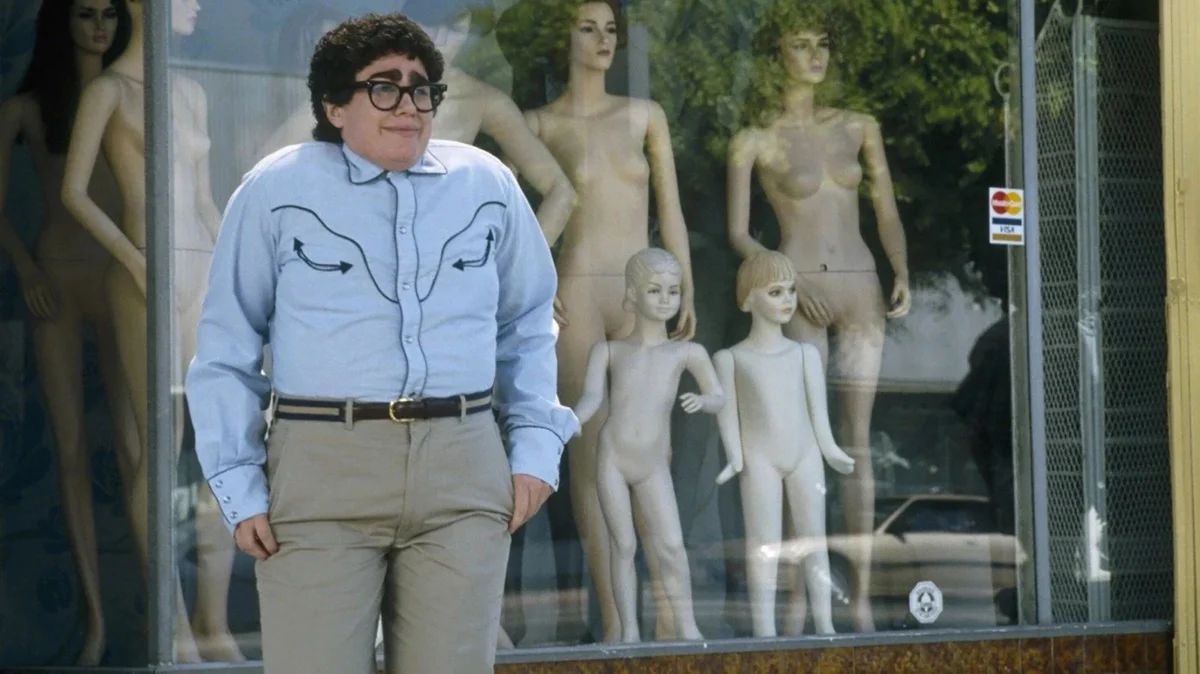
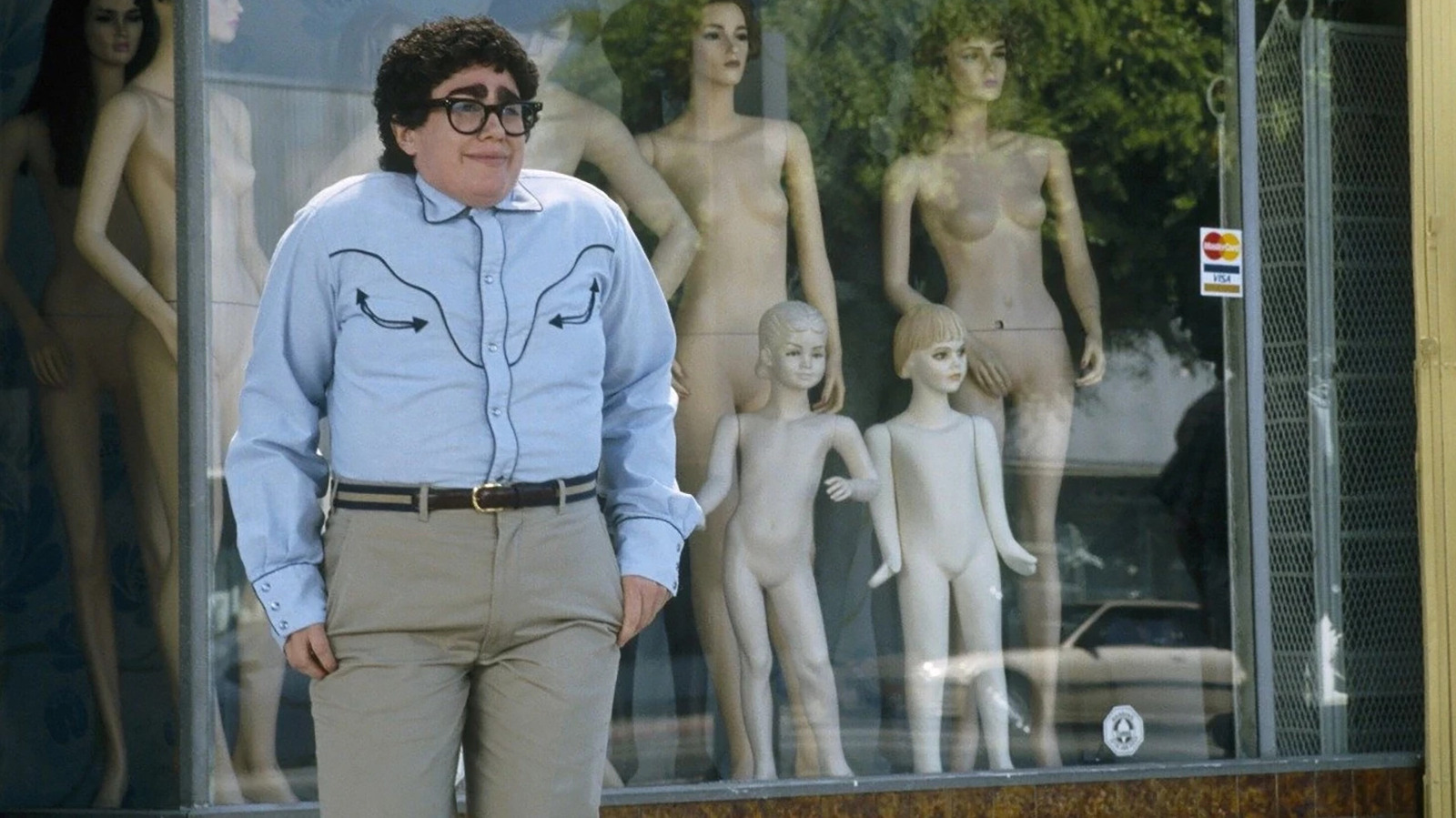
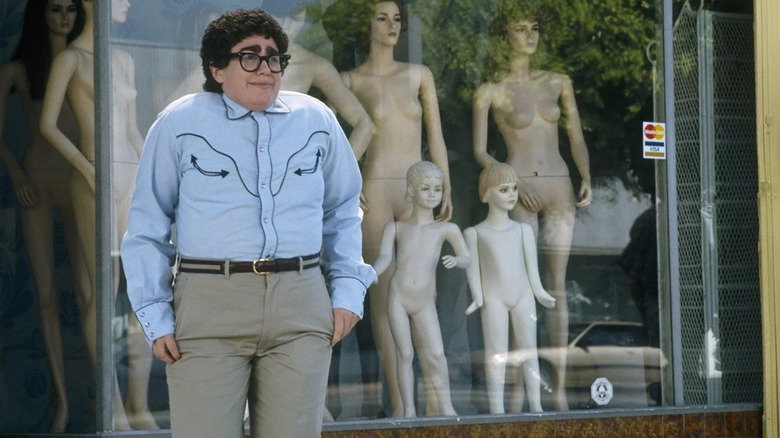
For decades, the name "Pat" served as a shorthand for a specific era of Saturday Night Live—an era defined by high-concept, repetitive absurdity that often prioritized shock value over nuance. The character, created and performed by Julia Sweeney, was a recurring enigma: an androgynous figure whose defining trait was the inability of those around them to assign a gender. In 1994, that conceit was stretched into a feature-length film, It’s Pat, a critical and commercial disaster that holds a rare, infamous 0% approval rating on Rotten Tomatoes.
However, in 2026, filmmaker Ro Haber has resurrected this "legendary flop" for a new, transformative documentary titled We Are Pat. Rather than offering a standard "where are they now" retrospective, the film serves as a searing, thoughtful, and often hilarious interrogation of how pop culture shapes our understanding of gender, identity, and the fluid nature of comedy.
The Genesis of an Enigma: A Chronology of a Cultural Artifact
To understand the gravity of We Are Pat, one must first look at the timeline of the character’s existence.
- 1990: Pat debuts on Saturday Night Live. The sketch is simple: characters go to ridiculous lengths to figure out if Pat is a man or a woman. The humor is derived from the frustration of the surrounding characters.
- 1994: It’s Pat: The Movie is released. It flops spectacularly, losing millions and cementing itself in the annals of Hollywood failures.
- The 2000s and 2010s: As cultural literacy regarding transgender and non-binary identities evolves, the It’s Pat sketches are increasingly viewed through a more critical lens. Critics and activists, such as Jill Soloway, point to the character as a harmful caricature that "others" people based on their gender presentation.
- 2026: Ro Haber releases We Are Pat. The documentary shifts the narrative, moving beyond the binary of "good" or "bad" art to explore the messy, uncomfortable middle ground.
Parsing the Paradox: The "Non-Binary Icon" Argument
The brilliance of Haber’s documentary lies in its refusal to sanitize the past. The film invites a panel of trans and gender-nonconforming comedians to deconstruct the character, resulting in a dialogue that is as contradictory as it is profound.
Comedian River Butcher provides the documentary’s thesis statement, which serves as a guiding light for the viewer: "It is transphobic, it is very funny, and Pat is a non-binary icon. Can we not acknowledge that all three of these statements are true at once?"
This acknowledgement is a radical act in an era of binary online discourse. By allowing these perspectives to coexist, the film avoids the trap of "cancel culture" rhetoric. Instead, it invites the audience to treat the character of Pat as a Rorschach test. Was the joke truly on the panicky, cisgender characters who were "short-circuiting" at the sight of someone who didn’t fit into a box? Or was the joke, at its core, a cruel dismissal of non-conformity? The documentary suggests that both interpretations hold weight, depending on who is watching.
Julia Sweeney: A Legend’s Self-Reflection
One of the most compelling aspects of We Are Pat is the participation of Julia Sweeney herself. In a media landscape where creators often double down when faced with criticism of their past work, Sweeney’s vulnerability is striking.
Sweeney is remarkably candid about the environment in which Pat was born. She recounts the experience of writing in an overwhelmingly male-dominated SNL room, where the pressures to conform to rigid gender expectations were intense. She reflects on her own frustration with these expectations, noting that she initially envisioned Pat as a character who was entirely comfortable in their own skin, essentially "winning" by remaining unbothered by society’s obsession with labels.
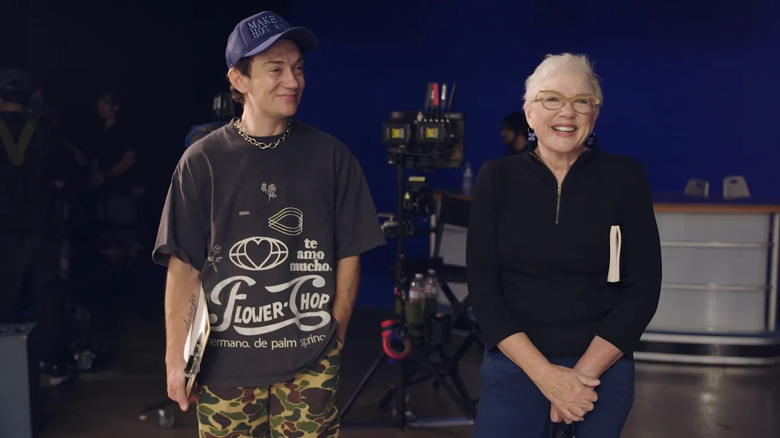
The documentary features a sequence where Sweeney meets with a group of contemporary trans writers, including the brilliant Grace Freud. Watching these two generations of comedy writers collaborate—with Sweeney learning the nuances of physical comedy from a new generation of performers—is a poignant moment of bridge-building. It highlights that the goal of the documentary is not to erase the past, but to engage with it in a way that is constructive rather than purely punitive.
The Writer’s Room Experiment
Haber takes the concept of "reclamation" to its logical conclusion by assembling an all-trans comedy writers’ room to see if a character like Pat could exist today. This segment provides a rare glimpse into the craft of comedy. As these writers interrogate the character’s DNA, they discover elements that remain potent and even "funny" in a modern context.
This is not just an academic exercise. It serves to showcase the talent of these comedians—many of whom are part of an underground queer comedy scene that rarely gets the spotlight. By putting them in conversation with the source material, Haber creates a space where they can "flex" their creative muscles, demonstrating that they are not just victims of bad comedy, but masters of the form.
Implications: The Archaeology of the Self
Ultimately, We Are Pat is a mirror held up to the audience. It asks us to look back at the media we consumed in our youth and question why we found it funny, why we stopped, and what that says about our own growth.
Why This Documentary Matters
- Challenging Nostalgia: The film breaks the "nostalgia trap," reminding us that much of the media we hold dear is riddled with outdated and harmful tropes.
- Redefining Reclamation: It asks the hard question: Can we reclaim something that was used as a weapon against us? And, more importantly, is it worth the effort?
- Humanizing the Creator: It presents a nuanced look at Julia Sweeney, portraying her not as a villain, but as an artist whose work escaped her control and evolved into something she hadn’t originally intended.
- The Evolution of Humor: It proves that comedy is a living, breathing entity. What was "anti-trans propaganda" in 1994 can, in the right hands, become a site of analysis and even joy for the community it once mocked.
A New Standard for Pop Culture Analysis
There is a temptation to label We Are Pat as merely a "pop culture documentary," but that would be a disservice. It is, in fact, a deeply philosophical work. By the time the credits roll, the viewer is left not with a neat, packaged conclusion, but with a series of thorny questions that linger.
The film posits that the relationship between a creator and their work is never static. Once art is released into the world, it belongs to the audience. When that audience changes, the meaning of the work changes with it. We are currently living in a time where the "death of the author" is no longer just a literary theory—it is a social reality.
In conclusion, We Are Pat is a must-watch not because it redeems a bad movie, but because it teaches us how to hold complex, contradictory truths in our minds simultaneously. It is a masterclass in empathy, critical thinking, and the enduring power of comedy to help us process the most difficult aspects of the human experience. Whether you remember the SNL sketches with fondness, disdain, or a mix of both, this documentary provides the necessary context to understand why Pat remains, against all odds, a character we simply cannot stop talking about.
We Are Pat is currently available on VOD, and it is undoubtedly one of the most significant, thoughtful, and vital pieces of documentary filmmaking to emerge in 2026.










